
Wirtgen India: Adhering to Smarter, Safer, More Sustainable Practices
Dr. Volker Knickel, CEO, Wirtgen Group, Frank Betzelt , Senior Vice President Wirtgen International and Ramesh Palagiri, Managing Director & CEO, Wirtgen India, elaborate on how innovation, digitalisation, and the company’s production-system are driving smarter and more sustainable construction both in India and in global markets.

How is Wirtgen meeting demand for quality standard products for customers across the world?
The Wirtgen Group is both a market leader and a technology leader in the segments we operate in. Our value proposition is built around innovation, long-term partnerships with customers, and specialisation. We don’t simply deliver a machine; we work closely with customers to help them optimise their entire process, ensuring that they get the maximum return on their investment.Reliability and uptime are critical, hence, ensuring maximum machine uptime is central to our offering. Our India team does an excellent job in supporting customers and keeping their machines running.
Wirtgen India exports around 50% of what it manufactures at our Pune facility in India to more than 80 countries worldwide. These machines meet the same quality standards and, in many cases, have identical specifications to those sold in India.
As India’s demand grows, our portfolio and manufacturing capacity continue to expand accordingly. I believe that if you can succeed in India, you can succeed anywhere, particularly in the southern hemisphere. India is an excellent training ground to learn how to compete effectively.
Indian customers are very demanding on price, technology, and performance. The fact that we are market leaders across all our product categories in India proves that products developed and manufactured here can succeed globally as well. We already use India as a platform to expand into Southeast Asia, Africa, and Latin America, and this strategy is working very well for us.
With infrastructure development becoming more broad-based, are you seeing more small contractors from smaller cities entering the market?
Yes, this trend is clearly visible. We are observing a shift from large contractors to smaller players. Earlier, most road projects were awarded to the top 10–15 contractors, but today, the top 40 contractors have relatively low backlogs while many smaller contractors are winning projects. This has led to strong growth in the retail market. While this shift has not impacted us negatively, it does bring certain challenges, as with new customers we must earn their trust from scratch. However, it also represents a significant opportunity, as the overall market is expanding.In view of the growing retail customer base, we are increasing our retail reach through roadshows and local customer engagement programs. We are sending our machines mounted on trucks to different regions, allowing local contractors to see, experience, and understand our equipment. We are also conducting pan-India customer meets, showcasing machines manufactured in India, especially compactors and pavers. These initiatives significantly improve brand visibility and customer confidence.
In India’s demanding construction market, success relies on more than machines—it requires process optimisation, digital integration, and deep understanding of customer needs.
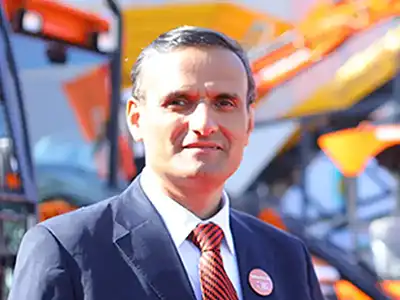
Dr. Volker Knickel
CEO, Wirtgen Group
What is your view on alternative fuels and electric machines becoming mainstream?
Electric and alternative-fuel technologies will become mainstream when they offer the same or better performance at equal or lower cost compared to conventional diesel machines. Construction is ultimately a business-driven industry, and adoption depends on clear economic benefits unless strong government incentives are in place.That said, we already have several alternative technologies in our portfolio, including electric machines and hydrogen-based solutions. However, electrification alone addresses only a small portion of total emissions. A much greater impact can be achieved by optimising materials, reducing rework, and improving process efficiency across the entire construction cycle. This holistic approach is where we believe the real sustainability gains lie.
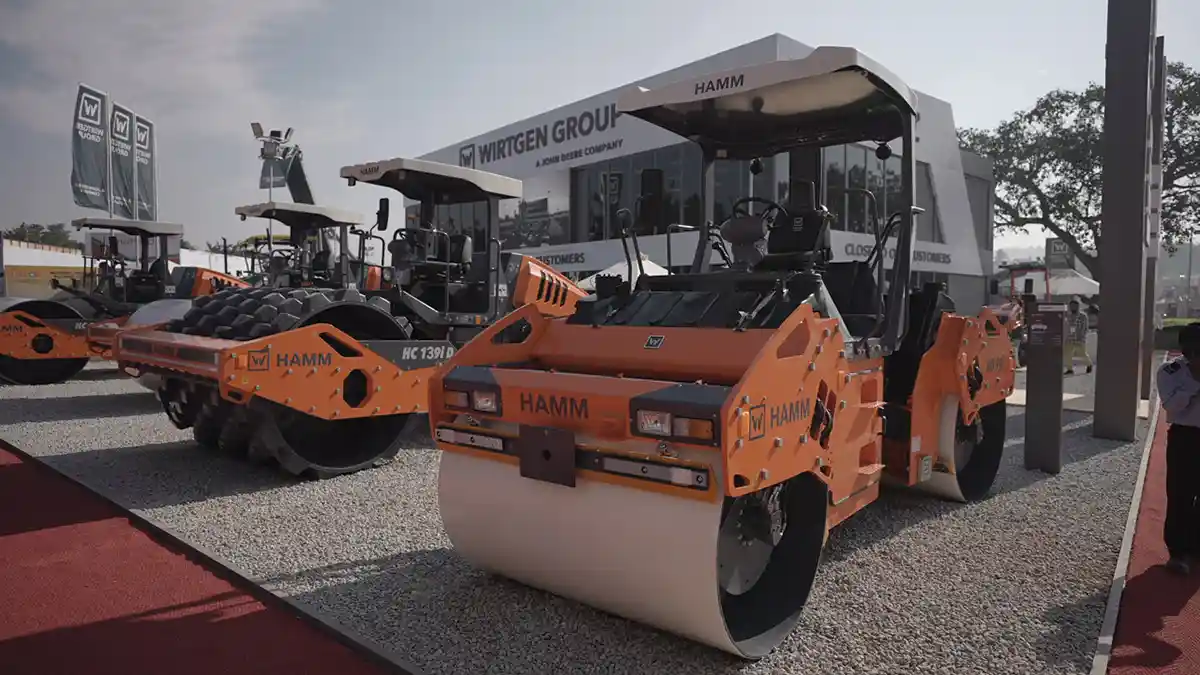
Automation and digitalisation are gaining momentum in construction equipment. How is Wirtgen approaching this transition, particularly in view of labour shortages?
Automation and digitalisation are central to our strategy, especially in addressing productivity, quality consistency, and skilled labour shortages. We take a step-by-step approach, moving from automation towards full autonomy rather than waiting for fully driverless machines.Instead of introducing solutions that work only in controlled environments, we focus on practical automation that delivers real value on actual jobsites. For example, our new milling machines feature intelligent systems such as Smart Mill and Mill Assist, where the operator sets performance targets and the machine automatically optimises its parameters. This allows even less-experienced operators to achieve high-quality results, consistent performance, and good fuel efficiency.
Our automation strategy is integrated into the broader production system. This means not only the machine but how rollers, pavers, and other equipment interact on the site to improve overall process outcomes. We also provide data-driven insights, such as our digital drill core, which helps customers make better decisions on current jobsites and improve performance on future projects.
Automation enhances safety by keeping operators out of hazardous areas. We call this incremental approach “minimum viable automation,” as it allows customers to benefit immediately while gradually preparing them for higher levels of autonomy in the future.
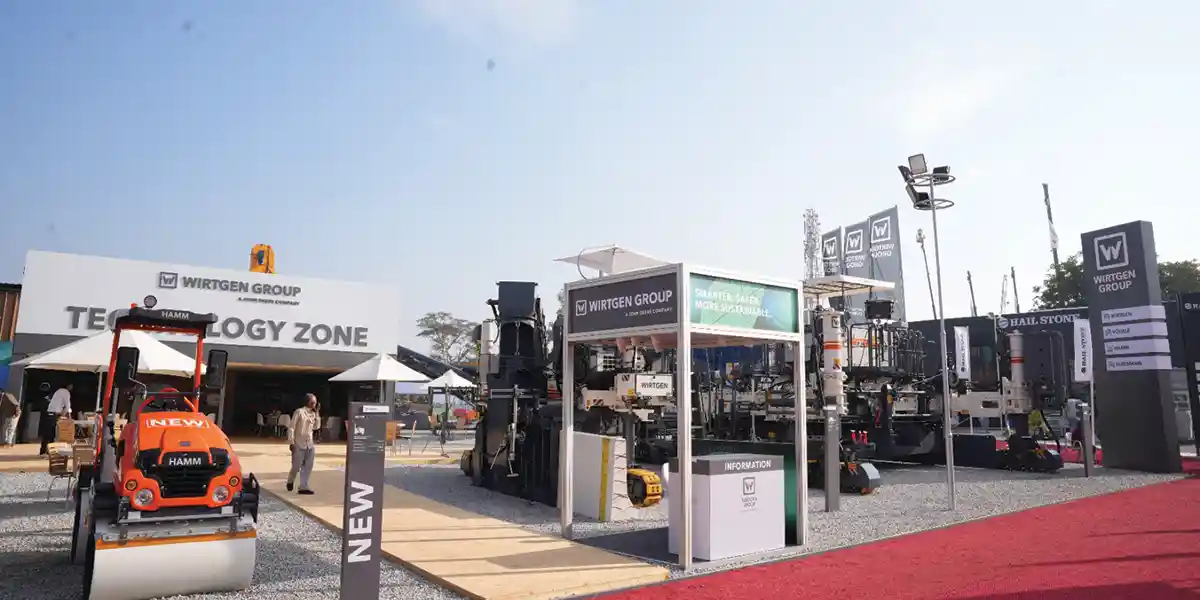
With increasing demand for higher recycling, better dust control, and lower carbon emissions, how does Wirtgen India use its ‘production system’ approach to optimise the entire construction process and help customers reduce costs and emissions?
When total carbon emissions on a jobsite are analysed, we find that the engine contributes only about 3–5% of the greenhouse gas emissions. The largest impact comes from materials, logistics, rework, and waste. By optimising the overall process, far greater CO2 and cost savings can be achieved, rather than by focusing solely on electrification.To achieve higher recycling content, it’s essential to have fewer fines in the RAP (Reclaimed Asphalt Pavement). From a production system perspective, selective milling plays a crucial role. By milling only specific layers of the road, you can achieve better aggregate grading. Additionally, machine settings have a significant impact on the number of fines generated. For example, by using certain rotor designs and motors on large milling machines, it’s possible to produce RAP with fewer fines, which improves the overall recycling quality.
We also implement cold recycling as part of a production system solution, with machines capable of processing up to 800 tonnes per hour. This method allows the existing road structure to be milled, reconditioned, and relaid directly into the paver, achieving over 30% cost savings and more than 60% reduction in CO2 emissions, while significantly speeding up construction compared to traditional asphalt plants. A typical large asphalt plant in India produces around 240 tonnes per hour, so our approach reduces logistics, material handling, and time.
Furthermore, our production system approach focuses on optimising the entire construction process, from milling and recycling to paving and compaction, rather than addressing machines individually. This holistic view ensures higher quality, efficiency, sustainability, and reduced environmental impact.
Finally, it’s important to distinguish between dust on the jobsite and fines generated during milling. Through selective milling and appropriate machine settings, we minimise fines in the recycled material, enabling higher recycling percentages and better material reuse.
Our focus is on delivering end-to-end solutions, combining machines, digital tools, and production expertise, to help customers improve productivity, maximize uptime, and build roads more efficiently, safely, and sustainably under Indian operating conditions.
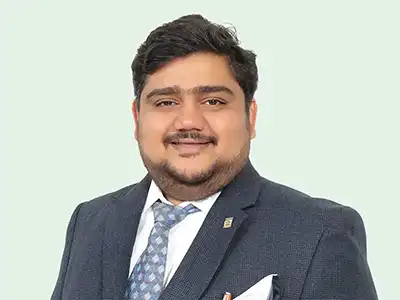
Ramesh Palagiri
Managing Director & CEO, Wirtgen India
Contractors look for cost-effective solutions such as refurbished machines and solutions that will help them modernize: does Wirtgen India cater to this requirement of its customers?
Yes, we are addressing this in multiple ways. First, we’ve introduced a tiering approach—G,P and X versions—where the G and P machines are base and strip down configurations designed for markets like India and the X machines are fully loaded with all features.Second, we have started building a refurbishment business. We buy back machines, refurbish them in our workshops, and offer them either for sale or on a rent-to-own model. Customers can operate the machine on rent, and if they decide to purchase it later, the rental amount is adjusted against the purchase price. This rental business has been operational for about two years now and is gaining good traction, particularly for road construction equipment.
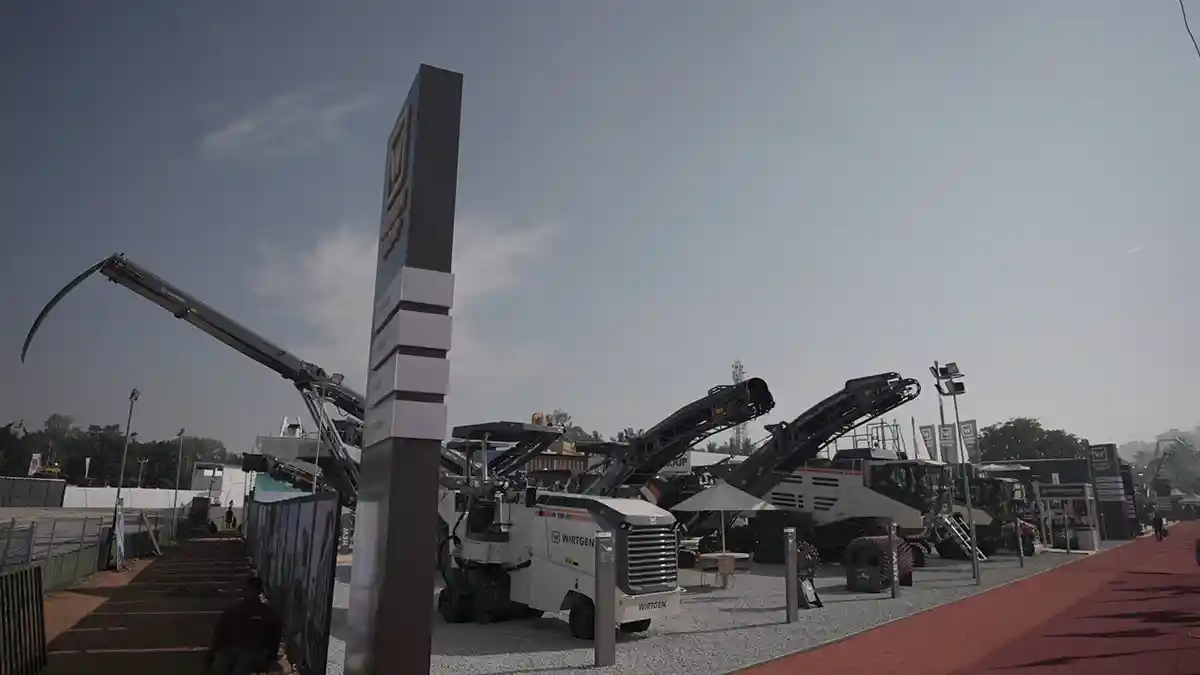
Recently, MoRTH has notified mandatory use of digital systems on machines—such as telematics and monitoring technologies—especially for greenfield projects. These technologies increase machine costs. Do you have arrangements with technology providers to reduce costs by offering in-built solutions?
We already have in-built solutions. Today, we operate through the John Deere Operations Center, which supports fully connected machines. Even before this integration, we had our own Wirtgen systems that allowed customers to monitor jobsites and optimize machine utilization.As part of John Deere, we leverage their advanced technology stack—our own satellite receivers, telematics gateways, and onboard systems. While we cooperate with technology leaders like Trimble and Topcon through standardized interfaces, we primarily offer our own integrated solutions, which helps control costs, monitor progress, improve efficiency, and ensure compliance.
On a jobsite, engines contribute just 3–5% of emissions—the real gains come from optimising materials, logistics, and recycling. Through selective milling and integrated cold recycling systems, we can significantly improve RAP quality, cut CO2 emissions by over 60%, reduce costs by more than 30%, and enable faster, more sustainable road construction. A production-system approach delivers far greater CO2 reduction, cost savings, and construction efficiency.
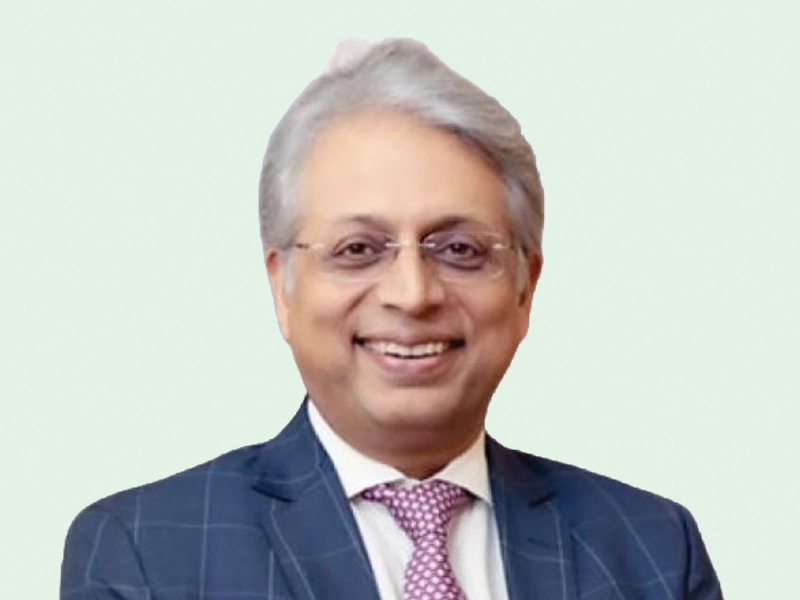
Frank Betzelt
Senior Vice President, Wirtgen International
How does the company’s slogan ‘Smarter, Safer, More Sustainable’ translate into practice on ground?
Our approach works on two levels: The first pillar is digital transformation and automation—enabling improvements in precision, productivity, and quality, while also addressing the global shortage of skilled labour. Digital solutions provide data-driven insights that support better decision-making on both current and future projects.The second is the production system approach. Instead of focusing on individual machines, the entire construction process—from material production to paving and compaction—is considered. This helps reduce waste, improve efficiency, and enhance sustainability.
Published on:
14 January 2026
Published in: NBM&CW JANUARY 2026
Share:
We Value Your Comment