
India’s excavator industry is no longer defined by volumes alone, it is being reshaped by technology, localisation, and lifecycle value. A strong consensus across manufacturers is that India is steadily emerging as a global manufacturing and innovation hub for construction equipment, mirroring the success achieved by the automobile sector. While localisation levels and supplier ecosystems have matured, the next phase of growth will depend on deeper indigenous R&D, faster product development cycles, and engineering solutions closely aligned with Indian jobsite realities, where extreme heat, dust, varied terrain, and extended operating hours demand durability, fuel efficiency, and low total cost of ownership. These realities are best understood by equipment users on the ground, whose feedback is increasingly influencing product design, feature adoption, and service expectations across the industry.
At the same time, evolving customer expectations are accelerating the adoption of advanced technologies. Intelligent hydraulics, machine control systems, telematics, remote diagnostics, and predictive maintenance are moving from optional features to essential requirements. Contractors and fleet owners are increasingly prioritising uptime, fuel efficiency, and total cost of ownership over upfront acquisition costs, signaling a clear shift toward data-driven and performance-led buying decisions. While OEMs continue to drive these innovations, their real value is being tested on-site, where contractors assess their impact on productivity, fuel savings, and ease of operation. This is further reinforced by a growing shortage of skilled operators, prompting the integration of operator-assist features, semi-automation, and ergonomics-focused designs to enhance productivity and safety on-site.
Sustainability is emerging as another critical pillar of this transformation. With stricter emission norms, rising fuel costs, and increasing environmental scrutiny, manufacturers are investing in cleaner engine technologies, energy-efficient systems, and sustainable manufacturing practices. Yet, for buyers, the priority remains clear that these advancements must translate into tangible cost benefits and operational efficiency without significantly increasing acquisition costs.
Together, these trends mark a decisive transition in India’s excavator landscape, from conventional earthmoving equipment to smarter, safer, and more sustainable machines. This story brings together perspectives from both OEMs and equipment users to present a more comprehensive view of the market, helping buyers make informed decisions while offering OEMs valuable, and real-world feedback from the field.
Equipment purchase decisions of customers still depend on features that improve fuel efficiency, machine uptime, and its lifecycle cost.
Dimitrov Krishnan
Managing Director, Volvo CE

How is India emerging as an engineering, R&D, and export hub for excavators within your global operations?
India has evolved from being a high-growth market to becoming a strategic pillar within Volvo Construction Equipment’s global ecosystem. Today, India hosts one of our core excavators manufacturing bases, serving domestic demand while also supporting exports to select emerging markets with similar operating conditions.Over the years, we have moved beyond pure cost competitiveness to delivering value-engineered solutions aligned with global standards. India plays a critical role in producing rugged, efficient excavator platforms, adapting global products for local needs, developing suppliers, and executing export programs. With strong manufacturing scale, competitive costs, and growing capabilities, India is increasingly shaping solutions not just for India, but for developing economies across the Global South, making it central to Volvo CE’s future growth worldwide.
How are advanced excavator technologies being adapted for Indian conditions?
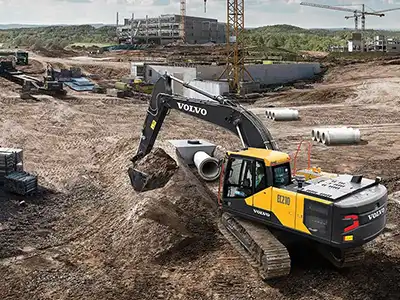
At Volvo Construction Equipment, localisation goes far beyond specifications; it’s about adapting advanced technologies to real Indian operating conditions. A strong example of this is our EC210, which is built in India with around 70% localised content and engineered for high dust, heat, varied terrains, and demanding duty cycles.While the platform draws on Volvo’s global engineering strengths, the EC210 is locally value-engineered with tuned hydraulics, rugged structures, and application-specific configurations — helping deliver strong productivity while keeping fuel efficiency and total cost of ownership competitive. Alongside this, we focus on component localisation and supplier development to ensure durability, uptime, and ease of service. The result is excavator solutions that combine Volvo’s global technology with deep local relevance — built in India, for India, and increasingly for similar emerging markets.
What design and engineering priorities guide excavator manufacturing in India?
Excavators manufactured in India are engineered for four fundamental characteristics: robust structure, fuel efficiency, serviceability, and competitive cost.Structural reinforcement is prioritized for abrasive applications. Designs are made to have optimal hydraulic system configurations that maximize both breakout force and fuel consumption. Cooling system designs are high-efficiency and can function well in extreme temperatures. Finally, service layouts are straightforwardly designed to minimize time taken to perform maintenance on any of the above qualities – thus reducing downtime for the end-user.
Developing countries expect maintenance and mechanical durability for export markets. Machines must sustain long duty cycles in remote locations with limited service access. Because of this, engineering solutions emphasize long-lasting and dependable machines instead of complicated ones.
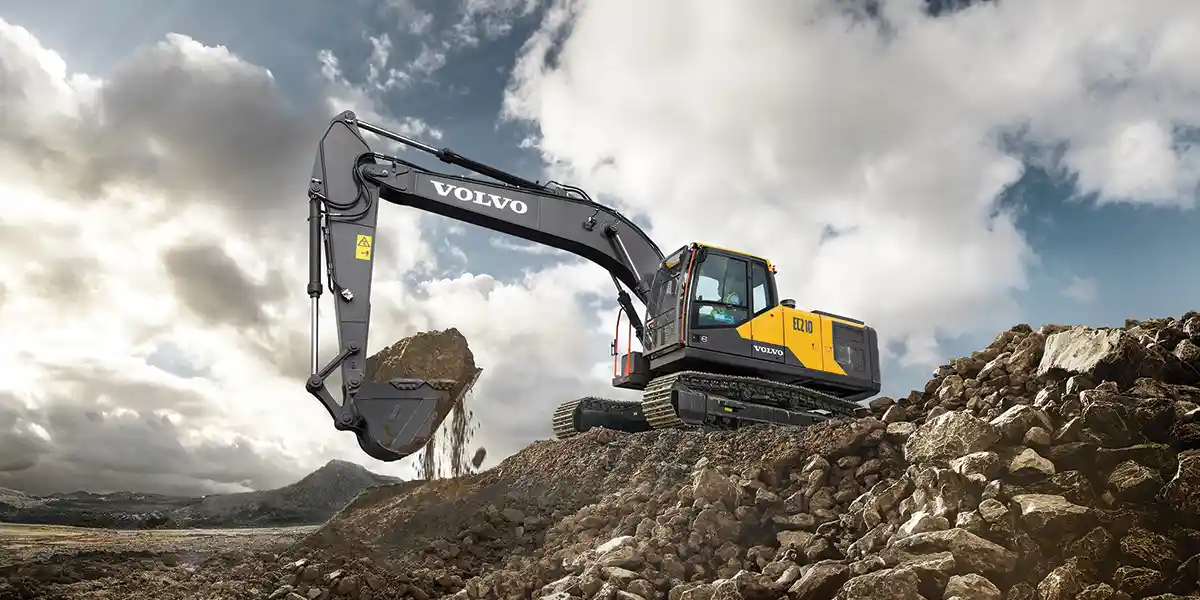
Volvo excavators are built as robust, serviceable, and efficient machines and designed to perform reliably through long duty cycles in demanding environments.
How are Indian customers responding to telematics and predictive technologies?
The rise in the use of telematics is rapidly increasing with many organised fleet operators developing projects to improve their infrastructure. These organisations use data gained from machines to track fuel consumption, schedule preventative maintenance, and analyse productivity.The level of awareness amongst the smaller contractors has increased but their use remains at a basic level as they are utilising only basic methods such as tracking locations or sending service alerts. The opportunity lies in showcasing tangible financial benefits from lower downtime and better fuel management.
Digital integration forms a core element of our product development process, yet we need to implement our product according to the maturity level of our customers. Business operations need to maintain scalable technology solutions which provide cost-effective performance across all fleet capacities.
How are automation and operator-centric innovations influencing buying decisions?
The primary benefit of semi-automating your equipment in India will be increased consistency, reduced fatigue of operators, and improved safety.Improving the hydraulic precision of equipment, stabilizing machines, improving visibility from cab, and enhancing its ergonomics will contribute to the productivity of high-cycle applications such as road building, quarrying, and urban infrastructure work. As the skill gap between operators continues to grow and time frames of projects continue to shorten, the operator assist features of equipment will become increasingly important.
The purchase decisions of customers still depend on three main factors which include fuel efficiency, uptime and lifecycle cost. Automation creates competitive advantages when it improves these fundamental business functions, but not when it introduces new operational difficulties.
Our future‑ready technologies, advancements in fuel efficiency, sustainability initiatives, and clean‑energy solutions, reinforce our leadership in India’s rapidly expanding infrastructure ecosystem.
Deepak Shetty
CEO & Managing Director, JCB India

What opportunities do you see unfolding for the excavator segment of India, and how is JCB equipped to meet the demand?
India continues to be one of the most promising growth markets in the global construction equipment industry. Significant opportunities are unfolding across infrastructure expansion, mining, irrigation, rail, road, and urban development.As demand grows across applications, JCB offers one of the widest excavator portfolios in India—ranging from compact 1.8 tonne mini excavators to the large 52‑tonne excavator class, designed and manufactured in India for domestic and global markets.
Our excavators are engineered for superior durability, fuel efficiency and productivity. Reinforced structures, efficient powertrains, improved serviceability, and longer maintenance intervals ensure higher uptime and lower operating costs. Given India’s inherently tough working conditions, our machines naturally perform exceptionally well across emerging global markets with similar operating environments.
At JCB, India’s evolution from a cost‑effective manufacturing base to a centre for advanced development, engineering excellence, and global exports reflects the opportunities emerging in the excavator segment. With all our factories operating to One Global Quality standards, every machine manufactured in India is engineered to perform anywhere in the world. These machines are built to withstand India’s arduous operating conditions, and we are proud to Make in India for the World.
With digitalization reshaping India’s construction sector, what is JCB’s technology roadmap?
JCB’s technology roadmap is focused on delivering rugged, relevant, and cost‑effective innovations tailored for India. Intelligent hydraulics, machine control, and operator‑assist features are adapted to suit Indian duty cycles and maximise customer value.All JCB machines now come with our advanced telematics platform, Livelink, which provides real‑time updates on key performance, maintenance and security parameters. This has revolutionised fleet management by helping customers optimise utilisation, reduce downtime, and make faster, data‑driven decisions.
Telematics, predictive maintenance, remote diagnostics, and AI‑enabled machine control are becoming essential tools for fleet owners. Livelink, Intelli systems, and operator‑centric innovations have transformed fleet oversight and improved on‑site productivity. These technologies also enable even semi‑skilled operators to deliver safer and more consistent performance.
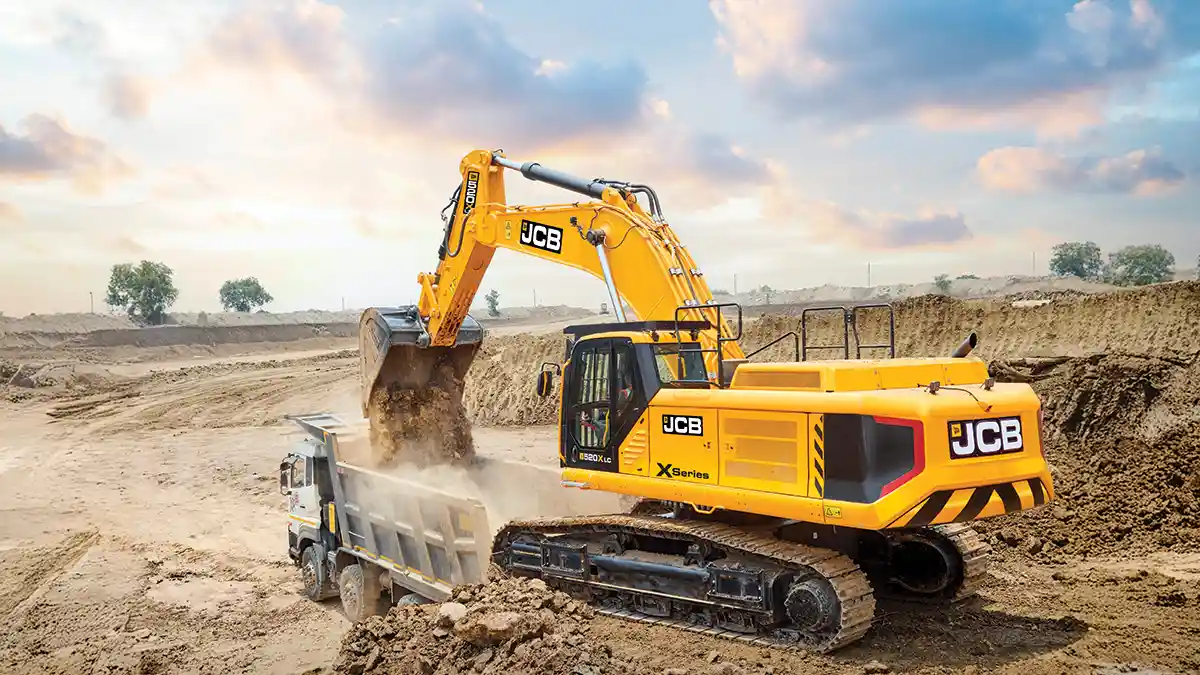
JCB excavators are engineered for superior durability, fuel efficiency and productivity. Reinforced structures, efficient powertrains, improved serviceability, and longer maintenance intervals ensure higher uptime and lower operating costs.
Please elaborate on some of JCB’s new product developments.
JCB 52-tonne excavator, introduced at EXCON 2025 in Bengaluru, represents JCB India’s largest and most advanced excavator ever manufactured domestically, designed for both Indian and global markets. The model—known as the JCB 520X LC—has an operating weight of 52.8 tonnes, a powerful 400 HP engine, and new generation hydraulics for exceptional productivity in mining, quarrying, and large-scale earthmoving applications. It supports bucket capacities of up to 3.4 cubic metres, further enhancing output for high-capacity operations. The machine embodies JCB’s customer-first engineering philosophy, delivering lower total cost of ownership, higher fuel efficiency, and enhanced uptime. Keeping operator in mind, the new product is setting benchmarks in ergonomics and keeping operator comfortable for longer hours. This new product also offers the option of availing Full Maintenance Contract for upto 30,000 hours of operation to assure cost of maintenance and repairs in arduous mining environment.Our 52-tonne excavator has reinforced JCB’s leadership in heavy-line innovations. It features next-generation telematics, the Operator App, and upcoming simulation-based training tools, enabling data-driven fleet optimisation and skill enhancement. The 52-tonne also highlights JCB’s progress in sustainability. As infrastructure growth accelerates across India, the 52-tonne excavator positions JCB strongly in the high-capacity excavation segment, reflecting India’s rising importance as a global manufacturing and innovation hub.
How is JCB leveraging regional and global product strategies in India?
JCB remains committed to supporting infra development in India by delivering world‑class, future‑ready, and customer‑centric solutions, which are manufactured and engineered for India, and exported to the world. We are very proud to be a part of the Make in India vision. JCB has committed its efforts towards design innovation and manufacturing of superior quality machines, which are designed to give superior performance, reliability, and are also fuel efficient.A large amount of our innovation has gone into keeping the operating costs of these machines lower. This means that when customers buy a JCB machine, they are assured of a strong return on investment. In addition to this, the equipment performance is also raised due to our seamless product support rendered by over 700 outlets across India, parts warehouse, and trained service engineers.
Sidharth Kapil
GM Plant & Machinery
J Infratech Limited

We look at a machine the way we look at any long-term asset: it has to work hard and it has to last.
The model matters because it reflects the manufacturer’s track record, reliability, and resale value in the market. On paper, most excavators look impressive. But what matters to us is how they behave after eight or ten hours of continuous work in dust and heat. We want steady performance, not something that feels powerful for the first few months and then starts giving trouble.Fuel average is a major deciding factor. Over time, fuel efficiency directly impacts operating margins. Even a small hourly difference adds up significantly when machines run daily. We rely on actual performance data rather than brochure specifications.
We have learnt that the cheapest machine is rarely the most economical in the long run.
After-sales support is important. A machine standing idle is worse than no machine. In the past, delays in spare parts have affected site schedules. Today, we carefully evaluate the strength of the local service network, response time, and spare parts availability before making a decision. Price matters, of course. But we have learnt that the cheapest machine is rarely the most economical in the long run.Maintenance cost is another critical consideration. Preventive service should be predictable and affordable. Unexpected repair expenses can quickly affect margins, so we assess the overall lifecycle cost before finalising a machine.
The biggest challenges in operating excavators on Indian jobsites are finding skilled operators, transporting machines, ensuring uptime, and fuel efficiency.
Finding trained operators remains one of the biggest challenges. Skilled operators are in high demand and frequently move between sites. Every machine has its own handling characteristics, so when operators change often, productivity and efficiency are affected.Shifting excavators to remote or challenging sites is another operational hurdle. Many infrastructure and mining sites are in interior regions with limited logistics support. Transporting heavy equipment safely and ensuring timely deployment can be complex and cost-intensive.
Uptime is a constant concern. Indian job sites are demanding, with dust, uneven terrain, and extended working hours. Machines are pushed hard. While OEMs have improved build quality, strict maintenance discipline is essential to prevent unexpected breakdowns.
Maintaining fuel average and controlling overall operating costs also require continuous monitoring. Idle time, inefficient operation, and inconsistent fuel management can quietly increase expenses if not tracked properly.
Safety standards have improved significantly in terms of cabin design, visibility, and stability. However, safe operations ultimately depend on responsible operators. OEM support has progressed over the years, but service consistency across regions still needs further strengthening.
Advanced features like telematics and automation are delivering value, but ultimately, an excavator is judged by its performance.
Some advanced features are genuinely useful. Telematics has significantly enhanced our ability to monitor fuel average, track idle hours, and determine the current location of each machine across multiple project sites in real time. This visibility improves utilisation planning, reduces misuse, and strengthens overall operational discipline.Another practical benefit is early visibility into maintenance-related alerts and error codes. Timely identification of potential issues allows preventive action before they escalate into major breakdowns, thereby improving uptime.
Technology should simplify operations; not complicate them.
Data alone does not solve problems. Someone has to review it and act on it. On busy sites, that does not always happen as regularly as it should. Operator-assist systems are useful, especially for less experienced operators, as they help reduce certain operational errors. That said, experienced operators still rely more on practical judgement than on digital displays.Semi-automation works effectively in structured environments, but many Indian job sites are dynamic and unpredictable. In such conditions, adaptability often matters more than automation. Hence, technology should simplify operations; not complicate them. While innovation is welcome, reliability, fuel efficiency, and prompt service support remain the true measures of value. Ultimately, an excavator is judged by consistent performance, not by the number of features it offers.
Caterpillar will continue to explore and develop products that meet customer requirements and leverage regional and global product strategies to deliver value to customers.
Gurman Reen
Director Sales, Customer Solutions Growth Division, Caterpillar

How has India’s role evolved within your global organisation, from a cost-effective manufacturing base to an innovation, R&D and export hub for excavators?
Caterpillar has been manufacturing in India for over 50 years, with multiple facilities catering to both domestic and export markets. Our presence in India includes state-of-the-art manufacturing facilities, high-tech labs, as well as numerous global support organizations, contributing towards the socio-economic development of the country through our investments in cutting-edge R&D, enabling us to localize our operations, develop robust infrastructure, and job creation to build resilient communities.Our newly redesigned medium excavator range reflects Caterpillar’s long-term commitment to the growing, strategically important Indian market. It positions the company strongly for future growth and reflects the commitment to meet our customers’ needs in India and around the world with best-in-class product solutions and services.
Caterpillar keeps upgrading its products to meet the users’ evolving needs. We work closely with our customers in the Indian excavator market and understand how we can help solve their challenges. Our newly launched excavators - Cat® 321, Cat 322, Cat 324 – are designed and manufactured for the Indian market.
With more than 4,000 engineers working in the Caterpillar Engineering and Design Centers (EDC) in India, these products have been made based on feedback from our Indian customers. Our new machines offer fuel efficiency and performance and we will continue to explore how we can better meet our customers' requirements and solve their toughest challenges.
From a mechanical standpoint, what design and engineering changes have you prioritised in excavators manufactured in India for the Indian market and to export from India to the Global South/developing countries?
Our focus is really to ensure that our product delivers value to the customers. Caterpillar products are tailored for our customers. The newly launched machines are manufactured in India for the Indian market and that will continue to grow. Our newly launched Cat® 321, Cat® 322, Cat® 324 machines are equipped with the latest upgraded version of VisionLink™, electronic engines, and electro-hydraulic controls, as well as the cabin monitors that allow customers to monitor fuel consumption on their phones and monitor the machine's health. The two Engine Control Modules in these machines enable machine monitoring, so customers can detect or prevent faults before they arise. Real-time alerts are sent to our dealers, GMMCO and Gainwell Commosales who are spread across hundreds of locations in India to serve and support our customers and respond quickly to their needs.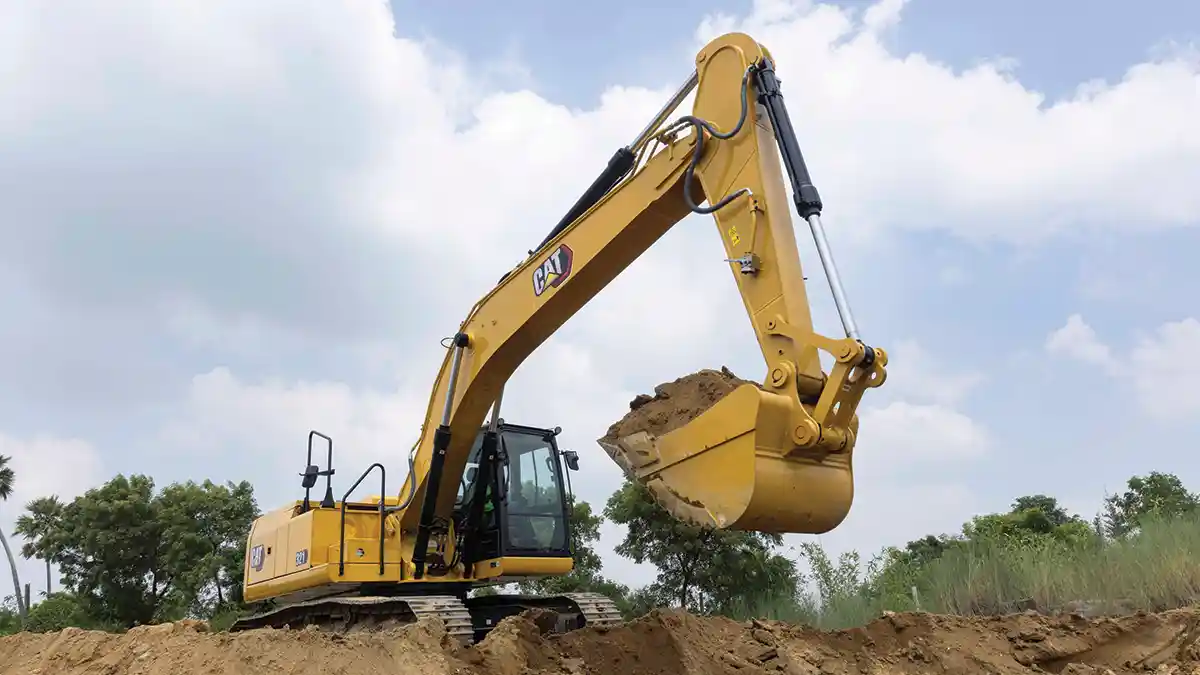
Caterpillar excavators are moving from operator-dependent performance to system-assisted precision, where automation and AI help improve accuracy, safety, and consistency across demanding infrastructure projects.
How central are digital tools like telematics, remote diagnostics, and predictive maintenance for fleet management in Caterpillar’s product developments?
Caterpillar’s technology and solutions are designed to improve the productivity, efficiency, safety, and profitability of our customers in India and globally, and when combined with the support and experience of the Cat dealer network, they help customers enhance their fleet efficiency and profitability.Cat Product Link™ along with GPS connect, helps improve traceability and visibility and enables the systems to observe, identify, and understand different facets of heavy machinery operation without human intervention. Vision Link provides timely equipment data to make informed decisions that help lower costs, boost productivity, simplify maintenance, and improve jobsite safety. Cat® Grade with Assist for excavators uses machine position sensors, operator-defined depth and slope parameters to automate boom and stick movements for more accurate cuts with less effort to help increase operator efficiency.
With more than 1.5 million connected assets capturing and reporting machine operating data, customers are now availing solutions like Cat Productivity and VisionLink to help increase uptime and efficiency. All these features represent Caterpillar’s commitment to leveraging technology and innovation to improve sustainability of products, services, and solutions for customers.
How are semi-automation, AI-enabled machine control, and operator-centric designs improving jobsite performance?
Automation helps customers address significant challenges, such as safety risks, labor shortage, and the need for a skilled workforce. Our automation solutions enable machines to operate independently or be controlled remotely — reducing risks for people, improving efficiency, and helping customers work more productively.AI is unlocking new opportunities across job sites, factories and offices, and Caterpillar has collaborated with NVIDIA to accelerate the progress. Our latest AI innovations include: In-cab intelligence: Real-time coaching, personalized insights, and safety alerts. Autonomy at scale: AI-powered recommendations that process billions of data points to navigate complex jobsites. The company is using NVIDIA Omniverse and OpenUSD to create digital twins of its factories, allowing them to simulate, optimize, and streamline production processes, benefiting customers worldwide.
Kobelco has recently initiated its first step towards building local R&D capabilities. Product development will now also be carried out in India, with technical support from Japan.
Moses Eddy
Director, Kobelco Construction Equipment India

How is India evolving into an engineering, R&D, manufacturing, and export hub for excavators within your global operations?
There is a huge opportunity for India to emerge as a global manufacturing hub for construction equipment including excavators, much like the automobile sector, which has established itself globally and earned the trust of international brands. However, in the construction equipment segment, the potential still remains untapped.A big shift is required in indigenization of incubation, innovation, and R&D, alongside manufacturing, to enable faster decision-making and product development aligned with Indian jobsite conditions. When R&D and innovation are located outside India and only manufacturing is done locally, it leads to delays in the overall process.
R&D is more cost-effective in India –– the reason why many companies have established their global R&D centres in India. In fact, several industries are now looking at India not just as a manufacturing hub, but also as a technology and innovation hub. This shift is clearly underway and is expected to strengthen further.
What are the benefits of localization at Kobelco?
The key focus at Kobelco is on localization. While the quality standards are defined by the principal company, localization helps reduce the impact of foreign exchange fluctuations, high manufacturing costs in Japan compared to India, and overall production expenses. Using the same steel and specifications manufactured in India results in significant cost advantages due to lower manpower, manufacturing, logistics, and forex-related costs. Hence, our approach is ‘global standardization with localization’.How do you ensure optimal value to customers without compromising on performance?
From a technology perspective, applications are clearly segmented. There are initial cost-sensitive applications, as well as areas where recurring costs—such as cost per hour of ownership and operation—are more critical. Kobelco has clearly differentiated these models.One segment focuses on higher investments in technology, quality, and durability, while the other ensures optimal value without compromising essential performance. This two-pronged approach addresses customer needs across infrastructure and construction equipment segments, while in the mining segment, solutions are designed to exceed customer expectations with a more futuristic outlook.
In fact, cost control is achieved through localization. For the first time, Kobelco in certain products is using engines sourced from India –– increasing the level of indigenization to over 70 percent. This is a significant milestone and enables customers to access highly competitive products.
How does operator training support proper machine usage and influence your sales?
Excavators are built for intensive and even extreme-duty applications such as mining. However, misuse at jobsites remain a concern in India, often leading to high operating costs. Typically, 20–30% of customers account for machine abuse, depending on the equipment category and jobsite conditions. The most critical factor in preventing this is the operator.Kobelco identifies operators who may be at higher risk of machine misuse—due to skill gaps or ownership pressure—and trains them through internal programmes as well as initiatives under ICEMA’s Infrastructure Equipment Skill Council (IESC). Certified operators are then validated to ensure they are competent to handle the equipment responsibly.
This structured training approach has strengthened accountability and built stronger loyalty towards Kobelco machines. Trained operators not only help reduce misuse and improve machine longevity but also play a key role in influencing new machine sales. While jobsite conditions may not always be controllable, educating and empowering operators forms the backbone of our aftermarket strategy and long-term customer engagement.
What is being looked at globally now is the productivity of both people and machines. So how can productivity be improved?
Productivity improves by reducing the turnaround time of machines and also by increasing machine availability, which in turn increases the productivity of both people and machines. To make this happen, telematics, technology, and remote solutions are critical.An App launched by Kobelco called K-Assist gives a complete assessment of the machine. Operators can be guided online on what needs to be changed or which aspects need attention so that the machine can resume operations quickly. Features like remote service, remote education, and remote repair of machines are already available in our machines.
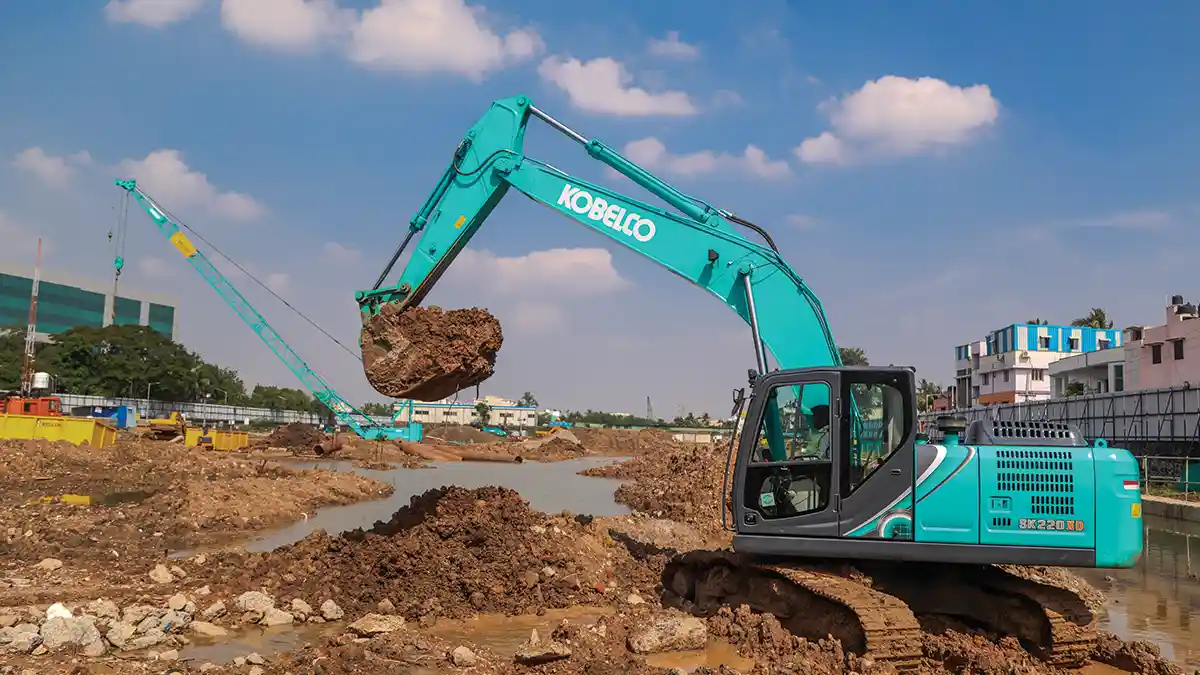
Kobelco excavators are supported by telematics, remote diagnostics, and structured operator training that help minimise downtime while improving efficiency and lifecycle performance.
How can AI and Machine Learning be adopted more widely in India?
What can be offered in India depends on what customers can pay for. If solutions become affordable, they will be explored more seriously. Predictive maintenance, for example, can use AI tools to better understand the condition of hydraulic oil and assess whether there is a possibility of pump failure in the future. These are excellent tools for improving and managing machine availability.But AI-based predictive maintenance, where alerts are generated automatically in the form of pop-ups and notifications, are still at the discussion stage. However, for large machines, hydraulic oil sampling and predictive maintenance have been in place for many years, albeit though a semi-automatic system.
What steps is the company taking to curb carbon emissions in excavators?
In the 20-ton segment, we are already deploying a Tier- 3 emission-compliant CRDI engine, while many manufacturers continue to use conventional six-cylinder engines. We believe there are two strategic approaches: either remain with existing technology and focus purely on localization, as several players are doing, or move a step ahead by adopting more advanced technology despite higher initial cost implications.At Kobelco, we have chosen the latter path. By investing in advanced engine technology, we aim to reduce carbon emissions, lower the overall carbon footprint, and position ourselves as future-ready. This proactive approach ensures a smoother transition to upcoming emission norms.
When the shift to Tier - 5 emission standards takes place, many manufacturers will be required to make significant technological upgrades. In contrast, Kobelco will only need to make incremental adjustments by localizing a similar advanced engine platform, thereby further improving competitiveness while maintaining environmental compliance.
Neelu Jain
Director
SNN Raj Corp

Consistency in performance matters more than peak performance.
We look at a machine in terms of how it performs over time, not just on day one. Output is important, but only if it remains steady across different site conditions. In reality, that consistency matters more than peak performance.Fuel usage has become a key consideration because it directly affects operating cost every day. Along with that, we pay attention to how easy it is to maintain, how quickly support is available, and what kind of value the machine holds later. Over time, the approach has become more cautious. The focus is on whether the machine will remain reliable through its working life.
A lot of the challenges are around execution.
Skilled operators are still not easy to find, and that reflects in both productivity and safe usage of the equipment. Downtime is another issue. It is not only about breakdowns, but how long it takes to get the machine back to work. Delays in service or parts can slow down the entire site, especially in locations that are not well connected. There are also cases where machines are available but work is delayed. When equipment is not utilised fully, it becomes difficult to manage costs.Automation works better in controlled conditions, but on most sites, changing environments make it harder to see steady benefits.
Some technologies are helping: telematics gives visibility on usage and basic machine condition, which is useful for planning and monitoring. Operator support features also help in bringing some consistency, especially when experience levels differ. At the same time, these systems are not always easy to adapt to, and training is not consistent everywhere. More advanced automation is still at a stage where results vary. It works better in controlled conditions, but on most sites, changing environments make it harder to see steady benefits.Some improvements we would like to see from excavator manufacturers…
Looking ahead, the expectation is for machines that can handle continuous use in tough conditions without frequent interruptions. Fuel efficiency will remain important.Technology needs to be simpler so that it can be used easily on site. If it is not intuitive, it tends to be underutilised.
Service support is another area that makes a clear difference. Faster response and better availability of parts can reduce downtime significantly.
There is also a need for stronger operator training, since machine performance depends heavily on how it is handled.
Kasim Dantreliya
DGM – Projects
B L Kashyap & Sons

Productivity assurance, total cost of ownership, and service support influence our purchase decisions.
From an end-user perspective in construction project execution, the decision to procure a new excavator today is primarily driven by productivity, total cost of ownership (TCO), and service support. Productivity is critical because project timelines are increasingly compressed, and higher output per hour directly impacts overall project efficiency. However, productivity alone is not sufficient—TCO plays a major role, as contractors are now more focused on lifecycle costs, including fuel consumption, maintenance, and resale value. Equally important is strong service support, as equipment downtime can severely disrupt project schedules and increase indirect costs.Skilled operators, a strong dealer network, AMC contracts, and parts availability are important considerations.
On Indian jobsites, some of the key challenges include skilled operator availability, machine uptime, and rising maintenance costs. While modern machines are technologically advanced, the lack of adequately trained operators often leads to suboptimal utilization and higher wear and tear. Uptime is another major concern, especially in remote project locations where quick access to spare parts and service teams is limited. OEMs have made progress by strengthening dealer networks, offering AMC contracts, and improving parts availability, but there is still scope for faster response times and better on-ground support.Telematics and operator-assist systems deliver tangible value.
Advanced features such as telematics and operator-assist systems are beginning to deliver tangible value. Telematics helps in tracking fuel consumption, idle time, and preventive maintenance, enabling better fleet management and cost control. Operator-assist features improve precision and reduce dependency on highly skilled operators to some extent. However, the gap lies in practical usability and awareness. Many site teams are either not fully trained or do not actively use these features to their full potential. Semi-automation is promising, but its adoption is still limited due to cost sensitivity and the need for skilled handling.Overall, while OEMs are moving in the right direction with innovation and support, greater focus on operator training, and real-time service responsiveness, the adoption of user-friendly technologies will further enhance value for end-users on Indian construction sites.
Investing in domestic sourcing and supplier development strengthens local manufacturing, builds a resilient supply chain, and reduces reliance on imports especially in the face of global uncertainties.
Anand Dulariya
Head - Brand Dealer Development & Export
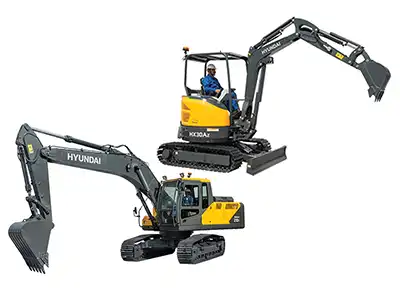
HD Hyundai Construction Equipment India

What is driving HD Hyundai Construction Equipment India’s growth as a leading exporter of Hyundai excavators?
India's role in HD Hyundai Construction Equipment's global organization has evolved from a low-cost manufacturing base to a strategic hub for innovation, R&D, and excavator exports, guided by the “Advantage India” philosophy.HD Hyundai Construction Equipment India is now the country's leading exporter of crawler excavators, shipping over 1,000 units annually to more than 35 countries across SAARC, the Middle East, Southeast Asia, Latin America, and beyond. This success is supported by product customization for regional needs and the logistical advantages offered by India.
The Pune R&D center, established in 2019, focuses on durability-specific designs suited for local, harsh, and diverse operating environments. It supports global product development by working closely with R&D hubs in Korea and China, complementing HD Hyundai's Global R&D Center by centralizing subsidiary capabilities and driving innovations that feed into worldwide product development.
What improvisations in the design and engineering of HD Hyundai machines are making them more durable and efficient while keeping costs competitive?
From a mechanical standpoint, reinforced undercarriages and high-tensile steel frames have been prioritized to handle extreme site conditions like mining and quarrying in India and other Global South regions. This helps extend machine life and reduce downtime. Also, features such as cabin top and front guards, anti-slip pads, and tank safety covers improve operator safety during long hours of operation. These design and engineering improvements make the machines strong, durable, and efficient while keeping them competitively priced for domestic and export markets.What shift are you observing to digital tools and technologies in Indian customers?
Digital tools like telematics, remote diagnostics, and predictive maintenance are gaining strong traction among Indian customers. There is a clear shift from the traditional mindset of “repair when it fails” to “predict and prevent.” In a fast-paced world, maintenance used to be mostly reactive, with machines serviced only after breakdowns. Today, customers are taking a more proactive approach to managing fleet health and uptime.Remote diagnostics are especially valuable in India’s varied and challenging operating conditions. They allow faults to be identified quickly, service engineers to be deployed more efficiently, and technical support to be provided virtually, reducing downtime and keeping machines running smoothly.
Customers are now using HD’s HI Track RMS platform and sensor-based machine intelligence to monitor machine health, track usage patterns, and anticipate potential issues. This is particularly common among retail customers and owners of machines older than five years, where nearly 20% are already connected and using these digital tools for lifecycle management.
At HD Hyundai, digitalization is central to our strategic roadmap and guides how we design, monitor, and optimize our machines. We are expanding sensor intelligence and strengthening remote diagnostics and predictive analytics while improving multilingual accessibility across platforms. Digitalization now underpins productivity, transparency, and long-term value. It enables fully connected machine ecosystems that provide customers with actionable insights in real time.
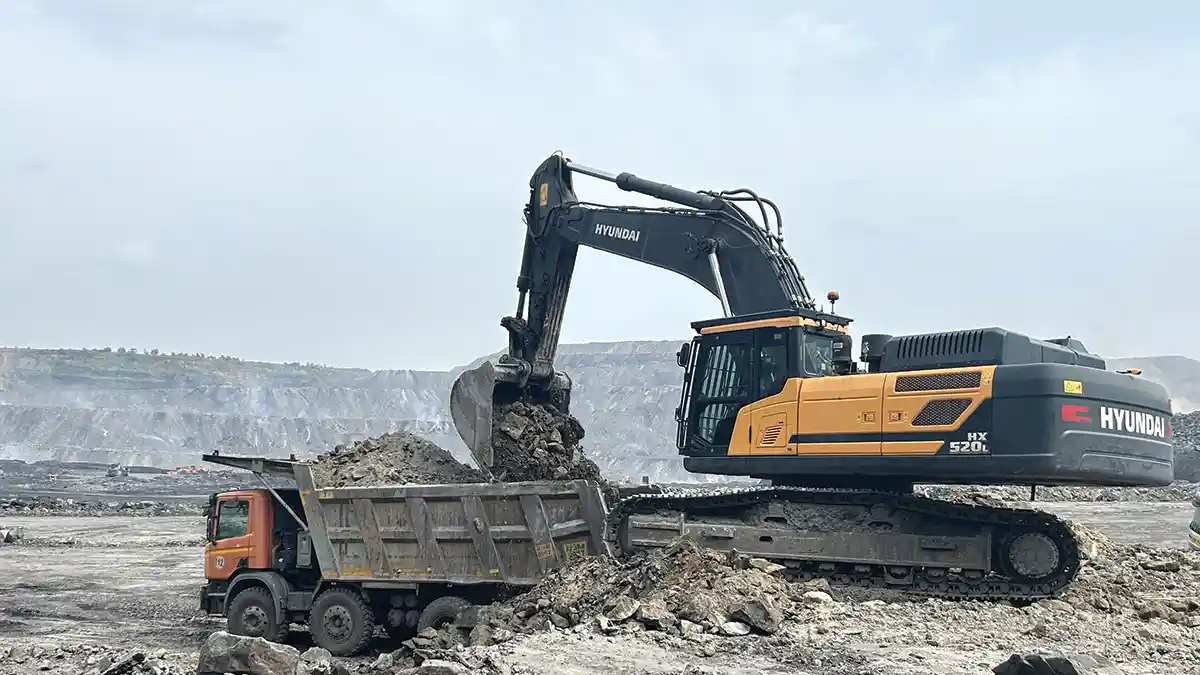
HD Hyundai excavators come with reinforced undercarriages and high-tensile steel for mining and quarrying site conditions, while cabin top, front guards, anti-slip pads improve operator safety.
What major steps has the company taken to expand domestic sourcing and strengthen its footprint worldwide?
Under the ‘Make in India’ framework, our India manufacturing strategy has evolved significantly, with a strong focus on localisation, supplier capability development, and export orientation. We have consistently increased procurement from local vendors, including MSMEs, and developed competitive Indian sources for critical components such as hydraulic cylinders, casting parts, electrical wiring harnesses, engine assemblies and parts, and undercarriage or track components. In several categories, these sources are now competitive with East Asian suppliers.Importantly, we have also created opportunities for our domestic vendors and business partners to export their products to the global HD Hyundai network. To accelerate localisation, we support smaller business partners with investments in fixtures, tooling, testing, and validation facilities, enabling them to meet global quality standards.
Our localisation drive aims to further accelerate by 2028, aligned with our capacity expansion plans. With deeper localisation, we expect procurement volumes to increase by 15–20% by 2028–29.
As regards development of our supplier ecosystem, we are aware that building a strong vendor base in construction equipment is challenging and requires long-term commitment from the raw material stage to finished components. Today, we work with over 150 direct suppliers and more than 350 indirect suppliers across India.
We are actively onboarding Tier-1, Tier-2, and Tier-3 suppliers, facilitating vendor financing programs in partnership with banks, supporting raw material aggregation, enabling ERP integration, and driving capability development in quality, compliance, and lean practices. We have also encouraged supplier parks near our manufacturing facilities and supported local SMEs and start-ups to integrate into our value chain.
The outcomes are clear: stronger supply chain resilience, reduced import dependency, faster response to market demand, shorter delivery lead times, improved price competitiveness, and lower vulnerability to global disruptions such as pandemics. At the same time, this strategy contributes to employment generation, local R&D growth, and broader economic development.
The ‘Make in India’ initiative positions India as a globally competitive manufacturing hub, capable of supporting export-led growth and self-sustaining industrial capabilities.
Our manufacturing strategy in India combines localisation, building supplier capability, and a focus on export, which has strengthened the company’s ability to provide high quality, cost-effective, and globally competitive machines.
Puneet Vidyarthi
Head - Brand Marketing
CASE Construction Equipment – APAC & India

How has India’s role evolved within your global organization, from a cost-effective manufacturing base to an innovation, R&D and export hub for excavators?
With India expanding its infrastructure network across highways, rail corridors, mining zones, and urban projects, the expectations from construction equipment have increased. Machines today must meet emission norms, deliver fuel efficiency, and operate reliably in varied and demanding conditions. As this shift has taken place, India’s role within our global organisation has also evolved. What began as a cost-focused manufacturing setup at Pithampur has steadily developed into a center that supports engineering, compliance, and export requirements, moving toward becoming an innovation hub.Operations in India now contribute actively to R&D aligned with CEV Stage V standards and local job site realities such as heat, dust, and long working hours. Indian teams are increasingly involved in product adaptation and platform-level improvements for select excavator models like the CX220C LC. With over 90% localization and exports to over 105 countries, the facility supports both domestic growth and global supply. This marks a clear shift from manufacturing support to strategic product and export leadership.
Advanced excavator technologies, such as intelligent hydraulics, machine control systems, and operator-assist features, are gaining traction globally. How are you localising or offering these innovations for India’s operating conditions and making them cost effective too?
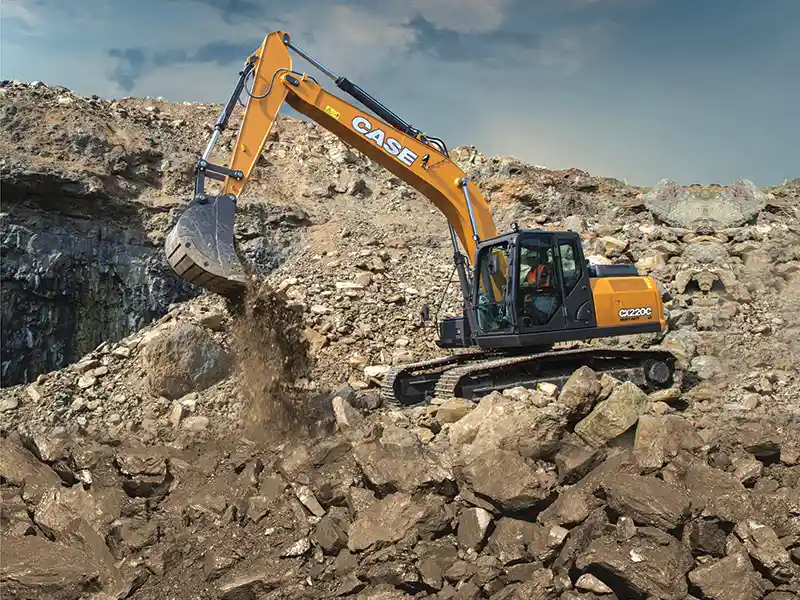
CASE India focuses on optimising core hydraulic performance while keeping systems practical and affordable. The CASE Intelligent Hydraulic System matches pump flow with engine demand to deliver faster response and up to 8% better fuel efficiency. Hydraulic settings are tuned for quarry loading, trenching and heavy earthmoving. Operator-assist features are introduced in a modular way, allowing buyers to select based on application and budget. Simplified layouts and reduced component count help control maintenance costs and improve uptime, ensuring strong performance with lower total cost of ownership.
What design and engineering changes have you prioritised in excavators manufactured in India for the Indian market and for export to the global south/developing countries keeping in mind competitive pricing, harsh site conditions, fuel efficiency, and long operating hours?
Large infrastructure and mining projects across highways, urban roads, and construction sites demand machines that can work long hours in heat, dust, and mixed soil conditions. Hence, our excavators manufactured in India are designed and engineered to suit the Indian market and for the Global South countries, while balancing competitive pricing, fuel efficiency, and durability.In the high-demand 20–22-ton segment, models such as the CX220C feature reinforced booms and arms, heavy-duty undercarriages, and durable track designs suited for stone and heavy material operations. A 5.7 m boom, multiple arm options, and bucket capacities from 0.94 to 1.2 cu.m improve reach and adaptability across sites.
Fuel efficiency is supported by the CASE Intelligent Hydraulic System, auto-idle, and ECO & Power modes. FPT engines delivering 117 kW and 622 Nm torque meet CEV Stage V norms while maintaining steady output during long shifts. Improved cooling systems and strengthened filtration protect performance in dust-heavy environments, ensuring reliable uptime across demanding markets.
CASE excavators with their advanced technology features, deliver fuel efficiency, faster cycle times, and reliable performance under heat, dust, uneven terrain, and extended working hours.
How are Indian customers responding to digital tools like telematics, remote diagnostics, and predictive maintenance, and how central are they to your future product developments?
Automation and telematics have become essential tools for reducing fuel costs, preventing breakdowns, and ensuring efficient machine use across job sites. These technologies are particularly valuable in India, where tight project timelines and limited availability of skilled operators present daily challenges. From real-time monitoring to data-driven planning, they help contractors make better decisions and get more done with fewer resources. Indian customers are gradually adopting these solutions, especially on large road, quarry, and urban infrastructure projects.Our excavators are designed to meet these exact needs. The myCASEConstruction Telematics provides real-time insights on fuel usage, engine health, and machine location, allowing owners to manage fleets efficiently. Alerts for fuel, maintenance, and geo-tracking reduce downtime and running costs. Combined with the Intelligent Hydraulic System, machines deliver precise control and better fuel efficiency. This approach helps customers stay productive in India’s cost-sensitive construction environment.
How has the company’s manufacturing in India evolved in terms of localisation of components, supplier capability development, and export orientation under the ‘Make in India’ framework?
India is becoming a key hub for construction equipment manufacturing. CASE India, has positioned its Pithampur plant (the second largest globally) as a center for deep localisation, supplier development, and exports. Over 90% of components are now sourced within India. Suppliers are trained to meet global quality standards. Close coordination with local partners helps reduce lead times and ensures consistent quality. BS CEV-V compliance supports efficient and environmentally responsible production while maintaining international competitiveness. These efforts make manufacturing more cost effective and help deliver machines that meet the demands of both domestic and international markets.Export orientation has become a central part of the strategy under the 'Make in India' framework. The Pithampur plant supplies compactors, backhoes, and excavators to meet 80% of APAC demand. Overall, exports currently account for 40% of production. By combining localisation, supplier capability development, and export focus, the approach strengthens India’s manufacturing ecosystem and provides high quality, cost effective, and globally competitive machines for customers.
Sanjay Pendharkar
co-Founder and Chief Consultant
Whetstone Group

Top Three Factors Influencing Excavator Purchase Decisions
In the 8T–30T excavator segment (≈85% of total sales), buying priorities differ by customer type but show clear commonalities. For small hirers (1–2 machines, 35–50%), the top factor is Total Cost of Ownership (TCO)—driven by EMI affordability, resale value, and spare parts cost—since high fuel and maintenance expenses can quickly erode margins. Fuel efficiency is the second priority, as diesel is the largest operating cost and savings directly improve profitability. Third is service support, where dealer proximity, quick turnaround, and access to mechanics are critical.For mid-level contractors (5–25 machines, 20–35%), productivity and uptime rank first, as cycle time, bucket capacity, and breakdowns directly impact project timelines and revenues. Fuel efficiency remains second, with even small gains delivering significant fleet-level savings. Service support and dealer network strength come third, while technology adoption remains selective.
Among corporate/fleet customers (10–15%), the top priority is TCO combined with technology integration, with lifecycle cost evaluated across fleets and machines expected to integrate with ERP and fleet systems. Second is service support and parts availability, given the high cost of downtime at scale. Third is productivity and advanced technology, including telematics and operator-assist systems for data-driven performance.
Overall, TCO and fuel efficiency dominate across segments. Fuel efficiency is consistently the second priority for small and mid-buyers, while corporate players prioritize service networks due to the higher impact of fleet-wide downtime, with technology gaining importance at scale.
Biggest Challenges in Operating Excavators on Indian Jobsites
The Indian construction jobsite presents a distinctive set of challenges. These include:Operator Availability & Skill Gap: Trained excavator operators remain in chronic short supply, particularly in Tier 2 & 3 cities. High operator attrition often disrupts schedules mid-project. Crucially, most available operators are trained on older machines and struggle with electronic systems and work mode selections on newer models, leading to sub-optimal utilisation and avoidable wear. OEMs have responded with training initiatives, but the scale of these efforts still falls well short of industry demand.
Fuel Efficiency & Diesel Quality: Adulterated diesel, particularly at remote project sites, causes hydraulic and engine damage that nullifies the manufacturer's fuel efficiency claims. Even with newer CEV Stage IV/V-compliant engines, real-world fuel consumption on Indian sites frequently deviates from brochure figures due to hard rock conditions, high idle times, and incorrect work mode usage by operators.
Maintenance Costs & Spare Parts Access: For machines operating at remote highway, mining or irrigation project sites, genuine spare parts availability is a persistent problem. Spurious hydraulic components and filters are widely available in the aftermarket. OEMs have improved dealer networks, but last-mile parts logistics in states such as Chhattisgarh, Odisha, and the North-East remain inadequate.
Uptime & Unplanned Downtime: Equipment utilisation on Indian infrastructure projects averages 55–60%, well below the global optimal of 75–80%. This is partly due to land acquisition delays and partly due to unplanned breakdowns and dealer service response times outside metro zones remain slow.
Safety on Jobsites: Indian construction sites have minimal enforcement of equipment safety protocols. Proximity warning systems, swing alarms, and compliance are fitments that buyers rarely demand and which OEMs rarely standardise in the base variant. Safety features are treated as premium add-ons rather than baseline requirements, increasing accident risk, particularly on congested urban sites.
Financing & Cash Flow Constraints: A significant but underreported challenge, particularly for small hirers and mid-level contractors, is delayed payments from principal contractors and government agencies. This creates severe cash flow stress, making timely EMI servicing and preventive maintenance difficult. OEMs and their NBFC partners have begun offering structured repayment products tied to project milestones, but penetration remains limited.
What Is Actually Delivering Value
Telematics is the standout technology with genuine, demonstrable ROI in the Indian context. Features such as real-time location tracking, fuel consumption monitoring, idle time alerts, geofencing and predictive maintenance notifications are actively used by mid-level and corporate fleet owners. Platforms like Tata Hitachi's HICAP, JCB LiveLink, and Komatsu's KOMTRAX help fleet managers reduce idle time and plan preventive maintenance, both with a direct, measurable impact on TCO. Auto-idle and power mode management deliver consistent fuel savings across all operator skill levels and have been widely accepted on Indian sites.The government's 'Make in India' programme has certainly motivated the CE industry to focus on localization and indigenize technologies in the last several years.
Siddharth Chaturvedi
General Manager – Marketing
Tata Hitachi

How has India’s role evolved within your global organisation from a cost-effective manufacturing base to an innovation, R&D and export hub for excavators?
India has evolved from being primarily a cost-competitive manufacturing base to becoming a strategic hub for engineering, innovation, and exports within our global ecosystem. Today, Indian operations play a critical role in product development, localisation engineering, and validation for emerging markets.With strong in-house R&D capabilities, close collaboration with our parent company HCM (Japan), and a deep understanding of customer applications, Tata Hitachi now contributes to design optimisation, value engineering, and platform development.
India has also emerged as a key export base for excavators to developing economies, leveraging scale, quality, and cost efficiency, enabling customers in overseas market access high quality equipment suited for their application at competitive prices through the HCM network.
How are you applying advanced excavator technologies and innovations to Indian operating conditions?
While global technologies such as intelligent hydraulics, machine control, and operator-assist systems are becoming mainstream, local relevance is critical. In India, our focus is on selective localisation and modular adoption of these technologies.We tailor features to Indian operating realities, variable site conditions, fuel quality, climatic extremes, and varied operator skill levels, while ensuring affordability.
Our Telematics-enabled diagnostics (ConSite and InSite), machine health tracking, and data-driven service insights now form the backbone of our approach. Through connected solutions, remote monitoring, preventive maintenance alerts, and integrated parts and service platforms, we ensure maximum uptime and productivity. New customer portals, service recommendations, and field support digitisation are improving responsiveness and predictability, helping us deliver not just service, but also assurance.
What design and engineering changes have you prioritised for India and your export markets?
Mechanically, Tata Hitachi machines are engineered with a strong focus on durability, fuel efficiency, ease of maintenance, and long operating hours. Key priorities include reinforced structures and undercarriage components for harsh and abrasive site conditions; optimised hydraulic systems to balance performance with fuel efficiency; simplified and robust designs to reduce downtime and service complexity; and components validated for high ambient temperatures and dust-heavy environments.These have evolved over time, and our R&D team have incorporated these improvements to deliver right equipment at the right quantity to our customers. Also, these principles apply not only to India but also to our export markets.
How are digital tools like telematics and predictive maintenance being received by Indian customers?
Indian customers are increasingly recognising the value of digital tools, especially larger fleet owners and institutional customers. Telematics, remote diagnostics, and predictive maintenance are helping them improve machine uptime, fuel efficiency, and lifecycle management.Adoption is still evolving, but these technologies are becoming central to our future product roadmap. Our approach at Tata Hitachi is to make digital solutions simple, actionable, and cost-effective, focusing on real operational benefits rather than data complexity. We offer cutting-edge telematics solutions ConSite and InSite, and the eDost digital platform designed for real-time connect with customers and other relevant stakeholders for all their needs. ConSite in our ZAXIS series of Excavators, alerts the customers whenever a critical issue arises in the machine, for timely interaction to reduce / eliminate downtime of the machine.
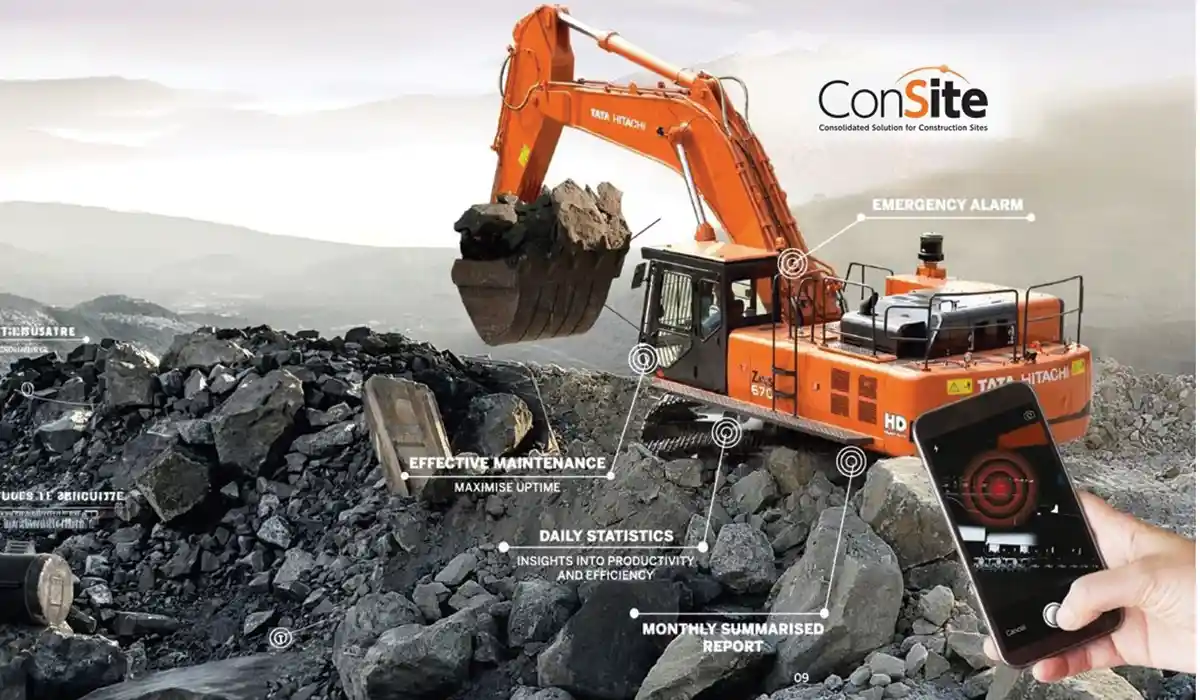
By engineering excavators in India for global performance, Tata Hitachi is focusing not only on advanced technology, but on delivering practical value through higher uptime, fuel efficiency, and simplified maintenance.
How has your India manufacturing strategy evolved under the ‘Make in India’ framework?
‘Make in India’ is an important initiative by the government to enhance domestic industry capacity and skills to produce high quality products both for the domestic and export markets. This initiative helps in the expansion and growth of the manufacturing sector too and is therefore essential to enhance employment and maintain an appropriate trade balance.Construction Equipment (CE) manufacturing in India has come a long way from being largely imported (in the early to late nineties) to a large part being manufactured locally to cater to the evolving customer requirements and tough local operating conditions.
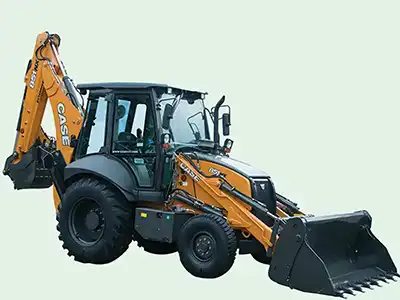
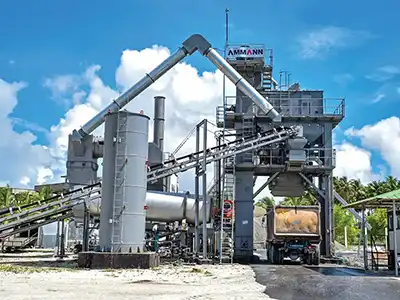
From Backhoe Loaders to Mobile Cranes and Excavators, 'Make in India' now caters to most of the CE market comprising Compacting Equipment, Drills, Crushers, Concrete Equipment, Batching Plants, Pavers, Graders, Mining Dumpers, and Crawler Cranes, among others. The initiative has further been supported by the sustained growth of Indian Infrastructure investment over the last decade leading to increasing volumes.
Increased cost efficiencies have been achieved through modern, technologically advanced design and manufacturing processes; to the extent that most of the Indian Construction Equipment are today competitive in the international market where they are specifically required.
Several OEMs, including Tata Hitachi, manufacture and export a wide variety of Construction Equipment to global markets ranging from the Middle East, Africa, South East Asia, and as far as Europe, Latin America, and North America.
The industry association, Indian Construction Equipment Manufacturers Association (ICEMA), is also closely working with the government to encourage increased investment in manufacturing. The idea is to further enhance global competitiveness by increasing localization of critical components to the benefit of the country’s economy from exports, as well as to enhance employment opportunities.
It is worth mentioning here that we, at Tata Hitachi, have been at the forefront of this journey of Aatmanirbharta for over six decades of our incorporation. We were the first to bring hydraulic excavator technology into India through our collaboration with our principal, Hitachi Construction Machinery, Japan, and in partnership with them have constantly sought to bring in advanced high-end technology into India, and at the same time foster high levels of indigenisation of the same.
Reliability, affordability, and ease of maintenance in Sany India machines is making India an ideal engineering reference point.
Shashank Pandey
Senior VP & Excavator Business Head
SANY India & South Asia

How has India’s role evolved within your global organisation from a cost-effective manufacturing base to an innovation, R&D, and export hub for excavators?
India’s role has evolved significantly from being primarily a cost-efficient manufacturing destination to becoming a strategic pillar in our global value chain. Today, India is not only a key production base but also an emerging hub for engineering, product development, and innovation tailored for diverse markets.Our investments in R&D infrastructure, testing facilities, and engineering talent have enabled India to contribute to product design, application engineering, and technology adaptation. India now plays a critical role in exports, particularly to developing and high-growth markets, reinforcing its position as a manufacturing and technology hub rather than just a production centre.
How is SANY adapting advanced excavator technologies to Indian operating conditions and cost expectations?
While global technologies such as intelligent hydraulics, machine control systems, and operator-assist features are transformative, localisation is essential for India. Indian customers operate under distinct constraints — cost pressures, variable site conditions, and diverse operator skill levels.We focus on value-driven innovation, ensuring that technologies deliver measurable productivity, fuel efficiency, and reliability benefits. Features are prioritised based on practical impact — for example, optimised hydraulic control for fuel savings, simplified operator-assist functions, and ruggedised electronic systems for challenging environments.
Rather than transferring technology blindly, we adapt and scale innovations to align with Indian operating realities and lifecycle cost expectations.
What design and engineering changes have been incorporated by the company in the excavators manufactured in India?
Design priorities for India and similar markets centre on durability, efficiency, and cost competitiveness. Machines are designed for harsh terrains, abrasive materials, and demanding duty cycles. Hydraulic synchronization, engine tuning, and control logic are refined for extended operating hours. Designs emphasise easier maintenance, reduced downtime, lower ownership costs, extended oil and service intervals. Cooling systems and filtration solutions are enhanced for high-temperature and dusty environments.How are Indian customers adapting to digital tools like telematics and predictive maintenance?
Indian customers are increasingly embracing digital technologies, particularly large fleet owners and infrastructure contractors. The conversation has shifted from curiosity to tangible benefits such as uptime optimisation, fuel monitoring, and preventive maintenance planning.Telematics and remote diagnostics are becoming integral rather than optional. Customers recognise that digital tools directly impact machine utilisation, cost control, and operational transparency.
In fact, digitalisation is a central pillar of our strategy. Our new machines will be progressively more connected, intelligent, and analytics-driven, enabling predictive maintenance, performance optimisation, and enhanced asset management.
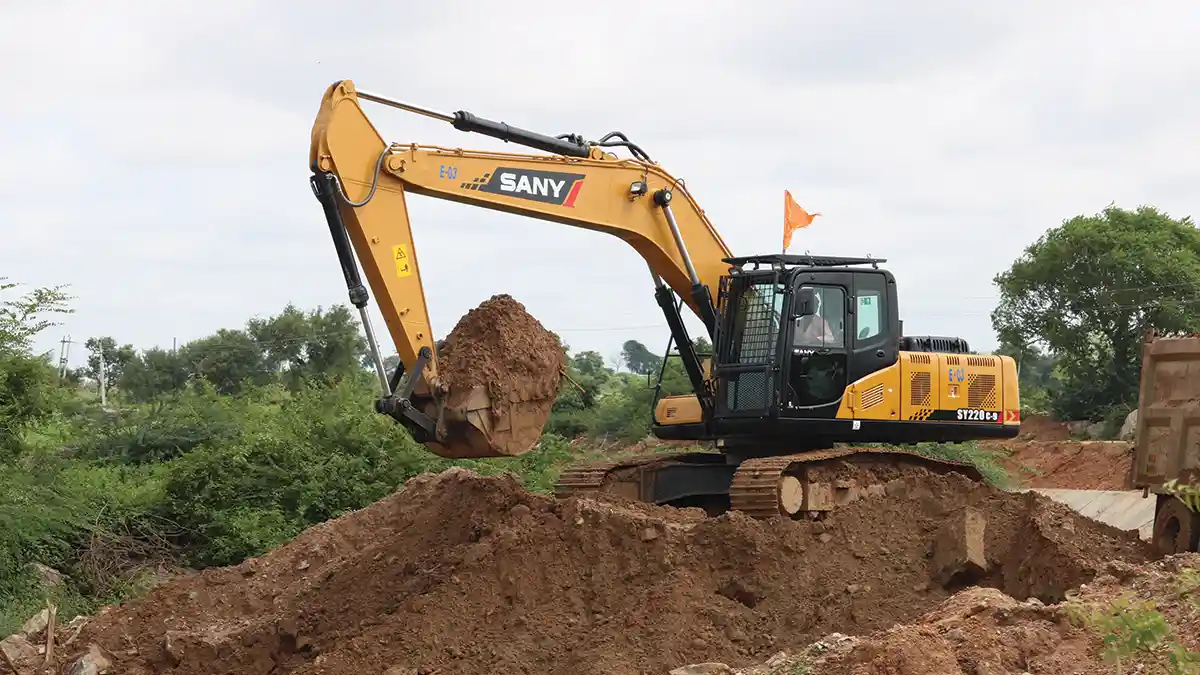
By adapting global technology to Indian realities, SANY excavators deliver higher productivity, lower ownership cost, and dependable performance in the toughest jobsite conditions.
How are semi-automation, AI-enabled controls, and operator-centric innovations improving jobsite performance and operator well-being?
Semi-automation and operator-assist technologies are addressing three critical industry challenges: skill gaps, safety, and productivity.These innovations help reduce operator fatigue through assisted functions; improve precision and efficiency; minimise human error; and enhance safety in congested jobsites.
Operator-centric design, better ergonomics, visibility, intuitive interfaces, directly influences productivity and retention. Customers are now viewing these features not as luxury add-ons but as productivity enablers, so much so that buying decisions today are being influenced by lifecycle efficiency, operator comfort, and technology-driven performance improvements.
How has your India manufacturing strategy evolved under the ‘Make in India’ framework?
Our India manufacturing strategy has moved decisively toward deeper localisation, supplier ecosystem development, and export orientation. Through component localisation, we are reducing dependency on imports while ensuring quality and performance. By building supplier capability and partnering with Indian vendors, we are enhancing technology, processes, and scale.Through cost and value engineering, we are leveraging India’s strengths in frugal engineering and manufacturing efficiency. Our export growth is positioning India as a global manufacturing hub for selected product lines. Hence, ‘Make in India’ is not merely a compliance initiative for us; it is a strategic lever to drive competitiveness, resilience, and global integration.
Sanjay Londhe
Director & CEO - Projects
Ashoka Buildcon
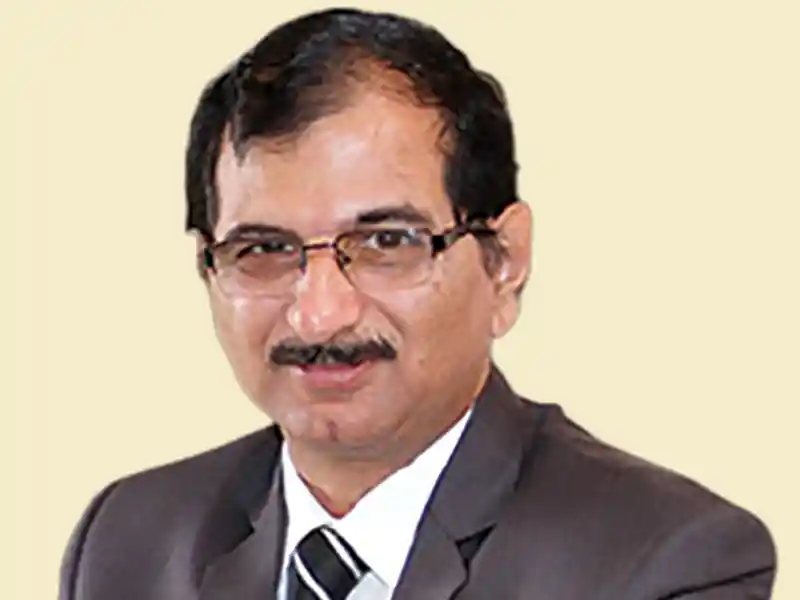
Contractors are increasingly looking for machines that deliver higher productivity with optimized fuel consumption.
In today’s competitive infrastructure environment, the decision to invest in an excavator is driven primarily by three factors: productivity, fuel efficiency, and dependable service support.Productivity remains the most important parameter because project timelines are increasingly demanding. Machines that offer faster cycle times, strong hydraulic performance, and consistent reliability directly translate into higher output on site. At the same time, fuel efficiency has become a critical economic and environmental factor, as fuel represents a major share of equipment operating costs.
Equally important is strong after-sales service support (preferably if available as AMC & FMC), including quick response time, trained technicians, and ready availability of spare parts, since minimizing downtime is essential to maintain project schedules.
Having trained operators, timely maintenance, and quick supply of spares are crucial for us.
On Indian job sites, the industry continues to face challenges such as shortage of skilled operators, maintaining equipment uptime, and rising maintenance costs. Excavators often operate in harsh environments, remote locations and continuous duty cycles, which makes reliability and service support extremely important. OEMs are addressing these challenges by strengthening dealer networks, improving spare parts logistics, and offering preventive maintenance programs with the help of telematics and on-time data updates in the portal.Telematics, operator-assist systems, etc can deliver more value on jobsites if operators are trained and the technology is simplified.
Advanced technologies such as telematics, operator-assist systems, and semi-automation features are gradually adding real value on modern job sites. Telematics systems help monitor fuel consumption, idle time, machine health, and maintenance schedules, allowing better fleet management and cost control. The added efficiency on field also means that a lesser number of machines are required for the project due to the increased output.Operator-assist systems also improve accuracy and reduce operator fatigue, especially in repetitive tasks. However, there are still gaps between the availability of technology and its effective use onsite. In many cases, operators are not fully trained to utilize these features and connectivity limitations in remote areas can restrict the benefits of telematics. With improved operator training and simplified technology interfaces, these advanced features will deliver even greater value in the future. In my opinion, if these features on the dashboard are synchronised on real time basis, it will definitely add a lot of value to the operations.
We see digital integration in our machines not as an option, but as a core differentiator for future-ready, connected construction equipment.
Rohit Punjabi
Vice President, LiuGong India

How has India’s position evolved within your global excavator strategy over the years?
With strong engineering talent and robust supplier ecosystems, India now plays a decisive role in new product validation, cost optimisation, and global competitiveness. India is now a key pillar in our global innovation ecosystem and is contributing to product engineering, value engineering, supplier development, and platform customization for emerging markets.How do you align advanced excavator technologies such as intelligent hydraulics, machine control systems, and operator-assist features with Indian operating conditions?
We localise advanced technologies by aligning them with Indian duty cycles, fuel quality, climatic extremes, and price sensitivity. Intelligent hydraulics are tuned for fuel efficiency and multi-application use. Machine control systems are offered in scalable variants—premium for infrastructure projects and value-engineered options for rental and SME customers. Operator-assist features are simplified for ease of adoption while retaining performance benefits. Our focus is on delivering globally proven technology in a practical, affordable configuration suited to Indian contractors.What reinforcements have been made in LiuGong India excavators?
From a mechanical standpoint, we prioritise reinforced structures, heavy-duty undercarriages, improved cooling systems, and dust-resistant filtration for harsh environments. Hydraulic systems are calibrated for fuel efficiency and smoother multi-function operations. We optimise engine-hydraulic matching for long operating hours and lower total cost of ownership. For domestic sales in India, we focus on durability, simplified electronics, ease of maintenance, and parts commonality—ensuring competitive pricing without compromising reliability and performance.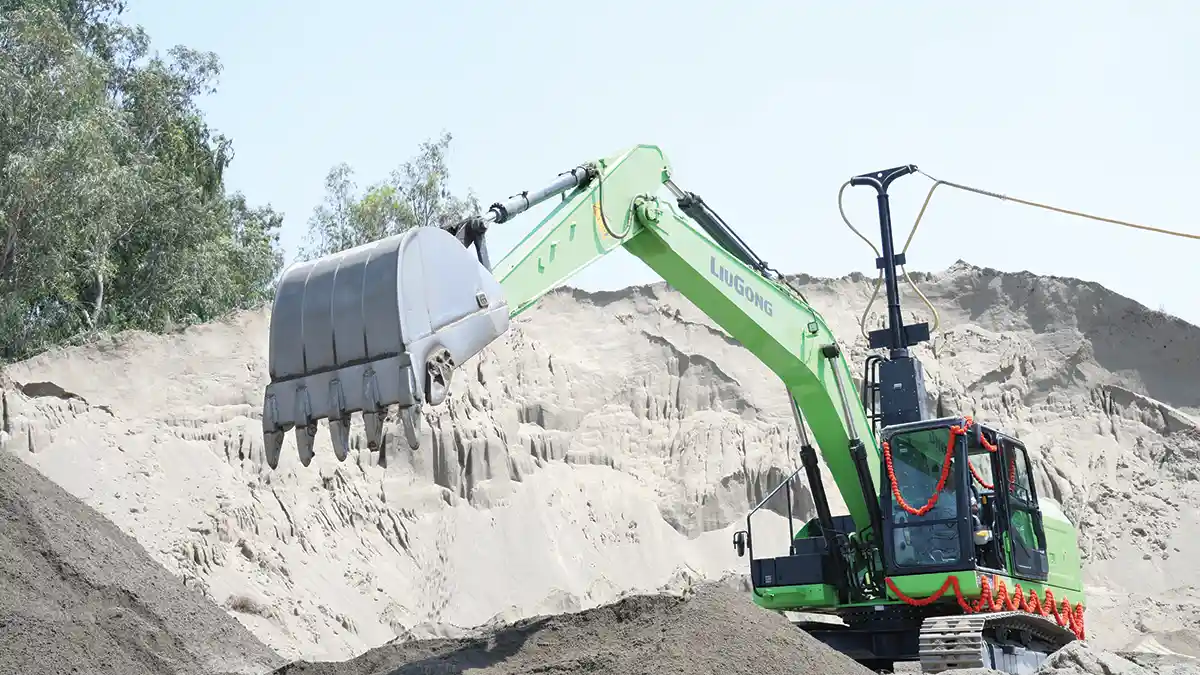
LiuGong excavators are designed to give lifecycle productivity with automation features and machine intelligence, bringing efficiency, ease of operation, and ownership value.
How are Indian customers responding to digital tools like telematics, remote diagnostics and predictive maintenance?
Indian customers are increasingly receptive to telematics and remote diagnostics, especially fleet owners and infrastructure contractors seeking uptime and fuel control. While adoption was initially cautious, awareness of data-driven maintenance and cost optimisation is growing rapidly. These technologies are central to our product roadmap, with predictive maintenance, geo-fencing, and real-time performance monitoring becoming standard offerings.Do you see semi-automation, AI-enabled machine control, and ergonomically designed operator cabs influencing customers’ excavator buying decisions?
Semi-automation, AI-enabled controls, and operator-centric ergonomics significantly enhance precision, reduce fatigue, and improve safety. Features like grade assist, auto-idle, and intelligent work modes boost productivity while lowering fuel consumption. Enhanced cabins, reduced vibration, and intuitive interfaces improve operator comfort and retention. Today, customers increasingly evaluate excavators based on lifecycle productivity and operator well-being, not just acquisition cost. These factors strongly influence buying decisions, particularly in large infrastructure and mining projects.What initiatives has the company taken within the ‘Make in India’ framework?
Under the ‘Make in India’ framework, we have significantly increased localisation of structural components, hydraulics, and fabricated assemblies while developing supplier capabilities through technical audits and joint improvement programs. Our strategy integrates value engineering with global quality standards, enabling India to serve both domestic and export markets competitively. With strong vendor partnerships and process automation, our plant has evolved into a high-efficiency export base, supplying excavators to multiple developing economies while maintaining cost leadership.Excavators that integrate intelligent guidance and operator-centric design are viewed as strategic assets that improve both performance and workforce sustainability.
Arvind K Garg
Advisor to CMD, Larsen & Toubro

What advanced solutions such as intelligent hydraulics, machine control systems, and operator-assist features is L&T offering in its excavators for India’s diverse operating conditions?
The scale of infra development projects in India is not only about expanding project volumes but also raising expectations around productivity, efficiency and safety on jobsites. To meet demand, we are bringing advanced technologies from Komatsu’s global portfolio, which are engineered and calibrated for Indian operating realities.Komatsu’s intelligent hydraulic systems deliver precise controllability, faster cycle times, and fuel efficiency, even under long duty cycles, high ambient temperatures, and dusty environments. Their excavators have reinforced structures, enhanced cooling systems, and heavy-duty filtration packages, which ensure durability and reliability in demanding site conditions.
KOMTRAX, Komatsu’s advanced telematics platform, provides real-time visibility into machine health, fuel consumption, utilisation and preventive maintenance alerts, enabling customers to optimise fleet performance and reduce downtime.
Our 3D Machine Guidance (3DMG) solutions offer in-cab, real-time excavation depth and grading guidance, improving accuracy and minimising rework. For applications demanding higher precision and automation, Komatsu’s Intelligent Machine Control (iMC) supports semi-automated digging functions, enhancing consistency irrespective of operator skill levels.
Our Smart Construction ecosystem, integrating machines, data and site management is designed for improved productivity and project control. Our EarthBrain-enabled remote operation is particularly suited to Indian mining environments characterised by extreme heat, heavy rains, and challenging terrains. It enables machines to be operated safely from enclosed, air-conditioned control rooms, significantly enhancing operator safety and ensuring operational continuity in harsh conditions.
What design and engineering changes have been made in L&T excavators, keeping in mind competitive pricing, harsh site conditions, fuel efficiency, and long operating hours?
At L&T, our objective is to deliver machines that are structurally robust, fuel-efficient and cost-competitive, while being purpose-built for demanding operating environments. To withstand harsh site conditions, our excavators have reinforced undercarriages, heavy-duty booms and arms, strengthened bucket linkages, and high wear-resistant structural components.Considering abrasive soils, heavy loading patterns, and long operating hours typical of these environments, special emphasis is placed on structural integrity, sealing systems, and protection of electrical harnesses. Cooling systems are engineered to perform consistently in high ambient temperatures, ensuring dependable operations even during extended duty cycles.
Fuel efficiency is achieved through optimised engine-hydraulic integration and calibrated power management systems that deliver higher productivity per litre of fuel. Ease of maintenance is equally important with accessible service points, durable consumables, and simplified systems designed to minimise downtime and reduce total cost of ownership.
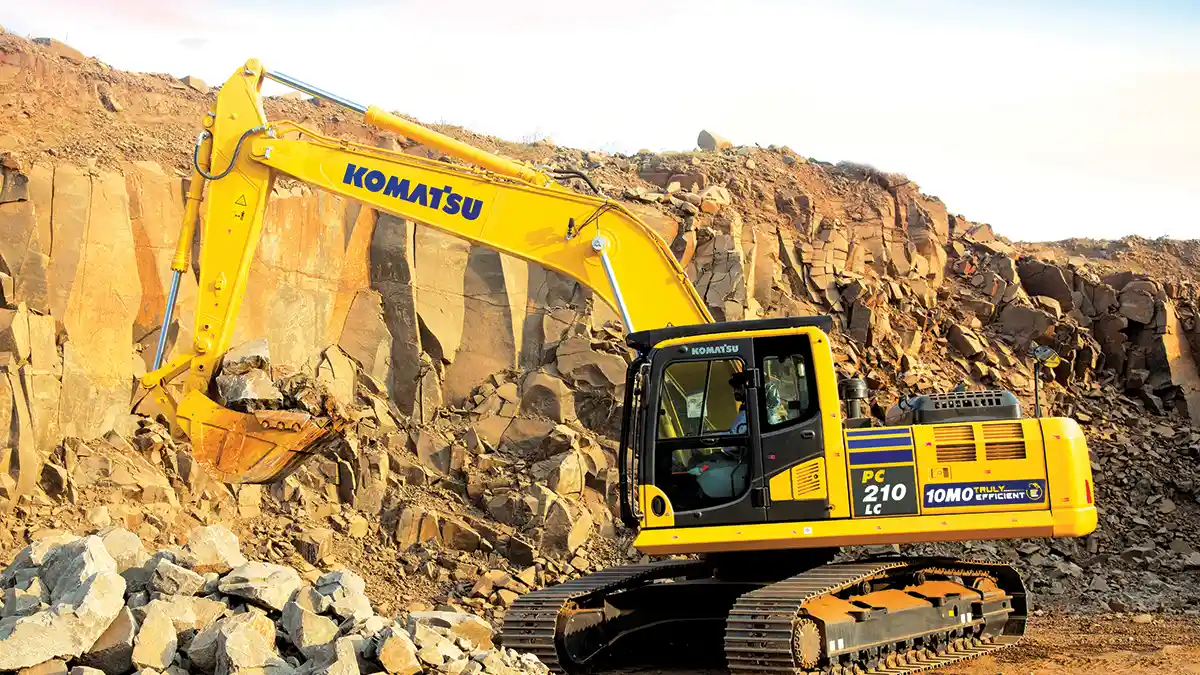
Komatsu Excavators, sold and serviced by L&T in India, deliver proven global innovation. They are engineered for Indian conditions, with measurable gains in productivity, safety and lifecycle performance.
What is the company’s engineering approach to export quality production of its excavators?
For exports to the Global South and other developing markets, Komatsu manufactures excavators at its world-class facility in Chennai, which serves as a key production and export hub. The plant adheres to global manufacturing standards while leveraging localisation and supplier capability development to maintain value pricing.Standardised platforms enable scale efficiencies, ensuring that machines produced in India meet international quality benchmarks while remaining economically viable for emerging markets.
In essence, our engineering approach is building excavators that consistently perform in tough environments, deliver dependable output, and sustain long service lives across diverse developing markets.
How are Indian customers responding to digital tools like telematics, remote diagnostics, and predictive maintenance?
Digitalisation is steadily transforming fleet management practices in India, and customer adoption has moved from curiosity to clear commercial intent. Large fleet owners, mining contractors, and infrastructure developers are increasingly relying on data to drive operational decisions, improve asset utilisation and enhance accountability across sites.Telematics platforms are being actively used to monitor utilisation patterns, idle ratios, fuel trends and machine location. Customers are leveraging these insights for site-level performance comparisons, operator evaluation and better deployment planning. The shift is visible — data is now influencing operational discipline and cost control in a measurable way.
Remote diagnostics have also strengthened service responsiveness. By analysing fault codes and machine parameters remotely, service teams can prepare in advance, reduce unnecessary site visits and shorten repair cycles. This improves uptime, which is critical in time-bound infrastructure and mining projects.
Predictive maintenance capabilities, supported by data analytics, are helping customers transition from schedule-based servicing to condition-based interventions, improving component life and reducing unexpected breakdowns.
As project sizes increase and margin pressures tighten, connected machines, integrated fleet dashboards, and data-led service models will become standard expectations. The future lies in intelligent equipment ecosystems where machine performance, service support and project monitoring are seamlessly integrated to deliver higher productivity and lifecycle value.
What factors are influencing customers’ excavator buying decisions today?
Due to widening skill gaps and rising safety expectations, customers today are placing greater emphasis on precision, safety, operator comfort, and productivity per hour. They are increasingly seeking excavators that embed intelligence into the machine rather than rely solely on operator experience. Semi-automation and guided control systems are therefore playing a vital role in delivering consistent, measurable outcomes across projects.Operator well-being has become equally central to machine design. Ergonomically designed cabins, enhanced visibility, intuitive interfaces, reduced vibration and effective climate control significantly improve comfort and concentration. In high-risk environments such as mining, remote operation capabilities further strengthen safety by distancing operators from extreme heat, dust and other hazardous site conditions.
Technology that enhances jobsite performance and operator well-being is increasingly influencing buying behaviour in India’s competitive construction equipment market.
PN Krishnakumar
CEO, XCMG India

How has India’s position evolved within your global excavator strategy over the years?
India’s role within our global organisation has undergone a significant transformation over the years. What began primarily as a cost-efficient manufacturing base has now evolved into a strategically important market that actively shapes our excavator platforms and long-term growth strategy.India’s infrastructure landscape is among the most dynamic and demanding in the world. The scale, complexity, and diverse operating conditions from high-temperature mining zones to large-scale road and irrigation projects, make India a true validation ground for product performance, reliability, and durability. The insights we gain from this market influence our global engineering priorities, localisation roadmap, and technology integration strategies.
Today, India plays a pivotal role in product adaptation, supplier ecosystem development, and manufacturing excellence. With growing capabilities in engineering support, quality systems, and process optimisation, the country is contributing meaningfully to competitive platform development and export readiness.
How meaningful are advanced excavator technologies for Indian operating conditions and cost effectiveness?
Advanced excavator technologies are meaningful only when they deliver measurable value on the ground, and in India, the value must be practical, durable, and cost-efficient. Indian customers are highly focused on productivity, fuel efficiency, and uptime, so every innovation we introduce must translate into tangible operational gains.We prioritise practical intelligence, optimised hydraulic systems for smoother and faster cycle times, fuel-efficient operating modes to reduce consumption, operator-assist features that improve precision and consistency, and telematics solutions that enhance fleet visibility and maintenance planning. These technologies are carefully calibrated for Indian operating conditions, including high dust environments, extreme temperatures, varied soil conditions, and long working hours.
Importantly, we focus on smart and scalable innovation rather than unnecessary complexity. The objective is to improve output per hour, reduce operator fatigue, and optimise total cost of ownership. By aligning advanced technology with local realities, we ensure that innovation in India is not just cutting-edge; it is commercially viable, rugged, and performance driven.
What design and engineering changes are being made in your excavators manufactured in India, keeping in mind competitive pricing, harsh site conditions, fuel efficiency, and export to Global South?
From a mechanical engineering perspective, our focus has been clear – to build excavators that are structurally robust, fuel-efficient, and optimised for long lifecycle performance under demanding conditions.For the Indian market, we have reinforced key structural components such as booms, arms, and undercarriage systems to handle high-load applications, abrasive materials, and continuous operations. Frame durability and weld integrity are enhanced to withstand tough jobsite stresses common in mining, quarrying, and large infrastructure projects.
Hydraulic systems are carefully tuned to deliver higher productivity per litre of fuel, ensuring faster cycle times without compromising efficiency. We have also strengthened cooling packages and upgraded multi-stage filtration systems to maintain reliability in extreme heat and dust-intensive environments, the conditions that are typical across India and many developing economies.
Serviceability is another critical aspect of our engineering. Easy access to maintenance points, simplified diagnostics, and extended service intervals help reduce downtime and improve machine availability, directly impacting customer profitability.
Importantly, excavators manufactured in India are engineered with similar operating realities in mind across the Global South and other developing markets where high utilisation, cost competitiveness, fuel economy, and long working hours are non-negotiable. This alignment allows India not only to serve domestic demand effectively but also to emerge as a strong export base for rugged, performance-driven machines suited to emerging economies worldwide.
How are Indian customers responding to digital tools like telematics, remote diagnostics and predictive maintenance for fleet management?
Digitalisation is steadily transforming the way fleets are managed in India, and customer adoption is accelerating particularly where the value is measurable. Indian customers are pragmatic; they embrace technology when it directly improves fuel efficiency, uptime, and asset utilisation.Telematics solutions are increasingly being used for real-time fuel monitoring, idle time reduction, performance tracking, and preventive maintenance planning. Remote diagnostics enable faster service intervention, minimise unplanned breakdowns, and reduce overall response time, which is critical in project-driven environments where every hour of downtime has a cost implication.
Excavators are evolving from standalone machines into connected, intelligent assets capable of enabling predictive maintenance, performance benchmarking, and more efficient lifecycle management. As fleet sizes expand and infrastructure projects become more time-sensitive, data-driven decision-making is no longer optional; it is becoming essential. Contractors are now looking beyond just machine acquisition to lifecycle optimisation and operational visibility.
Digital connectivity is therefore central to our product development. Our focus is to ensure that digital solutions remain user-friendly, scalable, and commercially viable, aligning technology with real-world operational needs.
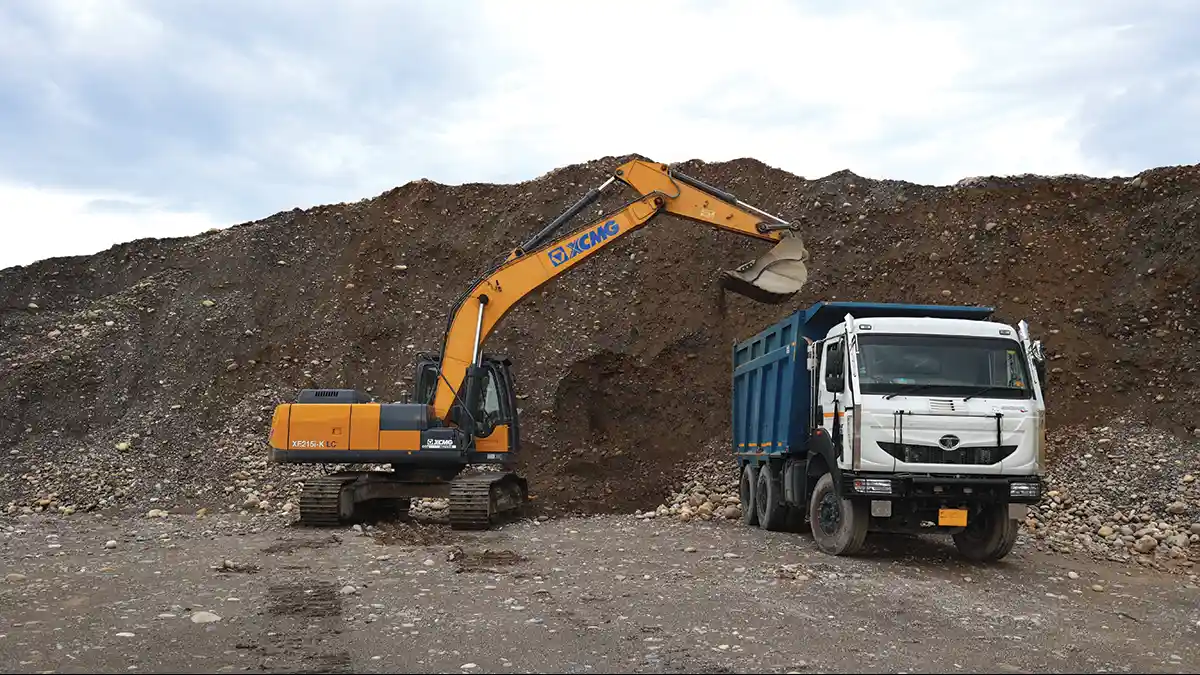
India has become a real-world testing ground where XCMG excavators are refined for durability, efficiency, and performance before serving emerging markets worldwide.
Do you see technology that enhances jobsite performance and operator well-being influencing buying behavior in India?
The Indian construction ecosystem is evolving rapidly with sharper focus on safety, productivity, and skilled manpower optimisation. As projects scale up and timelines tighten, customers increasingly expect excavators to deliver consistent performance while also supporting operator well-being.Semi-automation and AI-enabled machine control systems are playing an important role in bridging skill gaps. Intelligent hydraulic modulation, grade-assist functions, and adaptive power management help improve precision and reduce rework. These technologies enable even moderately experienced operators to achieve higher accuracy and productivity, especially during long operating hours.
Equally important is operator-centric design. Enhanced cabin ergonomics, smoother hydraulic response, reduced vibration, better visibility, intuitive control layouts, and assistive features significantly reduce fatigue and improve concentration. When operators are comfortable and confident, performance consistency improves directly impacting output per shift.
Today, purchasing decisions go well beyond engine power and acquisition cost. Customers are evaluating excavators based on productivity per hour, fuel efficiency, safety enhancements, ease of operation, and overall lifecycle value. Operator comfort and smart assistance features are no longer secondary considerations they are becoming central differentiators in how machines are assessed and selected.
How has your India manufacturing evolved in terms of localisation of components, supplier capability development, and export orientation under the ‘Make in India’ initiative?
Aligned with the ‘Make in India’ vision, our manufacturing strategy in India has transitioned from assembly-led operations to a deeply localised, capability-driven production ecosystem.We have significantly expanded localisation across key structural, fabricated, and high value components to enhance cost competitiveness, improve supply chain resilience, and respond more swiftly to market dynamics. This localisation drive is not only about cost optimisation; it is about building long-term industrial capability within the country.
A major pillar of this evolution has been supplier capability development. We are working closely with our vendor partners on quality systems, process standardisation, technology adoption, and global compliance benchmarks. Through structured audits, technical collaboration, and continuous improvement initiatives, we are strengthening the ecosystem to meet international manufacturing standards.
At the same time, India is emerging as a strategic export base within our global network. Under the ‘Make in India’ initiative, our strategy is to build a resilient, competitive, and future-ready manufacturing platform, one that supports domestic growth while reinforcing India’s role as a key contributor to our global operations.
Empowering Contractors and Builders with New Range of EarthForce Compact Excavators from BOBCAT
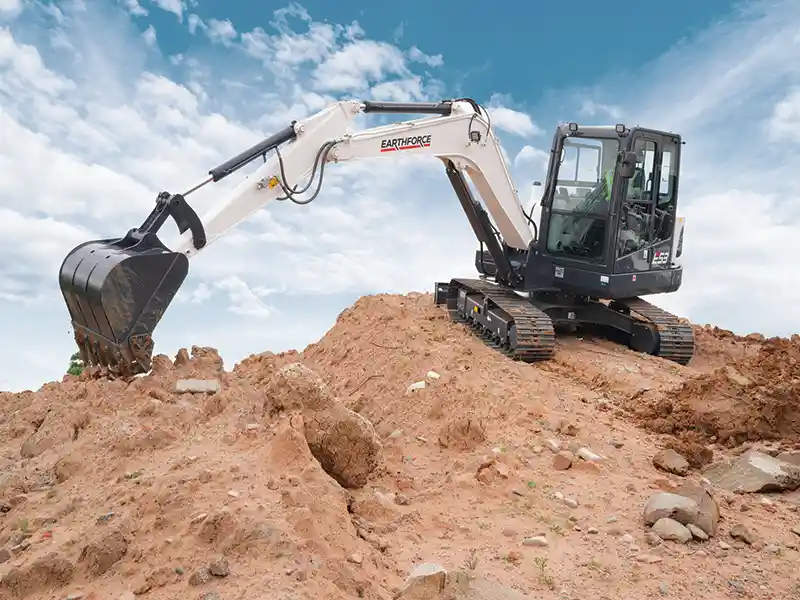
The infrastructure sector is currently experiencing growth, fuelled by government initiatives, urbanization, and increased investment in rural connectivity. This is leading to an increasing demand for compact, efficient, and highly reliable construction equipment. Bobcat’s Earthforce range has been engineered to meet this demand, leveraging Doosan’s global expertise and deep understanding of India’s unique operating conditions. Each compact excavator in the Earthforce line-up is purpose-built to deliver exceptional performance in tight urban settings, tough rural terrains, and in specialized construction environments.
E18z Compact Excavator: Offers remarkable manoeuvrability and precision. Featuring a zero-tail swing design, it allows operators to work efficiently in urban construction, landscaping, and utility work where space is limited. Its compact size and agility ensure that projects can be completed with minimal disruption and maximum safety.
E33z Compact Excavator: For those requiring greater versatility and power, this is the perfect fit. It boasts impressive digging force and advanced hydraulics, enabling it to tackle a broad spectrum of tasks, from city infrastructure upgrades to rural development projects. The E33z’s ergonomic cabin (also available with HVAC) is designed for operator comfort, while its robust safety features ensure peace of mind on busy job sites.
E53 Compact Excavator: This is engineered for larger projects that demand both power and reach. It excels in roadworks, major infrastructure development, and other demanding applications. The E53’s robust performance, coupled with its fuel efficiency, ensures that contractors can achieve more while keeping operating costs in check.
Since their launch, Earthforce Compact Excavators have rapidly gained traction among Indian contractors. Their affordability, operational efficiency, durability, and ease of maintenance have made them a preferred choice for a wide range of projects. These advantages translate into improved productivity, reduced operating expenses, and enhanced safety across diverse construction sites. Supporting this is Doosan Bobcat India’s extensive dealer and service network, which ensures prompt customer support and easy access to genuine parts, maximizing equipment uptime and customer satisfaction.
Doosan Bobcat India is expanding the reach of the Earthforce range, ensuring that the market is aware of the transformative potential these machines offer. With innovation, safety, and sustainability, the company is contributing to a more developed environment for communities nationwide.