
With India now the second-largest elevator market globally, and annual installations crossing 100,000 units, the industry is moving beyond volume-driven growth to a phase defined by performance and integration. From high-rise developments to metros, airports, and industrial facilities, expectations from vertical transportation systems are rising rapidly.
A defining shift is the transition from standalone systems to integrated mobility solutions. Developers are no longer just procuring elevators, they are seeking systems that align with building design, optimize traffic flow, and deliver consistent performance over their lifecycle. As a result, vertical mobility is moving into early-stage planning, where design decisions directly influence overall efficiency.
Technology is accelerating this transformation. IoT-enabled systems, predictive maintenance, AI-driven diagnostics, and touchless interfaces are changing how elevators operate and are serviced. What was once premium is quickly becoming standard, with connected systems enabling real-time monitoring, reducing downtime, and improving lifecycle outcomes.
At the same time, the scale and complexity of infrastructure projects—metros, airports, and high-traffic public spaces are raising the bar. The focus is no longer just on movement, but on handling large passenger volumes reliably and continuously. In such environments, reliability is no longer a differentiator; it is the baseline.
At the same time, local manufacturing aligned with global standards is gaining momentum. As India strengthens its position as both a major market and a potential export hub, companies are enhancing domestic capabilities to deliver faster, more customized, and cost-effective solutions without compromising on quality.
Despite this progress, key challenges remain. Skilled manpower gaps, evolving safety standards such as IS 17900, and the need to modernize ageing installations continue to test the industry. The shift from reactive service models to proactive, technology-driven lifecycle management is still underway.
Against this backdrop, this feature brings together insights from industry leaders to explore how vertical mobility is evolving. The discussions move beyond market growth to examine planning, performance, technology integration, safety, and long-term sustainability.
An Intelligent Approach To Urban Mobility
Amit Gossain, Managing Director, KONE India, shares how the company’s innovation and intelligent connected people flow solutions are enhancing urban mobility, supported by a strong focus on service and predictive maintenance to enable strong uptime performance of its elevators and escalators.
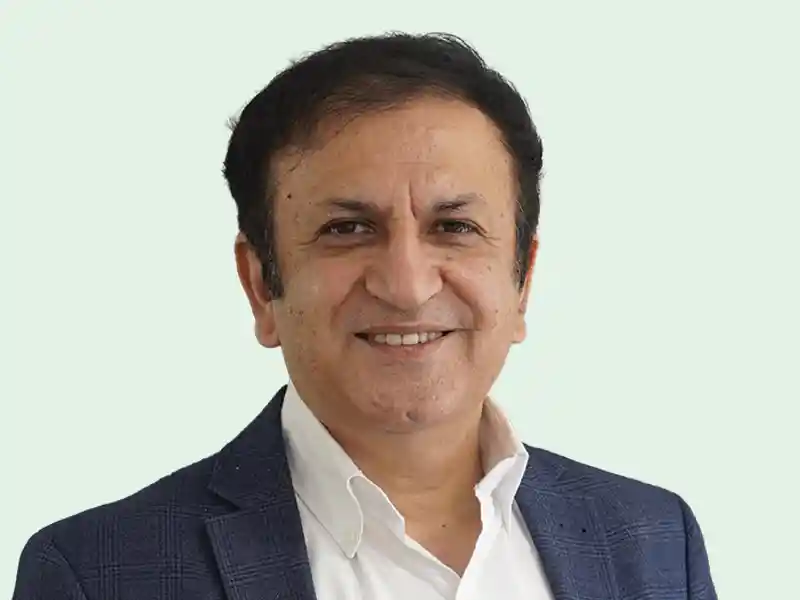
What factors are driving demand for elevators and escalators across India?
India’s skylines are rising rapidly, but the real challenge is not just building higher; it is moving people smarter. As urbanization reshapes infrastructure and real estate across India, vertical mobility has become central to modern city design, enabling efficiency, safety, and seamless movement within increasingly complex urban spaces.The growth of the elevator industry closely mirrors economic momentum — infrastructure fuels real estate expansion, and as cities rise, vertical mobility becomes essential. The key driver for the elevator and escalator industry is real estate, which is led by infrastructure development, which, in turn, is led by the country’s GDP and overall economic growth. India is experiencing strong GDP growth, robust infrastructure development, and healthy real estate expansion.
There is significant demand across all real estate segments, from affordable and mid-level housing to luxury developments, as well as commercial and retail spaces. In fact, malls and shopping centers have also picked up, despite the trend of online shopping. Metros, railways, and airports have expanded considerably, which has escalated demand for elevators and escalators.
Our products and solutions are available for all these categories of projects, with a strong focus on delivering them efficiently and effectively. This approach supports continued growth and leadership, both from a business perspective and in terms of customer value.
How does the company’s tagline “We shape the future of Cities” translate into strategic decisions and priorities with respect to its long-term commitments, investments, and approach to urban mobility solutions?

When movement within buildings is smooth, safe, and well managed, cities become better equipped to support growth and urbanization. As more people migrate to urban centers, high-rise developments become necessary for optimizing space and vertical mobility.
Vertical mobility solutions at KONE are directed towards making these cities live-able, efficient, and sustainable. With our strong innovation capabilities, we cater to diverse segments –– from affordable housing to luxury developments, and the commercial and retail sectors. And by offering tailored solutions for different needs, we meet the requirements for optimal people flow.
"Automation reduces dependency, but not the need for skilled manpower. We believe it is still our responsibility to generate employment opportunities through expanded training and skill development, while achieving the right balance between technology and human expertise."
What factors have driven KONE’s steady growth over the years?
We owe our growth to several factors – from developing a wide range of products, expanding across sectors and regions, research and development of innovative solutions, enhancing rider experience by bringing aesthetics in our cabs (options of over 37 interior designs), and our strong focus on customer satisfaction.KONE is well equipped to cater to every demand with its comprehensive range of elevators and escalators – from the smallest to the largest. We have recently launched the Villa 100 designed for small houses where it can be installed easily without a pit, and we have installed the world’s largest elevator in India at the Jio Centre in Mumbai. We are also providing solutions to modernize existing elevators in old buildings.
Technology is a strong focus area at KONE. Our R&D centre in India is the largest in the industry with nearly 1,500 professionals working on new developments and improvements. One of our (patented) innovations is the carbon-fiber UltraRope, which being extremely light in weight allows elevators to move faster and with more energy-efficiency.
We are accelerating digital transformation through connectivity, digital contracts with customers, and other smart solutions. Many of our elevators are now connected 24/7, enabling remote monitoring for safety and predicting potential failure.
How does KONE ensure consistent performance and durability of its products throughout their lifecycle?
We have one of the best uptime records in the industry. We have over 2,500 trained service technicians and we can ensure quality control and consistency in the maintenance of our products since we do not sub-contract our service operations.Preventive maintenance is enabled by our remote monitoring system which sends a signal (before a failure occurs) indicating that a component may fail. This allows us to address the issue on time to minimize downtime.
We conduct regular end-user engagement programs such as the ‘Max and Bob’ safety programs mainly in residential societies, shopping centers, and in malls. We have conducted over 500 such programs to educate the public and the facility operators on how to use elevators and escalators properly. We always emphasize that elevators and escalators must not only be maintained well but also used responsibly since improper usage, misuse, vandalism, graffiti, and damage to the switchboards etc. will affect their performance, reliability, and lifespan.
Which large-scale infrastructure projects in India is KONE involved in currently and how do requirements in these projects differ from conventional building applications?
India’s infrastructure expansion is accelerating at an unprecedented pace, and KONE is proud to be a long-standing partner in this journey. We have been involved in multiple metro rail projects, including contributions to systems such as the Delhi Metro, as well as airport developments and railway infrastructure upgrades across the country.Our role typically spans the design, supply, installation, and maintenance of elevators and escalators that are critical to daily passenger movement. In large infrastructure projects, deployments often involve a high number of units across multiple locations, each designed to handle continuous, high-density usage.
What differentiates infrastructure from conventional building applications is the intensity of operations and the criticality of uptime. These systems are expected to run for extended hours, often close to round-the-clock, and perform reliably under demanding conditions. In such environments, even minor disruptions can have a significant impact on commuter flow, making reliability, durability, and service responsiveness essential.
Infrastructure projects like metro stations and railway terminals involve extremely high passenger volumes, rough usage, and dusty operating conditions. What are the key product innovations or design features in KONE’s elevators and escalators that ensure durability, safety, and uptime in such demanding environments?
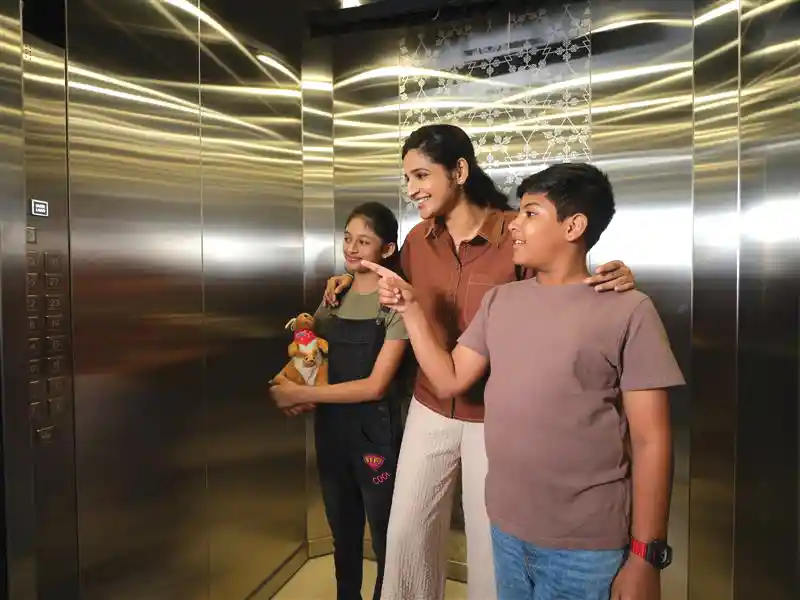
We deploy heavy-duty escalators and elevators designed for continuous, high-cycle operations, with robust structural components and enhanced durability. Our systems incorporate advanced protection mechanisms to withstand dust, humidity, and temperature variations, which are common in such environments.
Safety is built into every layer of our design, with features such as real-time fault detection, controlled braking systems, and automatic safeguards that respond to any anomalies.
A key differentiator is our use of connected and predictive maintenance solutions, which enable real-time monitoring and early identification of potential issues. This allows us to take proactive action, significantly reducing the likelihood of unexpected downtime.
Equally important is our strong service network, which ensures timely maintenance and rapid response, critical in infrastructure settings where performance consistency directly impacts thousands of daily passengers.
"Innovation is not about speed alone; it is about intelligent, connected systems that shift the industry from reactive maintenance to predictive performance — improving uptime and elevating the customer experience. The next phase of growth in our industry will be driven by such connected, data-led solutions."
While metro and railway systems demand robustness and high throughput, airports and premium malls require not only 24x7 reliability but also superior aesthetics and user experience. How does KONE tailor its solutions across these contrasting environments, and what innovations enhance passenger comfort, design, and seamless people flow in such spaces?
This contrast reflects the diverse environments we operate in, and the need for tailored solutions. We address this by offering highly customizable solutions that combine performance with aesthetics. This includes design flexibility in materials and finishes, as well as technologies that enhance ride comfort, reduce waiting times, and enable smooth, intuitive movement through spaces. Equally important is our focus on predictive maintenance through KONE 24/7 Connected Services, which enables real-time monitoring and early detection of potential issues.In more complex environments, we also leverage data-driven insights to optimize people flow, helping reduce congestion and improve efficiency.
Ultimately, regardless of the setting, our goal remains consistent: to deliver safe, reliable, and seamless people flow, while adapting our technology and design approach to the specific needs of each environment.
How are KONE’s products and solutions contributing to green building goals, reducing energy consumption, and lowering lifecycle costs for plants?
Energy efficiency and carbon reduction are now at the core of our design philosophy, with next-generation mobility solutions engineered to predict, prevent, and perform while supporting more sustainable cities. There is a strong emphasis on carbon reduction and sustainable practices. For example, regenerative drives are used to generate power as elevators operate. Materials are increasingly reused, office spaces are designed with ample glass to reduce electricity consumption, factories operate with 100% recycled water, and manufacturing facilities run entirely on solar energy.In fact, KONE’s sustainability goals are clearly defined at a global level. By 2030, the company aims to achieve carbon neutrality. While India’s national target is 2070, from a corporate perspective, every effort is being made to achieve carbon neutrality by 2030, including in India.
Our factory is IGBC Platinum-rated and demonstrates a strong commitment to sustainable practices. It operates using completely recycled water and solar energy, among other sustainability measures.
At the technology center, continuous efforts are underway to reduce carbon emissions. Digitalization further enhances sustainability by increasing productivity and operational efficiency. Overall, sustainability remains a central focus across products, manufacturing, and operations.
How is KONE addressing the modernization requirements of older elevators in high-rise buildings?
As many buildings are now aging, two options are available: either the elevator must be replaced, or it must be modernized to ensure safety. A new modernization package has recently been launched to upgrade elevators—primarily the company’s own installations, but in some cases those of other manufacturers as well. This package can be integrated into existing systems and involves upgrading key electrical and control components, effectively making the elevator function like a new one. This partial modernization enhances safety and extends the equipment’s lifecycle.In addition, regular inspections of elevators and escalators are conducted. After a certain number of years, customers are advised when modernization or upgrades become necessary to meet current standards. This is important not only from an aesthetic perspective but, more importantly, to ensure continued safety and compliance.
How is KONE preparing its teams and partners in India to deliver digital and data-driven solutions?
In our strategy which we call “Rise to Lead,” we have identified four key shifts: digitalization, driving modernization, winning in the residential segment, and advancing carbon sustainability.Digitalization is a priority at KONE. We have made significant investments in advancing digital capabilities through our R&D center. Beyond enabling 24/7 connectivity of our elevators and contract management, it also involves connecting the entire organization. This integration is extremely important, as it significantly improves productivity.
More importantly, digitalization enhances customer satisfaction. By predicting possible failures before they occur, we prevent elevator/escalator breakdowns, so customers’ rides are not interrupted. As a result, our new product introduction (NPI) improves considerably.
What are the challenges in the elevator and escalator industry of India and how is KONE India meeting them?
The industry’s biggest opportunity and challenge lie in building a skilled workforce capable of supporting India’s fast-growing vertical infrastructure. We do not have enough trained professionals in the industry for installation and technician roles. These are good jobs that offer decent pay, and even subcontracting can be a viable business opportunity. However, many people are not yet fully aware of this potential.As the industry continues to grow, more individuals may recognize that starting a subcontracting business with KONE can provide steady orders and enable them to build larger teams over time. To support this, we need to invest more in training. Currently, KONE operates five training centers, which may not be sufficient. We may need to expand to 10 training centers in the future.
India does not have a uniform national lift code or act. While around 17 states have their own lift acts, others do not follow a standardized framework. For safety and operational consistency, it is crucial to establish a uniform standard across the country.
We believe that increased automation would help reduce dependency on manual skills over time, but, having said that, it is still our responsibility to generate employment opportunities, which can only be achieved through expanded training and skill development initiatives.
What are the key differentiators that set the company apart in the industry?
KONE stands out for its agility and ability to adapt quickly to emerging market trends. For example, KONE is among the first global players to enter the villa market with an innovative solution, demonstrating its responsiveness and speed in addressing evolving customer needs.Another key differentiator is the digitalization as a means of delivering greater value to customers and driving organizational transformation. Over the past two years, digital transformation has been a major focus area, and the company has responded rapidly by integrating digital solutions into its operations and services, further strengthening its competitive position.
We are providing solutions across all segments (both infrastructure and non-infrastructure) to ensure efficient people flow. We have installed elevators and escalators in the Delhi Metro and in railway stations. We have expanded into multiple territories with 55 offices across the country, serving customers also in the Northeast and in remote locations. Overall, we have structured our operations into five zones to ensure we remain close to our customers.
The launch of the Villa 100 elevator is a strong example of our innovation-led approach—identifying gaps, understanding customer expectations, and delivering solutions tailored to their specific needs.
An important driver of growth at KONE India has been people and strong customer centricity. Continuous engagement with customers and actively listening to their feedback have enabled the company to respond effectively to evolving market demands.
We have one of the best uptime records in the industry — perhaps the best — and within KONE globally, India stands among the top-performing markets in ensuring consistent reliability and service excellence. Our growth has been driven by one consistent priority — investing proactively to enhance customer satisfaction across every lifecycle stage.
Making Vertical Mobility Smarter, Safer, and Connected
Shakir Ahmed, Managing Director, Fujitec India, gives insights into the modernization of elevators, with technology making them intelligent and connected when integrated into a building’s management system –– right at the planning and design stage.
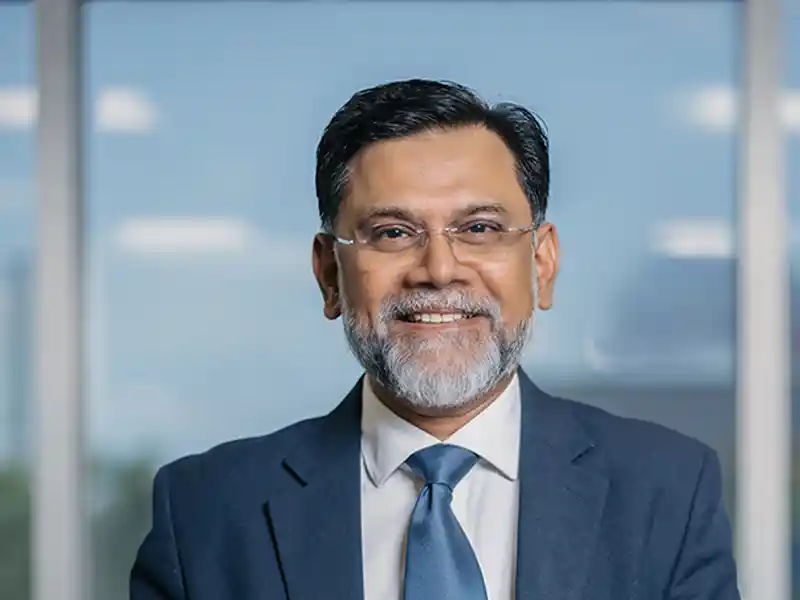
You have spent more than two decades in the elevator industry and have held multiple leadership roles within Fujitec. How do you perceive the current industry and the end-user expectations that have led to its modernization?
Spending years across field operations, technical roles, projects, and commercial leadership gives you a very grounded view of the business. One thing becomes clear early on –– vertical transportation isn’t just another building component –– it’s the backbone of how a space actually functions.Earlier, elevators were often treated as an afterthought. Today, that’s completely changed. With global architects and more informed clients involved, elevator planning now begins at the design stage. That shift has changed how we look at scalability, safety, and overall performance.
For us, growth is guided by a few clear priorities. Getting the balance right between product and service, staying ahead on technology, and strengthening our manufacturing presence in India. We’re moving beyond simply supplying equipment. The goal is to build intelligent, connected systems that are designed around safety and efficiency.
Developers today want solutions that fit seamlessly into their building’s digital ecosystem and deliver consistently. In fact, one of the biggest shifts in the industry is early collaboration with architects, developers, and infrastructure planners to ensure that their vertical transportation systems are effectively integrated into the building design at the planning stage.
Hence, vertical transportation is now part of the design conversation from the start. We work closely with architects and planners during the conceptual stage. This includes traffic simulations, shaft planning, and system configuration. Because poor planning cannot be fixed later.
What key trends are shaping the elevator market in terms of technology and safety regulations in modern elevators?
Urbanization in India is moving fast, and vertical transportation has shifted from being a convenience to something essential. As cities become denser and mixed-use developments grow, demand for elevators and escalators will expand significantly across both metros and emerging cities.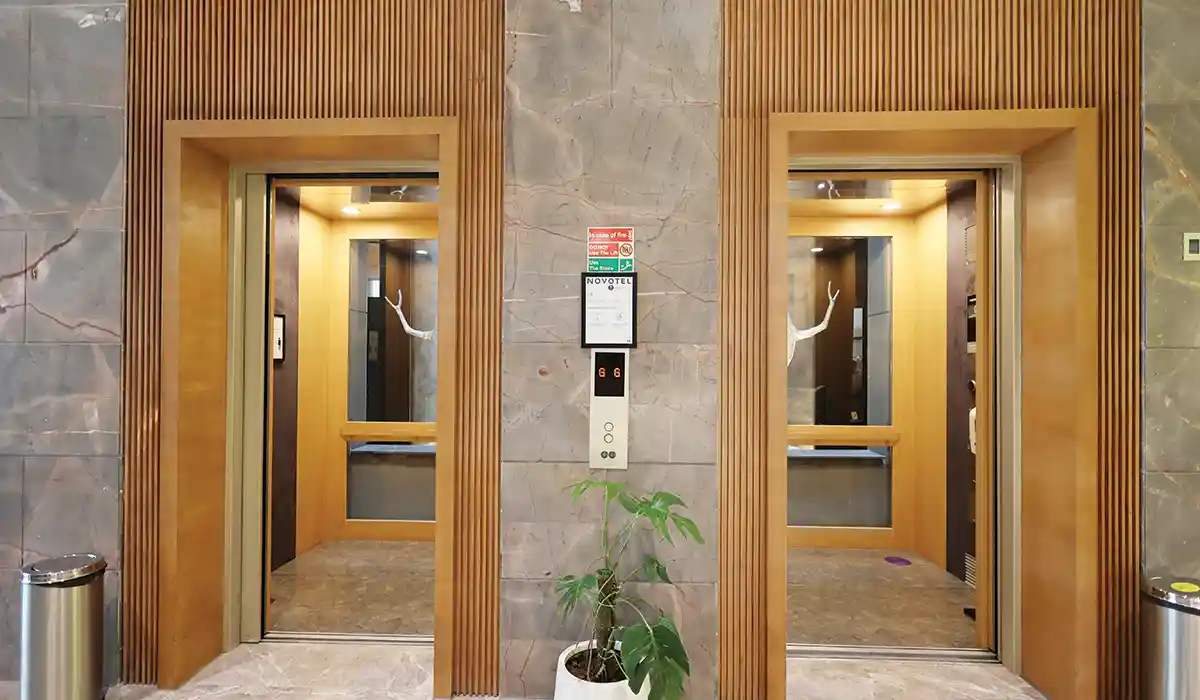
Technology, safety, and user experience are all coming together. Connected systems, predictive maintenance, and remote diagnostics are no longer premium features; they are becoming standard.
At the same time, developers want faster execution and minimal downtime. The challenge is skilled manpower. That’s why we’ve invested heavily in training and in-house teams, combining classroom learning with real-world exposure. New safety regulations are also raising the bar, pushing the industry toward more reliable and globally aligned systems.
"Our local manufacturing set to global standards is strengthening both capability and speed of execution, enabling more reliable and performance-driven vertical mobility solutions."
To what would you attribute Fujitec’s strong presence in India over the years?
Our journey in India has been shaped by a few important decisions: investing early in local manufacturing, building strong technical capabilities, and maintaining a disciplined service culture.Setting up manufacturing early gave us a strong foundation. Strategic expansion strengthened our reach across both real estate and infrastructure segments.
Today, we are positioned in the mid to premium space, known for reliable systems that manage traffic efficiently and require fewer callbacks. Our order pipeline reflects a good balance of high-rise residential and commercial developments on one side, and large infrastructure projects on the other. That mix keeps us adaptable while also pushing our technical strengths.
How does local production strengthen the company’s ability to serve the domestic market while also driving export?
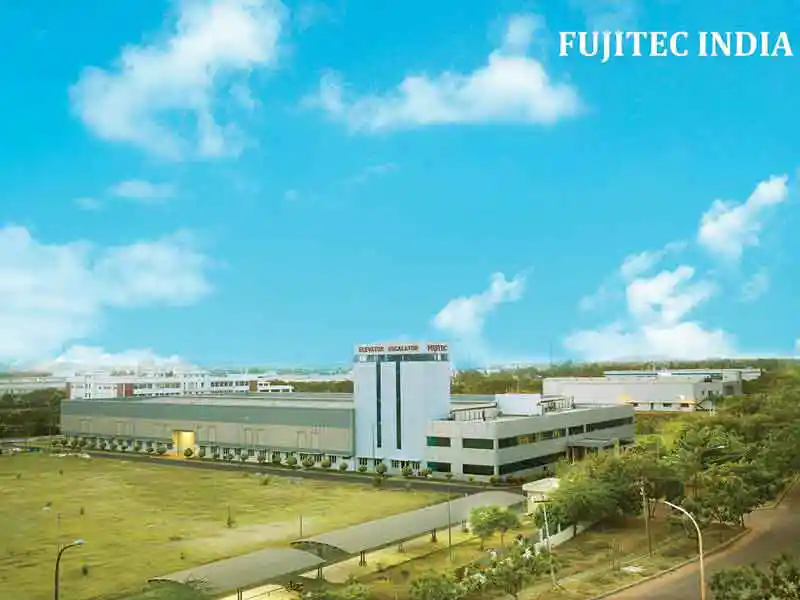
Our manufacturing facility in Tamil Nadu is an integrated hub for engineering and innovation. A strong local base allows us to respond faster to project timelines, adapt to specific site requirements, and maintain global quality standards. We are serving multiple international markets, and global exposure strengthens our local ecosystem. It feeds into research, supplier development, and talent building. Over time, this creates a strong cycle of growth and capability.What are some of the latest innovations Fujitec is introducing in its products to improve elevator performance, reliability, and lifecycle management?
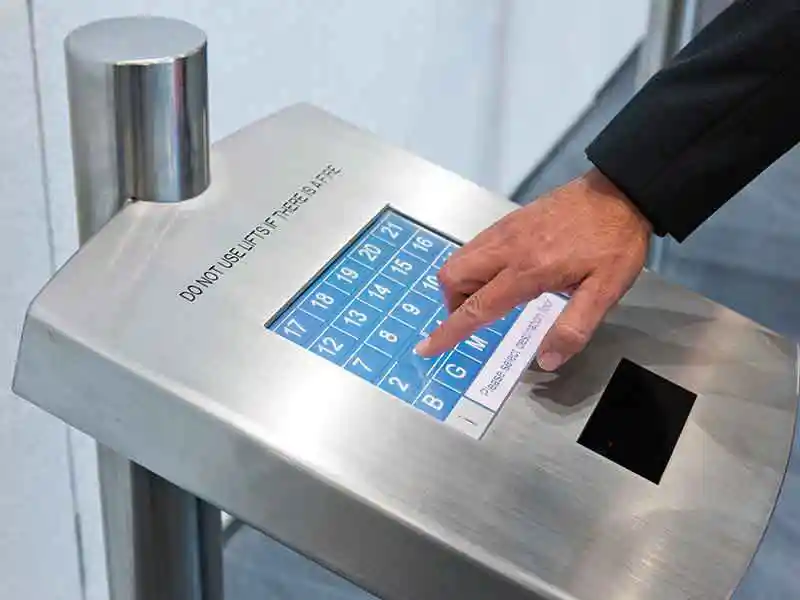
Our focus is on enabling smarter mobility, better energy efficiency, and a strong user experience. Connected elevators are central to this. With AI and IoT integration, systems can monitor themselves and flag potential issues early. Even in standard models, features like group control and load optimization are becoming common.In high-traffic environments, destination dispatch and touchless controls help manage movement more smoothly and reduce waiting time. On the design side, we are making cabins more comfortable with better space, lighting, and openness. Features like infotainment panels and air purification are also becoming an integral part of the experience.
Digital technology is changing how elevators are maintained and operated. With IoT-based monitoring and predictive maintenance, we are moving from reactive service to proactive care. Platforms like Fujitec Connect give customers real-time visibility into system performance and service activity. At the same time, AI-driven diagnostics and smart tools help technicians respond faster and more accurately.
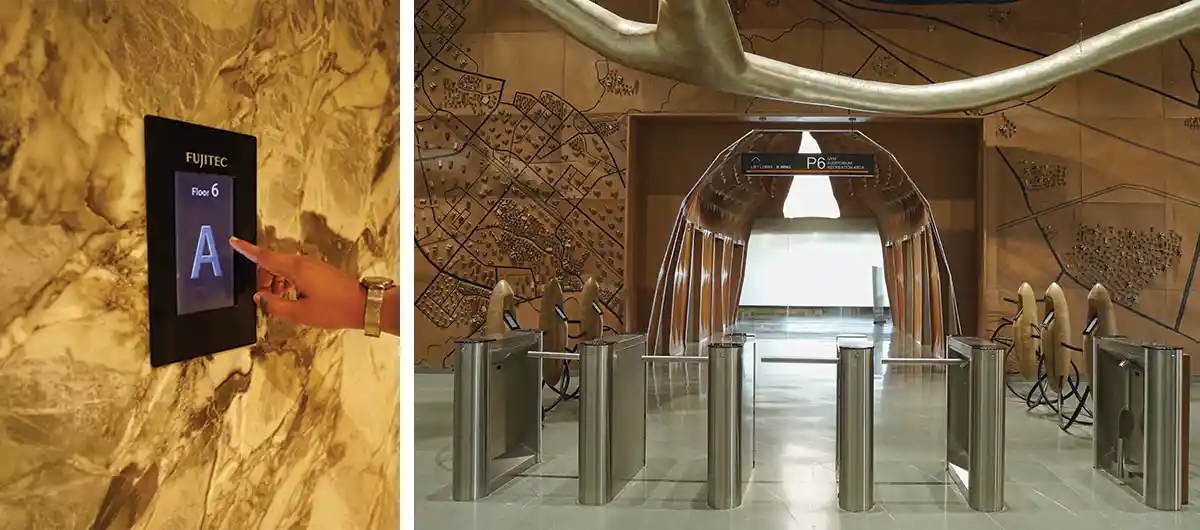
The outcome is reduced downtime, longer equipment life, and a more reliable experience overall. Today, these digital layers matter just as much as the mechanical design.
What are the key technical and operational considerations when designing elevators and escalators for high-traffic public infrastructure?
Infrastructure projects operate at a very different scale. It’s not just about moving people between floors: it’s about handling large volumes of passengers efficiently and consistently.Designing for these environments involves traffic simulations, systems that can withstand continuous use, and strong integration with the surrounding infrastructure. Everything from platforms to emergency systems needs to work together.
Real estate still makes up a larger share of our business, but infrastructure is growing quickly. It also brings a higher level of technical discipline, which strengthens the organization overall.
How is Fujitec preparing its products and systems to meet the new elevator safety standard IS 17900 aligned with ISO 8100?
India’s new elevator safety standard IS 17900, aligned with ISO 8100 and European EN 81 20/50, is a watershed moment for the industry. They introduce stricter requirements across several areas, including movement control, door safety, and emergency systems.Our approach is to align early and go beyond basic compliance. Systems are being redesigned and tested to meet these expectations. More importantly, it builds confidence. Customers in India expect global levels of safety and reliability, and that is exactly what we aim to deliver.
Is Fujitec undertaking modernization and maintenance of older elevators and escalators in India?
Modernization today is less about replacement and more about upgrading intelligently. A large part of India’s building stock still runs on legacy systems that weren’t designed for current traffic, safety expectations, or uptime demands.Our approach is flexible: in many cases, we upgrade what matters most. Controllers, drives, door systems, and safety components are brought up to current standards, while the existing structure is retained. This keeps disruption low but delivers a strong improvement in performance and reliability.
At the same time, we also take on full-scale modernization where needed. In buildings where systems are too outdated or where the expectation is a complete upgrade in performance and aesthetics, we do full replacements. That includes everything from new equipment to redesigned cabins and finishes, essentially giving the elevator a new identity.
Technology ties it all together. With digital monitoring and predictive maintenance layered in, even modernized systems operate like connected assets. For building owners, it comes down to choice. Whether it’s a smart upgrade or a full transformation, the goal is the same. Better safety, better performance, and a much stronger user experience.
Vertical Mobility Enters a More Performance-Driven Phase
Ravikrishnan Srinivasan, CEO, TK Elevator India, highlights the industry’s shift from installation volumes to performance, digitalization, and lifecycle management through connected systems, and how demand is being driven by urbanization and investments in high-rise buildings, metro systems, airports, and smart cities.
What key trends will shape the future of vertical mobility in urban infrastructure?
India’s rapid urbanization and large-scale investments in high-rise housing, metro systems, airports, and smart cities are expected to significantly accelerate demand for vertical mobility. The Indian elevator and escalator market is projected to grow from around 70,000 units annually today to nearly 150,000 units by 2030, positioning India among the fastest-growing markets globally, according to the Next Move Strategy Consulting – India Elevator Market Report. Nearly 65–70% of demand will continue to come from residential developments, while infrastructure projects such as metros, airports, and transit hubs will drive strong growth in escalators and moving walkways.The future of vertical mobility will be shaped by three major trends. First, digital and connected elevators, enabled by IoT and predictive maintenance, will enhance uptime, safety, and lifecycle efficiency. Second, the rapid rise of high-rise and mixed-use developments across major urban centers will accelerate adoption of high-speed elevators and intelligent traffic management systems. Third, sustainability will become central, with energy-efficient technologies capable of reducing energy consumption by up to 30–40%.
At the same time, India is entering a significant modernization cycle, as elevators installed during earlier construction booms approach upgrade timelines, creating long-term service opportunities. Overall, elevators and escalators are evolving from standalone building equipment into integrated urban mobility solutions, playing a vital role in enabling safer, smarter, and more sustainable cities.
As a global leader in vertical transportation, how is TK Elevator aligning its India strategy with the growing demand for advanced, high-capacity, and efficient mobility solutions across infrastructure and real estate projects?
We are placing emphasis on modernization and long-term service partnerships as India’s installed base expands. Our energy-efficient technologies and sustainable designs positions TK Elevator as a mobility solutions partner, supporting safer, smarter, and more efficient urban infrastructure development across India.
What are the key requirements for vertical transportation systems in high-traffic environments and how is TK Elevator meeting them?
The primary requirements in high-traffic environments are high passenger handling capacity, 24/7 reliability, enhanced safety, minimal downtime, and efficient people-flow management. Equipment must withstand continuous operation, peak-hour surges, and diverse passenger needs while ensuring accessibility, energy efficiency, and smooth integration with overall transit infrastructure.TK Elevator addresses these needs through infrastructure-grade elevators and heavy-duty escalators specifically engineered for intensive usage. The company deploys robust designs with higher durability components, advanced traffic management systems to reduce congestion, and smart control technologies that optimize passenger movement in busy transit hubs. Digital solutions, including IoT-enabled monitoring and predictive maintenance, enable real-time performance tracking and proactive servicing, ensuring maximum uptime in mission-critical environments.
In addition, dedicated service teams, remote diagnostics, and lifecycle maintenance programs help infrastructure operators maintain uninterrupted operations. Energy-efficient drives and sustainable system designs further support long-term operational efficiency. Together, these capabilities enable safe, reliable, and seamless mobility across India’s rapidly expanding public transportation ecosystem.
How is TK Elevator leveraging digitalization, smart controls, predictive maintenance, and energy-efficient technologies to enhance performance, reliability, and user experience?
TK Elevator’s smart technologies enhance elevator performance, reliability, and user experience across buildings and infrastructure projects. IoT-enabled connected systems allow real-time monitoring and remote diagnostics, while predictive maintenance uses data analytics to identify potential issues in advance, improving uptime and reducing service disruptions.
Together, digital connectivity, smart automation, and energy-efficient solutions are enabling safer, more reliable, and user-centric vertical mobility experiences.
With India introducing new safety standards such as IS 17900, aligned with global norms, how is TK Elevator ensuring compliance while maintaining global benchmarks?
Safety and reliability remain fundamental priorities in the elevator industry, particularly as India strengthens regulatory oversight through standards such as IS 17900, which align closely with global safety frameworks. TK Elevator ensures compliance by integrating these national regulations into its global engineering, manufacturing, and installation processes while maintaining internationally benchmarked safety practices.The company adopts a “global design, local compliance” approach, where products developed to international standards are adapted to meet Indian regulatory requirements without compromising performance or safety. This includes advanced safety components, rigorous testing protocols, standardized installation procedures, and continuous training of technicians and partners to ensure consistent execution on site.
Digital technologies further strengthen reliability through real-time monitoring, predictive maintenance, and remote diagnostics, enabling early detection of potential issues and minimizing operational risks. In addition, structured audit systems, preventive maintenance programs, and lifecycle safety checks help ensure long-term compliance and operational integrity.
By combining adherence to evolving Indian safety regulations with globally proven engineering standards and proactive service practices, TK Elevator continues to deliver safe, reliable, and future-ready vertical mobility solutions across India.
"Elevators and escalators are evolving from standalone building equipment into integrated urban mobility solutions, playing a vital role in enabling safer, smarter, and more sustainable cities."
How is TK Elevator catering to the growing demand for modernization and lifecycle management of existing / ageing systems?
As India’s installed base of elevators continues to expand, modernization is emerging as a major priority, particularly for systems installed during the construction boom of the past two decades. Ageing equipment often faces challenges related to safety compliance, energy efficiency, performance limitations, and passenger expectations. TK Elevator is addressing this growing demand through a structured lifecycle management approach that focuses on upgrading existing systems rather than complete replacement.The company offers phased modernization solutions covering critical components such as controllers, drives, doors, safety systems, and cabin interiors, enabling improved performance, reduced downtime, and compliance with updated safety standards. Digital upgrades, including connected monitoring and predictive maintenance capabilities, help extend equipment life while enhancing reliability and uptime.
In addition, data-driven service models, preventive maintenance programs, and remote diagnostics allow proactive intervention and optimized lifecycle costs for building owners. By combining modernization expertise with long-term maintenance partnerships, TK Elevator supports customers in improving safety, efficiency, and passenger experience while maximizing the value of their existing vertical mobility assets.
How does TK Elevator collaborate with architects, developers, and infrastructure planners to ensure seamless integration of vertical transportation systems at the design stage?
TK Elevator collaborates closely with architects, developers, and infrastructure planners from the early design stage to ensure vertical transportation systems are seamlessly integrated into overall building and infrastructure planning. By engaging during the concept and design phases, the company provides traffic analysis, people-flow simulations, and mobility planning support to determine the optimal number, capacity, and configuration of elevators and escalators.Through digital design tools and BIM-based coordination, TK Elevator aligns shaft dimensions, space planning, and system specifications with architectural layouts, helping avoid redesigns, optimize usable space, and improve construction efficiency. Early collaboration also enables selection of energy-efficient solutions, smart control technologies, and future-ready systems tailored to each project’s functional and sustainability goals.
This consultative approach ensures smoother project execution, improved passenger experience, and efficient mobility performance, particularly in complex developments such as high-rise buildings, mixed-use projects, metros, and airports.
Looking ahead, what are TK Elevator India’s plans for expansion, particularly in metro rail, airport, and large-scale infrastructure projects?
TK Elevator India aims to expand its footprint in metro rail, airport, and large-scale infrastructure projects by deploying high-capacity elevators, heavy-duty escalators, and moving walkways designed for 24/7 high-traffic operations, while leveraging digital solutions like connected monitoring and predictive maintenance to maximize uptime and reliability.The company is also strengthening local manufacturing, project execution, and service networks to ensure faster delivery and lifecycle support, alongside modernization and long-term maintenance partnerships. This approach positions TK Elevator as a trusted mobility partner for India’s rapidly growing public infrastructure ecosystem.
Mobility Systems Redefining Building Efficiency
Aman Moudgil, Managing Director, Gilco Global, shares his observations on the shift in customers’ expectations of vertical mobility from a support function to becoming central to how a building performs, and why industries are asking for well-engineered freight lifting solutions with higher load handling capacities.

How do you see demand for elevators and escalators increasing in view of the rapid urbanization and infrastructure growth across India?
India is already among the fastest-growing elevator and escalator markets globally, currently ranked as the second largest after China, with annual installations crossing ~100,000–120,000 units and expected to grow at ~6–8% CAGR over the next decade. This growth is being driven by rapid urbanisation, smart cities, metro expansions, and high-rise residential and commercial developments - positioning India to potentially become the largest market globally in the coming years.Our cities are increasingly building upwards and becoming denser. In such environments, vertical mobility is no longer a support function; it becomes central to how a building performs. Over the next decade, demand will become more intent-driven. It will not be about how many elevators are installed, but how effectively movement is managed. Too often, this is still treated as a late-stage decision, which leads to inefficiencies. The shift is towards systems that are planned early, engineered correctly, and operate seamlessly. Energy efficiency, traffic optimisation, and user experience are now equally important. At a basic level, a well-performing system should go unnoticed; it should respond, move, and complete its job quietly and consistently.
What smart technologies and energy-efficient solutions is Gilco Global incorporating in its elevators?
We are increasingly aligning our solutions with the evolving ecosystem of IoT-enabled warehouses, AGV-based material movement, and AI-driven & highly automated manufacturing environments, where minimal human intervention demands seamless, intelligent vertical mobility. Elevators are no longer standalone systems; they are becoming integrated nodes within a larger automated workflow, capable of communicating with building systems, production lines, and material handling equipment.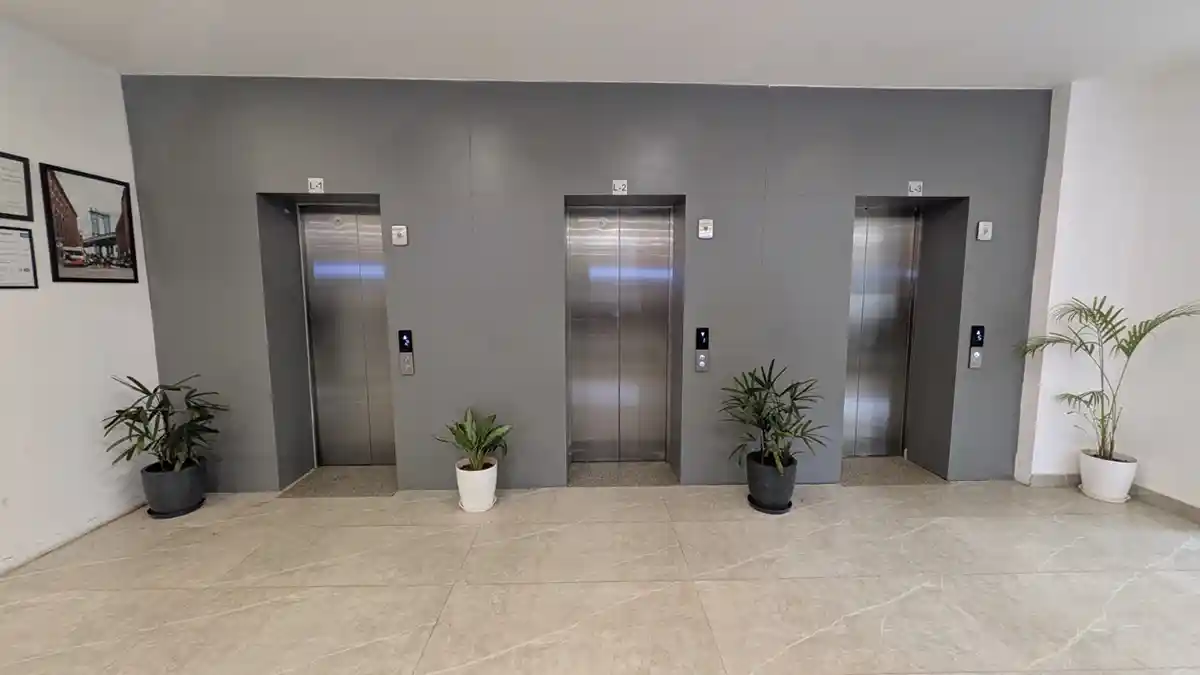
This means incorporating features like real-time monitoring, predictive diagnostics, remote connectivity, and interface readiness for automated guided vehicles, enabling synchronised movement of goods across floors without disruption.
The focus is both in design, operation, and sustainability. We are promoting energy-efficient drive systems, regenerative technologies, optimised motor sizing, and low standby consumption, along with materials and configurations that reduce lifecycle impact. At the same time, we remain conscious of not over-engineering. The system must stay intuitive, reliable, and consistent, delivering efficiency in everyday performance.
With IS 17900 being introduced, how is Gilco Global addressing enhanced safety requirements?
The introduction of IS 17900, aligned with EN81, is a welcome step. However, safety cannot be treated as a reaction to regulation; it has to be built into the system from the start. We are aligning our processes across design, installation, and maintenance accordingly. More importantly, we are reinforcing the fact that safety is not a stage; it is a continuous responsibility. Hence, a well-engineered and well-maintained system is inherently safer.How is Gilco Global addressing modernization and lifecycle maintenance of older systems?
When we started operations over a decade ago, we, along with our OEM partners, always approached elevator systems from a long-term perspective. From the outset, we focused on modular and scalable architectures, ensuring that systems installed today remain adaptable for the future.What we are now seeing is a strong validation of that approach. Several of our older installations have been successfully upgraded with contemporary features, without the need for complete system replacement, simply because the core design allowed for it.
Modernisation, therefore, is not about replacing everything; it is about making relevant, efficient interventions. With scalable controllers and modular configurations, upgrades in control systems, safety features and performance enhancements can be implemented seamlessly.
Equally important is lifecycle maintenance. Even the best-designed system requires consistent upkeep to perform reliably over time. The objective is not just a one-time upgrade, but sustained performance, adaptability, and long-term value.
Increasingly, stakeholders are also evaluating systems not just on installation, but on lifecycle reliability, compliance readiness, and service response capability.
How do you collaborate with architects and developers at the planning stage?
The difference between an efficient system and a compromised one often comes down to timing. If vertical mobility is considered early, it integrates into the building’s logic. If considered late, it becomes a constraint. We prefer early-stage engagement, and an understanding of how the building will function in terms of movement. Based on that, we work with architects and consultants on traffic planning, system configuration, and integration.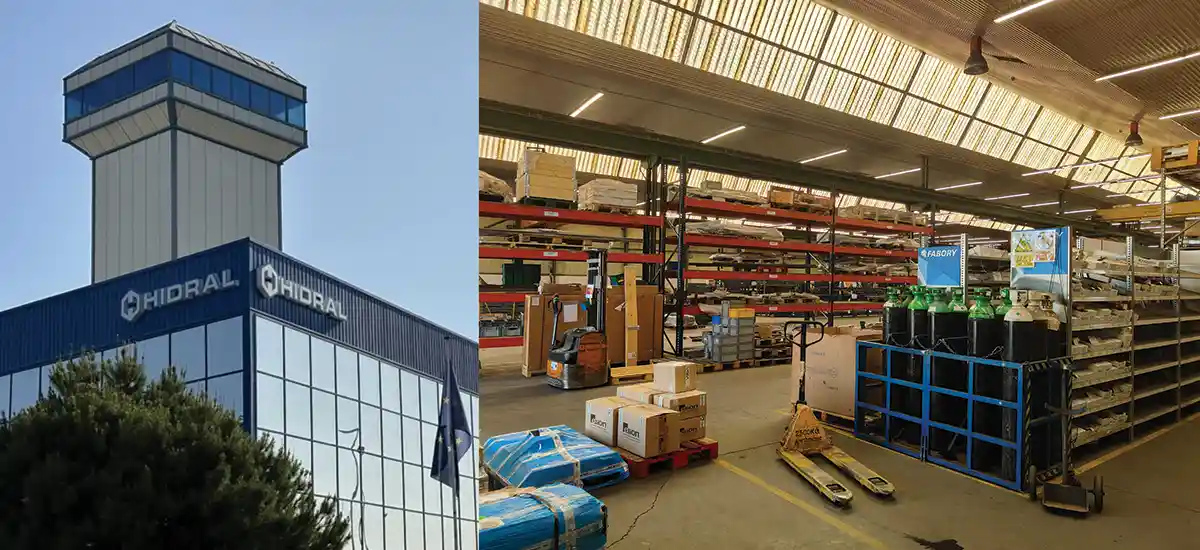
How is the demand for industrial freight elevators growing with the expanding manufacturing and logistics sectors?
The biggest shift has been in expectations. Earlier, freight elevators were treated as secondary systems. Today, they are directly linked to operational efficiency. Any delay impacts the entire workflow. Industries are now clearly asking for higher load handling without strain, reliability over long operating cycles, and customisation based on actual usage and layout. There is also a growing focus on durability and long-term performance. The conversation has moved from “what is available” to “what will work here, every day, without failure.”"There is a shift towards systems that are planned early, engineered correctly, and operate seamlessly. Energy efficiency, traffic optimisation, and user experience are now equally important."
What strategic advantages does your collaboration with HIDRAL S.A. bring?
Our collaboration stems from a clear gap that we observed on the ground. While passenger mobility has seen strong innovation, freight and service movement across industries is still often handled by systems that are not engineered for sustained heavy-duty usage.Through our partnership with HIDRAL S.A., we are bringing in purpose-built traction-based freight and goods lift solutions, specifically focused on the 1000 kg to 3000 kg segment, catering to industrial, warehousing, and commercial applications.
The strategic advantage lies in combining HIDRAL’s specialised European engineering with our local execution capabilities, market understanding, and service ecosystem in India. This allows us to deliver solutions that are not only technically robust but also scalable and aligned with Indian operating conditions.
From a business standpoint, it enables us to address a segment where the requirement is very clear –– reliability, safety, and consistent performance under continuous usage. For us, it is not just portfolio expansion; it is about introducing a focused vertical with engineered solutions designed for purpose –– not adapted as an afterthought.
What are Gilco Global’s plans for expansion across residential, commercial, and infrastructure projects?
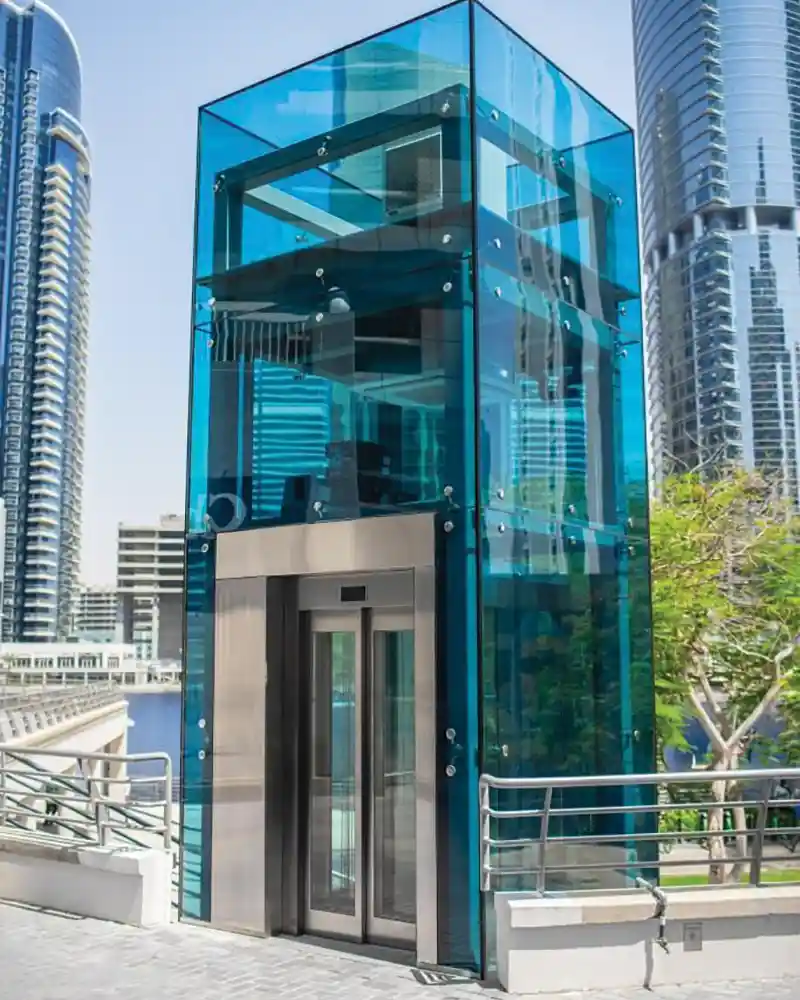
In parallel, we are strengthening our presence in industrial and freight mobility with robust traction-based systems handling 1000 kgs to 3000 kgs loads, engineered for continuous-duty environments. Our portfolio also includes specialised applications such as car lifts and dumbwaiters - both window-type and floor-type - catering to residential, commercial, and healthcare requirements. At the premium end, we offer ultra-luxury panoramic elevators that combine engineering with architectural aesthetics.
This diversified approach allows us to remain relevant across use cases - from individual homes to complex infrastructure projects - while staying committed to delivering solutions that are engineered for performance, adaptable to context, and built to last.