Expanding its tower crane portfolio for space-constrained and high-density construction sites, Potain has introduced the MCT 105 H5, designed to deliver rapid assembly, compact installation, and high lifting efficiency. The new crane integrates Potain’s B126 internal floor-climbing system with the S26 mast system, enabling flexible configurations and optimized performance for urban infrastructure and high-rise projects.
The MCT 105 H5 features compact 1.2-metre mast sections and can achieve a maximum freestanding height of up to 46 meters, depending on jib length. Standard tower elements are assembled using pinned joints for quicker and easier connections. The crane offers a tip load of 1 ton with a 60-meter jib and a maximum lifting capacity of 5 tons.

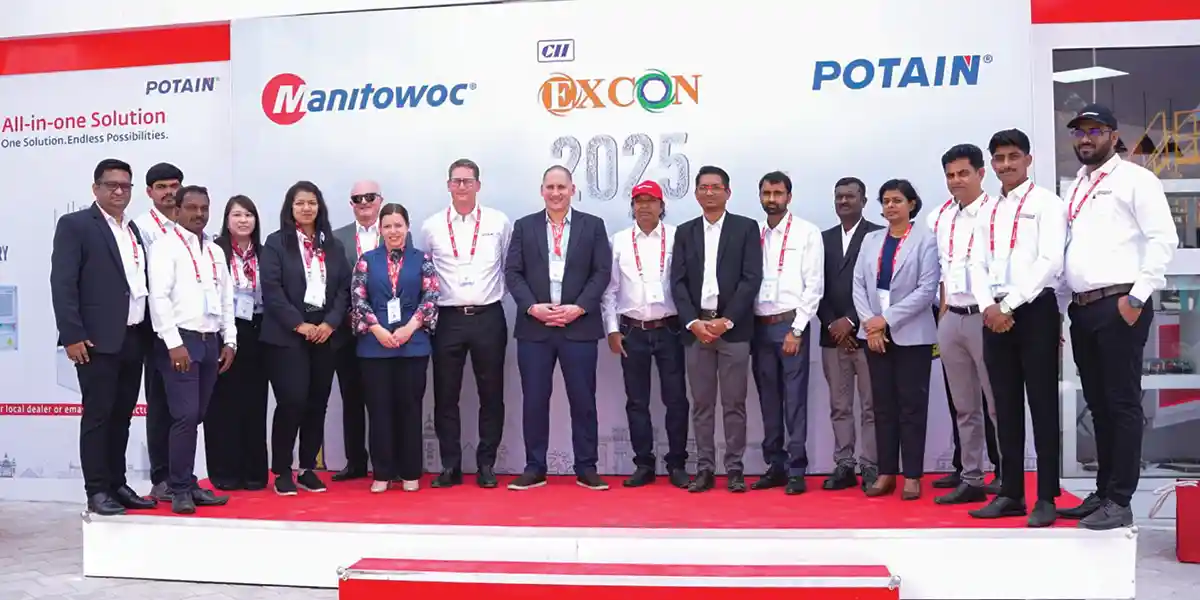
He added, "Historically, Potain’s tower crane engineering was centered in France, and specifications were tailored to the European market. However, based on our decades of experience in China, we have designed specific products for high-rise markets like Hong Kong, Singapore, and South Korea. Since the India market has very specific needs, we have combined technical elements from our French and Chinese product lines into these India-focused cranes.”
“Our Pune plant produces cranes for both India and export markets with identical quality standards and specifications. India is a critical market, and we need to ensure shorter lead times here. We also support the region with robust aftermarket services and timely parts availability.”
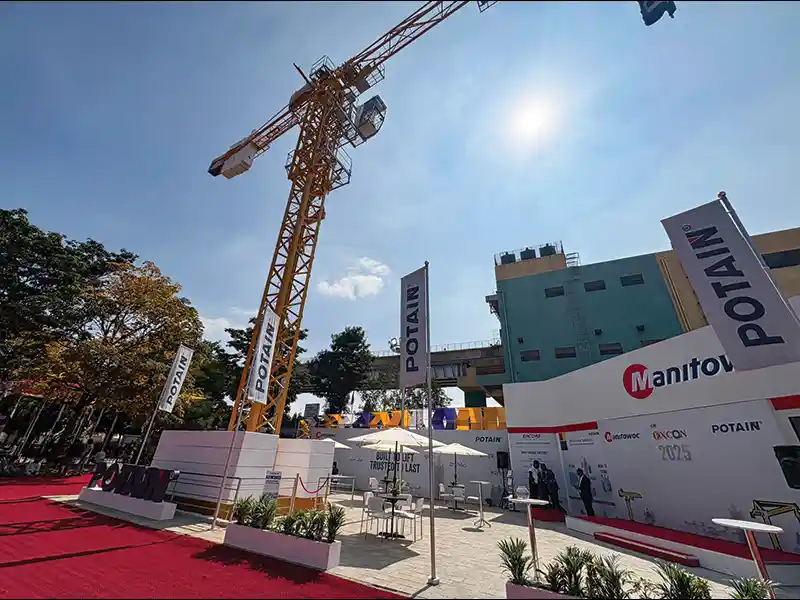
Highlighting the company’s legacy, Ravenscroft noted, “Potain has almost 100 years of experience in crane manufacturing. We use only high-grade steel to ensure strength and durability. Ease and speed of erection are critical design parameters, as time is money in the construction business.”
Addressing lifecycle value and sustainability, he concluded, “While Potain cranes may carry a higher initial investment, they offer a service life exceeding 30 years. We also offer remanufactured cranes from our Pune facility. This delivers long-term environmental benefits by reducing the need for new manufacturing and lowering carbon emissions, while also providing cost advantages.”