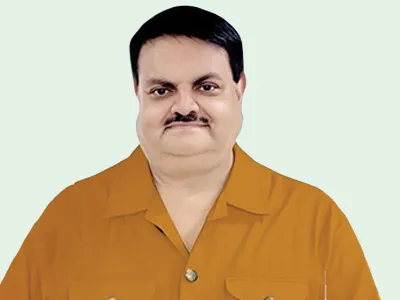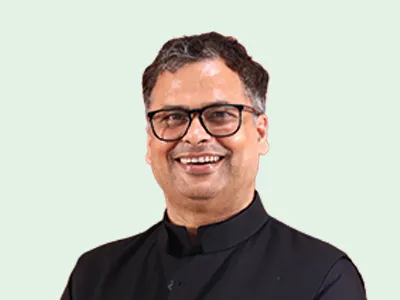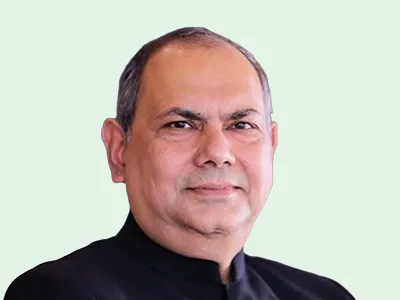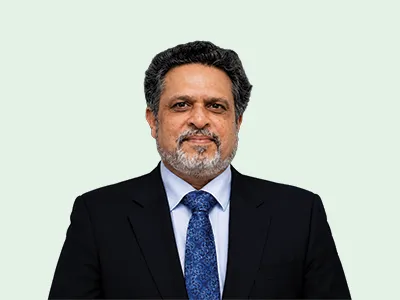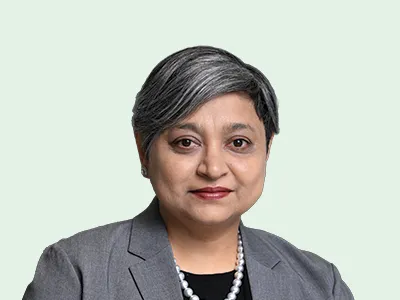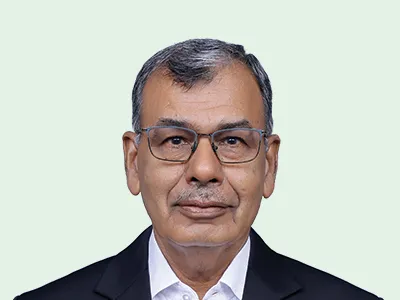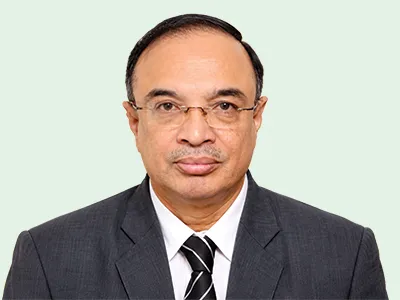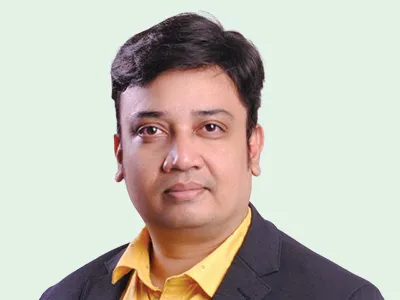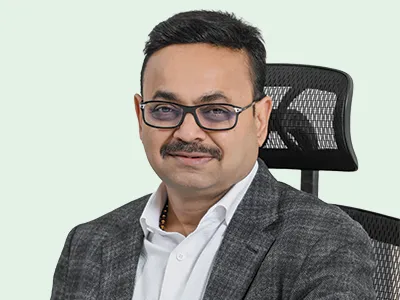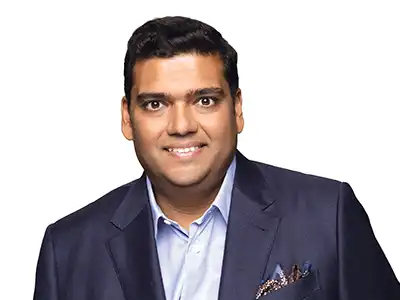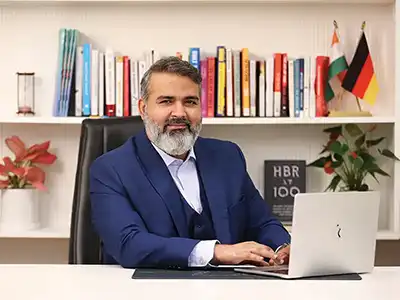
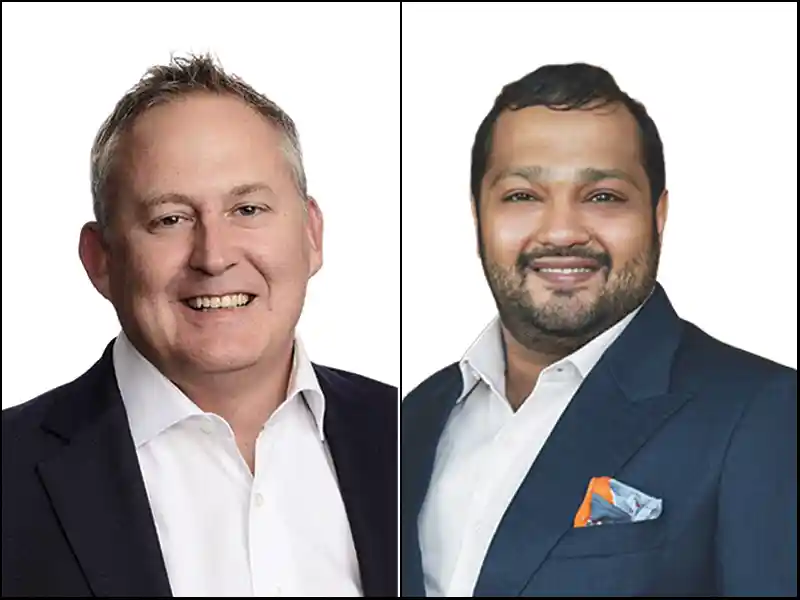
Ryan Kerr, CEO - Minova & Director - Minova Runaya, and Naivedya Agarwal, Managing Director – Runaya & Chairman – Minova Runaya, inform that they are combining local manufacturing strength with global engineering expertise with the aim of supporting contractors and project owners with reliable products and solutions that enhance safety and execution in India’s Infrastructure, Mining and Tunnelling sectors.
What types of ground-support systems are being manufactured at the company’s Bhilwara facility and what engineering principles are being followed in their design?
Ryan Kerr: The Bhilwara facility manufactures a comprehensive range of ground-support systems like rock bolts, friction bolts, self-drilling anchors (SDA), resin capsules, wire meshes, and related accessories. These systems are designed around fundamental engineering principles such as controlled load transfer, energy absorption, and compatibility with different rock mass behaviours. Rather than optimising for peak laboratory strength alone, the focus is on predictable performance under real excavation conditions, including variable rock quality, stress redistribution, and long-term deformation.
How are these products engineered to address India’s diverse geotechnical conditions, including water ingress and variable rock formations?
Ryan Kerr: India presents a wide spectrum of geotechnical challenges, from hard and brittle rock to fractured, water-bearing strata. Our products are engineered to function reliably across this range by combining appropriate material selection, surface treatments, anchorage mechanisms, and resin or grouting systems. Field experience from global markets is used to inform design choices, while local testing and site feedback help fine-tune solutions for Indian conditions. This ensures consistent behaviour even in complex or changing ground environments. After all, a ground-support system is only as good as its design, installation discipline, and field validation working together.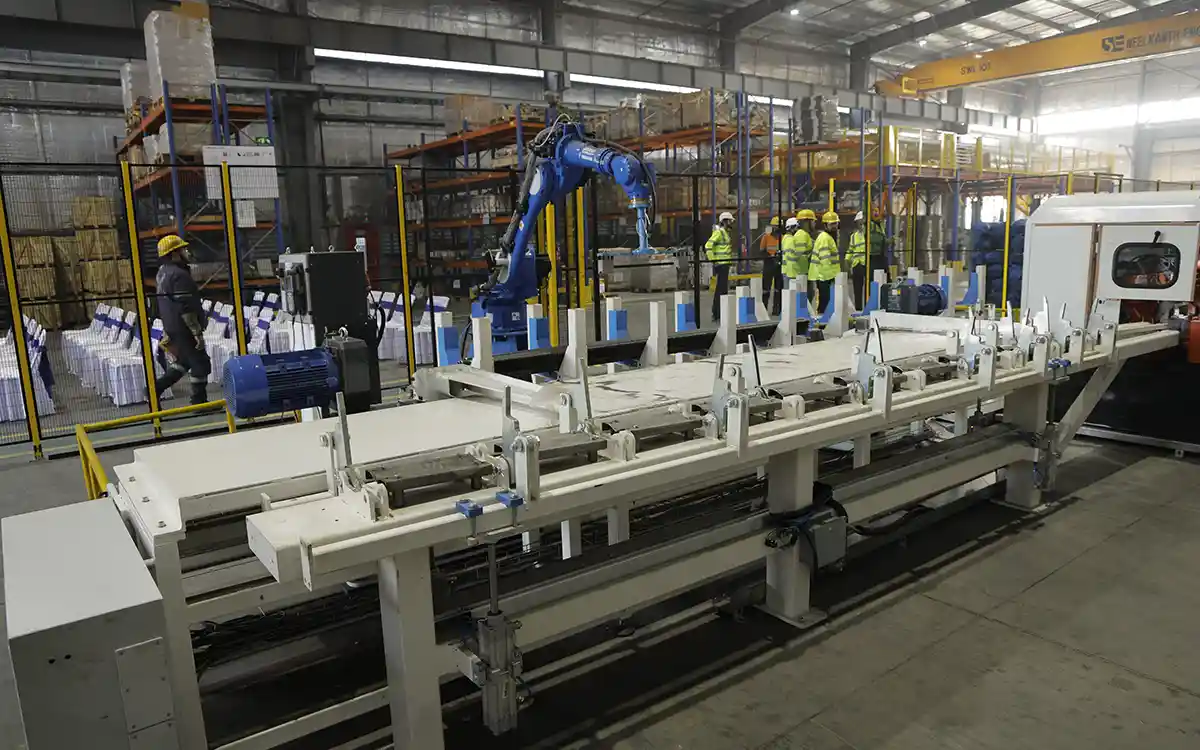
Safety is a critical concern in Infrastructure and Mining constructions; so how does Minova Runaya ensure safe and reliable performance onsite?
Ryan Kerr: Safety is embedded through a systems-based approach. This includes rigorous product testing, adherence to recognised quality standards, and validation through field trials. However, safety does not stop at product supply. We provide technical consultancy, onsite support during installation, and training for crews to ensure correct application. Performance monitoring and feedback loops further help identify improvement areas, enabling safer and more efficient project execution over time.How does localisation in manufacturing help support India’s infra projects in their execution?