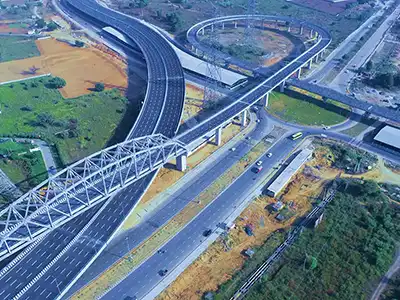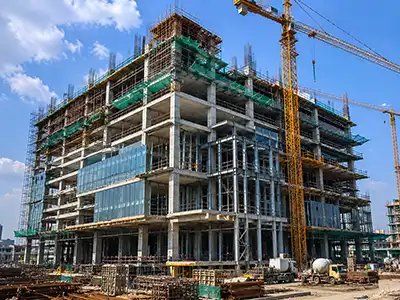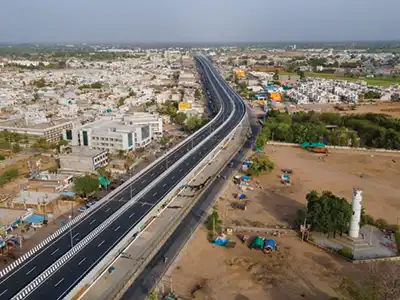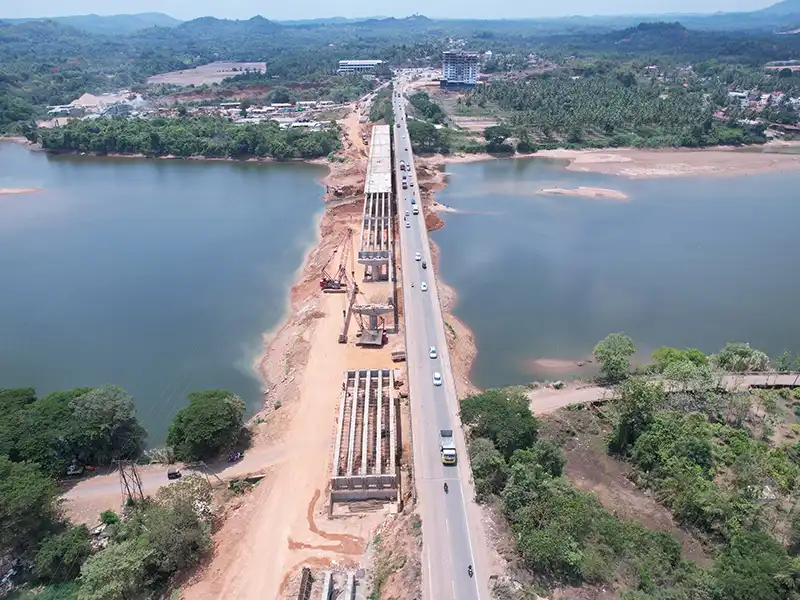

Amid these issues, the L1 bidding system often comes under scrutiny. Yet, the problem is not L1 per se, but how it is implemented and exploited. Awarding contracts purely to the lowest bidder has fostered an environment where quality is compromised by delivering short-term savings at the expense of long-term financial, social, and safety costs.
So, is the lowest cost L1 syndrome behind project failures? To understand the full spectrum of the L1 model and its implementation challenges, we reached out to over 40 stakeholders across the construction ecosystem: industry leaders and veterans, contractors, consultants, project owners, government officials, geotechnical experts, equipment manufacturers, and technology providers.
The response is overwhelming: they have not only identified loopholes in the current system but also proposed workable reforms, ranging from better DPRs, stricter prequalification, third-party audits, and lifecycle costing to adoption of global best practices as a step toward the broader goal of cultivating a ‘developed nation’ mindset, without which progress is arrested.
The answers are eye-opening and the message clear: unless we relook at procurement and enforce accountability, India will keep paying the heavy price of poor-quality infrastructure. And, to build infrastructure that is safe, sustainable, and world-class, the L1 approach needs more than a relook—it needs a reset.
Interestingly, a few major company heads have personally suggested that the Government should establish a dedicated commission to act as a catalyst between policymakers and industry stakeholders. This body could systematically analyze the valuable inputs, comments, and ideas shared by contractors, builders, project owners, consultants, and OEMs (as highlighted in our story), and then facilitate structured discussions on how the most practical and beneficial recommendations can be implemented for the greater good of the industry.
We invite you to voice your opinion and be part of a conversation that can drive meaningful change towards a (better) developed India. Please send your comments to
In today’s highway projects, L1 has become a race to the bottom, sometimes 30% below estimates, leaving contractors financially stressed and projects delayed.
Sanjay Kumar Nirmal
(Retd) DG (RD)&SS
MoRTH
Quality and Timelines at Risk
The “lowest bid wins” approach has been widely debated in India’s infrastructure sector, especially in highway projects. In recent years, bids have often been quoted 30% below estimates, even in NHAI projects. This has had serious consequences on both quality and timelines.Contractors quoting unrealistically low prices often cut corners on material quality, skilled labour, and safety measures. Many such projects are executed through large-scale sub-contracting to small contractors ill-equipped to deliver quality work, further compounding the problem. Durability suffers, leading to potholes, cracks, and frequent maintenance within a short time span. In fact, a large number of recent failures have been observed on roads and bridges even during the construction stage.
Timelines too are affected. Contractors who underquote struggle with cash flow issues, making it difficult to pay suppliers and workers on time. This results in stalled projects, re-negotiations, or even contract terminations. In some cases, firms deliberately bid low to secure work, expecting later cost escalations, disputes, or claims, which prolongs completion timelines and leads to litigations.
Unsustainable and Costly in the Long Run
L1 bidding also discourages sustainability. Since the focus is on the lowest initial cost, adoption of energy-efficient equipment, greener design, and environmentally friendly practices is ignored. Lifecycle costing is rarely considered, with emphasis only on initial CAPEX. Roads thus require more frequent repairs and maintenance, leading to higher total ownership costs and increased carbon footprint over time.Strained Contractors and Stifled Innovation
L1 also discourages investment in innovation and modern technology. With no incentives, contractors avoid adopting advanced methods like precast construction, digital monitoring, or sustainable materials. This perpetuates a cycle of conventional practices rather than encouraging modernization of highway construction.
Towards Better Procurement Models
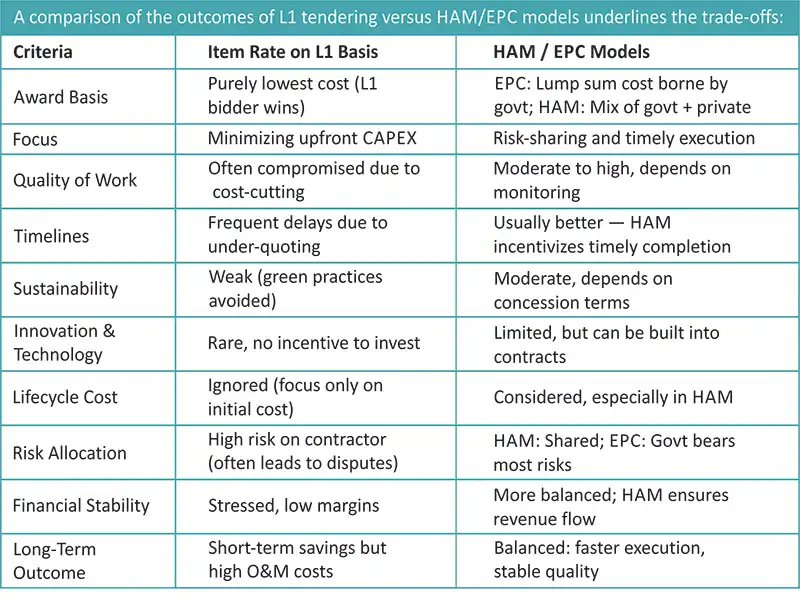
There is an urgent need to review the L1 criteria for awarding civil projects. Highway agencies could consider awarding contracts on a fixed-cost basis to the best technically qualified firms in select projects, particularly PPP models, where both technical competence and bid price may be evaluated. Weightage for past (good) performance should also be included as an incentive during the qualification stage.Thus, while L1 bidding ensures upfront cost competitiveness, it often results in compromised quality, delays, and unsustainable construction practices. Moving towards stricter contract management, lifecycle costing, and balanced procurement models like HAM and EPC is essential for sustainable highway development in India.
Even under the cost-focused L1 system, highway projects can maintain high quality by combining technical standards, performance-based mechanisms, and technology, proving that lowest cost does not have to mean lowest quality.
R.K. Pandey
Former Advisor – MoRTH & Member Projects (Technical) (Retd), NHAI

Highway Development: Balancing L1 Costs with Quality
The highway sector has been performing exceptionally well. Over the past decade, national highway construction has accelerated to 37 km per day, with several world records set. With the government’s strong focus on infrastructure and the ambitious Viksit Bharat plan, this momentum is expected to continue.Highway development involves procurement of Works and Services. Contracts for civil works are procured under works, whereas consultancy for preparation of Detail Project Report (DPR) and Supervision of Works are procured under procurement of Services. For civil contracts, where precise specifications for outcome can be defined, selection is primarily based on the lowest cost i.e. L1 system, whereas consultancy services, involves primarily non-physical project specific, intellectual and procedural processes where outcomes/ deliverables would vary from one consultant to another, Quality and Cost Based Selection (QCBS) system is adopted.
In QCBS initially the quality of technical proposals is scored as per criteria announced in the bid. Only those responsive proposals that have achieved at least minimum specified qualifying score in quality of technical proposal are considered further. After opening and scoring, the Financial proposals of responsive technically qualified bidders, a final combined score is arrived at by giving predefined relative weight ages for the score of quality of the technical proposal and the score of financial proposal. The minimum qualifying score and also the relative weight ages to be given to the quality and cost are specified in the bid documents. The proposal with the highest weighted combined score (quality and cost) shall be selected.
While L1 bidding ensures cost efficiency, there are often concerns about its impact on quality. In practice, a low bid does not necessary means compromise quality standards. Civil contracts specify safety, durability, and technical benchmarks/specifications. Only bidders meeting minimum technical, managerial, and financial thresholds are eligible. Further, works are accepted after inspection by the Engineer, who satisfy about the adherence to the specified specifications. However, to discourage unrealistic low bids, mechanisms like Additional Performance Security (APS) and longer defect liability periods are employed. Recent modifications in the General Financial Rules (GFR) also allow authorities to reject abnormally low bids when justified. Introducing contractor ratings based on past performance could as one of the qualification criteria in bid can further strengthen the bidding process and promote both quality and reliability.
In consultancy contracts, the QCBS model gives higher weightage to quality over cost, awarding the task to the consultant with the highest combined score. Yet, DPR quality often falls short. To address quality issues in Consultancy assignments, stakeholder consultations have led to key changes which included: consideration of past performance of Consultant, time-bound approvals/comments by the client on intermediate stages, built in variation clauses to address additional scope, capping of financial scores at level to be derived from quoted rates rather than the lowest rate etc. These measures aim to make DPRs more robust, timely, and reliable. Besides, a new system of award based on the fixed cost is also being implemented. In this system the cost will be predefined and the bidder who scores the highest technical scope shall be the successful bidder.
Evolution of Execution Models
The highway sector has been a pioneer in introducing diverse execution models to the industry. The journey began with item-rate contracts funded entirely through public resources. Recognizing that public funding alone could not address all the deficiencies, Public Private Partnership explored, including Built-Operate Transfer and its variants i.e. BOT (toll) and BOT (annuity), were introduced to supplement government resources. While these models initially showed promising results, leading to taking up major portion of development of Highways through Public Private Partnership. However defaults on both sides highlighted their limitations leading to adverse effect on the projects. Many projects stalled.To maintain momentum, the Engineering Procurement Construction (EPC) model, fully public-funded with freedom to design to the Contractor, was introduced. Acknowledging that EPC could not be a long-term solution due to resource constraints, the Hybrid Annuity Model (HAM) was developed, providing partial government support while sharing risks with the private sector. Along the way, several stretches constructed through public funding were opened for toll collection. To better leverage toll revenues, Operation, Maintenance and Toll (OMT) and Toll Operate and Transfer (TOT) models were also implemented.
Each of these models differs in how risks are allocated between the contractor or concessionaire. Over time, they have been designed to address varying levels of risk and resources, ensuring efficient highway development while encouraging private participation.
Technology Adoption in Highway Construction
Civil engineers have traditionally been slow in adopting new technologies, but the highway sector has seen meaningful efforts to bridge this gap, ensuring that cost-focused L1 projects do not compromise quality. Technology adoption in highways includes mandatory use of LiDAR for DPR preparation, software tools for finalizing alignments, introduction of new IRC specifications covering panel concrete, high-performance bituminous mixes, recycling, long-span bridges, and integrated bridge designs. In the operation and maintenance phase, tools such as Network Survey Vehicles (NSV) for road condition monitoring, FASTag for toll collection, ATMS for traffic management, and structural health monitoring of bridges, exemplify technology integration.Another challenge is that new technologies often come with monopolistic specifications, making them difficult to integrate under the traditional item-rate contract system. To overcome this, newer implementation models such as BOT, HAM, and EPC have shifted the focus from process-based specifications to performance-based outcomes.
The government has actively promoted technology adoption through enabling policies, yet challenges remain. Field units often hesitate to adopt new materials or processes due to a lack of confidence and fear of failure. To address this, a system of technology accreditation has been introduced, where expert committees prepare a vetted list of technologies that can be safely adopted.
A landmark pilot project on the Lucknow–Kanpur Expressway collected detailed data on construction speed and quality using sensors installed on equipment. Following its success, plans are underway to equip grading, paving, and compaction machinery with Automated & Intelligent Machine-aided Construction (AI-MC) systems for future projects. This approach minimizes human error, aligns L1 cost pressures with quality expectations, and represents a shift from mechanization to digitalization in highway construction.
Adopting QCBS with minimum technical thresholds has proven effective in ensuring durable outcomes, even if the initial costs are higher.
Rubee K
Superintendent Engineer
Manipur PWD

Pitfalls of the L1 Tendering Approach
Although introduced for cost-effectiveness, the L1 system of tendering often overlooks vital aspects such as quality and timely project completion. Predatory bidding, where contractors quote abnormally low prices to secure projects and then attempt to recover losses during execution, has become common in public infrastructure. This results in compromised quality, with contractors deploying minimal resources and unskilled labour to cut costs. In National Highway projects, bids have gone as low as 47% below estimates, leading to frequent litigation as contractors exploit legal loopholes to avoid execution. Such practices not only compromise quality but also cause significant delays, undermining the purpose of timely infrastructure delivery.Moving Towards Quality and Value-Based Procurement
To address these challenges, reforms must focus on rewarding quality and penalizing poor performance. A system that incentivizes superior execution while discouraging delays can help restore balance. Adopting QCBS with minimum technical thresholds has proven effective in ensuring durable outcomes, even if the initial costs are higher.Strengthening institutional safeguards is equally important. Procurement policies must evolve from mere cost-cutting to value-building, with a focus on quality, fitness for purpose, and long-term sustainability. Building lasting infrastructure demands discretion and vision, not just the lure of the lowest price.
One of the biggest challenges with L1 is that contractors sometimes bid unrealistically low just to keep their resources engaged, even when the project is not financially viable. This raises questions on execution and sustainability.
Anurag Sinha
Executive Director
EIL

Market Pressure Behind Unsustainable Bids
The L1 bidding system has been prevalent for long now, and while it does not always go against the intended requirement, we are increasingly seeing bids that are extremely low. Even consultants often wonder how such contractors will perform at that cost. In many cases, bidders may not have fully understood the project scope or they are participating simply to keep their resources engaged, even if the job is not financially viable. Such practices raise concerns about execution and sustainability.To counter this, the industry has introduced pre-tender meetings before floating the NIT. Apart from scope, other salient features viz Schedule, Draft qualification criteria are discussed with participants so that contractor can understand the scope and at the same time owners and consultants understand market conditions and can tweak criteria upfront. During Covid, for example, the requirement of past five years’ experience was relaxed to seven or eight years to account for the disruption. These adjustments ensured good bidders were not excluded and that projects had healthy competition.
Moving Beyond Pure L1
Recent updates from the Department of Expenditure, GoI, have introduced alternatives to the pure L1 system. For quality oriented procurement, QCBS method balances technical and commercial evaluation, with ratios ranging from 50:50 to 80:20 depending on the project. This ensures that technically strong organization's can take leeway of their expertise.
Reverse auctions are also being adopted, where prefilled rates eliminate abnormally high or low pricing on individual line items. Limited inquiries provide another option, especially for projects of national importance or stringent deadlines. In such cases, inquiries can be floated only to a prequalified list of reliable agencies. Where no such list exists, an Expression of Interest (EOI) is invited, ensuring openness and fairness while still applying filters.
There are also cases of nomination or single-agency selection. For highly sensitive projects, or where original equipment manufacturers (OEMs) or licensors specify certain agencies, work may be directly awarded to one entity. Such awards still require price negotiations, due diligence, and adherence to approval protocols, but allow flexibility when quality and reliability are critical.
Policy Evolution and Future Direction
Problems are part of life, but policymakers under the leadership of the Honorable Prime Minister are showing greater sensitivity to industry concerns. They actively issue guidelines, seek feedback, and make amendments as required. This responsiveness has led to faster communication and implementation of policy updates.As India works towards the vision of Viksit Bharat 2047, procurement practices are being refined to adopt best global standards. Earlier priorities focused on providing basic needs, but today the built environment demands another phase of development and redevelopment. Manuals may not change drastically overnight, but amendments continue to evolve.
Emerging technologies like AI are also being explored to fast-track procurement cycles, reducing timelines from six months to as little as one month for urgent projects. Ultimately, the key lies in knowing the available options, technical, financial, and commercial, and applying them in line with government guidelines.
The issue with L1 isn’t the system itself, but the absence of safeguards for quality. When bids go unrealistically low, infrastructure suffers, roads, bridges, and embankments face compromises that affect long-term durability and safety.
Dimitrov Krishnan
Managing Director
Volvo Construction Equipment

The Price of Unhealthy Bidding
From a project perspective, the L1 system is hitting very hard. The way evaluations are done, coupled with the desperation of some contractors to win projects, has taken bidding to unhealthy levels. Estimates no longer have meaning when bids go 20–30% below them. This raises a critical question: are we accepting substandard work at such low prices?Even though measures such as additional Earnest Money Deposits (EMDs) or performance securities exist, they are not deterring contractors from taking projects at extremely low pricing. The result is compromised quality. Over the last six months, we have seen infrastructure disasters almost every week, bridges collapsing or embankments washing away, sometimes exacerbated by poor road construction. The collateral damage caused by such cost-cutting is huge, yet unquantified.
In many infrastructure projects, the finish quality suffers. A flyover or a major road project costing thousands of crores may have poor finishing, exit roads without consideration for safety, inadequate signages, uneven dividers, poorly maintained landscaping and joints that are not smooth. These highlight serious problems in how the L1 system is implemented.
In my view, the problem is not entirely with the L1 process itself but with the absence of safeguards for quality. Contractors and consultants exist within the system, but quality often takes a backseat. This suggests a flawed system, or perhaps a mindset problem, where people are not willing to play by the rules of delivering high-quality work.
In equipment purchases by PSUs, the situation is slightly better though. A PSU buying a machine for a 10-year lifecycle can bundle maintenance costs with the equipment price and still ensure safeguards. The manufacturer can bid competitively while guaranteeing quality over the long term. In road projects, however, there are no such safeguards, leading to unhealthy pricing. Equipment suppliers need margins to sustain quality and service; if prices are extremely low, it signals trouble down the line.

Private sector projects present a sharp contrast. At Bangalore International Airport, the 6–7 km access road from the toll gate, with flyovers and other features, is built to international standards. The surface quality is so precise that it can be compared with roads in Singapore. The reason is simple: private developers own the asset and intend to use it long-term, so quality is a priority. Models like BOT work well to ensure quality, but they have not been widely adopted in India, partly due to funding issues. EPC projects face bigger challenges, as seen in a Road project in a Southern state where an entire embankment washed away despite being executed by contractors historically reknowned for quality.
Cost Pressures and Compromised Equipment Choices
The pressure to go for lower-cost equipment is very real. Contractors often do not have sufficient mobilization advances to buy high quality equipment, nor do they have incentives to deliver superior work because their margins are already squeezed. From day one, the mindset becomes: reduce expenses wherever possible and skip anything that seems optional but could help deliver better quality.Prioritizing Quality for a Developed India
There is a serious problem with the current system, and those involved in tendering and policymaking need to think seriously about it. Being a developed nation is not just about quantity; it is also about the quality of infrastructure, economy, peoples lives, health, and education. While a developing country can focus on quantity, a country aiming for developed status must prioritize quality. To achieve this, India first needs to cultivate a “developed nation mindset.” Without this mindset, without prioritizing quality and accountability, corruption and self-interest dominate, and progress remains stalled.Another critical issue is the qualification criteria for contractors. Post-Covid, these criteria were lowered, allowing almost anyone to bid. Stronger criteria should be reinstated, ensuring that only contractors with proven experience in executing high quality projects, rather than JVs or partial work, are eligible. Currently, many contractors are even entering projects where they have no experience with very low bids that are further underlining the unhealthy trends in the system.
The L1 system could still work, but only if quality safeguards, strong contractor qualifications, and realistic pricing expectations are strictly enforced. Without these, the path toward a Viksit Bharat remains at risk.
The financial stress caused by underbidding not only compromises execution quality but also raises the risk of stalled or abandoned projects.
Vikas Sharma
CEO & Founder
Vikas Sharma Global Infratech LLP

Impact on Quality, Timelines, and Sustainability
The L1 system has long dominated infrastructure procurement in India. Its appeal lies in its simplicity and transparency, awarding projects to the lowest financial offer. While this may create short-term cost savings, it has increasingly come under scrutiny for its adverse effects on quality, delivery timelines, and long-term sustainability.L1 bidding fosters intense price competition, leading contractors to underquote in order to secure projects. This often results in compromises on construction materials and skilled manpower, and a reluctance to adopt modern technologies. The outcome is infrastructure that deteriorates faster than expected, pushing up maintenance costs and eroding public trust.
Unrealistically low bids are also tied to aggressive schedules, which contractors struggle to meet once projects are awarded. Delays and cost overruns become frequent, undermining the intended efficiency of the system. Furthermore, environmental safeguards, durable designs, and energy-efficient practices are often sidelined, weakening the sustainability and resilience of public infrastructure.
Long-Term Risks and Hidden Costs
While the L1 system appears to generate savings at the bidding stage, hidden costs surface over time. Inferior quality construction demands frequent rehabilitation, creating a cycle of escalating maintenance costs. Financial stress from underbidding raises the risk of stalled or abandoned projects, while poor execution compromises structural safety. Unrealistic commitments also trigger disputes and litigation, further increasing costs. Ultimately, the financial burden shifts from procurement to operations and maintenance, reducing the efficiency of public spending.Building a More Balanced Procurement Framework
Moving towards value-for-money requires reforms that go beyond the lowest price. The QCBS model can balance technical competence with financial considerations. Pre-qualification based on past performance, financial stability, and technical expertise ensures only viable bidders move to the financial stage. Clear evaluation guidelines, e-tendering, and independent audits can enhance transparency and fairness.Policy reforms must also emphasize life-cycle costing, performance-based contracts, and balanced risk allocation through models like PPPs and Dispute Avoidance Boards. Stronger penalty–reward mechanisms can discourage poor performance while incentivizing innovation and timely delivery. Finally, building capacity among procurement officials is critical so that technical and financial evaluations are conducted holistically, reducing over-reliance on cost alone.
Contractors who secure projects with unrealistically low bids may struggle to deliver within budget and timelines. This often results in repeated requests for contract variations, deadline extensions, or in severe cases, project abandonment.
Nagesh Veeturi
Executive Director – Civil
KEC International
National Council Member, Construction Federation of India (CFI)

L- 1 Incentivizing a ‘Race to the Bottom’
India’s infrastructure development is at a pivotal juncture, and the procurement model adopted for public projects plays a decisive role in shaping their quality, efficiency, and long-term value. The traditional L1 bidding system, where contracts are awarded to the lowest financial bidder, has come under increasing scrutiny for its adverse impact on both infrastructure quality and project delivery. The model often incentivizes a "race to the bottom," with contractors compromising on material standards and construction practices to meet unrealistically low bid values. This results in infrastructure that lacks durability and demands frequent maintenance, undermining the return on investment.Reliance on basic pass-fail criteria for technical qualifications often overlooks highly experienced and capable firms in favor of the lowest price, regardless of their ability to manage complex projects. Timely execution is another casualty of the L1 approach, with abnormally low bids being financially unviable, leading to delays, excessive contract variations, or even project abandonment.
Adaptive Strategies Amid Challenges
Given the inherent issues in the L1 system, such as compromised quality, unrealistic bids, and project delays, leading contractors are adopting adaptive strategies to deliver high-quality outcomes despite these constraints.Strategic tender selection through risk profiling helps contractors pursue opportunities where they hold a clear advantage, avoiding projects with unclear specifications or clients with a history of disputes. Lean bidding practices embed mechanisms to recover costs through well-documented claims for variations. Lean construction methodologies minimize waste, optimize supply chains, and enhance on-site productivity, allowing projects to be delivered at lower actual costs without compromising quality. Investments in advanced machinery reduce reliance on manual labour, improving speed, precision, and build quality.

Contractors also prioritize reliable partners and suppliers to maintain consistent performance, while a strong focus on safety enhances productivity and minimizes delays. Rigorous in-house quality assurance systems, including checks on raw materials and continuous supervision, ensure that winning an L1 contract does not equate to compromising on quality.
Making the Shift from Cost Minimization to Value Maximization
To address the challenges of conventional low-cost bidding, the Quality-cum-Cost Based Selection (QCBS) model is gaining traction, assessing bids through a weighted combination of technical merit and financial offer. Life-Cycle Cost Analysis (LCCA) further strengthens decision-making by factoring in total ownership costs, including maintenance and eventual decommissioning. Prioritizing proven performance and thorough technical evaluation ensures that only capable firms secure contracts, reducing risks tied to unrealistic low bids.Beyond bid evaluation, systemic reforms are essential for sustainable infrastructure growth. Transparent, publicly accessible bid openings, balanced-standardized tender documentation, and independent audits of Detailed Project Reports (DPRs) enhance fairness and reliability. Equitable risk allocation and performance-based incentives, such as rewards for early completion, superior quality, and innovative solutions, shift the focus from cost minimization to value maximization. Specialized approaches like the Fixed-Price, Highest Technical Score (T1) model, which awards contracts based solely on technical excellence, further promote accurate and actionable DPRs.
DPRs vs. Ground Reality
Despite their critical role in shaping infrastructure projects, Detailed Project Reports (DPRs) in India often fall short of the reliability and depth required for effective execution. Many DPRs fail to capture the complexities of on-ground conditions as well correct market rates required to execute, resulting in significant implementation challenges. Inaccuracies in these reports can lead to delays, cost overruns, and design revisions that compromise project efficiency and stakeholder confidence. A recurring concern is the limited scope of on-site investigations. Instead of comprehensive fieldwork, some DPRs rely heavily on desktop research or satellite imagery, yielding incomplete or misleading data. This affects critical parameters such as traffic projections, geotechnical conditions, utility mapping, and land acquisition hurdles, all vital for informed decision-making.Another challenge stems from the consultancy bidding model, which favors the lowest financial offer. This can prompt firms to cut corners in DPR preparation, producing optimistic cost and timeline estimates that often diverge from actual project outcomes, leading to higher expenses and delays.
Systemic Reforms to Strengthen DPRs
As India accelerates its infrastructure ambitions, DPRs must evolve to match the scale and complexity of modern development. Enhancing precision through advanced survey technologies such as drones, LiDAR, and 3D laser scanning should be mandatory. These tools generate high-resolution topographical data and digital models, eliminating guesswork and ensuring DPRs reflect actual ground conditions. Integration with centralized digital platforms, like PM Gati Shakti, allows consultants to account for land acquisition challenges and utility relocation requirements from the outset, reducing downstream disruptions.Accountability mechanisms, such as performance bank guarantees, can make consultants financially liable for major inaccuracies, ensuring greater diligence throughout the report preparation process. Multi-disciplinary collaboration and early engagement with local communities and stakeholders help identify latent challenges such as social resistance or region-specific needs, which, if overlooked, can lead to costly delays.
Finally, rigorous validation of core assumptions, covering soil bearing capacity, traffic forecasts, and material availability, ensures that DPRs are not just visionary documents but actionable frameworks grounded in real-world conditions.
When DPRs are funded at less than 1% of project cost, far below the global 3–5% standard, the accuracy of planning suffers. Coupled with L1 bidding, this often explains why projects see delays and cost overruns.
Preiti Patel
Treasurer, Construction Federation of India & Chief Strategy & Growth Officer (CSGO)
Tata Projects

When Lowest Price Overrides Quality
Under the L1 bidding system, contractors face pressure to quote the lowest price, which often results in compromises in quality, safety, and durability. Bidders cut corners in design, materials, manpower, and safety standards, leading to delays, cost overruns, and in extreme cases, structural failures. The fallout includes poor maintenance from substandard materials, unrealistic timelines causing disputes, and safety risks due to inadequate training and equipment. Liquidity crunches also emerge when scope changes are introduced without sufficient contingency funding. Moreover, the focus on cost sidelines sustainability and environmental compliance, resulting in practices that fail to meet global infrastructure standards and become unsustainable in the long run.Despite these risks, leading firms attempt mitigation through value engineering, cross-subsidization across project components, adherence to safety and EHS benchmarks, use of mechanization and digital tools, and strategic partnerships with skilled vendors and consultants. Still, systemic reform remains essential.
DPRs: Blueprint or Bottleneck?
DPRs in India are underfunded and frequently unreliable, with allocations often less than 1% of project cost, compared to the global standard of 3–5%. NITI Aayog (2019) reported that 70% of projects face delays or cost overruns due to poor DPRs. These documents often fail to capture real-time challenges such as geological conditions, weather disruptions, labor shortages, and material supply issues, which leads to flawed planning, delays, and safety hazards.A well-prepared DPR, however, serves as a strong blueprint, covering technical design, financial structuring, environmental safeguards, and risk factors. Yet, ground realities such as land ownership disputes, shifting regulations, or market escalations are not always fully reflected. Hence, DPRs must be treated as guiding but adaptable documents.

To improve accuracy, India should allocate at least 2% of project costs toward DPR preparation, allowing for thorough feasibility studies and risk assessments. Specialized engineering firms should handle DPRs to ensure technical precision, supported by third-party reviews for compliance and risk validation. Introducing penalties for consultants providing flawed reports, along with creating a centralized repository of past DPRs, can significantly improve future planning.
When DPRs are paired with robust stakeholder consultations, validation against field data, and adaptive execution planning, their reliability and effectiveness increase substantially.
Policy Measures to Reduce Risk
For India to move beyond the pitfalls of L1, policy and governance reforms are crucial. A National Construction Policy should clearly define goals, timelines, and measurable benchmarks while embedding sustainability, technology adoption, and financing models. Digital governance can streamline project execution through technology-driven platforms for approvals, resource allocation, and tracking timelines, thereby reducing paperwork, regulatory delays, and inefficiencies.Liquidity challenges can be eased through single-window approval and payment systems, centralized digital platforms for billing, and stricter penalty clauses for delayed payments. A 2% cap on performance securities would further reduce the financial burden on contractors. Financial resilience can be strengthened by enabling access to loans, NBFC funding, or equity investments. Additionally, a special monitoring cell for large-scale projects of national importance can track progress, resolve bottlenecks, and expedite delivery.
Moving Beyond Lowest Bid
Going beyond pure L1 bidding requires adopting models like QCBS (Quality and Cost-Based Selection), value-based evaluations, and alternate commercial models. Performance benchmarking, value-for-money scoring, and linking payments to milestones can improve accountability. Minimum standards for sustainability and safety must be mandated in all bids to ensure quality infrastructure.By investing in stronger DPRs, adopting modern procurement models, and implementing governance reforms, the country can move from a lowest-cost approach to one that prioritizes value, transparency, and resilience.
India must move beyond a one-size-fits-all L1 approach, which should be reserved for simple, standardized projects, while complex projects should adopt HAM or QCBS to prioritize long-term value.
Col Rajeev Sood (Retd)
Secretary General - HOAI
& Former Executive Director - NHIDCL

The Double-Edged Sword of the L1 System
The L1 bidding system has driven transparency, cost efficiency, and competition in India’s road sector, helping expand the national highway network by 60% since 2014, with construction touching 33.83 km per day in FY24.However, over-reliance on this system has created a "low-cost syndrome," where the emphasis on the lowest price compromises long-term quality, safety, and sustainability. To secure bids, contractors often submit "abnormally low bids" (ALBs), forcing them to cut corners on materials, labour, and safety protocols. This has been tragically illustrated by incidents such as the Vivekanand Flyover collapse in Kolkata and the Morbi Bridge collapse in Gujarat, where lowest bids contributed to catastrophic failures.
While upfront savings appear attractive, they often result in higher life-cycle costs due to frequent repairs and premature overhauls. The system also discourages innovation by favoring cheaper, traditional methods over advanced technologies. Hyper-competitive bidding leaves projects financially strained, pushing contractors to depend on Change of Scope (COS) provisions, while still bearing heavy upfront costs for bid security and site investigations.
MoRTH’s Policy Reforms
In response to challenges posed by the L1 system, the Ministry of Road Transport and Highways (MoRTH) has strengthened bidding criteria by tightening financial and technical eligibility for HAM and EPC projects. For HAM projects, the minimum financial capacity has risen to 20% of the estimated project cost from 15%. For EPC projects, minimum net worth has doubled to 10%, and average annual turnover has increased to 20%.To curb abnormally low bids, MoRTH has introduced an Additional Performance Security (APS) regime. APS is triggered for bids just 10% below the estimated cost, with no cap on the amount, deterring predatory pricing and ensuring financial stability.
For consultancy contracts on DPRs, MoRTH has shifted from L1 to T1, awarding contracts based on the highest technical score with a fixed fee. This strategic move prioritizes quality over upfront cost savings, aiming to prevent long-term delays and project issues.
Emphasizing Value Over Lowest Cost
The L1 system is not the only procurement model. Alternatives like the EPC model enable faster project delivery, while the HAM model shares risk and funding between the government and private developer, making projects more viable. The QCBS model, now used for DPRs, prioritizes technical expertise for complex projects. For asset monetization, Toll Operate and Transfer (TOT) contracts are awarded to the highest bidder (H1).To achieve its ambitious infrastructure goals, India must move beyond a one-size-fits-all L1 approach. L1 should be reserved for simple, standardized projects, while complex projects adopt models like HAM or QCBS to prioritize long-term value. A shift from focusing on initial costs to life-cycle costing is essential. By considering long-term maintenance and operational expenses, the government can select bids that deliver the best value over the project’s lifetime.
Infra projects must prioritize technology and machine efficiency over just the lowest bid. While upfront costs may be higher, advanced technologies reduce long-term expenses.
Deepak Garg
Vice Chairman & Managing Director
Sany Heavy Industry India Pvt Ltd

Transparency vs. Technology
For any economy, company, or a large corporation to survive, the bidding system has its own advantages. It brings transparency and pushes organizations to perform their best, as they compete with the strongest players in the industry. The buyer benefits by getting the most competitive product in the market.The main limitation arises in terms of product quality and technology. In both civil infrastructure projects and equipment procurement, generic specifications often lead to dilution of innovative, efficient, or new-energy technologies. Today, we remain dependent on diesel products because bidding primarily favors the cheapest option rather than promoting advanced alternatives such as electric equipment.
Impact of Specifications on Buyer Decisions
The bidding process begins with the specifications set by the organization. These specifications are the main decision point in determining the type of technology being sought. Moderate or vague specifications discourage top-level companies from participating, while generic tenders push buyers toward low-cost, low-tech equipment.
For example, a tender that merely states “use an excavator” allows low-tech options. However, if the specifications require an excavator that delivers 300 cubic meters per hour, with defined fuel efficiency, internet capability, and fleet management capability, the buyer would be compelled to choose higher-technology options. Weak specifications, therefore, shift buyer preference towards cheaper equipment and reduce participation of advanced technologies from premium companies.
Recommendations for Better L1 Implementation
When framing bids, it is essential to clearly define the technological improvements being sought. Policymakers should ensure specifications demand high-tech, efficient, and future-ready equipment rather than generic requirements.Adopting advanced technologies does not always increase overall project cost. While initial purchases may be higher, long-term costs often decrease. Preferential clauses could be introduced, similar to MSME provisions, where a technology that exceeds specifications and is within 10% higher in price still receives preference.
Incentivizing technology and localization are also important. Current incentives like Minimum Local Content (MLC) can be enhanced; bidders offering higher local content should receive additional preference.
The defense sector provides a useful example: fighter jets are procured based on critical specifications rather than the lowest price. Similarly, construction equipment and infrastructure projects should prioritize the latest technology and efficiency, rather than focusing solely on L1.
While the L1 bidding system pushes contractors to strike a balance between cost, quality and safety, ultimately, the true differentiator is efficiency --- not compromise.
Harendra Singh
CMD
HG Infra Engineering

Cost Competitiveness and Sustainable Value
The L1 bidding system emphasizes cost competitiveness, but success goes beyond being the lowest bidder; it is about delivering sustainable value. Meticulous resource planning, mechanization, strategic supplier partnerships, and risk mapping are practices that help control costs while safeguarding quality and safety. At the same time, robust QA/QC and HSE frameworks must be non-negotiable, ensuring durability and compliance, despite price pressures. With standardized checks, advanced lab testing, and digital innovations such as BIM, drones, and AI, contractors can minimize rework and wastage, and stay competitive while upholding workmanship and safety.Investing in training, safety programs, and skill enhancement will make the workforce productive and safety-first. Companies that are guided by strong governance and transparent processes, and which follow a lifecycle-driven approach (so that every asset achieves its intended design life), will build trust by delivering durable, safe, and high-quality infrastructure. For us, the L1 framework is an opportunity to demonstrate that cost competitiveness and uncompromised quality can coexist.
Hidden Costs of Lowest-Bid Procurement
Before Covid-19, when pre-qualification norms were tighter, EPC projects were awarded around 15% above cost and HAM at 22–25% above, allowing for practical execution. Post-Covid, with relaxed PQ conditions, bids have fallen as low as 40–45% below in EPC and 15–20% below in HAM—levels that are unsustainable over the long term.Prioritizing the lowest bid may appear attractive in the short run, but its hidden costs are significant. Projects awarded solely on price often face compromised quality, safety lapses, and structural deficiencies, resulting in higher lifecycle expenses through frequent maintenance, premature repairs, disputes, and delays. What is saved upfront is frequently outweighed by rectification costs and the economic loss of underperforming infrastructure.

Enhancing DPR Quality for Better Execution
Based on industry experience, the quality of DPRs is uneven across projects. While a well-prepared DPR provides a reliable baseline, many suffer from inadequate site surveys, weak geotechnical investigations, or outdated cost estimates. These gaps increase execution risks, leading to delays, variations, disputes, and cost overruns. DPRs often fail to reflect on-ground realities such as land acquisition hurdles, utility shifting, and regulatory changes, which only surface during execution. Improving DPR reliability is therefore critical for smoother project delivery.DPRs must evolve from desk-based documents to practical, field-driven roadmaps that capture real site conditions, anticipate risks, and provide realistic baselines for execution. Field investigations, comprehensive soil and hydrology studies, and traffic assessments should reflect true ground realities. Qualified manpower should be deployed for DPR preparation, and cost estimates must align with current market prices and practical contingencies.
Modern technologies such as GIS mapping, drone surveys, LIDAR, and digital modeling can enhance accuracy. Risk mapping, lifecycle costs, and long-term maintenance requirements should be incorporated, while early engagement with stakeholders, including land authorities, utility agencies, and local communities, can pre-empt bottlenecks. DPRs should be treated as living documents, updated periodically to remain relevant throughout the project lifecycle. By adopting these practices, DPRs can become robust execution frameworks, ensuring projects are delivered on time, within cost, and with lasting quality.
Towards a Value-Driven Bidding Framework
The bidding system has been instrumental in driving large-scale infrastructure growth and, with refinements, can become more value-driven. Procurement should evolve toward a “value-for-money” framework, giving durability, lifecycle cost, safety, and operational performance equal weight as bid price. From a contractor’s perspective, this approach balances competitiveness with long-term quality outcomes.Multi-criteria evaluation models such as Quality-and-Cost Based Selection (QCBS), stricter PQ standards, and performance-linked incentives will ensure accountability. Factoring O&M plans, sustainability practices, and past performance discourages impractical underbidding while rewarding efficiency and innovation. Two-stage bidding for complex projects, and secured, timely payments build greater confidence among contractors, while faster dispute resolution mechanisms further promote efficiency.
The system should incentivize innovation, sustainability, and durability rather than focusing solely on speed of completion. In highway projects, earthwork and subgrade execution must adhere strictly to guidelines, as any lapse can compromise the entire structure. By embedding these measures, India’s bidding framework can foster healthy competition while ensuring infrastructure remains resilient, future-ready, and of the highest quality.
Quality and safety in infrastructure depend on the people enforcing standards, be it the contractor, PMC, or client, and not on whether a project is awarded to L1 or at a higher rate. The root cause of poor quality lies in corruption, which runs across both the government and private sectors.
Pawas
Senior Project Manager
AMs Project Consultants

Price Is Not the Sole Determinant of Quality
The assumption that awarding projects to the L1 bidder inevitably compromises quality and safety, and that paying 20–30% higher rates will automatically ensure better outcomes, is misleading. Price alone does not determine project quality. In reality, corruption and negligence, both in government and the private sector, are the primary culprits. For example, L&T was awarded a ₹2,000 crore water supply project in Varanasi, yet the quality of work was negligible. NCC, despite receiving contracts at higher rates, witnessed three ESRs collapse within just two years. Similarly, Ceinsys Tech, acting as the TPIA, secured projects at competitive rates, but results were equally unsatisfactory.Accountability and Competence the Real Drivers
The deeper issues lie in weak DPR preparation, design flaws, and poor supervision, whether from the client, PMC, or contractor side. In many cases, corrupt or complacent individuals within contractor teams further undermine quality. Ultimately, the people responsible for enforcing standards, whether at the site or managerial level, play a decisive role in determining safety and workmanship.Quality and safety have little to do with whether the project is awarded at the lowest bid or a higher rate. There are enough examples of projects awarded at higher prices still delivering poor results, and others awarded below estimates achieving excellent outcomes. Integrity, skill, and accountability, not tendered price, are what drive lasting quality in infrastructure.
The system’s focus on L1 bidding makes it difficult to adopt advanced or innovative equipment across government projects.
Sandeep Singh
Managing Director
Tata Hitachi

Government vs. Private Projects: Cost Trumps Quality
We deal with two broad categories of customers: private clients and government departments. Within government, we work with both state and central agencies, as well as the mining sector, and the approach differs widely.For state and central government projects, the focus is almost entirely on cost based on being L1. Factors such as advanced technologies, productivity etc. often take a backseat. Further, in mining factors like machine uptime, fuel efficiency, durability, and reliability play a very important role in minimizing cost of operations & end raw material cost. These parameters are often considered while deciding on procurement of machines by private players, rather than only cost of the machine.
The challenge is that advanced technology comes at a higher initial cost, which makes it difficult under the L1 system. However, there have been progress with some organizations in this direction. Constant engagement with Coal India has resulted in them appreciating the importance of technology in mining equipment and some of the suggestions have been incorporated in the tender requirements.
Further, increasing privatization in mining may create opportunities for procurement that prioritizes quality and performance over the lowest bid.
Competing in a Cost-Driven Market
To compete with low-cost manufacturers, we have to reduce costs without compromising core quality. In line with this requirement, we have often optimized features retaining essential ones in operating the machines. This allows us to remain competitive and stay in the race.Despite these adjustments, the system’s focus on L1 bidding makes it difficult to adopt advanced or innovative equipment across government projects. Even in sectors like defense and mining, there is little or no flexibility to prioritize technology and performance over upfront price.

Reform Needed: Quality and Longevity Must Count
Policymakers need to give proper weight to factors such as equipment longevity, efficiency, uptime, and maintenance cost, rather than just price. DPRs should specify the right technology and machinery needed for better project execution.A points-based evaluation system could be introduced, where marks are assigned for machine uptime, fuel efficiency, and productivity. Many countries already follow such practices, giving significant weight to these parameters. In India, however, this aspect is still largely missing, limiting opportunities for better technology, performance-driven procurement.
India must shift focus from lowest cost to best value to ensure sustainable infrastructure growth. Investing more upfront in DPRs will save enormous costs and delays later.
Keshab Charan Das
GM - Business Development - Estimation & Costing
G R Infraprojects Limited

Navigating L1 Without Compromising Quality and Safety
The L1 bidding system poses significant challenges: maintaining quality, safety, and long-term durability while remaining competitive on price. For companies with a long-standing presence in infrastructure, this requires a combination of strategic planning, process optimization, and risk management.One critical strategy is meticulous project estimation. Experienced contractors often invest in detailed cost modeling that accounts for labor productivity, equipment utilization, material price fluctuations, and risk contingencies. By leveraging historical data and predictive analytics, firms can identify cost efficiencies without compromising structural standards. For instance, optimizing concrete mixed designs or sourcing materials through long-term supply agreements can reduce costs by up to 10% while preserving quality.
Strong project management frameworks, regular quality audits, and inspection to ensure adherence to safety and durability standards, digital tools such as BIM and project management software help monitor timelines, track resources, and flag potential bottlenecks before they escalate into delays or cost overruns.
Collaborating With Subcontractors and Suppliers
Collaboration with subcontractors and suppliers for a transparent procurement process and building long-term partnerships create incentives for consistent quality delivery, while reducing the risks associated with low-cost, unproven vendors. In addition, investing in workforce training ensures that teams maintain technical proficiency, especially for complex projects like metro rail systems or multi-lane expressways.Data from the Ministry of Housing and Urban Affairs suggests that projects incorporating modular methods report up to 15% lower lifecycle costs, even when initial bids are highly competitive. Companies executing elevated metro corridors have achieved high-quality delivery by combining prefabricated structures, modular construction, and predictive maintenance planning, all while remaining competitive under L1 constraints.
Ultimately, success in the L1 environment depends on balancing cost competitiveness with rigorous internal processes, technological integration, and strategic project selection. Contractors who align operational excellence with bidding strategy can not only win contracts but also deliver projects that stand the test of time.
The Real Cost of Prioritizing Lowest Bids
The supposed savings of L1 vanish when hidden costs like maintenance, delays and litigation are accounted for. While the L1 system ostensibly rewards fiscal prudence, the long-term costs of prioritizing the lowest bid often outweigh initial savings. Hidden expenses, ranging from frequent maintenance to delays and structural issues, can significantly burden both the government and taxpayers. Understanding these implications is critical for policymakers aiming to enhance value for money in infrastructure projects.Prioritizing only the lowest bid encourages unhealthy competition, where contractors undercut each other to levels that are neither financially viable nor technically sound. This results in delays, disputes, and compromises on quality.
Hidden Costs of L1 Manifest in Many Ways
Maintenance costs rise sharply when poor-quality construction deteriorates faster. Time overruns inflate budgets because delays directly add financing and supervision costs. Disruption costs are borne by the public—traffic diversions, accidents, or inconvenience due to half-complete works. Litigation costs drain both contractors and authorities, further delaying resolution.If one calculates these externalities, the supposed savings of L1 vanish. The irony is that taxpayers end up paying more, not less. Moreover, the morale of the industry declines when serious, competent contractors lose out to unrealistic bids. Over time, this leads to a vicious cycle where only opportunistic players participate, reducing the overall quality of India’s infrastructure ecosystem.
Delays and design compromises represent another significant cost. In fast-tracked, low-bid projects, contractors may under-resource critical activities, resulting in extended timelines. Extended delays can have cascading economic effects—logistics inefficiencies, missed revenue opportunities, and additional interest payments on project financing. For instance, the Navi Mumbai International Airport project experienced prolonged delays due to initial cost-focused bidding, escalating its overall investment by over 15-20%.
Structural integrity is equally affected. The rush to minimize bid costs can compromise quality assurance processes, including soil testing, material inspection, and safety audits. In extreme cases, this may lead to partial failures or retrofitting requirements. A notable example is the repeated repair of certain metro stations in India, where cost-cutting during initial construction led to water seepage and structural remediation within the first five years.
Evolving Toward a Value-For-Money Approach
Policymakers must consider integrated evaluation criteria beyond just initial cost. Technical scoring, lifecycle cost analysis, and risk-adjusted performance evaluation can provide a more holistic picture of project feasibility. Some states have begun pilot programs using the QCBS model, where bid evaluation incorporates technical merit and contractor experience alongside price.Additionally, incorporating post-construction accountability mechanisms, such as extended maintenance contracts or performance-based incentives, can align contractor interests with long-term project quality. Digital monitoring platforms for real-time tracking of construction quality and asset performance can further mitigate hidden costs. The future of infrastructure depends not on how cheap we can build, but on how well and sustainably we can deliver. A road built cheaply today may incur two or three times the maintenance cost within five years.
While DPRs are foundational to infrastructure success, their reliability in India is inconsistent; this necessitates transforming DPRs from formal compliance documents into practical, actionable guides for execution.
Atasi Das
Assistant Vice President
G R Infraprojects Limited

Reliability and Comprehensiveness of DPRs
DPRs form the backbone of infrastructure planning, providing a blueprint for design, cost estimation, and project execution. Well-prepared DPRs contain topographical surveys, geotechnical analysis, environmental impact assessments, traffic and load projections, cost estimations, and implementation timelines. In ideal scenarios, they are created by multi-disciplinary teams combining civil engineers, urban planners, and financial analysts. Projects such as the Delhi-Meerut Expressway benefited from highly detailed DPRs, which accounted for land acquisition challenges, soil stabilization, and phased construction logistics, allowing smoother execution.However, many DPRs fall short in capturing ground realities. They may rely on outdated surveys, overlook local stakeholder concerns, or underestimate environmental constraints. In numerous state-level road projects, for instance, DPRs failed to account for seasonal flooding, requiring design revisions mid-construction, inflating costs, and delaying completion.
Why Inadequte, Inaccurate DPRs?
A 2022 report by the CAG highlighted that 35% of central infrastructure projects faced execution challenges linked to inadequate DPRs. The gap often arises from systemic issues: limited field verification, compressed timelines for report preparation, and a lack of accountability for inaccuracies. Some DPRs focus heavily on technical compliance with government templates rather than practical constructability or local socio-economic impacts. Consequently, contractors frequently encounter unanticipated challenges, ranging from utility relocation to soil instability, which can result in cost escalations exceeding 10–15% of initial estimates.Nonetheless, DPRs remain indispensable. They serve as legal, financial, and technical references, and when properly executed, they significantly reduce project risks. Reliability improves when DPRs integrate advanced surveying technologies—such as LiDAR, drone-based terrain mapping, and geospatial analysis—and undergo independent peer review to validate assumptions.
In conclusion, while DPRs are foundational to infrastructure success, their reliability in India is inconsistent. Bridging the gap between report assumptions and on-ground realities requires systemic reforms, technological adoption, and rigorous quality checks, transforming DPRs from formal compliance documents into practical, actionable guides for execution.
Strengthening DPRs For Accuracy and Practicality
Enhancing the quality of DPRs is pivotal to minimizing project delays, cost overruns, and construction challenges. Several strategies can make these reports more robust and reflective of on-ground realities.First, integration of advanced survey technologies is essential. Drone-based topography, GIS mapping, and 3D LiDAR scanning provide precise data on terrain, hydrology, and existing infrastructure. This reduces discrepancies between design assumptions and actual field conditions, which is often the root cause of mid-project revisions.
Independent panels of experienced engineers and contractors can evaluate whether proposed materials, techniques, and timelines are feasible within the local context. For example, metro projects in Bengaluru now undergo a pre-DPR workshop with multiple stakeholders to assess construction constraints, reducing surprises during execution.
Third, cost estimation must include lifecycle and contingency analyses. DPRs should move beyond initial construction costs to account for maintenance, inflation, and risk factors. A more sophisticated financial model can prevent under-budgeting and unrealistic L1 bids, aligning project viability with long-term sustainability.
Fourth, stakeholder engagement should be mandatory during DPR preparation. Input from local authorities, residents, environmental experts, and utility companies uncovers hidden challenges—such as land acquisition issues, traffic disruptions, or ecological constraints—early in the planning stage. This proactive approach reduces project variations and legal disputes.
Finally, standardization of DPR templates with flexibility for local adaptation can improve clarity. Government agencies can mandate minimum technical, financial, and environmental parameters while allowing project-specific customization. Additionally, periodic audits and independent verification ensure compliance and accuracy, creating accountability for errors.
Examples from Mumbai’s coastal road project, which utilized BIM-integrated DPRs, demonstrate reduced design revisions and accelerated timelines, underscoring the value of robust DPRs.
Policy Reforms For a Fair and Transparent Bidding Process
Reforming policies and procedures is essential to create a level playing field and incentivize long-term project excellence. One critical measure is implementing QCBS as the standard evaluation method. This approach balances price competitiveness with technical capability, prior performance, and financial stability, reducing the overemphasis on low bids. Karnataka and Maharashtra have piloted QCBS in certain metro and highway projects, reporting improved execution quality and fewer disputes.Second, digital tendering platforms with real-time tracking can enhance transparency. Public dashboards showing bid submissions, evaluation criteria, and scoring reduce discretionary decision-making and corruption risks. Blockchain-based tendering is an emerging solution that can further secure bid integrity.
Third, stricter pre-qualification criteria for contractors can prevent under-capitalized firms from participating purely to win on price. By assessing financial health, past project performance, and workforce competence, authorities can ensure that only capable contractors handle complex infrastructure projects.
Fourth, standardized post-bid evaluation mechanisms can hold contractors accountable. Performance-based incentives for timely completion, adherence to specifications, and safety compliance encourage high-quality execution. Penalties for substandard work must be enforceable without political or administrative delays.
Finally, integrating lifecycle costing in bid evaluation, including maintenance and operational efficiency, shifts focus from short-term savings to long-term value. This change discourages aggressive low bids that compromise durability and safety, aligning infrastructure outcomes with public interest.
In essence, a fair, transparent, and quality-focused bidding framework requires systemic reforms, digital integration, and robust accountability. Such measures not only protect contractor interests but also safeguard public investments, paving the way for infrastructure projects that are cost-effective, sustainable, and resilient.
“Reforming the bidding ecosystem is as much about policy as cultivating mutual respect between stakeholders.”
In summary, India’s infrastructure sector moved from being basic demand-driven to visionary and futuristic is at a transformative stage moving forward large-scale technology advancement, and sustainable development path. While the L1 system has helped contain costs, the hidden risks and long-term inefficiencies it introduces cannot be ignored. By combining technological adoption, value-focused procurement, high-quality DPRs, and transparent procedures, the country can ensure that its infrastructure investments deliver not just immediate savings but enduring societal and economic benefits.
Whie L1 Bidder ensures;
- Cost competitiveness,
- Balancing price with quality, safety, and durability essential to avoid long-term hidden cost,
- Robust DPRs, grounded in accurate site data, stakeholder insights, and modern technologies, are critical for reducing execution risks and variations,
- Enhancing transparency, standardizing evaluation criteria, and adopting value-based procurement can foster fairer bidding, encourage innovation, and deliver projects that are efficient, safe and durable.
Collectively, these measures will ensure India’s infrastructure growth is both high-impact and sustainable.
From a contractor’s standpoint, reforms are needed to make India’s bidding process fairer and more transparent, one that values technical strength, sustainability, and lifecycle costs, not just the lowest price.
A.K. Tyagi
CMD
Nuberg Engineering

Maintaining Quality under L1 Bidding
India’s L1 bidding system prioritizes the lowest price, but winning bids never come at the expense of quality, safety, or long-term durability. Focusing exclusively on the lowest bid often forces trade-offs in quality, safety, and durability, leading to chronic maintenance, delays, and even structural failures. These consequences drive up costs over the project’s lifetime, erode public confidence, and compromise user safety. More than 40% of India’s major infrastructure projects are delayed, with cost overruns running into several lakh crores, largely due to inadequate planning, regulatory hurdles, and execution inefficiencies. Better upfront project management and coordination among stakeholders can significantly reduce these issues.Reforming Bidding for Fairness and Value
To address the challenges of the current system, India’s bidding process must adopt a more comprehensive and balanced approach. A model like Quality-cum-Cost Based Selection (QCBS) considers not just price, but also technical strength, green practices, and lifecycle costs. Incorporating lifecycle costing and stronger governance in contract execution can ensure projects are completed on time while sustaining long-term performance.From a contractor’s standpoint, reforms are needed to make India’s bidding process fairer and more transparent. Comprehensive digital platforms like GeM for all tenders can eliminate human bias, create a tamper-proof audit trail, and guarantee equal access. Transparent and early disclosure of evaluation criteria allows contractors to prepare accurate proposals, reducing conflicts and fostering trust.
Institutionalizing pre-bid consultations enables bidders to clarify ambiguities, resulting in better-prepared bids, smoother execution, and fewer disputes. Independent oversight bodies, with strict anti-collusion measures, should monitor the procurement cycle to prevent bid rigging or bribery, ensure accountability, and publish detailed reasons for bid rejections and contract awards.
Together, these reforms can create a procurement framework that ensures competitiveness, fairness, and value for money in infrastructure projects, while fostering trust, innovation, and long-term project success.
Bridging the Gap Between DPRs and On-Site Realities
Detailed Project Reports provide a strong foundation for design, engineering, and scheduling but often fall short of capturing the site realities and technical complexities. Site conditions, regulatory requirements, and technical complexities evolve as a project moves beyond the planning phase. For instance, during a major hydrogen project, the DPR offered a detailed roadmap, but we had to engineer real-time solutions for high-pressure hydrogen storage at cryogenic temperatures, challenges which the DPR could not fully anticipate.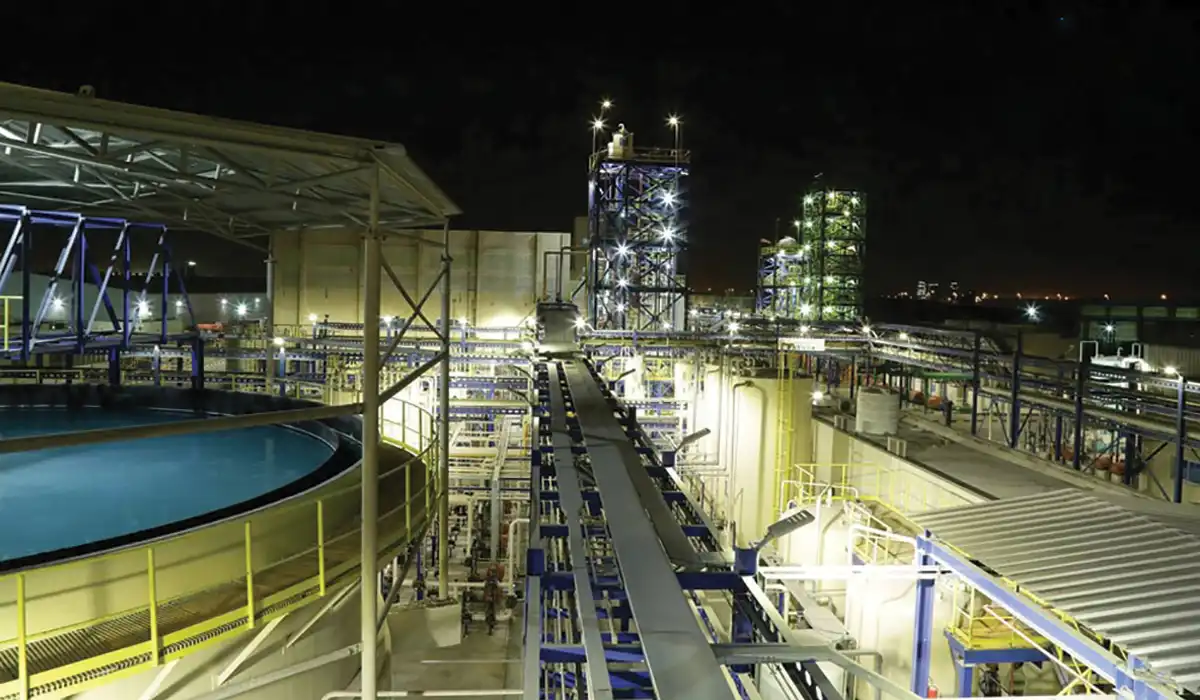
Enhancing DPRs requires comprehensive data collection, continuous validation through detailed site surveys, and real-time updates to reflect actual site conditions. Leveraging digital tools such as BIM, digital twins, and advanced simulations helps model realistic scenarios early on, reducing unexpected challenges.
DPRs must also identify logistics, regulatory, and environmental risks, with well-defined mitigation and contingency plans. Embedding sustainability, energy efficiency, modular construction, and prefabrication options early in DPRs minimizes onsite risks and lifecycle costs.
A clear implementation framework with defined project phases, contract structures, timelines, and quality checkpoints ensures smooth execution and accountability. Continuous training and capacity building integrate best practices and innovations throughout the project lifecycle.
As manufacturers, we want to add value, introduce new features, and innovate, but these aspects are often overlooked when decisions are purely L1-based.
Sanjeev Bajaj
Chief Officer
Escorts Kubota

Balancing L1 with Quality
The L1 system has been in place for quite some time, and I don’t think there is anything wrong with the system per se. Competition is important, and the best price should be discovered. But this should never come at the cost of quality. Today, many road contractors feel it has become very difficult to sustain because of aggressive undercutting by new players. This not only impacts their revenues but often results in lower-quality project outcomes.There has to be a balance. L1 should be combined with minimum quality standards and proper due diligence, right from the DPR stage through various phases of project execution. The system can continue, but it must be supported by these checkpoints to ensure that neither the quality nor the pace of projects is compromised.
Impact on Equipment Choices
There has definitely been a shift in buyer preference toward lower-cost equipment due to L1 pressures. This is particularly visible with government agencies and large corporates, where price becomes the main deciding factor. As manufacturers, we want to add value, introduce new features, and innovate, but these aspects are often overlooked when decisions are purely L1-based. While a large part of our business comes from retail customers, so the impact is smaller for us, manufacturers who predominantly supply to the government face significant challenges, affecting both innovation and long-term growth.
Policymakers’ Role in Driving Competitiveness
India’s construction equipment and infrastructure industry has evolved to execute global projects competitively. Policymakers need to strike a balance between controlling project costs and showcasing what our industry can achieve. Companies must invest in CapEx, innovation, advanced equipment, and skilled manpower, which requires fair returns over time. To facilitate this, DPRs must specify practical and accurate machinery and technology requirements, ensuring projects are executed with the right tools and methods. By aligning manufacturers, industry players, and government bodies, it is possible to balance cost efficiency, quality execution, and global competitiveness, managing project costs without compromising quality, profitability, or long-term capability building, creating a true win-win for all.Unrealistic timelines can lead to structural failures, as seen in increasing bridge collapses and road defects, highlighting that cost is not the only factor affecting quality.
D Dilly Babu
Vice President - Business Dev. & Tendering APCO Infratech

Quality Suffers When Bids Go Too Low
The quality of infrastructure in India today is a major concern. Contractors face numerous challenges despite having adequate resources. One of the biggest issues is the current bidding process, where bids sometimes fall 25–34% below estimated costs. At such unsustainable levels, maintaining proper quality on site becomes nearly impossible.At APCO, we consciously avoid below-cost bids, focusing on fair and responsible pricing to deliver high-quality work. In the last 2–3 years, we haven’t participated in NHAI projects because the bidding environment has been extreme, though state government projects have allowed us to maintain a strong order book. We believe the system needs to improve, and we are willing to wait for a more balanced bidding environment.
Low bids directly impact quality. Nearly 50–60% of project costs go into materials such as bitumen, cement, and steel from approved suppliers, while another 10–15% covers labor and fuel. With such fixed cost structures, ultra-low bids leave little margin, making it impossible to cut corners without compromising long-term durability. Large-scale projects also require maintenance obligations of 10–15 years, meaning quality must be built in from day one.
Financial Pressures Drive Aggressive Bidding
But why are contractors forced to bid so low? The answer lies in the pressure to keep their keep equipment and manpower engaged. APCO alone holds approximatey ₹1,500 crore worth of equipment and employs over 15,000 people. Monthly EMIs and salaries cannot be deferred, creating incentives to bid aggressively even at unsustainable rates. Shareholder expectations, regional competition, and the desire to maintain order books further exacerbate the problem.Even when projects are awarded, rising input costs, inflation, and project delays increase administrative and operational expenses, often uncompensated by authorities. This financial strain further limits contractors’ ability to maintain quality during execution and over long maintenance periods. Unrealistic timelines can lead to structural failures, as seen in increasing bridge collapses and road defects, highlighting that cost is not the only factor affecting quality.

DPR Challenges and Execution Risks
In our experience, DPRs prepared by authorities often carry disclaimers stating they are for reference only, leaving contractors to verify details on-site and bid accordingly. This effectively makes the DPR non-binding, yet some contractors rely on them and then struggle to meet unrealistic or unclear requirements.A key issue is that DPRs in India are rarely prepared with sufficient time or budget, leaving consultants unable to produce thorough, accurate reports. As a result, DPRs are often treated as formalities, creating major execution challenges. Recognizing this, Hon’ble Minister, Shri Nitin Gadkari, has initiated steps to tighten accountability for DPR consultants, including empaneling qualified experts and monitoring their performance, with consequences if DPRs lead to execution problems.
Another problem is diluted or vague scopes of work. Unspecified elements, such as the number of streetlights or precise quantities, often emerge during execution, causing cost overruns of 10–15% and disputes. Hedging clauses, like refusing payment for additional work when project dimensions change, unfairly burden contractors.
To address these issues, DPRs must be treated as critical documents rather than formalities. Consultants need adequate time and budgets, and DPRs should be reviewed before tendering so necessary amendments can be made. Clear, quantified scopes, transparent clauses, and accountability are essential for reducing disputes, improving quality, and ensuring efficient project delivery.
Time and Policy Reforms for Responsible Bidding
Current tender timelines are too short, typically only 45 days, forcing contractors to rush cost assessments and site evaluations. Extending bidding windows to at least three months would allow for proper field visits, scope analysis, and informed cost estimates, resulting in realistic, competitive, and sustainable bids.Policy reforms are equally crucial. While L1 bidding remains the default, introducing fairer qualification criteria, strict timelines, and clear DPRs will reduce undercutting, improve pricing, and ensure quality. Alongside systemic improvements in approvals, land acquisition, and utility shifting, these measures can create a balanced bidding environment that benefits both contractors and the long-term success of infrastructure projects.
Under L1 pressures, government procurement teams are often bound to purchase lower-cost, unproven equipment, which compromises quality, reliability, and overall project performance.
Manjunath S
Director
Doosan Bobcat
Quality and Performance Compromised under L1
With the L1 bidding system, the biggest drawback is that equipment quality, uptime, and longevity often get compromised. As a result, project productivity suffers, timelines are affected, and the overall outcome falls short of expected standards.Under L1 pressures, government procurement teams are often bound to purchase lower-cost, unproven equipment. This not only leads to losses but also affects project deliverables, as the equipment fails to deliver the required quality and reliability.

Ensuring Better Procurement through DPRs and Due Diligence
To improve the L1 bidding system and ensure DPRs include practical and accurate specifications, policymakers should mandate the inclusion of a proven track record certificate for similar projects. Purchasers should conduct proper due diligence by visiting sites to check actual equipment working hours and maintenance costs. They should also be empowered to opt for superior products based on quality, reliability, and long-term performance, even if these are not the L1 option.Global experience shows real savings in infrastructure come from investing in quality, innovation, and durability, not just cutting costs. Using robust materials, efficient designs, and lifecycle planning minimizes delays and rework, delivering long-term value. The L1 system should factor in these aspects to capture true value in India.
Varun Pandya
AGM - Business Development
Tata Projects

Cost Leadership and the L1 Challenge
Cost leadership is the primary strategy to win the L1 bidding system. It can be achieved through value engineering in design, supply chain intelligence, multi-mode and multi-delivery transport, faster execution, and subsequently lower finance costs, overheads, and expenses. However, this cannot come at the expense of quality and safety.Prioritizing the lowest bidding cost often results in compromises in quality and safety, delays in project completion leading to delayed revenue generation, and a higher likelihood of claims, disputes, and arbitration between employer and contractor. Poor quality also raises maintenance costs, as frequent breakdowns occur due to substandard construction. The absence of mechanization, digitalization, and modern technology, coupled with poor resource mobilization, leads to inefficiency and low productivity.
Reforms For Fair and Transparent Bidding Framework
For India’s bidding system to become fairer and more transparent, policy and procedural changes are critical. PPP guidelines should be amended to allow hybrid models such as annuity plus toll, while value engineering must be mandated in DPRs. Creating a National Infrastructure Database for cost benchmarking would standardize pricing and prevent undercutting. Before financial bids are considered, technical qualifications of contractors must be based on technology offered, the extent of digitalization and mechanization, value engineering practices, safety standards, resource qualifications, and execution planning.To move toward value-for-money, incentives must go beyond early completion bonuses. Contractors should also be rewarded for delivering higher quality, adhering to the highest safety standards, implementing value engineering, and using advanced software, tools, and mechanization without compromising workmanship. Incentives for innovative procurement practices, adoption of the latest technology, and use of digitalization can transform project outcomes and ensure that efficiency is achieved without cutting corners.
Strengthening DPRs for Better Execution
DPRs are the backbone of infrastructure projects, and their accuracy determines success or failure. An erroneous DPR can lead to major losses for the nation, the client, and contractors. During project management, I have found that the common issues with DPRs are scope discrepancies, unclear or incorrect route alignments, vague technical specifications, absence of detailed engineering, and significant quantity variations during execution because DPRs are often prepared in haste.Other problems include lack of clarity on inspection requirements, failure to incorporate the latest technologies, insufficient groundwork, and weak consideration of land acquisition challenges, which can account for 20–30% of project time lost in litigation. Contract fragmentation and over-engineering of project components also add to inefficiencies.
Improving DPRs requires the adoption of modern tools and practices. BIM has already shown its impact globally, with London’s Crossrail saving £1 billion through clash detection. In India, 4D/5D simulation has been used in Chennai Metro for real-time progress and cost tracking, while drones and LiDAR were deployed in the Mumbai–Ahmedabad High-Speed Rail project for faster land surveys. Digital project management tools such as AI-based scheduling and Primavera risk modeling, as used in Hyderabad Metro, also enhance reliability. With mandates from the Ministry of Housing and Urban Affairs for BIM in metro projects above ₹500 crores, and pilot successes in Delhi Metro Phase 4, India is moving in the right direction. However, more trained professionals and stronger enforcement are needed to realize the full benefits. Adopting BIM and digital tools consistently could reduce cost overruns by 10–15%.
Learning from Global Best Practices
Several global models offer valuable lessons for India. Drawing inspiration from the UK’s Infrastructure Projects Authority (IPA), which monitors project health, India too can establish an institutional framework to ensure accountability. By emphasizing lifecycle cost, quality, safety, and sustainability, and not just the lowest bid, India can create a system that rewards efficiency and innovation while building infrastructure that is durable, safe, and future-ready.Equally important are the global practices in design, procurement, and financing that drive efficiency on the ground. In China, standardized designs in viaduct construction reduce costs by 20–30%, while centralized bulk procurement of rolling stock allows significant economies of scale. Japan’s Shinkansen demonstrates the effectiveness of prefabrication and modular bridge segments, which reduce on-site work, while seismic resilience strategies save retrofitting costs in the long run. Europe’s metro projects, including Crossrail in the UK and Paris Metro, illustrate the benefits of private finance initiatives for risk-sharing, and the use of BIM and digital twins for clash detection, which minimize rework.
Case Studies from Indian Metro Projects
India has already begun adopting global best practices. Precast concrete, first used in the Nagpur Metro, saved 15% of construction time, while its fully precast system with 36 standardized stations and solar-powered depots significantly reduced lifecycle energy costs. Bundled contracts in Delhi Metro Phase 4 combine EPC and O&M for lifecycle savings, while standardized viaduct designs in Phase 3, along with precast segmental construction and bulk procurement of rails and signaling, enabled the completion of 142 km in just 4.5 years.Local manufacturing under the Make in India program, such as Alstom’s Chennai plant for rolling stock, has further improved cost efficiency. Chennai Metro Phase I also demonstrated innovation through the customization of TBMs to tackle hard rock, reducing wear-and-tear costs by 25%, and recycling 30% of aggregates from construction waste. Integrated station designs lowered land costs by 15%.
Other metros have also achieved substantial savings through innovative approaches. Ahmedabad Metro, under a hybrid annuity model, reduced delays by 14 months by coordinating utility shifting with city agencies, while 40% of costs were borne by the private operator. Mumbai Metro Line 2A cut equipment costs by 60% by reusing launching girders and adopted AI-based traffic management to reduce disruption penalties.
Together, these examples show that with modular construction, bulk procurement, integrated contracts, and innovative planning, India can replicate global cost efficiencies while tailoring them to domestic needs, delivering metro systems that are both cost-efficient and sustainable.
While L1 emphasizes cost, technical capabilities, and financial health, ESG considerations are sometimes overlooked; however, large construction companies are increasingly initiating measures to promote sustainable practices.
Aniket Dani
Director
Crisil Intelligence

Impact on Project Quality and ESG Compliance
The L1 bidding system prioritizes the lowest quoted price. In certain projects, this focus on cost can compromise project quality and increase the risk of failures. It often encourages short-term cost savings while overlooking environmental, social, and governance (ESG) criteria. That said, before the lowest-cost evaluation, developers’ technical expertise and financial health are assessed by the authorities to ensure they meet all eligibility criteria, allowing only qualified developers to bid for the project.At times, efforts by developers and raw material suppliers may not align, which can push deadlines and affect quality. This mismatch can impact the long-term performance of assets, leading to higher operation and maintenance costs, and occasionally causing time and cost overruns. Authorities have been actively taking measures to address such issues, and many projects proceed without facing these challenges.
While the bidding system emphasizes cost, technical capabilities, and financial health, ESG considerations are sometimes overlooked. However, large construction companies are increasingly aware of ESG compliance and have initiated measures to reduce carbon emissions and promote sustainable practices.
Countries that have moved beyond L1, integrating lifecycle costing, supplier performance scoring, and hybrid models, have achieved higher quality outcomes, fostered innovative ecosystems, and strengthened public trust.
Dr. Ramji Singh
Independent Consultant and Technical Expert, Hydraulic & Water Resources EngineeringTechnical Advisor & National Expert – NWRWS&K Department, Government of Gujarat Technical Advisor & Senior Consultant – Indian Institute of Technology Gandhinagar (IITGn) Member–Dam Safety Review Panel, Government of Gujarat

The Evolution: From Physical to Online Tendering
The history of public procurement in India reflects its journey from manual, paper-based tendering to digital e-tendering systems. Early practices relied on physical notices, sealed bids, and extensive paperwork, often leading to inefficiencies and risks of manipulation. Economic reforms in the 1980s - 90s emphasized transparency and standardized procedures, yet processes remained largely manual. The real transformation began in the 2000s with the adoption of ICT-driven e-tendering, enabling wider participation, reducing human intervention, and strengthening accountability.With the launch of the Government e-Marketplace (GeM) in 2016, e-procurement received a structured and nationwide push. Today, almost all government departments and public sector undertakings (PSUs) are mandated to use online tendering platforms for transparency, efficiency, and accountability. The evolution from physical to online tendering has not only streamlined processes but has also aligned India with global best practices in procurement. And this journey from sealed envelopes to secured digital submissions highlights India’s commitment to efficiency, competition, and integrity in public procurement, especially in large-scale and safety-critical sectors like infrastructure and dam projects.
During this transition, the process of scrutiny and evaluation of bids became faster; however, it continued reliance mainly on the L1 based model, often kept compromised on quality, safety, and long-term sustainability.
The Problem with the L1 System
The challenges embedded within the L1 tendering system reveal that while it is designed to safeguard transparency and procedural accountability, it inadvertently conceals deeper inefficiencies and vulnerabilities that undermine infrastructure quality, fiscal prudence, and institutional credibility. The hidden erosion of quality, lifecycle cost neglect, and opportunistic underbidding create a structural mismatch between the lowest quoted price and the true cost borne by the public exchequer over time.Equally damaging are systemic distortions such as collusive bidding rings, gradual thinning of genuine suppliers, and the stifling of innovation, which hollow out market competitiveness and long-term resilience. The explosion of arbitration and litigation, coupled with officer risk aversion, shows how an ostensibly “safe” process burdens projects with delays and disputes, rather than shielding them from risk.
The political capture and fragmented state-level practices further complicate harmonization, leading to inefficiencies invisible in isolated datasets but deeply corrosive at a national scale. Together, these “unseen challenges” highlight that the L1 system is no longer a neutral tool of fairness but a barrier to achieving quality, safety, and sustainability in public procurement. Addressing them requires a paradigm shift from price-centric awarding to value-based, lifecycle-oriented, and innovation-friendly procurement models that balance accountability with long-term public interest.
The Grey Areas
It is important to note that the challenges in procurement are not limited to the L1 approach alone. Issues often arise from poorly defined scopes of work, contradictory clauses in tender documents, weak evaluation mechanisms, irrelevant or impractical requirements, and even practices such as fabricated submissions, front-loading of items, or pre-determined bid outcomes. Unfortunately, many of these gray areas remain unmonitored and unaddressed.The L1 model, while aimed at ensuring cost efficiency and transparency, becomes problematic when applied to technically complex and long-life infrastructure. For dams and similar projects, focusing only on the lowest bid can undermine technical competence, experience, and safety practices leading to compromised quality, delays, and long-term risks to structural integrity and public safety.
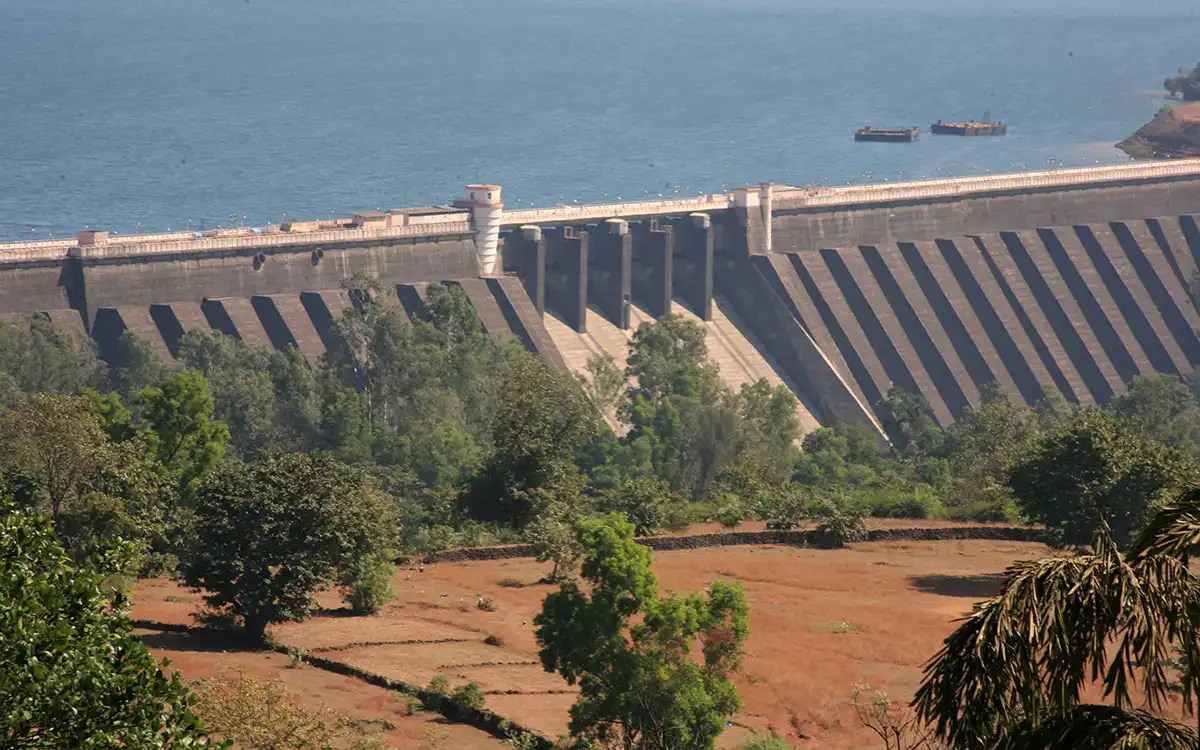
Alternative Approaches
Alternative approaches such as Quality and Cost-Based Selection (QCBS), weighted evaluation models, or stronger pre-qualification processes, validation and evaluation of documents based on forensics analysis can provide a better balance between cost, quality, and sustainability.Procurement re-engineering is necessary, particularly for critical infrastructure, to integrate lifecycle cost, resilience, and safety into decision-making. At the policy level, I would recommend a hybrid model that retains transparency and competition while embedding technical evaluation, quality assurance, and accountability frameworks. Such an approach would help ensure not only cost-effectiveness but also reliability, sustainability, and public trust in critical infrastructure assets. The assessment and evaluation of submitted documents must be checked and verified through forensics methodology to stop the malpractice and carteling.
Global Best Practices: Moving Beyond L1
Many countries have successfully shifted from cost-centric to value-oriented procurement systems:- European Union - MEAT (Most Economically Advantageous Tender): Evaluates bids on cost, quality, sustainability, and lifecycle value.
- Ukraine - Prozorro: Radical transparency using open contracting data standards, with civil society oversight.
- South Korea - KONEPS: Fully integrated platform linking procurement with tax, customs, and vendor performance.
- Singapore - GeBIZ: Simplified processes for SMEs, ensuring inclusivity and competition.
Early Risk Detection: Red-Flag Analytics
India’s e-procurement platforms can be strengthened with automated analytics to detect risks:- Abnormally Low Bids: Flag bids >15–20% below estimates
- Price Clustering: Detect artificial grouping of bids.
- Bid Rotation: Identify vendors rotating wins across contracts
- Contract Variations: Flag projects with >30% cost escalation
- Quality Failures: Track inspection complaints to filter unreliable vendors.
State-Level Innovations: Gujarat’s Example
Gujarat has demonstrated localized reforms that can be scaled nationally:- Mandatory e-procurement on Centralized Portals
- Price-Matching Preference for MSMEs, Preventing Predatory Pricing (Underbidding, Collusion, Quality Dilution, Change-Orders)
- High-Value Technical Scrutiny Committees
- Random Audits and Blacklisting of Fraudulent Vendors
Reform Roadmap for India as Process Re-Engineering
- Retain L1 for routine, commoditized, low-value procurement.
- Apply MEAT/QCBS for high-value, complex, and safety-critical projects.
- Mandate Total Cost of Ownership (TCO) models under GFR for contracts with significant O&M.
- Maintain a national vendor database with past performance linked to eligibility.
- Deploy AI / ML for anomaly detection, blockchain for audit trails, and IoT for quality monitoring.
- Build a cadre of trained procurement professionals.
- Provide legal protection for officers applying MEAT/TCO transparently.
- Establish a National Procurement Authority to harmonize Union and State practices.
- Mandate OCDS publishing for all high-value projects.
- Create Dispute Avoidance Boards (DABs) for contracts above ₹100 cr.
- It is suggested that the Central, State and PSU agencies establish dedicated Evaluation, Monitoring, and Review Cells, along with robust framework mechanisms, to ensure transparency to expedite the effective resolution of both technical and non-technical issues related to Public Procurement System.
When contracts are awarded primarily on the lowest cost, it becomes challenging to prioritize equipment that delivers superior fuel efficiency, durability, safety, and sustainability over the long term.
Shalabh Chaturvedi
Managing Director
CASE Construction Equipment – India & SAARC

QCBS Can Bring Real Value For Money
The present government procurement system traditionally carries very high weightage on price; however, the L-I system provides competitiveness, but has a limited scope to procure technologically advanced equipment. When contracts are awarded primarily on the lowest cost, it becomes challenging to prioritize equipment that delivers superior fuel efficiency, durability, safety, and sustainability over the long term. This approach can result in higher lifecycle costs, greater downtime and does not open opportunities to leverage cutting-edge solutions that could raise productivity and environmental performance.The present procurement policies should evolve to device innovative systems which can balance the cost with quality and technology considerations. The new approach should be Quality-cum-Cost Based Selection (QCBS) to bring real value for money rather than upfront price. This will certainly help CE manufacturers to deliver world-class equipment to meet India’s infrastructure needs.
Tech-Rich Equipment Enable Long Lifecycle of Projects
Market dynamics indicate that contractors working on government projects which are tender driven, are highly cost intensive. This leads them to go for lower-priced equipment to remain competitive. This pressure sometimes discourages investment in advanced features or higher-spec machines, as the immediate focus is on keeping project costs within the constraints of L1-based contracts. As a result, the true value of long-term reliability, fuel savings, safety, and productivity can get overlooked in favour of short-term affordability.On the other hand, larger contractors and fleet owners like to invest in robust and technologically advanced equipment. Such contractors enable a long lifecycle of the project through lower operating cost and higher uptime. The challenge, therefore, is to align procurement practices with this understanding, so that both contractors and equipment manufacturers can focus on delivering quality and efficient equipment rather than achieving lowest upfront price.
DPRs Should Give Practical And Accurate Specifications
Policymakers should improve procurement framework balancing affordability and long-term value without compromising quality. One way to improve the system beyond price evaluation is giving weightage to lifecycle cost, equipment reliability, safety standards, and sustainability. The system must clearly specify fuel efficiency, emissions, operator comfort, and uptime. This will lead to consistent performance, and reduce environmental impact, thereby minimizing hidden costs.Policymakers may consider QCBS, a widely adopted best practice, where bids are evaluated on both technical merit (quality, experience, technical proposal) and financial bid, considering the weightage as technical criteria 50-70% and financial criteria 30-50%.
DPRs very often are either too generic or not aligned with ground realities. Especially in defense procurement, bidding documents are too complicated and lengthy, and therefore do not attract the bidder’s attention. Simplification and a practical approach without compromising on technical specifications and quality driven machinery are recommended.
To counter abnormal underquoting in L1 bid system, alternatives like 2-bid system, additional performance guarantee or mechanishm to award bid closer to market averages need to be explored to ensure both transparency and quality.
Pradeep Garg
Chief Engineer
CPWD, New Delhi
Balancing Cost and Quality in Bidding
The success of any contract depends on two key factors: minimizing input costs and maximizing output quality. Ideally, there should be a balance between the two to achieve a win–win result. The L1 bidding system works well when it delivers the quality expected by the client or user. However, over the years it has been observed that bidders often quote abnormally low rates to win contracts amidst stiff competition. These bids, sometimes below fair market prices, make it difficult to deliver the required quality and specifications.As a result, contractors may compromise on materials, workmanship, or execution standards, leading to poor-quality outcomes. Such projects not only underperform in functionality but also fail to achieve their intended service life. Frequent repairs or premature replacements strain natural resources and create long-term sustainability challenges. While legal provisions allow penal action against contractors who default, but by then both the work and the user have already suffered. Preventive measures, therefore, are more effective than corrective ones.
Alternatives and Corrective Measures
One way to address the shortcomings of L1 bidding is through a two-bid system, where contractors are first evaluated on technical merit and then the lowest bid is selected among those who qualify. While this tilts the balance toward quality, it is not foolproof, as technically qualified bidders may still quote abnormally low rates.To deter such practices, some organizations, including state PWDs, require additional performance guarantees from bidders quoting below fair market prices. If quality is compromised, the extra guarantee is forfeited along with other security deposits, discouraging reckless underquoting.
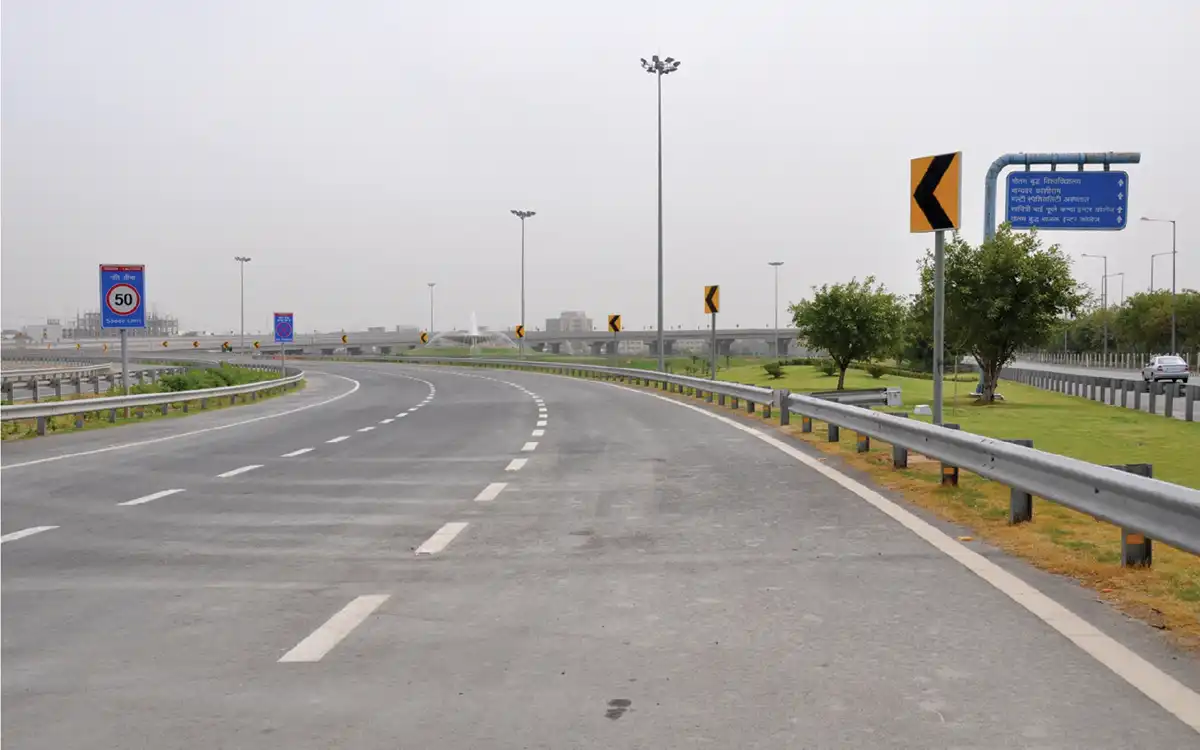
Other alternatives, though rarely practiced in India, include awarding contracts to the L2 bidder or awarding on the basis of an average of L1 and L2 bids. These approaches, used in some countries and organizations, encourage bidders to quote closer to fair market rates since the final outcome is less predictable. Such methods, along with stricter policies, could be considered at the government level and may also influence private sector practices.
In the private sector, some organizations prefer the nomination system, negotiating rates close to the fair market price to ensure quality. However, this method is seldom adopted in government projects to avoid the risk of corruption and to maintain transparency and fairness in participation.
A more balanced approach could involve evaluating both L1 and H1 bids, and using the estimated project cost as the benchmark, rather than relying solely on the lowest quote.
Bibhudutta Satpathy
Senior VP- EPC & MMR
Markolines

Impact on Project Quality and Costs
The L1 procurement approach, while simple and transparent, carries both advantages and disadvantages that significantly affect project quality, delivery timelines, and sustainability. Originally used in government contracting, this methodology has gradually expanded into private sector procurement as well. While selecting the lowest financial bid which may reduce initial costs, it often leads to compromises in material quality, technology, and skilled labor. Contractors under pressure to undercut competitors may struggle to balance cost, resources, and execution risks. Unrealistically low bids can create cash flow challenges during execution, resulting in delays, increased maintenance, and higher overall lifecycle costs.Long-Term Risks and Hidden Costs
Awarding projects solely on the basis of the lowest bid can have serious long-term consequences. Cash flow shortages may slow progress and delay project completion. Contractors may seek variations, claims, or re-negotiations to recover losses, further inflating costs. Poor construction quality can result in frequent maintenance, higher energy consumption, and shorter asset lifespan, increasing the total cost of ownership. In the worst cases, safety compromises can lead to accidents, legal disputes, or even loss of life, highlighting the critical need to prioritize quality and safety alongside cost.
Ensuring Transparency and Value of Money
To improve the bidding system, procurement processes should incorporate clear evaluation frameworks and pre-qualification criteria. This includes screening bidders for financial health, technical capacity, past performance, and adherence to environmental, social, and governance (ESG) standards. E-tendering systems with open access to bidding details, scoring, and audit trails can enhance transparency. Policies should also consider long-term costs, including operation, maintenance, and end-of-life expenses, and tie payments to project outcomes such as service levels and durability.A more balanced approach could involve evaluating both L1 and H1 bids, using the estimated project cost as the benchmark rather than relying solely on the lowest quote. Bids significantly below or above estimated costs should be scrutinized carefully for adequacy in terms of Man, Material, and Machinery (3M) to ensure sustainable, high-quality project execution. Adopting a Quality and Cost-Based Selection framework, with minimum eligibility thresholds, can help retain only viable contractors while maintaining transparency, fairness, and value-for-money in infrastructure procurement.
Use of low-cost equipment often results in compromised quality, frequent breakdowns, and higher long-term costs. Ultimately, performance, reliability, and timely execution are all negatively affected.
Moses Eddy
Director
Kobelco

L1 Bidding Undermines Quality, Safety, and Timeliness
I am completely against the way the L1 system currently works in India. The main reasons are quality, safety, and timeliness: three essentials of any contract. Unless a project can be completed with full quality, strict safety standards, and within the scheduled time, L1 has no real value.Once a project is awarded purely on the basis of L1, contractors are often forced to cut corners to deliver within the low bid. They may compromise on machine quality, use non-standard technology, employ unskilled labour, or even delay payments to subcontractors. These compromises directly undermine the three key aspects of project execution and affect the adoption of high-quality, technologically advanced equipment in India.

Low-Cost Focus Drives Poor Procurement Decisions
The L1 system pushes buyers toward lower-cost equipment. Many bidders lack the basic qualifications to execute the job or the knowledge to select the right machinery. Naturally, they go for what is readily available and cheap, focusing only on the initial cost. This approach overlooks recurring expenses and operational challenges. Low-cost equipment often results in compromised quality, frequent breakdowns, and higher long-term costs. Ultimately, performance, reliability, and timely execution are all negatively affected.Strong Implementation and Incentives Needed
The main issue with the L1 system is not the framework itself, but its implementation. There is a significant gap between what is considered right and what is actually executed. The government should take a more active role in enforcement. Contractors who fail to complete projects on time should face heavy penalties, while those who adopt technologically advanced equipment and deliver projects safely, quickly, and with high quality, even if they are the lowest bidder, should be incentivized.A combination of carrot and stick is essential: strict enforcement on delays and shortcomings, paired with support and rewards for using advanced technology and maintaining quality and safety. Clear processes and systems for implementation are key to making this approach effective.
The problem lies not with the L1 bidding system itself but with the human tendency to misuse it by misinterpreting criteria, misrepresenting facts, or exploiting contract provisions.
Jyoti Kulkarni
CE & SQC
PMGSY Pune

Colonial Legacy and Evolution of L1 Bidding
The concept of awarding public works to the lowest bidder traces back to British colonial rule in India in the 19th century. Public Works Department (PWD) manuals under the British emphasized competitive bidding, where the lowest responsive bidder was typically selected. After Independence, India continued this framework, keeping L1 as the standard approach in government organizations.The General Financial Rules (GFRs) formalized the practice, with GFR 2005 and GFR 2017 explicitly mentioning the award of works or contracts to the “lowest evaluated responsive bidder.” Procurement rules under the Central Vigilance Commission (CVC), CPWD Works Manual, and World Bank-funded projects also emphasize L1 as the default, unless justified otherwise. The L1 bidding system is deeply rooted in India.
Strengths and Weaknesses of the System
Prima facie, the L1 bidding system is a simple and effective method of procurement, offering advantages of fairness, transparency, quick decision-making, and lowest cost to the client. Over time, however, stakeholders have found loopholes that compromise its efficiency. Issues such as poor quality, delays, inflated costs through claims and variations, collusive practices, increased litigation, compromised safety and environmental standards, and substandard infrastructure have become prevalent.The problem lies not with the system itself but with the human tendency to misuse it by misinterpreting criteria, misrepresenting facts, or exploiting contract provisions. In some cases, infrastructure has deteriorated even before the end of the defect liability period. Therefore, preserving the benefits of L1 while addressing its weaknesses requires targeted policy and procedural reforms.
The Way Forward: Key Reforms
Strengthening prequalification and technical criteria is essential, including stricter eligibility filters for financial capacity, past performance, manpower, and equipment, along with blacklisting of bidders with poor records. Graded technical scoring before opening financial bids and deterrent action against officials who misinterpret rules are also necessary.Abnormally low bids (ALBs) must be checked through mandatory reviews of significantly underpriced bids, requiring justification of pricing structures and rejecting unsustainable offers. Additional performance security, inspections, and even permanent blacklisting should be imposed where required.
A lifecycle costing and value-for-money approach should be encouraged, evaluating not just upfront costs but also operation, maintenance, and durability. The PMGSY scheme is already applying this principle. At the same time, contract management capacity must be strengthened with trained engineers, digital monitoring tools, strict inspections, third-party audits, and fast-track dispute resolution.
Incentives and penalties should play a larger role, linking payments to quality and milestones, penalizing poor performance with blacklisting and forfeiture of guarantees, and rewarding early completion or superior quality with bonus payments. Transparency and digital oversight can further enhance the process through e-procurement platforms, publishing contractor performance records, and mandating independent technical reviews for high-value projects.
The L1 system can remain effective for routine, standardized works if supported by such reforms. For complex and high-value projects, however, a gradual shift toward Quality-cum-Cost Based Selection (QCBS) and performance-based models is essential to ensure durability, efficiency, and public trust, while recognizing that misuse through misinterpretation or misrepresentation can affect these systems as well.
DPRs are only as reliable as the expertise and effort behind them. Without proper surveys, risk mitigation, and stakeholder engagement, chasing the lowest price leads to delays, disputes, and higher lifecycle costs.
Ramneek Sehgal
Chairman & Managing Director
Ceigall India

Risks and Limitations of Low-bid
The L1 bidding system is widely used in public procurement and infrastructure projects. While it ensures cost competitiveness and transparency, it introduces significant risks to planning, quality, and delivery timelines. A short-term mindset and inadequate due diligence can compromise planning.Quality is often affected through the use of cheaper materials, unskilled labor, and design optimizations that reduce durability. Delivery timelines are impacted when resource deployment is insufficient, leading to delays, disputes, and cost escalations. Prioritizing the lowest bid may reduce initial costs but often results in compromised construction quality, increased maintenance, cost overruns, and loss of public trust due to design and structural failures.
Balancing Cost and Long-term Goals
A more sustainable approach involves balancing technical competence with financial capacity to ensure competition among equals and mitigate risks associated with low bids. Introducing a quality-and-cost-based selection (QCBS) framework, with weightage given to technical soundness and competence, can strengthen project outcomes. Stricter pre-qualification criteria, including available bid capacity and funding provisions, help ensure contractors can execute the works effectively. Linking operation and maintenance responsibilities to quality of construction, tying payments to milestones and performance measures, and implementing regular audits and monitoring can further reduce deviations, safeguard long-term value, and improve efficiency for profitable growth.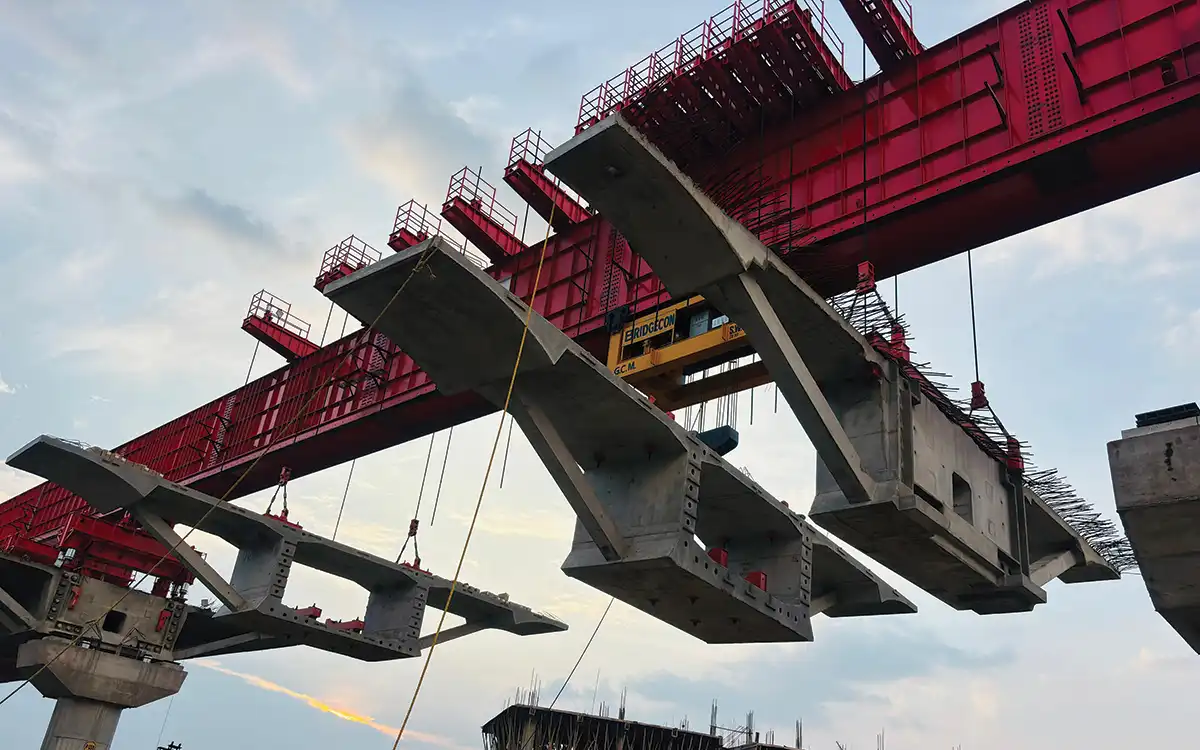
Strengthening DPRs for Reliable Project Execution
Detailed Project Reports (DPRs) form the foundation of infrastructure projects, yet their reliability depends on the quality of consultancy, data sources, stakeholder engagement, and governance framework. DPRs must include baseline data, risk mitigation plans, and sufficient preparation timelines. Consultants should be technically qualified and accountable for their work during execution, ideally serving as the design consultant throughout.Accurate site surveys and investigations are essential to anticipate execution challenges and minimize risks. Data collection, geotechnical studies, stakeholder consultations, and adoption of new-age technologies like LiDAR and Primavera improve accuracy. Feedback from ongoing and completed projects should inform regular updates of DPRs.
Moving from conservative planning to technology-driven, comprehensive systems will ensure transparency, safeguard public investment, and build trust in infrastructure delivery. Pilot procurement models such as QCBS and PBMC can further reduce the risk of financial loss while promoting quality-driven execution.
L1 worked well when companies had strong processes and experienced teams, but with aggressive new entrants and price-only evaluation, quality and safety are increasingly compromised.
Atul Kumar
PMP, MRICS
General Manager
Mumbai International Airport Limited

Evolution of the L1 Bidding System
The L1 bidding system is an age-old, widely accepted approach practiced in India. It worked well in the past when construction companies followed an organic and incremental growth path. Conventional companies had robust databases, strong processes, and highly experienced staff with an average tenure of over 15 years in the same organization. Their quoting philosophy was aligned with the government’s method of estimation, based on labor, material, plant, overheads, and profit. At times, unforeseen circumstances led to losses, but the experience and reputation gained enabled companies to secure larger projects, recover losses, and grow sustainably.The scenario changed with the availability of easy financing and the government’s large infrastructure push. Many new players entered the construction mainstream, often adopting agile and inorganic business models. With limited experienced professionals now spread across numerous ventures such as joint ventures, SPVs, and consortiums, aggressive bidding became widespread across all verticals. As a result, while new entrants secured big contracts, many established companies failed to survive because the project ticket sizes with inorganic competitors were large and opportunities for recovery were limited.
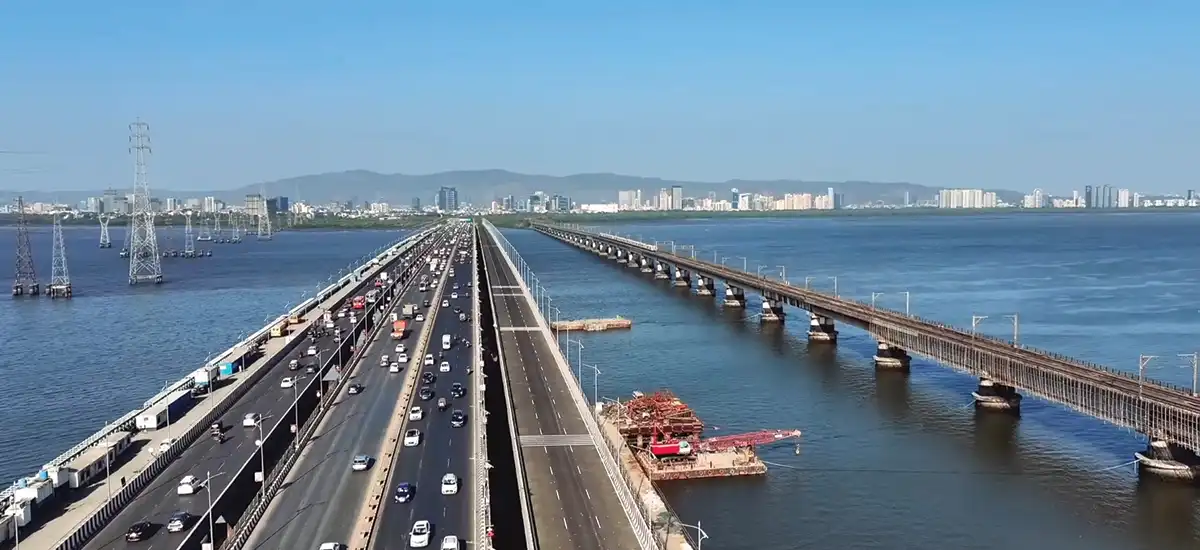
Limitations in Evaluation
In the L1 bidding system, the criteria are focused primarily on price after the RFP or RFQ stage. While technical capability evaluations are conducted, factors such as prior experience, availability of plant and machinery, technical staffing, business scale, technological advancement, quality management systems, and safety systems often take a back seat at the final awarding stage. Consequently, aggressive pricing strategies push companies to cut costs by lowering overheads and compromising on safety and quality standards. This has, in many cases, led to infrastructure failures and even loss of lives.To address this, it is suggested that evaluation models should assign weightage to both price and other critical parameters. A balanced approach, such as giving 60% weightage to price and 40% to other parameters, would ensure both cost-effectiveness and long-term value.
Understanding the True Cost
The true cost of projects is usually worked out by DPR consultants. Beyond the core elements of labor, materials, equipment, and overheads, several additional factors must be considered: increment in wages, inflation, increase in staff cost, safety provisions, design management, cost of capital, maintenance during the defect liability period, impact of monsoons, and import duties for equipment. Factoring in these parameters helps arrive at a more realistic cost and reduces the chances of under-quoting.Contracts within a 5% range of the estimated cost should be preferred, and commercial bids should be finalized using a weightage-based model rather than the lowest price alone. Even if bidders meet the prequalification and technical criteria, commercial evaluation should include these additional parameters to avoid compromises in structural integrity, project delays, and loss of value.
Challenges in DPRs and Suggested Reforms
DPRs are often prepared on predefined templates and fail to adequately cover risk factors associated with infrastructure projects. Issues such as delays in securing ROW, fund availability, environmental clearances, volatile international pricing, specialized execution methods, material scarcity, inadequate survey data, and land title clearances frequently transfer risks to the executing agency. These gaps result in delays, inflation in project costs, and disputes that end up in lengthy arbitration processes. Contractors often suffer severe setbacks, leading to financial stress, project delays, and even the exit of promising infrastructure players from the industry.Specific reforms can address these challenges. All DPR consultant staff should be approved by the project owner, and land titles should be thoroughly vetted to establish ROW timelines. DPRs should adopt the latest methodologies, technologies, and equipment trends, with execution methods clearly specified in the special contract conditions.
Bidding should only commence post-environmental clearances. Surveys, land, geotechnical, bathymetric, must be comprehensive, with increased data points to minimize unforeseen circumstances. Import tariffs should be factored in for equipment-based projects. Efforts must be made to reduce labor-intensive methods by adopting mechanized solutions like precast or segmental construction. Risk registers should be made mandatory in DPR submissions, and issues such as PAP or traffic diversions must be thoroughly planned with local bodies to ensure smooth implementation.
The shortcomings of the L1 system can be addressed only by ensuring robust pre-qualification, clear tender specifications, and strong supervision, so that lowest cost never comes at the expense of quality and accountability.
Colonel Parikshit Mehra
SM, Secretary - Tunnels & Safety
Govt. of Telangana
Challenge in Public Procurement
Procurement procedures are one of the most complex aspects of infrastructure development, particularly when public funding is involved. Here, establishing accountability is as important as delivering the infrastructure itself. The system of awarding contracts to the lowest bidder, or L1, is often criticized in industry forums. Yet in public procurement, it is difficult to justify awarding work to L2 or L3 when another bidder is willing to execute the same project at a lower cost. Pragmatically, this limitation cannot be overlooked.Strengthening the Process
To address the shortcomings of the L1 system, the first step is to establish robust pre-qualification criteria. Only capable and serious bidders should qualify for the financial stage, with others eliminated at the technical evaluation stage. Pre-qualification should be made restrictive only when unique or highly specialized projects are being executed.Secondly, if the price quoted by L1 is significantly lower than the expected or benchmarked cost, the bidder must provide a justification. If the explanation is unsatisfactory, the tender should be re-invited rather than risk poor execution.
Most importantly, contracts must be backed by clear tender specifications, quantified key deliverables, and a strong supervision and quality assurance mechanism. This ensures that bidders know exactly what is expected of them and that payment is tied to measurable outcomes.
With these measures in place, projects can be delivered on time, at reasonable costs, and with assured quality, making the procurement system more reliable without compromising accountability.
As manufacturers, we feel a responsibility to provide our best equipment, but the rigid L1 system often prevents this. Smaller contractors, focused on cost over features, sometimes compromise on quality just to win the bid.
Anand Sundaresan
Director
Ammann India

Does L1 Bidding Limit Access to High-Quality Technology?
The L1 bidding system—where the lowest financial bid wins—continues to dominate government tenders, whether for civil contracts, equipment procurement, or other projects. While intended to ensure cost-effectiveness, this approach poses significant challenges for high-technology manufacturers. Since tenders are open to all bidders, many participants offer whatever equipment they have, regardless of quality or suitability. This makes it difficult for procuring agencies to source high-performance, high-productivity machinery.This issue is especially critical for strategic or sensitive projects—such as those in defense or DGBR (Directorate General Border Roads)—where top-quality equipment is essential. As manufacturers, we are committed to delivering our best technology. However, the rigidity of the L1 system often prevents us from doing so.
In some encouraging instances, certain DGBR requirements have shown flexibility by engaging with us to understand their specific requirements. They’ve allowed us to customize our equipment and ask us to provide sample machines for field trials. This approach enables better alignment between the project’s technical demands and the solutions we can offer.
Contractor Preferences vs. Project Requirements
Our interactions with contractors reveal a distinct divide between small and large players. Smaller contractors tend to prioritize cost over quality, often opting for lower-priced machines with limited features just to secure a bid. On the other hand, larger contractors—especially those handling prestigious or critical projects—demand high-performance equipment and are uncompromising when it comes to quality, reliability, and after-sales support.Even among major contractors, preferences vary depending on the nature of the project. For routine or less complex works, some may accept machines with fewer capabilities or from lesser-known brands. However, critical infrastructure projects always demand top-tier, fully equipped machinery.
This variability highlights a core issue: although L1 bidding is applied across the board, actual expectations for equipment quality differ significantly depending on the project and the contractor involved.

Bold Decisions Are Needed to Prioritize Quality
Government efforts—such as sending officials abroad to study global best practices—indicate a growing emphasis on delivering faster, higher-quality infrastructure. Policymakers must now act on these learnings by empowering departments to specify the quality and performance standards required, even if it means bypassing the lowest bidder in favor of the most suitable one.Despite these intentions, procurement still largely follows the outdated L1 model. In some road projects, for example, smaller contractors have quoted prices 20–30% below estimated costs, raising serious concerns about feasibility. While authorities may counter this by demanding higher bank guarantees, these measures do not ensure the use of high-performance equipment—nor do they address the systemic flaws.
What’s needed is bold, decisive policymaking. For instance, in Tamil Nadu, the former Chief Minister directly awarded a stadium construction contract to Larsen & Toubro, recognizing that no other firm could deliver the required scale and quality. Similar direct awards for flyover projects were also completed successfully.
At the national level, we need that same level of conviction. Quality and performance must take precedence over simply awarding to the lowest bidder. Otherwise, the cost of compromising today will lead to far greater expenses and inefficiencies in the future.
Repeated underestimation of land and utility shifts in the DPRs has caused significant delays in highway and rail projects, while water schemes often overlook seasonal availability challenges.
Sanjay Kumar Sinha
Founder & MD
Chaitanya Projects Consultancy

Why the Lowest Bid Isn’t Always the Best
The L1 bidding system often forces contractors to quote unrealistically low bids. This pressure compromises planning, execution, and quality. Many highway projects from 2017–18 faced delays or re-bidding when contractors could not manage rising land and material costs. The Mumbai–Goa highway widening, for example, has suffered repeated setbacks due to the financial strain on the L1 contractor and poor execution, pushing the completion deadline to March 2026.Rail projects such as the Dedicated Freight Corridors also faced defaults and schedule slippages, with contractors struggling under aggressive low bids. In some cases, completed structures had to be demolished and rebuilt, illustrating the true cost of underbidding. This pattern reveals a critical truth: while L1 may reduce upfront costs; it jeopardizes timelines and the durability of infrastructure assets.
Hidden Costs and Wider Economic Impact
Chasing the lowest bid upfront often leads to hidden costs later in the form of rework, litigation, and cost overruns. Cash flow challenges faced by underquoting contractors stall projects and erode the initial savings. Infrastructure delays also ripple across the economy, with incomplete freight and express corridors driving up logistics costs and slowing GDP growth.Quality compromises are another consequence. Contractors may resort to cheaper materials or minimal maintenance, leading to higher lifecycle expenses. Independent studies have repeatedly recommended stricter financial and technical qualifications to ensure only capable firms handle high-risk projects.
Shifting from Cheap to Smart Bidding
India must move from picking the cheapest bid to selecting the most advantageous one. Internationally recognised approaches such as the Most Advantageous Bid (MAB) framework balance cost with technical expertise, risk management, sustainability, and delivery capability. Approaches like Quality and Cost-Based Selection (QCBS), life-cycle cost assessments, and performance-linked contracts have proven effective. Metros in Nagpur and Pune, which prioritised technical capacity alongside pricing, achieved faster and more integrated completion. Similarly, AMRUT 2.0 assesses bids by sustainability metrics, rewarding wastewater treatment efficiency rather than just low prices.Reforms such as performance-linked contracts, where payments are tied to service outcomes like road uptime or train punctuality, improve accountability. Design-Build-Operate (DBO) models also align incentives, as one party is responsible for design, construction, and operation, ensuring long-term quality. Integrating KPIs, independent inspections, and fast-track dispute resolution strengthens oversight. Enhanced transparency through e-procurement portals and independent audits reduces discretion and builds bidder confidence. Collectively, these reforms align financial incentives with performance, fostering high-quality and sustainable infrastructure.
Stronger DPRs, Smoother Projects
Detailed Project Reports (DPRs) are the foundation of infrastructure planning, but their quality often varies. Tight deadlines and budget constraints mean essential fieldwork, such as soil testing, traffic analysis, and community consultations, is sometimes skipped, resulting in unrealistic forecasts around costs, timelines, and land acquisition. For instance, repeated underestimation of land and utility shifts has caused significant delays in highway and rail projects, while water schemes often overlook seasonal availability challenges.Reliable DPRs, on the other hand, are based on comprehensive surveys, GIS mapping, LiDAR, drone topography, and hydrological modelling. Multilateral-funded projects that undergo independent peer review tend to anticipate challenges better, including climate resilience and social impacts. Strengthening DPRs further requires adequate budgets for detailed surveys, specialist inputs on land acquisition and safeguards, independent third-party reviews, and “living DPRs” with dynamic risk registers that can be updated as challenges evolve. These steps ensure realistic planning and smoother project delivery.
A more reliable approach is to reject both the lowest and highest bids and award the contract to the bidder closest to the mean price, this ensures quality work, reduces disputes, and minimizes risks.
Dr. H.L. Chawla
Arbitration Engineer Consultant
(Former World Bank Consultant)

The L1 Bidding: Undercutting Over Expertise
In India, as in many other countries, most contracts are advertised for tenders and awarded on the L1 system “Lowest One.” This system restricts the employer to select the bidder who has quoted the lowest price, except in certain cases where specific bidders are given preference.While this model appears cost-efficient, it has created a culture where undercutting often wins over expertise. In some cases, bidders quote 25–30% below the actual execution cost to secure tenders. The assumption underlying the system is that all bidders have the same capacity to deliver projects to the required standards. But, in reality, this is not always the case.
Although credentials are screened before bidding, lapses occur. Historical performance and expertise are not always thoroughly verified, allowing unqualified bidders to participate. This increases the risk of unsuccessful execution and, at times, encourages unfair practices.
Quality and Safety Concerns
The L1 system’s focus on cost minimization often results in the use of substandard materials, deployment of inadequate or outdated machinery, and the employment of untrained or poorly trained workers. The consequences are visible across the country in the form of compromised quality of finished projects, questionable construction practices, and outcomes that fail to meet expected standards. Safety and environmental concerns, including carbon emissions, are often neglected, while worker welfare also suffers due to inadequate lodging, sanitation, and healthcare facilities.Delays, Disputes, and Claims
To protect their margins, many contractors cut corners. Others adopt aggressive contract management strategies, documenting every possible lapse on the employer’s part to generate claims. They have therefore a hawk’s eye on any weakness in the system, documentation or correspondence, on the employer’s part.Here, contractors often have an advantage. Unlike employers, whose project officers are frequently transferred, contractors maintain continuity of staff. By the time a project ends, the original employer-side officers may no longer be in place, leaving gaps in institutional memory and documentation. This weakens the employer’s ability to counter claims. As a result, disputes, arbitration, delays, and even incomplete projects are common. In my view, if you decide to award work to the lowest bidder, you must be prepared to accept the cheapest, and often delayed, outcome.
A Practical Alternative
A more reliable system is to reject both the lowest and highest bids, calculate the mean price of the remaining bids, and then award the contract to the bidder whose price is closest to this mean. This approach ensures quality work, reduces disputes, and minimizes health, safety, and environmental risks. I have applied this method successfully in the private sector in India and abroad. While public sector employers may raise objections, it remains a viable model worth testing.Some countries, such as China, ensure project continuity by retaining key staff not only until project completion but also until all issues between the employer and contractor are resolved. This strengthens project delivery and accountability.
The current system of awarding work based solely on price justification, supported by certificates that the “lowest bidder’s rates are justified,” is not foolproof. For India to balance cost-efficiency with quality and timely delivery, reforms to the L1 model are essential.
Under the L1 system, geotechnical investigations and regular quality testing, which are the very foundation of safe infrastructure, are reduced to a price game. This saves little upfront but leads to weak designs, premature failures, higher life-cycle costs, and risks to public safety.
Dr. Abhinav Mane
Managing Director
VGeotech Experts

L1 Bidding: A Growing Concern in Infrastructure
India’s infrastructure sector is witnessing unprecedented growth, with projects ranging from expressways and airports to metros, renewable hubs, and high-speed rail. Modern technologies like BIM, digital monitoring, and mechanized construction are enhancing efficiency. Yet, one recurring concern threatens to undermine this progress: the L1 (lowest bidder) contracting system.By awarding projects primarily on the lowest financial offer, the model often sidelines technical competence and quality assurance. While it may ensure transparency and cost control at the tendering stage, its long-term implications on durability, safety, and life-cycle costs are increasingly evident.
Geotechnical Investigations: The First Casualty
From a geotechnical standpoint, the risks of the L1 system are stark. Site investigations represent a very small percentage of project budgets, yet they are critical for sound design. Soil exploration, groundwater profiling, and in-situ testing provide the foundation data for safe and economical structures.However, under the L1 framework, such studies are typically assigned to lowest-cost agencies, resulting in inadequate borehole coverage, poor-quality sampling, or outdated testing methods. Incomplete or unreliable data leads to unsafe assumptions in foundation and structural design. What should serve as the bedrock of project planning becomes a weak link, exposing the project to long-term risks.
Quality Testing Under Cost Pressures
The issue extends to material testing and quality control. With quality responsibilities placed within the contractor’s scope, laboratories are often selected on the basis of price rather than expertise or accreditation. As a result, critical tests on concrete strength, soil compaction, and material durability may be carried out superficially, or even neglected.Similarly, when structural design is bundled under the contractor’s responsibility, budget pressures may drive the choice of consultants who cut corners on codal provisions or adopt simplistic designs. While this enables quicker and cheaper completion, it creates vulnerabilities that emerge years later in the form of premature deterioration or failures.
Risks and Long-Term Costs
The implications of this cost-driven approach are visible across project types. Foundation distress arises from inadequate soil characterization, leading to uneven settlement. Slope failures in highways and rail projects can be traced to superficial geotechnical analysis. Reduced durability of pavements, bridges, and buildings stems from weak quality control. Life cycle costs escalate, where initial savings are dwarfed by repeated maintenance, retrofitting, and rehabilitation.Such outcomes underline a paradox: while L1 contracting reduces upfront expenditure, it often results in higher cumulative costs and, more critically, endangers public safety.
Bridging the Gap: Realigning Objectives
At the heart of the problem lies a misalignment of stakeholder objectives. Contractors are driven by profit and timely completion, while geotechnical experts, testing professionals, and designers are mandated to uphold codal provisions and safeguard quality. When contractors control the hiring of experts, the balance tilts toward cost minimization, undermining independence and thoroughness.To address this, procurement practices need structural reform. Independent appointment of technical experts, adoption of Quality and Cost-Based Selection (QCBS), life cycle costing, performance-linked contracts, and mandatory third-party audits can safeguard against cost-driven compromises and ensure quality outcomes.
L1 alone cannot be blamed for poor quality in infrastructure; the bigger issue lies in weak DPRs, inadequate planning, and the mindset of contractors who prioritize survival over sustainability.
Anuj Narula
Managing Director
Techhub Engineering

Fixing the Flaws in L1
While the L1 bidding system certainly impacts the quality of infrastructure projects, it cannot be solely blamed for poor construction outcomes and failures. Multiple factors contribute to the overall quality of infrastructure, and the mindset of contractors often plays a larger role in undermining projects. A policy guideline should be framed to define a threshold line for L1 bids, below which tenders must be carefully examined to prevent unsustainable practices.The tight margins associated with L1 bidding divert contractors’ focus towards survival and cost mitigation, rather than encouraging the adoption of new technologies or innovative construction techniques. This compromises the sustainability of projects. If new technologies are implemented with strong intent and without fear of the initial investment, they can significantly enhance the long-term quality of infrastructure.
DPRs: The Weakest Link in Project Preparation
With over two decades of experience in the sector, I have observed that no specific standards for DPRs have yet been defined, despite several technical circulars issued by MoRTH. As a result, the quality of DPRs depends largely on the individual company’s methodology and approach. Due to heightened competition in recent years, consultancy rates for DPR preparation have drastically reduced, leading to a decline in quality.In many instances, DPRs have been found missing critical information or presenting erroneous data. Utilities such as high-tension and underground lines have been overlooked, and incorrect elevations of hills and valleys have distorted cost estimates. In hilly areas, the absence of thorough geological studies and geotechnical investigations at the DPR stage has prevented accurate assessment of landslide risks. These gaps later lead to severe slope failures due to inadequate protection measures. Such deficiencies not only inflate costs and cause delays but also pose risks to safety and sustainability.
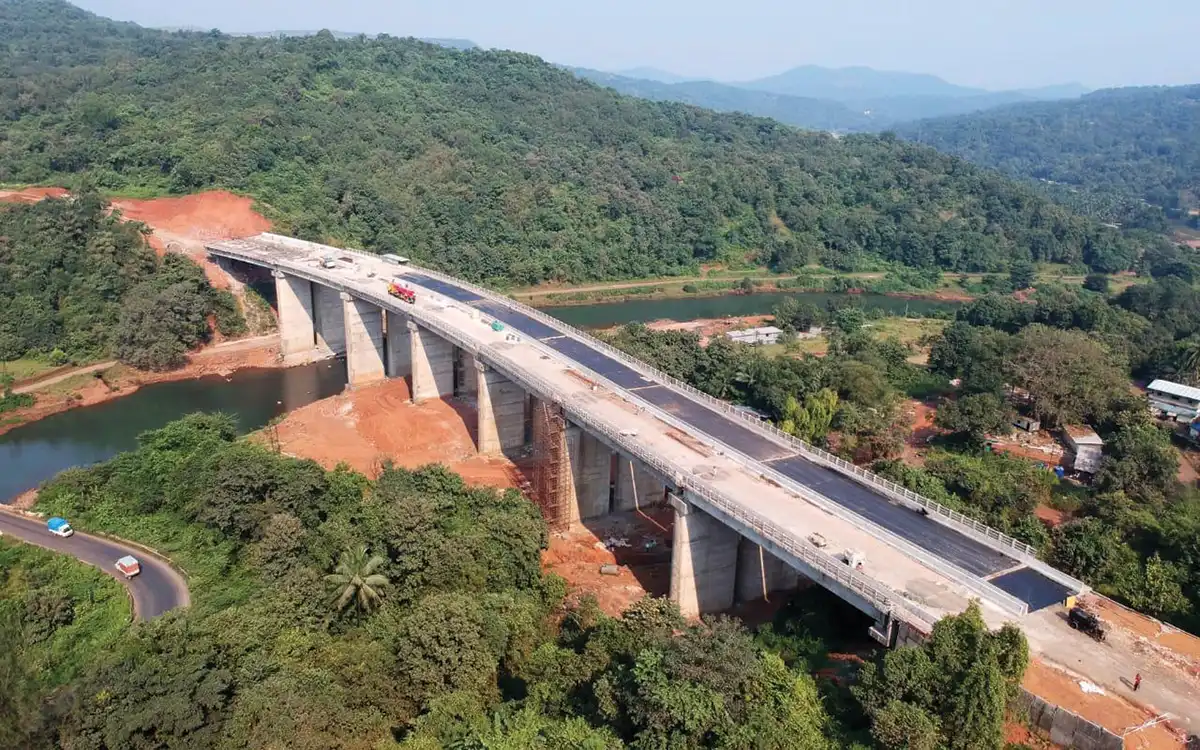
Balancing Cost Efficiency with Quality and Sustainability
Changes in the current bidding system are necessary to strike a balance between cost competitiveness and quality, safety, and sustainability. All key professionals should be thoroughly involved in DPR preparation, with IITs and NITs engaged at critical levels to review important proposals. Dedicated teams from NHAI, MoRTH, PWD, and BRO must be assigned to monitor DPRs and facilitate detailed discussions. Research inputs from institutes such as CSIR - CRRI should be integrated to explore alternative and new technologies. Consultants should be provided with adequate timeframes for submissions at different stages of DPR preparation.Fast and rational decision-making by authorities is equally critical to avoid delays and rework. Another major issue lies in DPR consultants outsourcing work to freelancers without ownership or accountability, which affects the quality of submissions. Monitoring mechanisms must ensure that qualitative and accountable outputs are delivered.
Refining Evaluation Mechanisms for Projects
Globally, the QCBS system has proven effective, especially for projects ranging from ₹50 crore to ₹200 crore. For larger projects above ₹200 crore, however, past performance and the maintenance record of existing projects should also be given weightage in evaluation. Similar to consultancy tenders, construction projects should mandate the involvement of qualified professionals from the industry, with strong academic and professional backgrounds.The bidding system should also include a separate score for training and skill development of the construction workforce. This will ensure that capacity building becomes an integral part of procurement, fostering long-term improvements in project execution.
The L1 system often encourages unrealistically low bids; however, a bidding system based on a Geotechnical Baseline Report (GBR) would ensure contractors understand project risks and allocate resources properly for safe, high-quality construction.
Dr. Dinesh Sati
Geology & Geotechnical Consultant

India’s Infrastructure Growth and Investment
India’s infrastructure development is progressing rapidly, particularly in highway and railway corridors as well as hydropower projects, especially Pumped Storage Schemes Projects (PSPs). Nationwide development of such facilities helps reduce logistics costs, facilitates urbanization, and promotes industrial growth by encouraging private sector investment in setting up industries and plants, thereby generating employment opportunities. Funding for major projects is primarily through Public-Private Partnerships (PPP), although private investment is increasingly promoted and incentivized. Technological solutions, such as automated collection of parking fees in cities and toll taxes on highways and expressways, are also being implemented to make operations more efficient and hassle-free for users.Inadequacies in L1 Bidding
In my view, the L1 bidding system is unjustified and should be discouraged. Often, clients hide behind L1 as a justification for inadequacies in site-specific geological and geotechnical investigations, which can lead to incorrect assessments of ground conditions. In underground construction, such awards have previously resulted in major mishaps, unnecessary delays, and cost overruns. With cost-cutting budgets, the men and machinery employed cannot always follow proper procedures, leading to poor workmanship, compromised quality, and safety risks. Unforeseen ground conditions in hilly or complex terrains further exacerbate these risks, making the long-term stability of such constructions questionable.
Towards a More Balanced Bidding Process
Bidding companies are aware of the greater weight given to technical credentials initially and often engage partners with strong expertise in geology and geotechnical studies to strengthen their bids. However, accepting the lowest financial bid as L1 frequently causes problems. The bidding process needs a more balanced approach, establishing a clear link between the client’s offered price and the contractor’s bid. Cost-effective construction should not imply bids significantly below the client’s estimate, as this may indicate uncertainty or gaps in the DPR.A bidding system based on a Geotechnical Baseline Report would encourage more realistic pricing. Contractors familiar with the GBR can better understand project risks, avoiding unrealistically low bids and ensuring resources are appropriately allocated for safe and effective construction. Many EPC-mode projects awarded on low bids have experienced issues with investigation, design, construction, and safety due to budget constraints. Aligning bids with project realities through technical and geotechnical assessments would foster sustainability, improve quality, and enhance long-term project safety.
Cost overruns across infrastructure projects still stand at Rs 3.15 lakh crore. That is the real price of treating L1 as gospel without factoring in DPR quality, risks, and lifecycle costs. Unless procurement evolves, India will continue paying more for what initially looked cheaper.
Ajay Chaudhari
Expert in Infrastructure & Real Estate Projects

A Double-Edged Sword
The L1 bidding system remains a double-edged sword: while it enforces strict cost controls in government tenders, it too often sacrifices project quality, innovation, and long-term sustainability. Aggressive low bidding frequently leads to defects, cost overruns, and extended timelines in centrally-funded projects with escalations now totaling ₹2.89 trillion as of June 2025 (as reported in Business Standard).In government contracts, L1 is treated as gospel: award to the lowest bid, no questions asked. The result is cut-throat underbidding that eliminates risk buffers and slashes contingencies. On a highway project that I recall, the L1 bidder compromised on materials, leading to a six-month delay and a 15–20% spike in corrective costs. Quality plummets as corners are cut on steel strength, manpower, and safety, while disputes drag projects into overruns.
The private sector fares slightly better. Here, L1 is often blended with post-shortlist evaluations that consider technical competence, past performance, and track record. Even so, aggressive competition can backfire, with outcomes still shaped by the “lowest cost syndrome.”
Hidden Costs and Economic Fallout
While L1 bidding appears economical upfront, the hidden costs are staggering in the long run. Poorly built infrastructure demands excessive maintenance, accelerates structural failures, and causes massive delays. As of June 2025, cost overruns across central sector project cost total ₹3,15 lakh crore, down from ₹5,71,080 crore in May 2024, but still representing significant losses. Earlier data showed 438 projects with overruns of ₹5.18 lakh crore, a 62% hike from original estimates, (as reported in Economic Times).The ripple effects are severe: structural issues such as collapsing bridges and pothole-ridden roads endanger lives and disrupt economic activity. Poor maintenance and mismanagement have cost households and firms at least USD 390 billion, while infrastructure delays have resulted in losses of nearly ₹5 lakh crore. Abnormally low bids often mask shortcuts that push lifecycle expenses 17% above market-clearing prices. In one project that I had managed, an underbid L1 contractor triggered a 25% escalation during execution due to unforeseen repairs.
Even private sector PPP projects face these risks, though flexible negotiations often mitigate the damage. In the government sector, however, rigidity and bureaucratic delays amplify overruns. The economic inefficiencies reduce competitiveness, fuel inflation, and lock up billions that could have gone into new infrastructure.
DPRs: Weak Links in Project Foundations
In my project execution experience across government and private projects, DPRs are foundational yet often unreliable in reflecting on-ground realities, with differences in sectors amplifying issues. Rushed preparation, inadequate data, and lack of stakeholder consultation frequently result in unreliable reports. Poor DPRs have caused delays and accidents, underestimating terrain variations, regulatory hurdles, or social impacts, with cost hikes of 20–30% in some cases.Union Minister Nitin Gadkari has emphasized that substandard DPRs prepared by some Indian firms worsen challenges in government projects, where centralized approval slows updates. Private sector DPRs, though more consultative, still suffer from data gaps and oversight of environmental or social impacts. The result is costly overruns and safety risks.
To strengthen DPRs, reforms must incentivize accountability and accuracy. A rating system for consultancy firms, linked to future eligibility, would reward quality. Mandating performance bank guarantees, about 1% of project cost, for DPR preparers (as seen in recent reforms) would enforce responsibility. Advanced tools like GIS mapping for terrain, AI-driven traffic projections, and multidisciplinary DPR cells (as pioneered by NHAI) can improve reliability. Quality assurance reviews, aligned with historical project data, can reduce unforeseen variations and contain 15–25% of potential escalations.
Reforming Procurement for Long-Term Value
To fix systemic inefficiencies, India must move beyond the “cheapest wins” approach. The universal adoption of QCBS (Quality-Cost Based Selection) is essential, with at least 30% weightage for technical merit. Performance-linked bonuses, phased milestone checks, and T1 pre-qualification based on technical scores can ensure that only competent firms advance to financial bidding. Lifecycle costing must be built in from the start, shifting government systems away from short-term savings toward long-term sustainability.Policy reforms are beginning to reflect this change. The 2024 Manual for Procurement and 2025 amendments for renewable energy TBCB guidelines emphasize qualitative evaluation. E-procurement platforms and Integrity Pacts, as mandated by CVC guidelines, promote transparency and reduce corruption. Scrutiny of abnormally low bids for viability and mandatory cost-of-quality simulations can save billions in overruns.
Private sector PPP models already show the benefits of negotiation and accountability, attracting $294 billion in private funds. If government systems adopt similar frameworks, aligned with Budget 2025’s focus on multimodal logistics, India’s infrastructure could evolve into a global benchmark for efficiency, resilience, and value creation.
A shift towards holistic contractor evaluation is critical for sustainable, high-quality road infrastructure delivery.
Ashish Ranjan
Sustainable Development Manager
Asian Development Bank

Limitations in Road Projects
Public procurement in India, particularly in the road sector, is primarily based on awarding contracts to the lowest financial bidder (L1) under NHAI and State PWDs. While this method aims to minimize costs, it frequently results in schedule delays, cost overruns, and compromised quality. Projects awarded solely on financial criteria often suffer from inefficiencies, with significant gaps between the initial bid price and the actual project cost upon completion. These recurring issues highlight the need for reforms in contract management practices.The risks of the L1 system have become more evident with the rising incidence of abnormally low bids. NHAI and parliamentary committees have expressed concerns about contractors quoting 20–40% below project estimates.
Strengthening the Procurement Framework
India’s procurement framework is guided by laws such as the Indian Contract Act (1872), the Competition Act (2002), and the General Financial Rules (GFR). The GFR stresses transparency and accountability, while prohibiting practices such as splitting contracts to bypass bidding norms. Oversight is ensured by institutions including the Central Vigilance Commission (CVC), the Comptroller and Auditor General (CAG), and parliamentary committees.To move towards more sustainable and high-quality infrastructure delivery, it is essential to integrate weighted decision systems with strong pre-qualification criteria and decision-support tools. This would ensure that contractors are evaluated not just on the basis of cost but also on capability, reliability, and track record. A shift to holistic contractor evaluation is therefore critical to balance cost-efficiency with long-term quality and timely execution in India’s road sector.
The QCBS framework, where technical capability, past performance, and financial strength are considered alongside cost, promotes competitiveness while ensuring long-term value, allowing infrastructure projects to deliver benefits beyond immediate savings.
Jatin Walia
Sr. Project Manager
P&R Infraprojects

L1: True Expenses Often Surface Later
The L1 bidding system, designed to ensure cost competitiveness, often compromises project planning, quality, and delivery timelines. Contractors operating on razor-thin margins frequently cut corners, whether in material quality, manpower efficiency, or maintenance planning. This approach leads to delays, disputes, and, in some cases, premature deterioration of assets. While it may seem cost-effective initially, the true expenses often surface over the long term. Compromised construction quality increases the need for maintenance and repairs, project delays escalate material and labour costs, and rework or structural issues add financial burdens while affecting safety and public trust.Towards a More Sustainable Approach
A more balanced alternative is the quality-and-cost-based selection (QCBS) framework, where technical capability, past performance, and financial strength are considered alongside cost. Such a model promotes competitiveness while ensuring sustainability and long-term value, allowing infrastructure projects to deliver benefits beyond immediate savings. Improvements can also include performance-linked incentives, stricter pre-qualification norms, and accountability measures that extend beyond project handover, ensuring quality throughout the asset’s lifecycle.
Strengthening DPRs for Better Outcomes
Detailed Project Reports (DPRs) form the foundation of infrastructure projects, but they often fail to capture ground realities comprehensively. Inaccurate soil investigations, underestimation of local constraints, and oversight of utility diversions frequently result in significant variations during execution. This disconnect between planning and reality is a recurring challenge that contributes to cost overruns and delays.Stronger field surveys and geotechnical studies are essential to capture local conditions accurately, along with stakeholder consultations involving contractors, local authorities, and end-users before finalization. Integrating digital tools such as GIS mapping, BIM, and drone surveys can enhance accuracy, while independent peer reviews of DPRs can help flag risks before tendering. By improving DPR quality at the preparation stage, risks during execution can be minimized, enabling projects to achieve both quality and timely delivery.
While L1 remains reasonable for small, repetitive, well-specified works with minimal risk, it is suboptimal for complex highways, urban transit, bridges, tunnels, and multimodal infrastructure with significant geotechnical, land, or utility risks.
Manjeet Yadav
Deputy Manager – Technical
SIMS Infrastructural Management Services

Pitfalls of Lowest-Bid Procurement
The L1 system, where contracts go to the lowest-priced technically compliant bidder, remains the default in many Indian infrastructure tenders. Its appeal in terms of transparency, simplicity, and perceived fairness, made sense during early procurement reforms. Today, however, L1 often distorts outcomes. Contractors frequently underbid 10–25% below estimates, compressing margins and forcing compromises in manpower, materials, and sometimes safety. Project plans tend to assume best-case scenarios, leaving little room for risk, while lower-cost procurement encourages use of cheaper materials, limited testing, and minimal supervision, increasing the risk of defects. Low bids also create cashflow pressures, delays, and disputes over change orders, reducing overall productivity.Hidden Costs Beyond the Bid
The immediate savings visible at bid opening are just the tip of the iceberg. Hidden costs often emerge in several forms. Pavements, structures, and MEP assets installed under aggressive low-bid regimes require earlier-than-expected maintenance and renewal, diverting funds from new capital expenditure. Substandard construction increases safety risks, adding to India’s already-high road fatality numbers, while low-quality work triggers legal and financial liabilities, as agencies contend with growing arbitration pipelines running into hundreds of thousands of crores.Economic inefficiencies also arise. Delays on major corridors increase vehicle operating costs, waste fuel and time, and reduce industry competitiveness. Addressing these challenges requires shifting procurement evaluation toward Value for Money (VfM), explicitly weighing technical strength, past performance, lifecycle costs, and maintenance commitments alongside price. Mechanisms to achieve this include QCBS, life-cycle costing with NPV of initial cost plus 10–20 years of O&M, performance securities, and performance-linked payments tied to measurable outcomes such as pavement condition or travel time.
Need to Turn DPRs into Effective Project Blueprints
DPRs are meant to serve as the blueprint for execution but often fail to capture real-world conditions. A robust DPR should draw on thorough field investigations, geotechnical and hydrological data, utility and land mapping, socio-economic assessments, and a realistic analysis of costs and risks. In practice, however, compressed timelines, limited budgets, and procedural shortcuts often compromise quality.Weaknesses are common, narrow geotechnical scope, poor utility and right-of-way mapping, overlooked social and environmental issues, static cost assumptions, and template-based designs that clash with site realities. While technologies like LiDAR, UAV surveys, and GIS integration are improving DPRs, they need institutional support through adequate budgets, timelines, and accountability.
Improving DPR reliability calls for standardized survey protocols with LiDAR, drones, and geophysical testing; BIM- and GIS-enabled designs for clash detection; independent peer reviews; early stakeholder mapping and clearances; and continued involvement of consultants during preconstruction and PMC. Value engineering sessions on alignments, construction methods, material reuse, and life-cycle costs can further strengthen outcomes. With these measures, DPRs can evolve into true risk-management tools rather than mere paperwork.
Policy Reforms and Accountability Measures
Recent policy developments in 2024–2025 reflect a shift toward stronger risk management and accountability. MoRTH has introduced Additional Performance Security (APS) for abnormally low bids, calibrated according to how far a bid falls below estimates, discouraging suicidal bidding and ensuring bidders internalize risk. NHIDCL has strengthened DPR-to-PMC linkages, requiring DPR consultants to continue in construction supervision or participate in peer review regimes. This reduces knowledge loss and lowers scope creep and disputes.These reforms represent a shift in mindset: treating DPRs and tendering as a continuum with transparent allocation of responsibility and risk. Institutional fixes, though carrying upfront cost, deliver long-term benefits through fewer variations, faster execution, reduced arbitration, and lower life-cycle expenses. Emphasizing DPR quality, adopting VfM procurement frameworks, and linking design accountability to execution are critical steps toward more efficient, safe, and resilient infrastructure delivery in India.