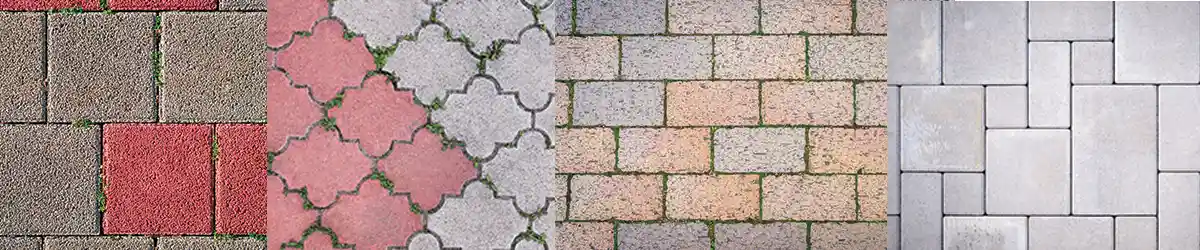
With rapid urbanization and the growing demand for durable, low-maintenance, and aesthetically versatile surfaces, concrete block paving is steadily transforming India’s urban and industrial landscapes. From city streets and pedestrian walkways to ports, logistics parks, airports, and large-format industrial zones, paver blocks are emerging as a preferred solution—offering a unique combination of structural strength, design flexibility, and ease of maintenance.
What is particularly noteworthy is the evolution of concrete block paving from a perceived low-traffic or decorative solution into a structurally engineered pavement system capable of handling heavy axle loads, container-handling equipment, and high-frequency industrial traffic. This performance is driven by its inherent interlocking mechanism, which enables efficient load distribution through composite action between blocks, jointing sand, and base layers—offering both strength and flexibility, unlike conventional rigid pavements.
India’s interlocking paver block market (estimated at around USD 1.5–1.55 billion in 2024) is projected to reach approximately USD 2.86–2.87 billion by 2031, growing at an annual rate of about 9%, according to industry estimates and market research (including BlueWeave Consulting). In parallel, industry assessments indicate that the broader addressable paving market in India stands at around Rs 40,000 crore annually, with an estimated growth of nearly 10%, driven by rapid urbanisation and infrastructure development, as highlighted by PBMA.
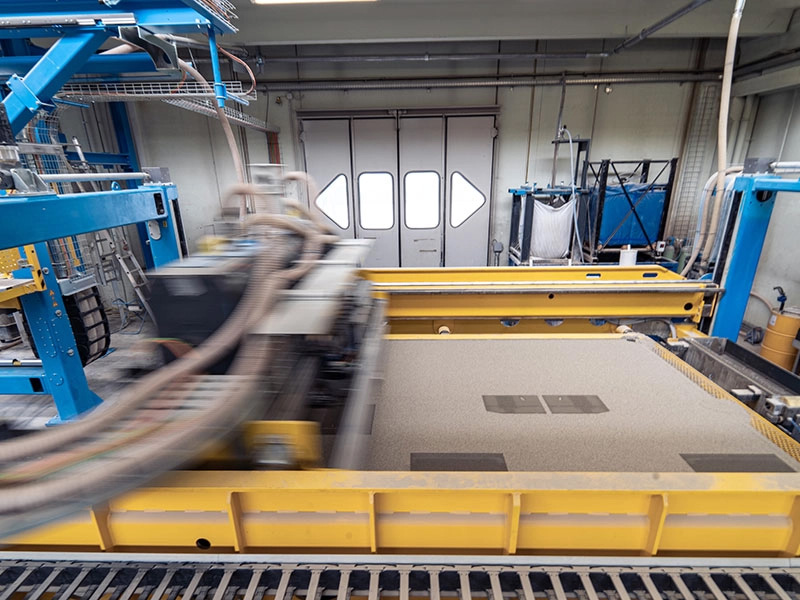
The concrete block paving industry, once perceived as a low-traffic surface solution, has matured into a structurally engineered pavement system capable of supporting heavy axle loads, container-handling equipment, industrial traffic, and high-frequency urban mobility demands.This shift is further supported by rapid advancements in manufacturing and execution technologies. The industry is moving towards automated, high-capacity plants where precision, consistency, and process control are critical. Modern block-making machines, improved vibration compaction systems, and IoT-enabled monitoring are enhancing product quality and production efficiency. At the same time, advanced curing technologies with controlled temperature, humidity, and airflow are ensuring uniform strength development and durability, even under India’s challenging climatic conditions.
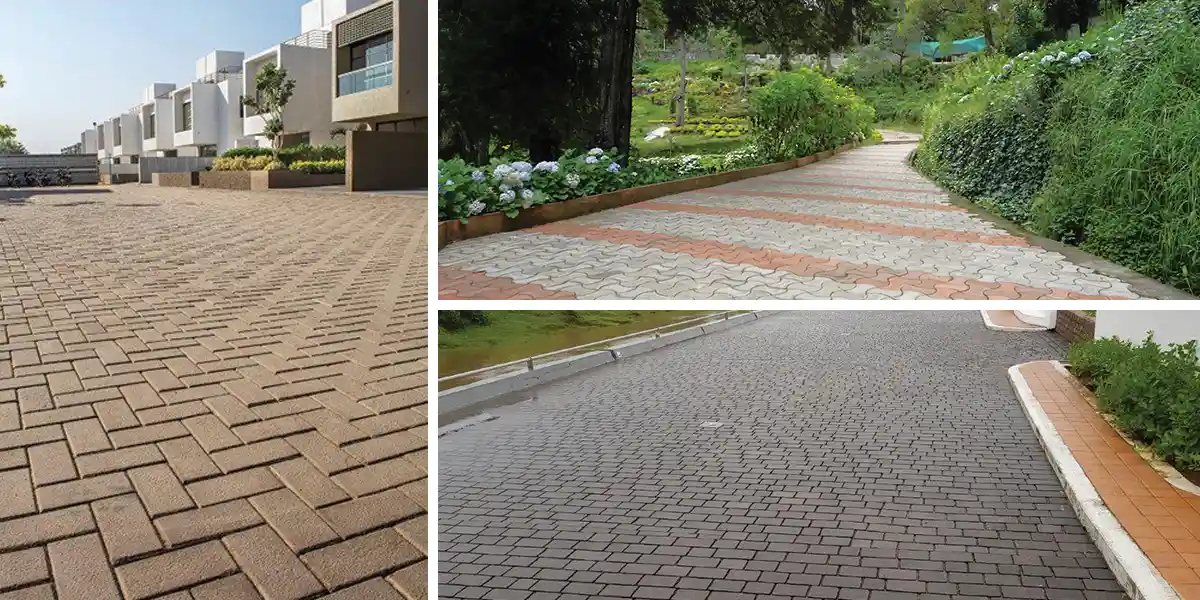
Equally important is the growing adoption of mechanised laying systems, which are transforming installation from a labour-intensive activity into a high-productivity, precision-driven process. This is particularly crucial for large infrastructure projects where speed, uniformity, and quality consistency directly impact project timelines and lifecycle performance.
However, despite these advancements, the industry continues to face key challenges, including variability in raw materials, shortage of skilled manpower, gaps in quality enforcement, and inconsistent adherence to standards. Experts also highlight the need to shift towards performance-based evaluation parameters such as abrasion resistance, water absorption, and durability, along with clearer differentiation between wet-cast and dry-cast pavers, as the lack of such differentiation often leads to mismatched usage and performance issues in the field.
At the same time, the push for sustainable and resilient infrastructure is opening new opportunities, particularly in permeable paving systems that support stormwater management and climate-responsive urban planning. With only a fraction of India’s paving potential currently tapped, the sector stands at a critical inflection point—where technology adoption, process discipline, and stronger standardisation will define its future trajectory.
NBM&CW engaged with developers, plant owners, curing technology providers, OEMs, and infrastructure experts to present a comprehensive view of the innovations, challenges, and opportunities in India’s concrete block paving industry.
India’s concrete block industry can become more organized and high-performing through standards, automation, training, testing, coordination, scale, and quality-focused manufacturing.
Mehul Jain
Vice President West – PBMA &
MD, Vara Tiles Ltd.

How big is the concrete block paving industry in India today in terms of market size, number of manufacturers, and production capacity?
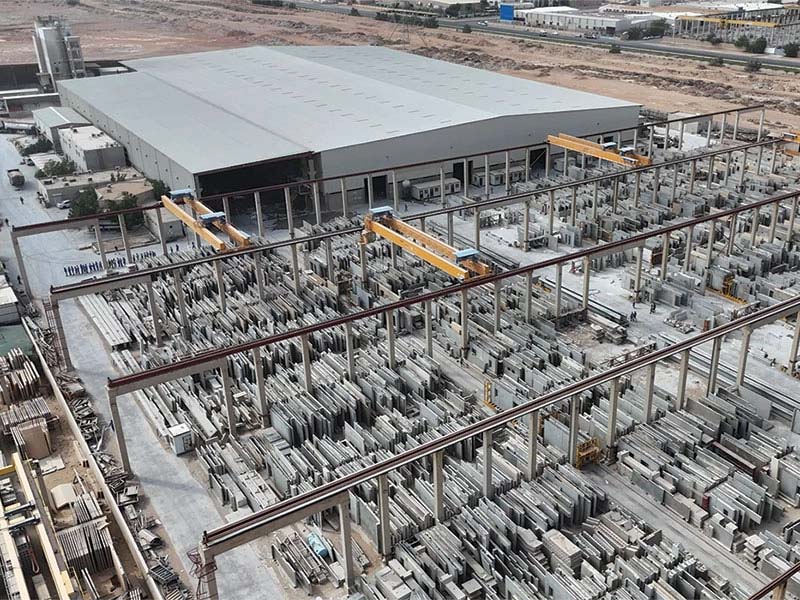
The Indian concrete block paving industry is very large, but also highly fragmented. A substantial share of production still comes from the unorganised sector, where many small manufacturers operate and are not always easy to track formally. The organised sector may account for only around 4% or less of the total market. If one considers the spread of manufacturers across districts and typical small-unit output, the annual market can reasonably be seen as running into hundreds of millions of square meters. The industry is a significant one and has substantial room for further formalisation and scale.What factors are driving adoption of concrete block pavements in India's infrastructure and urban development projects?
The main drivers are sustainability, practicality, and design flexibility. Concrete block pavements can make efficient use of resources, incorporate recycled and secondary materials, and offer a relatively low-carbon paving option when designed and produced well. They are also cost-effective, repairable, and well suited to urban infrastructure. At the same time, better awareness, improved application knowledge, and wider availability of higher-quality materials and equipment are helping accelerate adoption. These priorities are also strongly reflected in the ICCBP 2026 program.What initiatives is PBMA (Pavement Block Making Association) taking to promote quality standards, technological advancement, and wider adoption of concrete block pavements across the country?
PBMA's role is centred on disseminating technical information, creating platforms for exchange between manufacturers and experts, engaging with statutory and standard-setting bodies, and strengthening linkages with laboratories, consultants, and institutions. The objective is to improve technical understanding not only among manufacturers, but across the wider ecosystem that influences the quality and acceptance of concrete block pavements in India. Events such as ICCBP are an important part of this effort.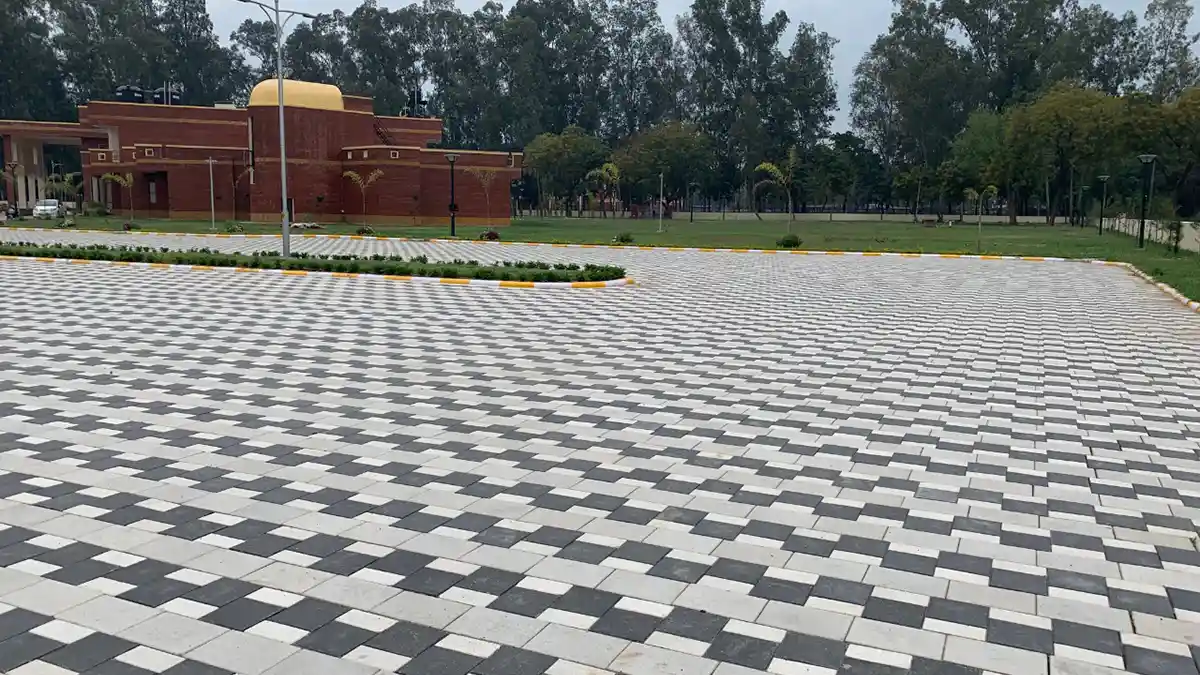
Globally, there is a growing shift toward permeable pavers, recycled aggregates, and eco-friendly paving solutions. How is PBMA factoring in these factors in India’s paving industry?
These are very important directions for the future of the industry. In India, however, know-how around permeable paving is still at a relatively early stage, and local conditions such as the prevalence of clayey soils in many urban areas can make implementation more challenging if systems are not properly designed. That said, this is exactly why knowledge-sharing matters. Through forums such as ICCBP, we hope to accelerate understanding of permeable paving, exchange practical lessons from other countries, and encourage more successful pilot and mainstream applications in India. On recycled aggregates and other eco-friendly material approaches, the industry is already making encouraging progress.How do you see the industry evolving over the next 5-10 years in terms of plant automation, capacity scale, and consolidation?
The industry is likely to move toward greater organisation, more automation, and larger production scales. Project sizes in India are increasing, quality expectations are rising, and mechanisation is becoming necessary. As the shift happens, we are likely to see more investments in better plants, stronger process control, and higher-capacity operations. That should gradually lead to a more organised sector, with some degree of consolidation, and a clearer separation between highly capable manufacturers and the rest of the market.The real performance of concrete block paving lies in proper base preparation, skilled installation, and standardised execution —making on-site quality the true determinant of long-term performance.
Kali Prasad
Vice President South – PBMA
Managing Director, Earth Pavers

What are the major operational challenges faced by concrete block manufacturers in India, particularly in maintaining quality and cost competitiveness?
Concrete block manufacturers in India face several operational challenges, including a shortage of skilled manpower and difficulties in maintaining consistent quality of raw materials such as stone aggregates and manufactured sand. Fluctuating cement prices add to cost pressures, while the limited presence of reliable paver machinery manufacturers in the country further affects productivity and quality control.How are manufacturers improving product quality, mix design, and curing practices to meet the performance requirements of large infrastructure projects?
Manufacturers are increasingly adopting fully automated paver plants, which help ensure consistent mix design and improved overall product quality. In addition, advanced curing technologies are being implemented, including controlled curing environments with automated air circulation, heating systems, and precise humidity regulation within curing chambers. These measures enable the production of high-quality, durable products that meet the stringent performance requirements of large infrastructure projects.
What support are manufactures looking for in terms of standards, awareness, or best market practices to strengthen the concrete block paving industry?
PBMA is closely working with the Bureau of Indian Standards and Indian Road Congress to streamline the standards to be adopted for paving blocks. We are also conducting programs to create awareness amongst our clients and user organisations like the Petroleum Sector, Container Terminals, National Highway Authority and Municipal Corporations. One such event is the upcoming 13th International Conference on Concrete Block Pavement (ICCBP) in Hyderabad on the 9th and 10th of April.What kind of pavers would you recommend for medium traffic projects vis-à-vis heavy traffic areas?
There are two types of pavers: one is wet cast and the other is dry cast. Wet cast pavers can be manufactured in a small set-up like a cottage industry, while dry cast pavers need big automatic plants. Wet cast pavers are good for low and medium traffic conditions as in smaller projects, while dry cast pavers are recommended for high and heavy-duty traffic projects. The smaller wet cast units cannot scale up to meet the bigger projects requirements in time, whereas the bigger dry cast automatic plants can deliver and scale up to the requirements of bigger projects with consistent quality.We need to create a lot of awareness amongst the end-users in this regard, and separate quality standards need to be specified for the two categories, specifying their characteristics and usage areas.
The adaptability of concrete block pavements makes it an apt solution for resilient and heavy load future-ready infrastructure projects.
Vijay Kumbhani
Executive Director, PBMA

How is the Indian concrete block paving (CBP) industry meeting the requirement for heavy traffic pavement systems in infrastructure projects?
India’s accelerated expansion across highways, logistics parks, industrial corridors, ports, metro systems, and smart urban developments has created strong demand for engineered pavement solutions combining durability, speed of execution, and lifecycle performance. CBP, previously seen as a low-traffic or aesthetic surface, has matured into a structurally engineered pavement system capable of supporting heavy axle loads, container-handling equipment, industrial traffic, and high-frequency urban mobility. Its interlocking design enables effective load transfer through composite action between blocks, jointing sand, and base layers, offering structural stability with flexibility. This modular resilience reduces downtime and long-term maintenance costs in industrial and high-traffic environments.How can manufacturers achieve precision and quality standardisation to ensure high performance of their products?
Manufacturing excellence and quality standardisation are critical to long-term performance. Dimensional tolerances, compressive strength, abrasion resistance, water absorption, and colour uniformity directly affect interlocking efficiency and joint integrity. Minor deviations in block geometry can compromise structural behaviour under repeated loads. Advanced automated batching, high-efficiency vibro-compaction, optimised curing cycles, and strict laboratory-based quality control ensure reliable and consistent output.Alignment with recognised engineering standards ensures CBP is treated as a structural pavement system rather than merely a surface finish. Mechanised laying systems further enhance productivity, alignment, joint consistency, and reduce dependency on skilled labour, enabling large-scale, high-performance installation.
How do CBP systems contribute to sustainability and lifecycle performance?
Over extended service cycles, CBP often demonstrates favourable lifecycle economics compared to pavements requiring frequent resurfacing or rehabilitation. Ease of reinstatement, adaptability to phased development, and reduced maintenance disruption further enhance long-term value.
In which infrastructure applications is CBP increasingly being used?
CBP applications have expanded beyond urban roads and pedestrian pathways to container terminals, industrial flooring, logistics parks, metro corridors, waterfront developments, airport service areas, and heavy-duty pavements requiring high structural integrity. Specialised heavy-duty pavers, engineered surface textures, and tailored design configurations allow solutions to be customised for diverse load classes and operational environments. The adaptability of CBP positions it as a strategic solution for resilient, future-ready infrastructure projects.What are the key challenges the CBP industry faces in India?
Despite technological advancements, the industry faces structural challenges. Variability in product quality among smaller and unorganised manufacturers, inconsistent adherence to dimensional accuracy, strength, and durability benchmarks can compromise interlocking efficiency and long-term pavement performance. Limited understanding of engineered block pavement systems, sub-base preparation, load calculations, and installation of best practices can lead to underperforming pavements. Skill gaps in installation and low mechanisation adoption further exacerbate issues. Procurement practices focused on lowest initial cost rather than lifecycle performance slow quality progression. Addressing these challenges requires technical engagement, enforcement of standards, structured training and certification, research-backed advocacy, and collaborative alignment across manufacturers, consultants, contractors, planners, and policymakers.Quality begins at the manufacturing stage with strict control over raw materials, mix design, and curing, as even minor variations can impact strength, durability, and long-term performance.
Prem Chand Gupta
Founder & Owner, NTC Tiles LLP

How are manufacturers improving product quality, mix design, and curing practices to meet the performance requirements of large infrastructure projects?
The Indian MSME sector is the backbone of the precast concrete industry, and it is evolving rapidly. Manufacturers today have access to new alternate materials and admixtures which improve product quality. Self-curing admixtures, winter accelerators to counter slow curing in cold weather, and high-performance plasticisers are available today.Twenty years back, materials like glass fibre reinforcements, silica fumes, and other alternate SCMs once used only in demanding projects like dams, are becoming common among precast manufacturers. Systems and solutions are easily available for almost every challenge and at cost-effective prices, so much so that the quality of products coming out of even smaller factories is improving.
What changes or support do you expect in terms of standards, awareness, or market practices to strengthen the concrete block paving industry?
Second, enforcement of BIS marking must be strengthened on the ground. Today, many BIS-licensed products in the market would struggle to pass even basic laboratory tests — yet they continue to be laid on public roads. The intent behind mandatory BIS marking was right, but it needs stronger enforcement and smarter testing processes.
How can India’s concrete block paving industry meet global standards?
India’s paving industry has come a long way and is well-positioned to become a leading market globally provided it meets the desired quality standards. For this, there should be strict enforcement of quality standards. Currently, implementation of BIS standards among Indian MSMEs is scattered. Many small units lack proper resources and knowledge, relying heavily on consultants. This often results in standards being followed on paper but not in practice.The scope of BIS standards for precast products should be expanded rapidly to match the pace of market growth. We have recently been involved in developing new BIS standards for tactile concrete flooring tiles, flagstones, and grass grids –– a big step forward. But many commonly used precast products like box culverts still do not have dedicated standards.
The scale of infrastructure development in India today is unprecedented. Departments like CPWD, AAI, and NHAI are setting excellent benchmarks with stringent quality requirements and merit-based procurement. But some departments like the local Municipal Corporations and state PWDs still approve and purchase sub-standard materials for local projects. Government procurements should therefore follow only merit-based evaluations with clearly defined performance criteria, moving beyond lowest-cost procurement. Merit-based procurement will prove to be cheaper in the long run. When quality is prioritised, the total cost over the service life is always lower. As more departments recognise this, the industry will naturally move towards a world-class quality ecosystem.
The industry will surely be defined by players who invest in technology-led manufacturing which is built to scale-up without losing consistency and quality.
Jigar Patel
Director, Revomac Industries

What technological advancements in block making machines are helping manufacturers improve productivity, consistency, and product quality?
Block making technology is evolving around three pillars: speed, stability, and precision. Higher productivity is being driven by optimized machine architecture and reduced cycle times, enabling greater output without increasing footprint.Consistency comes from engineering discipline, i.e. validated designs, higher safety factors, and a strong focus on maintenance and calibration practices.
On the quality front, vibration compaction systems have become far more refined, ensuring uniform density and finish. However, machine capability must work in tandem with raw material quality.
What production and quality control practices are essential to ensure consistent compressive strength, dimensional accuracy, and durability of concrete pavers?
Consistency in output is fundamentally a process discipline, not just a machine outcome. It begins with stringent control of input materials, hence, aggregates, sand, and cement must be tested and standardized using scientific parameters.Secondly, maintaining a consistent and optimized mix-design is critical as even small deviations can impact strength and dimensional accuracy. However, the trick lies in regulating the curing environments in terms of moisture, temperature and proper hydration. For manufacturers, the quality checks need to be more structured and process-driven across material, mix, and curing.
How are automation, digital monitoring, and plant integration improving efficiency and quality control in modern block manufacturing plants?
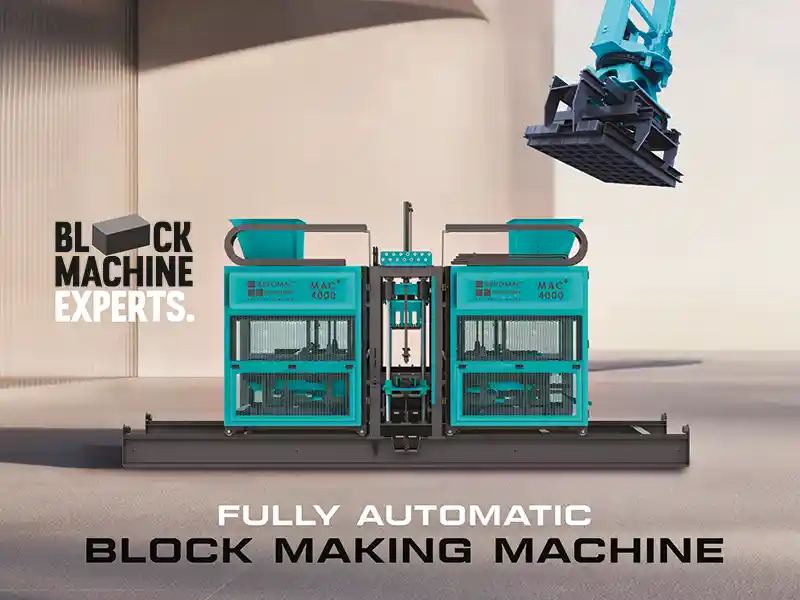
When such technological integrations are undertaken across the plant they create a seamless, low-variability environment. And, the result is not just higher efficiency, but far more predictable and consistent quality.
What innovations in machine design are helping reduce energy consumption, material waste, and production cost?
Energy efficiency is no more an afterthought; it is actively integrated into the system. It begins with precise load calculation to ensure that power systems are optimally rated and not overdesigned. Technologies like load-sensing hydraulic systems are remarkably impactful, as they align energy consumption with actual operational demand, leading to significant waste reduction.Additionally, improvements in material handling and compaction efficiency are minimizing rejection and material loss. However, the larger shift is towards smarter machines, where efficiency, cost control, and sustainability are all addressed at the design level.
What trends are you observing in terms of demand for high-capacity/automated block plants in the Indian market?
With infrastructure development accelerating across urban and semi-urban regions, demand for high-quality paving solutions is rising rapidly. But only 20% pavements are paved in India.On the manufacturing side also, there is a decisive shift from semi-automatic setups to high-capacity, fully automated plants. Manufacturers are increasingly prioritizing consistency, scale, and long-term efficiency over short-term cost savings. Another observation is that people are realizing that automation is not just about output, but also about reliability, quality control, and competitiveness.
Using enclosed automated curing chambers with real-time monitoring, controlling temperature, humidity, and airflow, will ensure consistency and high-quality of concrete paver blocks in any climate.
André Dienst
Managing Director, Curetec

What are the common challenges faced by Indian block & paver manufacturers in maintaining proper curing conditions and what are the solutions?
Manufacturers in India often struggle with inconsistent curing due to extreme climate variations. High heat and low humidity in dry regions cause rapid moisture loss and surface cracking, while high humidity and monsoons in coastal areas lead to uneven hydration. Traditional methods like ponding, wet burlap, or misting frequently result in non-uniform moisture distribution, differential shrinkage, lower strength, and surface defects, especially with blended cements that need prolonged moist curing.Advanced systems like Curetec’s automated CureComplete deliver precise control of temperature, humidity, and air circulation. Real-time sensors and PLC automation ensure uniform conditions throughout the rack, eliminating gradients that cause uneven strength development. This results in consistent batch-to-batch quality, reduced microcracking, better surface finish, and reliable performance - ideal for high-volume block & paver production.
How important is optimized curing for enhancing compressive strength, abrasion resistance, and dimensional stability of concrete paver blocks?
Optimized curing promotes complete hydration, creating a denser microstructure that boosts compressive strength, reduces permeability, and improves long-term durability. It hardens the surface zone for superior abrasion resistance and minimizes drying shrinkage gradients, preventing warping, curling, or cracking - leading to better dimensional stability and reduced efflorescence in installed pavements.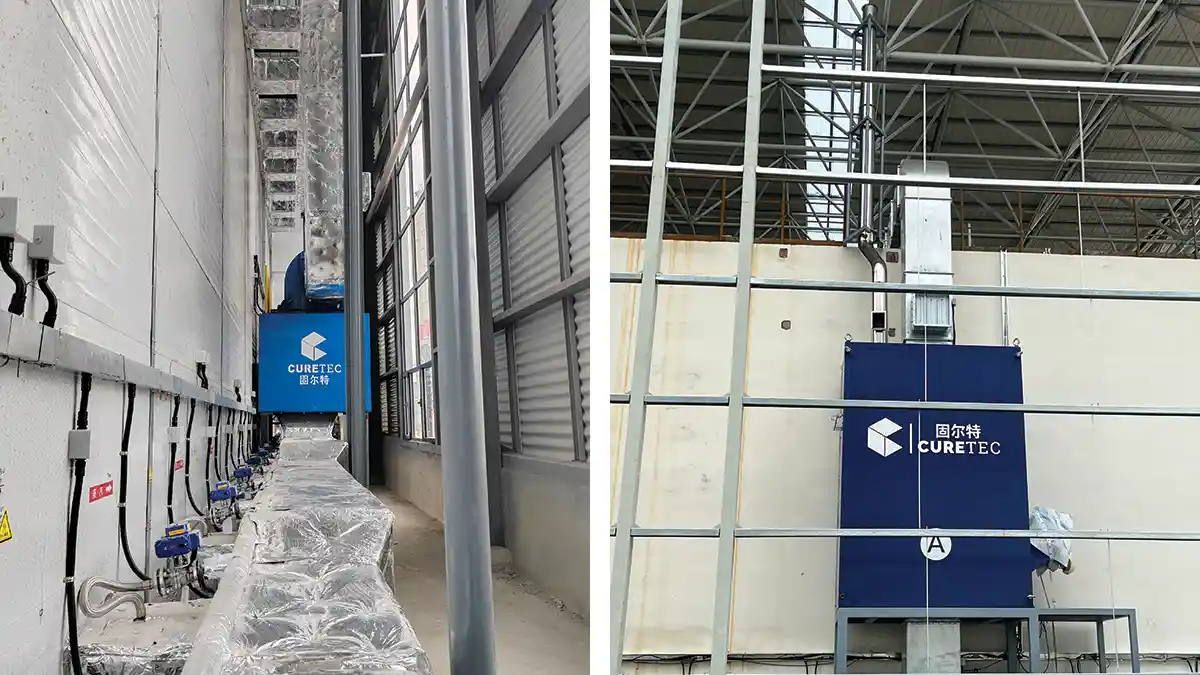
How do Curetec solutions help manufacturers improve productivity, reduce cycle time, and achieve energy efficiency in large-scale production?
Curetec’s systems accelerate hydration with controlled humidity and heating, shortening demolding to 12–16 hours while achieving strong early strengths for faster throughput. Energy recovery of up to 80% and smart automation cut consumption significantly compared to traditional methods. This increases productivity, lowers rejections, reduces cycle times, and improves sustainability - helping manufacturers scale output cost-effectively. We are also preparing to start local manufacturing in India soon to bring these solutions even closer to Indian producers.What best practices and quality control measures should manufacturers adopt to ensure consistent curing outcomes across different climatic conditions in India?
To deliver consistent, high-quality paver blocks year-round (regardless of regional conditions), manufacturers should follow these practices:- Use enclosed, automated curing chambers to control temperature and humidity independently of weather.
- Monitor chamber conditions continuously with sensors and log data for traceability.
- Adjust curing profiles (ramp rates, humidity levels) according to mix design and local climate.
- Test early-age strength, abrasion, absorption, and dimensions regularly from different stack positions.
- Train operators and maintain sensors/seals to ensure system reliability.
Advanced wet-press technology, AIML-driven monitoring, and fully integrated plant systems are turning block manufacturing into a controlled, high-precision process.
Nitesh Modi
Director, Q Green Techcon

How is automation in block making machines helping manufacturers improve productivity, consistency, and product quality?
We are witnessing a strong shift toward automation-driven and precision-controlled manufacturing systems, supported by global technology collaborations. Automation is transforming block manufacturing from a labor-intensive activity into a data-driven, integrated industrial process. Modern block making machines today incorporate advanced automated production systems designed for high-efficiency operations; . AIML-based systems provide real-time insights into machine performance and output, and digital monitoring enables predictive maintenance and reduced downtime. Advanced wet press technology is enabling superior density and dimensional accuracy of products. These advancements significantly enhance productivity, consistency, and surface quality, while also enabling manufacturers to scale operations without compromising standards.Through collaborations with global technology partners, Q Green Techcon is enabling manufacturers to adopt smart manufacturing practices, resulting in improved efficiency, reduced human dependency, and consistent product quality. At the same time, our in-house design team plays a crucial role in ensuring that every level of machinery and plant design is seamlessly integrated, making the entire system more efficient, reliable, and tailored to practical industry needs.
What production and quality control practices are essential to ensure consistent compressive strength, dimensional accuracy, and durability of concrete pavers?
In the Indian context, inconsistency in block quality often arises due to variations in raw materials and lack of standardized processes. Consistency can only be achieved through a technology-backed, process-oriented production ecosystem such as automated batching and mix design accuracy to eliminate manual errors; integrating controlled production parameters through SCADA systems; and adopting uniform curing systems supported by advanced racking and curing technologies.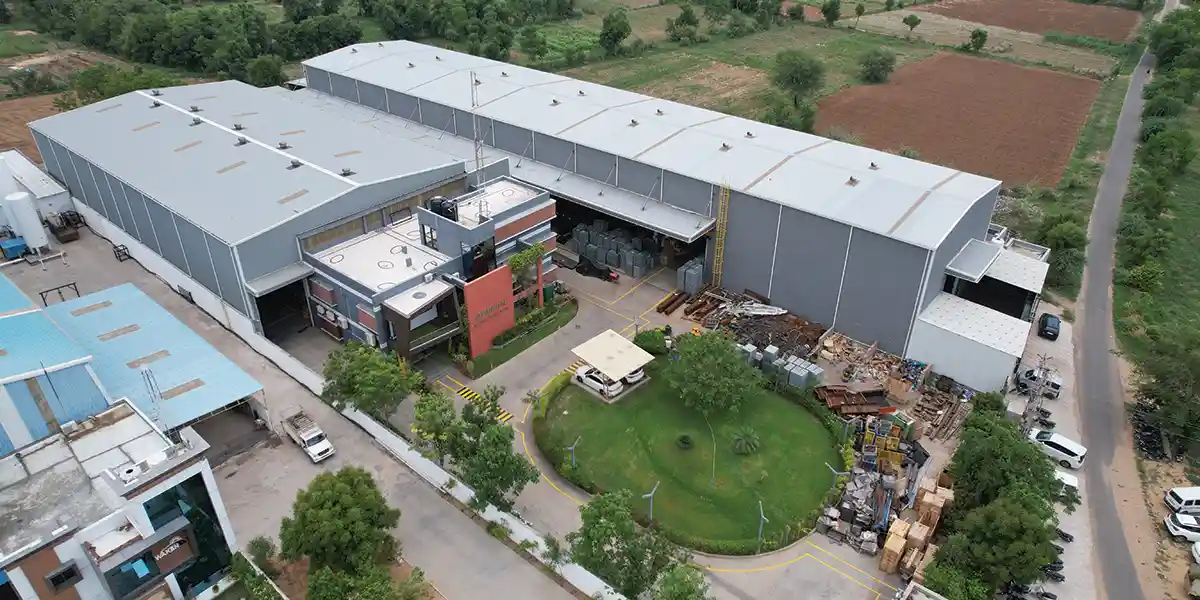
At Q Green Techcon, training, SOP implementation, and plant-level process discipline, ensure that customers are not just equipped with machines, but also with complete operational know-how.
What innovations in machine design are helping reduce energy consumption, material wastage, and overall production costs?
Energy efficiency and cost optimization are becoming decisive factors in plant selection. At Q Green, we ensure that our machines deliver maximum productivity with optimized resource utilization through modernized production cycles to reduce power consumption per unit; material handling systems that minimize wastage and improve yield; and robust machines designed for longer lifecycle and reduced maintenance costs.We are also promoting sustainable production practices, including efficient raw material utilization and recycling of unused concrete, aligning with the broader goal of environmentally responsible construction.
What trends are you observing in terms of demand for high-capacity or automated block plants in the Indian market?
The Indian market is rapidly transitioning toward high-capacity, automation-driven block manufacturing plants, driven by infrastructure growth and increasing quality awareness.At Q Green Techcon, we are observing:
- Strong demand for fully automated, high-output plants (up to 100,000 bricks per shift)
- Increased adoption of global technologies by Indian manufacturers
- A shift from semi-automatic setups to integrated and scalable systems
- Growing focus on quality standardization and long-term durability
The concrete block paving industry in India is moving toward a more structured, technology-driven, and quality-conscious future. At Q Green Techcon Limited, we believe that the next phase of growth will be defined by automation, global technology integration, and sustainable engineering practices. Our focus remains on empowering manufacturers with solutions that enhance productivity, ensure consistency, and contribute to the development of modern infrastructure.
Concrete block paving is being seen as a high-performance, practical and cost-effective alternative in urban and industrial applications and across both light and heavy-load environments.
Pallav Saxena
Chief Operating Officer-PMO
Smartworld Developers

What is best suited for urban developments: concrete block pavers, asphalt, or concrete?
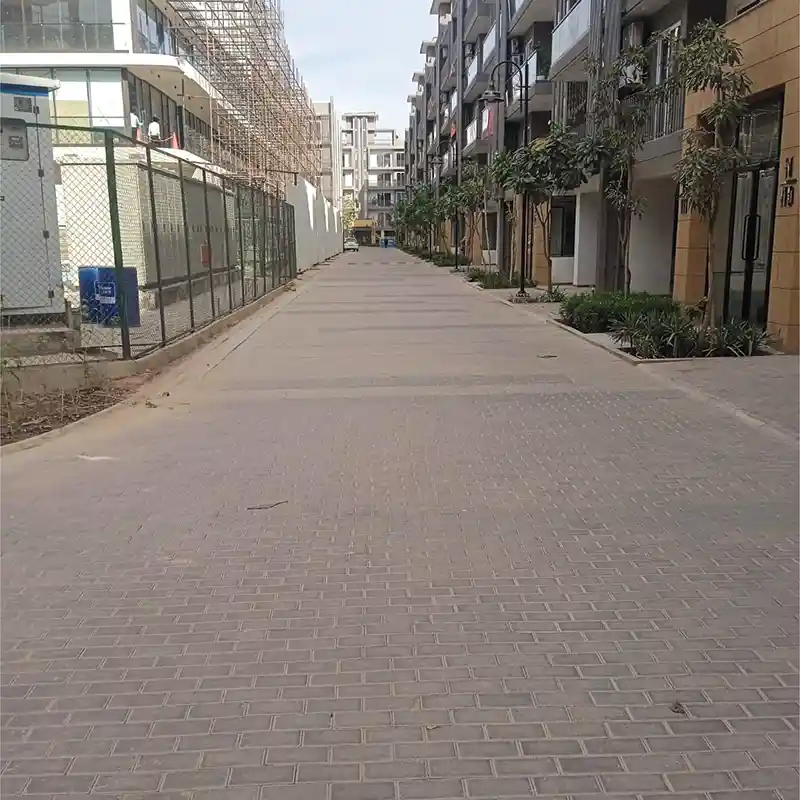
What are the key performance advantages and limitations of concrete block pavers?
Concrete block pavements offer excellent durability, easy maintenance, and favorable life-cycle costs for urban roads, parking areas, townships, and commercial developments. However, their performance is highly dependent on proper base preparation, joint maintenance, and edge restraints, and they may not be the best choice for high-speed highways or extremely heavy continuous traffic corridors.How do you see demand increasing in future projects?
he demand for concrete block paving is expected to grow steadily over the next decade, especially in urban infrastructure, smart cities, townships, commercial developments, and sustainable drainage systems. The combination of durability, maintenance flexibility, aesthetics, and environmental benefits makes CBP an increasingly preferred pavement solution in modern urban planning.Manufacturers are shifting their production to high-capacity and fully automated plants as demand for consistent quality is increasing, especially in infrastructure projects.
Rajendra V. Panchal
CMD, Neptune Industries

What improvements in block making machines are helping manufacturers increase productivity and consistency in product quality?
The block and paver industry is changing fast. Today, it’s not just about producing more it’s about producing consistent quality at scale. One of the biggest improvements has come from advanced vibro-compaction technology, especially systems based on German engineering. When vibration and pressure are properly controlled, the concrete becomes denser, air voids are minimized, and the final product has better strength and finish. You can literally see the difference in uniformity.Modern machines are also more synchronized. Every step of feeding, vibration, compaction, and de-moulding happens in a controlled cycle. This makes output more consistent, even at higher production speeds.
Automation is also playing a big role now. With automated and integrated plants, the process is much more stable. Human error is reduced and every cycle performs in the same way. Digital monitoring helps track cycle time and vibration in real time. If something goes off, you know immediately. This level of control was not possible earlier.
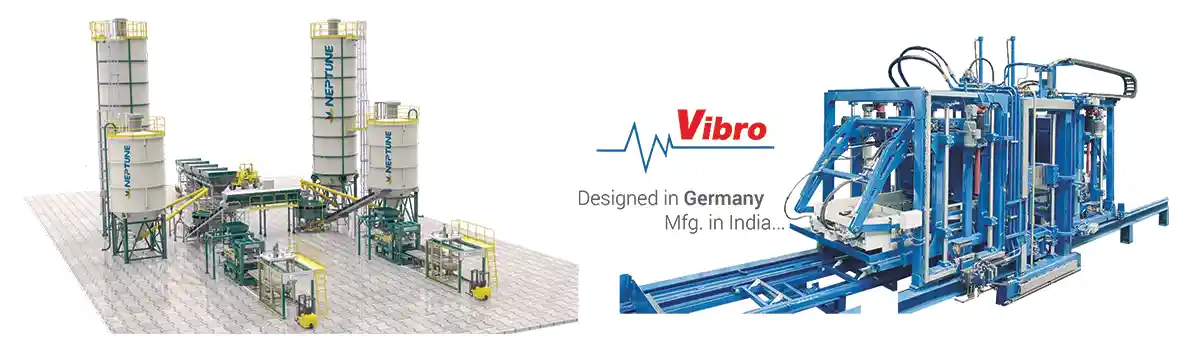
Using the right technology and a batching plant with SCADA system will give data-wise traceability of each and every batch and mix. Unfortunately, curing is often ignored. Good curing is what gives the block its durability over time. So, consistency comes from a combination of machine + process discipline + regular quality checks.
How can machine design help reduce energy consumption, material wastage, and production cost?
Machine designs are now focusing on getting more output with less power. Optimized vibration systems, efficient hydraulics, and faster cycles all help reduce energy consumption.Neptune’s design of the electric vibro & hydraulic press improves hydraulic power, removes leakage, and saves hydraulic oil. At the same time, better control over material feeding reduces wastage, especially cement, which is a major cost factor. Less rejection, less breakage… it all adds up.
What trends are you observing in terms of demand for high-capacity or automated block plants in the Indian market?
Manufacturers are moving towards high-capacity and fully automatic plants. The demand for consistent quality is increasing, especially from infrastructure projects. There’s also a growing trust in European-standard technologies, because people now understand that quality and consistency are what really sustain businesses. If your process is controlled, your technology is strong, and your output is consistent, you stay ahead.Advanced curing systems, automated controls, and management of temperature, humidity, and airflow, reduce variability, ensure uniform curing, and result in high-quality blocks.
April Kraft
Marketing Manager
Kraft Curing Systems GmbH

What are the common challenges faced by manufacturers in India in maintaining proper curing conditions?
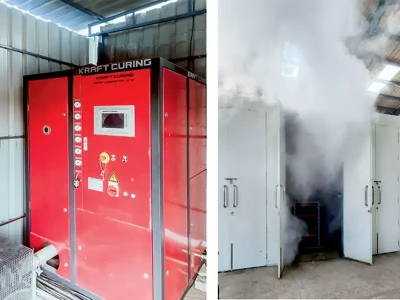
Curing remains one of the most critical yet least controlled processes in many Indian drycast paver operations. The primary challenge stems from highly variable climatic conditions like high ambient temperatures, seasonal humidity swings, and monsoon exposure – all of directly impact the curing environment, particularly in plants that rely on open or semi-controlled systems. As a result, manufacturers often struggle to maintain consistent temperature and relative humidity throughout the curing cycle.Within traditional curing racks, another major issue is climate inconsistency from top to bottom and front to back. Due to natural heat stratification, products at the top of the rack can experience significantly higher temperatures than those at the bottom, leading to variations in strength, color, and surface density. Additionally, high humidity environments without proper temperature control can lead to condensation, which contributes to efflorescence, corrosion of equipment, and operational disruptions.
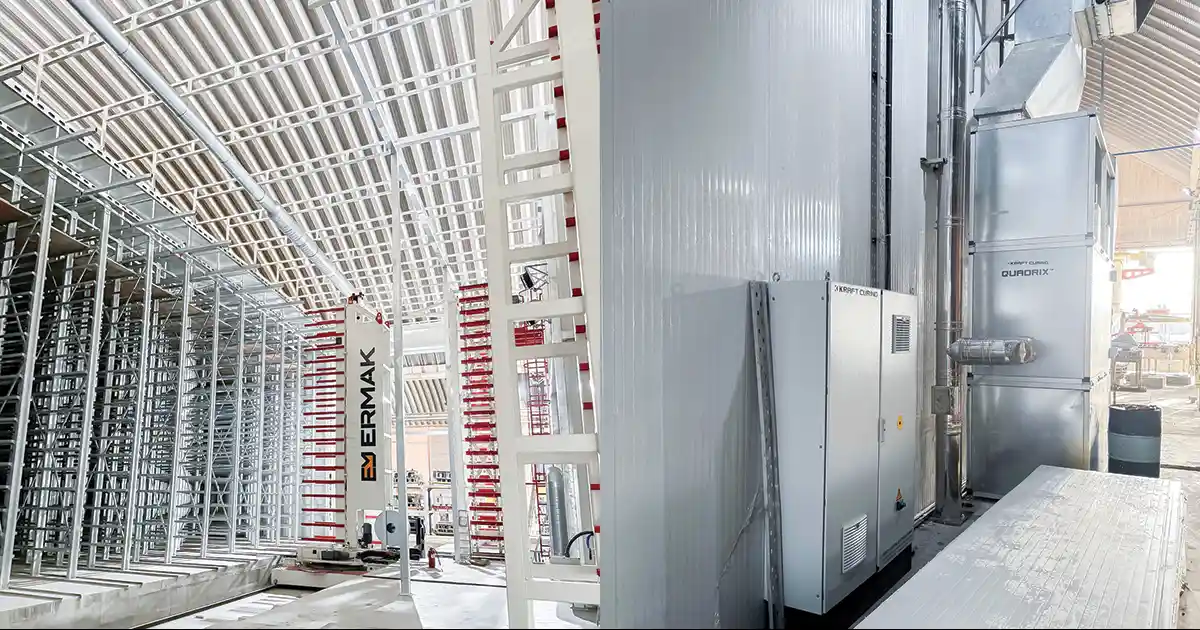
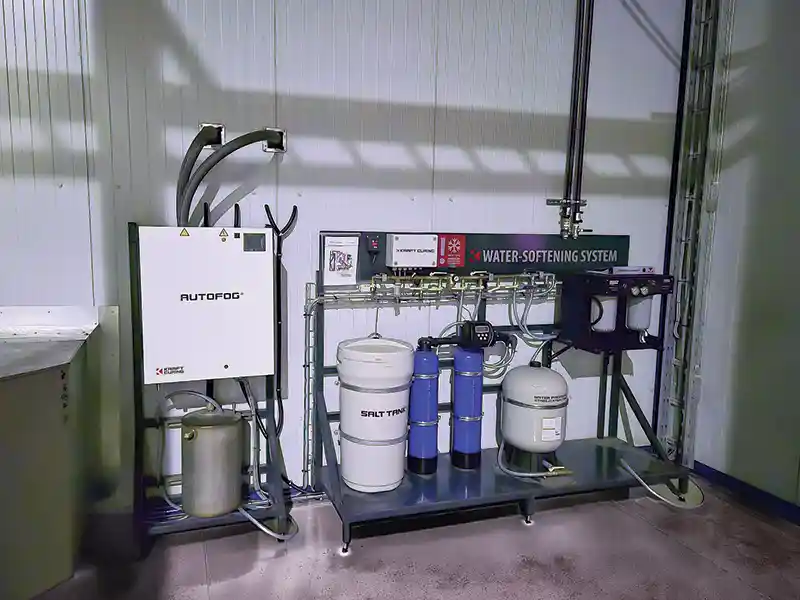
Water quality is another overlooked factor in India. Hard water and high total dissolved solids can negatively impact vapor generation and humidity control systems, leading to maintenance issues and inconsistent curing conditions. Ultimately, many of these challenges arise not from the concrete mix itself, but from the inability to create and maintain a stable, repeatable curing environment.
How are advanced curing systems improving process control, curing uniformity, and consistency in large-scale production of concrete block paving blocks?
Advanced curing systems are transforming curing from a variable, operator dependent process into a controlled and repeatable manufacturing step. Modern systems such as Quadrix® and Nautilus™, combined with automated controls like AutoCure®, allow producers to precisely manage curing temperature, relative humidity, and airflow within enclosed chambers.These systems are engineered to maintain highly consistent curing conditions, with temperature controlled within approximately ±1°C and relative humidity within ±3%. This level of control ensures that every product, regardless of its position in the curing chamber is exposed to the same curing environment. Engineered air distribution systems, particularly those delivering conditioned air at floor level, eliminate temperature stratification and ensure uniform heat transfer throughout the rack.
What is the importance of optimized curing?
Optimized curing has a direct and measurable impact on the key performance characteristics of concrete paver blocks. Proper control of temperature and humidity ensures that the cement hydration process proceeds efficiently, resulting in a denser and more uniform product.Maintaining high relative humidity during curing prevents premature moisture loss, which is essential for achieving higher compressive strength and improved abrasion resistance. At the same time, consistent curing conditions across all pallets ensure uniform surface density, reducing variability in product appearance and mechanical performance.
In practical terms, this translates to harder edges, reduced breakage during handling, and improved longterm durability in service. It also minimizes common quality issues such as efflorescence and color variation, which are often linked to inconsistent curing environments. For producers targeting higher value architectural or heavy-duty paving applications, optimized curing is a fundamental requirement for meeting performance expectations.
How do modern curing solutions help manufacturers improve productivity, reduce cycle time, and achieve energy efficiency in large-scale production?
Modern curing solutions are designed not only to improve quality but also to enhance overall plant productivity and operational efficiency. Systems such as Vapor Curing, Quadrix®, and Nautilus® accelerate the curing process through controlled addition of heat and humidity, enabling faster strength development and earlier handling of products.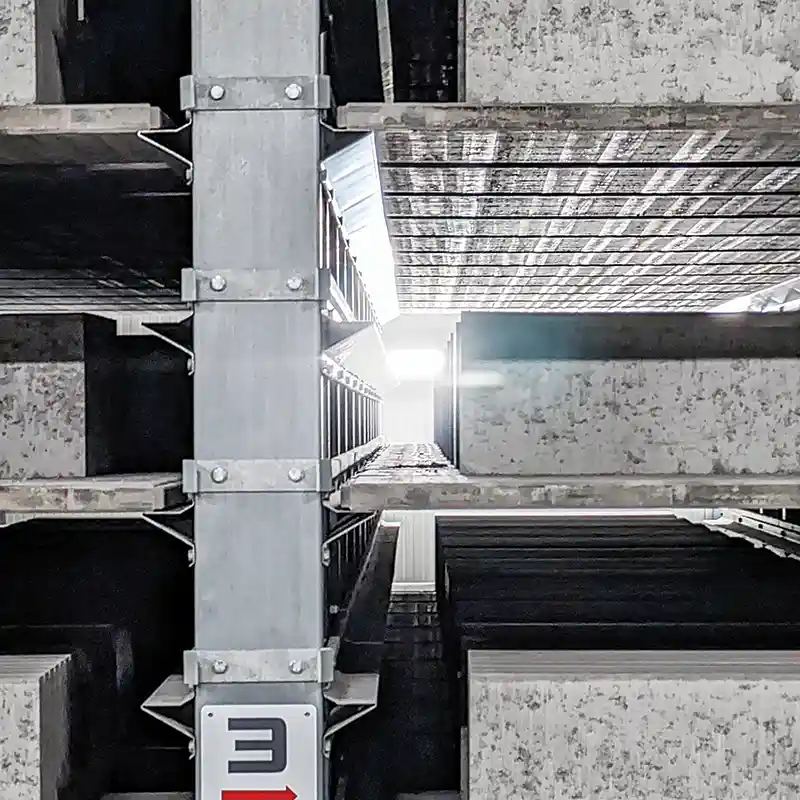
What best practices and quality control measures should manufacturers adopt to ensure consistent curing outcomes across different climatic conditions in India?
To achieve consistent curing results across India’s diverse climatic conditions, manufacturers must focus on controlling the curing environment rather than reacting to it. The first step is the use of fully-enclosed and properly insulated curing chambers, which isolate the curing process from external temperature and humidity fluctuations. Uniform air distribution is equally critical. Engineered airflow systems that eliminate temperature gradients within the chamber ensure that all products cure under identical conditions. This is particularly important in high capacity rack systems, where even small variations can lead to significant quality differences.Automation and monitoring are essential components of modern curing operations. Systems like AutoCure® provide realtime control of temperature and humidity, while technologies such as Match-Cure allow producers to monitor actual concrete strength development and optimize curing cycles accordingly.
Water quality management should also be prioritized. Installing water treatment systems ensures reliable operation of vapor and humidification equipment, preventing scale buildup and maintaining consistent moisture delivery. Finally, producers should adopt a data-driven approach to curing, using recorded curing parameters to continuously refine and standardize their processes.
Through modern engineering and manufacturing systems, innovation, expert services, and turnkey project execution, manufacturers can set new benchmarks in quality and performance.
Dinesh Suthar & Piyush Suthar
Co-Founders
ENDEAVOUR Intelligent Equipments

What are the key areas of expertise and technological solutions in modern brick and paver block manufacturing?
Expertise in this sector focuses on delivering advanced brick and block making machinery covering design, manufacturing, installation, and servicing. Key technologies include High Pressure Fly Ash Brick Making Machines with advanced prefilled technology; High Vibration Bricks & Blocks Making Machines with heavy-duty, oil-filled, high-speed vibration systems controlled by variable frequency drives; allied equipment for producing color paver blocks; automatic material batching and feeding systems; and automated bricks/blocks stacking, transferring, curing, and bundling equipment. These technologies enable turnkey solutions from concept to commissioning, ensuring reliable, high-performance, and cost-effective production.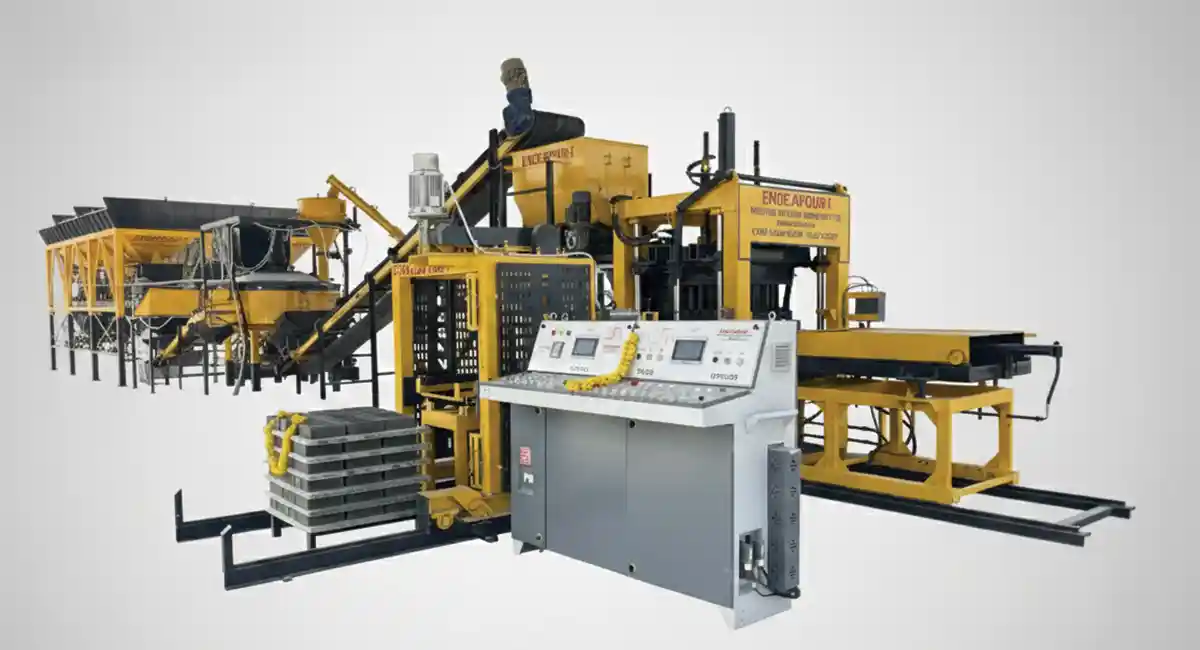
How can turnkey solutions and advanced engineering support scalable, high-performance paver block manufacturing?
Turnkey solutions provide end-to-end support—from concept and design to commissioning and operational management—ensuring consistent performance, reliable production, and cost-effective execution. By integrating advanced machinery, automated systems, and precision engineering, manufacturers can achieve high-capacity throughput while maintaining dimensional accuracy, strength, and long-term reliability. This is particularly beneficial for fly ash bricks, concrete blocks, colored paver blocks, cement bricks, and sand-lime bricks, allowing operations to scale efficiently without compromising quality.What production capacities and technological capabilities does Endeavour provide for paver block manufacturing?
ENDEAVOUR-i's plants can produce from 1200 to 5000 Fly Ash - Cement - Lime Bricks and Concrete Paver Blocks per hour. The machines are designed based on long-term R&D carried out at their 75,000 sq. ft. manufacturing facility, which also houses a 2,500 sq. ft. design and administration office. Advanced design resources support mechanical engineering and commissioning tasks, ensuring high-quality and high-performance outputs.How can a skilled workforce, a modern manufacturing infrastructure, and support services contribute to efficiency, quality, and reliability?
Efficiency and quality are achieved through modern design facilities, robust manufacturing infrastructure, skilled staff, and expert technical teams that provide immediate support across locations. A strong vendor base and reliable after-sales service are critical to minimize downtime and maintain consistent performance. Together, these factors allow manufacturers to deploy advanced machinery, sustain operational excellence, and remain cost-competitive while delivering high-quality paver blocks.“Concrete block paving is evolving beyond a surface choice into a lifecycle-driven solution—offering durability, low maintenance, and design flexibility, while enabling climate-resilient urban infrastructure through better stormwater management and reduced heat impact, observes Avneesh Sood, Director, Eros Group

What factors influence your decision to use concrete block paving in roads, townships, and commercial developments compared to asphalt or conventional concrete pavements?
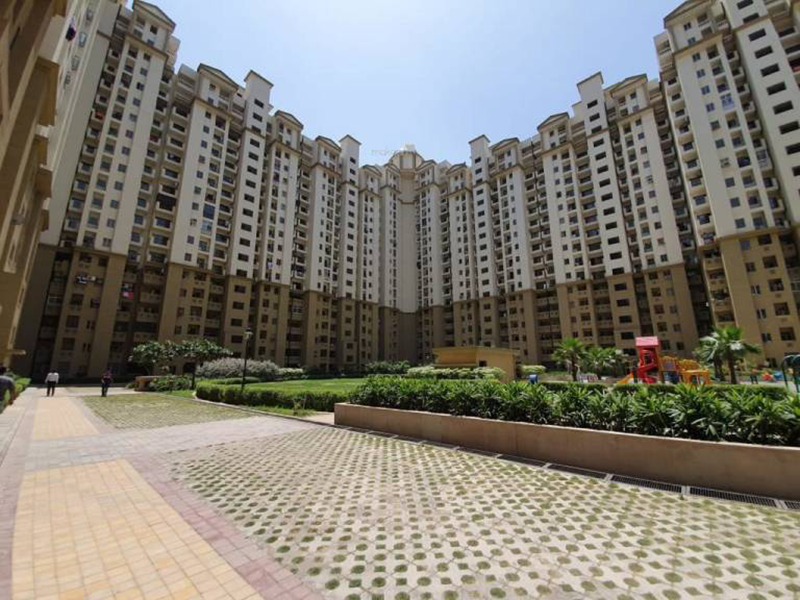
From a planning perspective, CBP also provides superior load distribution and resistance to rutting under slow-moving or static loads, making it suitable for parking areas, plazas, and logistics zones. Additionally, reflective surfaces help reduce urban heat, while permeable joints aid stormwater infiltration, which are important considerations as cities pursue climate-resilient infrastructure.
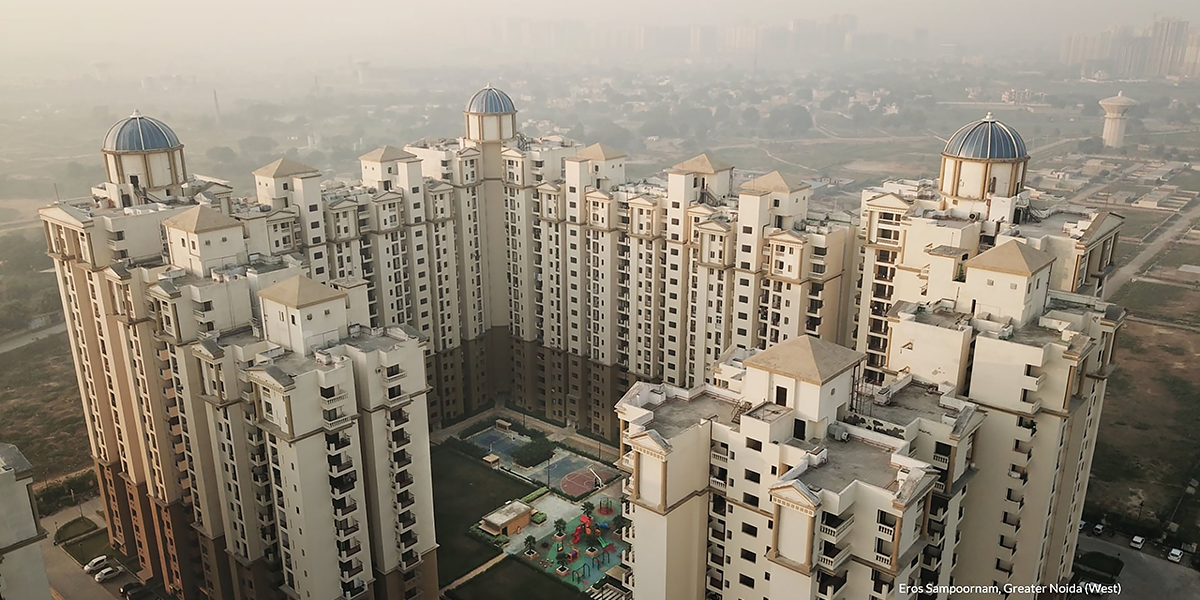
In large township projects such as Eros Sampoornam in Greater Noida, as well as commercial environments like Eros Corporate Park, concrete paving has been widely used in landscaped walkways, driveways, and parking areas because it combines durability, aesthetics, and operational practicality, qualities which are increasingly valued in India’s evolving real estate landscape.
In your experience, what are the key performance advantages or limitations of concrete block pavements in terms of durability, maintenance, and lifecycle cost?
Concrete block pavements offer several performance advantages that make them particularly relevant for large real estate and mixed-use developments. From a durability standpoint, factory-produced blocks typically achieve compressive strengths above 35 MPa and distribute loads through an interlocking mechanism, which helps them perform well in areas with repeated turning stresses such as parking zones, plazas, and internal roads. Their modular structure also prevents large structural cracks, which is a common issue in monolithic concrete slabs.Maintenance efficiency is another key advantage. Individual blocks can be removed and replaced without disturbing the entire pavement surface, which significantly reduces repair time and disruption. In lifecycle terms, while the initial construction cost can be around 35-50% higher than asphalt, studies indicate that over a 20-30-year period concrete block pavements can be 20-33% more economical due to lower maintenance requirements. However, they are generally more suitable for low- to medium-speed environments such as townships, commercial complexes, and parking areas rather than high-speed highways.
How do you see the demand for concrete block paving growing in upcoming urban and infrastructure projects?
Demand for concrete block paving in India is expected to strengthen significantly as urban infrastructure becomes more design-oriented, climate-resilient, and maintenance-efficient. Rapid urbanisation and infrastructure investment are already expanding the market, with the India interlocking paver block sector estimated at about USD 1.55 billion in 2024 and projected to grow at around 9% CAGR through 2031.From a real estate development perspective, this demand is closely tied to the growth of integrated townships, logistics parks, and mixed-use commercial districts. Urban planning programs emphasising pedestrian infrastructure, landscaped public spaces, and permeable surfaces are also accelerating the adoption of block paving. For developers, the modular nature of these pavements allows faster installation and easier long-term maintenance compared to conventional asphalt surfaces.
Over the next three to five years, the strongest demand is likely to emerge from township roads, parking infrastructure, logistics hubs, and urban redevelopment projects. Developments undertaken by the Eros Group are already using concrete blocks for paving their landscaped plazas, walkways, and parking zones. This reflects a shift toward durable and visually integrated urban infrastructure solutions.
As concrete block paving applications expand, the focus is shifting towards high-capacity, precision-driven machines that ensure consistent quality, higher productivity, and efficient large-scale production.
Hardic Panchal
Director, Mixwell

What changes are concrete block and paver block manufacturers bringing in their machines to enhance productivity?
We are witnessing a steady rise in demand for concrete block and paver block making machines, driven by infrastructure growth across states like Chhattisgarh, West Bengal, Rajasthan, and other regions. Increasing adoption in industrial, commercial, and urban applications is pushing manufacturers and contractors to invest in higher-capacity and more efficient machines. Moreover, crushing and screening plant owners and RMC players are moving towards backward integration to enhance profitability.With increasing focus on durable, low-maintenance, and cost-effective paving solutions, this segment is set for strong growth. There is also a growing preference for automated and higher-capacity solutions as the industry moves towards more standardized and process-driven production.
What are the key features of your 'Mix Well' brand of machines for delivering high-quality production?
Our in-house design and manufacturing capabilities under the ‘Mix Well’ brand ensure strict quality control and enable us to deliver customized, cost-effective solutions. Our machines are designed with robust vibrators, efficient material handling systems, and precision mixing technologies to ensure uniform compaction and consistency—critical for high-performance output. For instance, our fully automatic FAM-2520 machine offers high production capacity and is well suited for large-scale operations.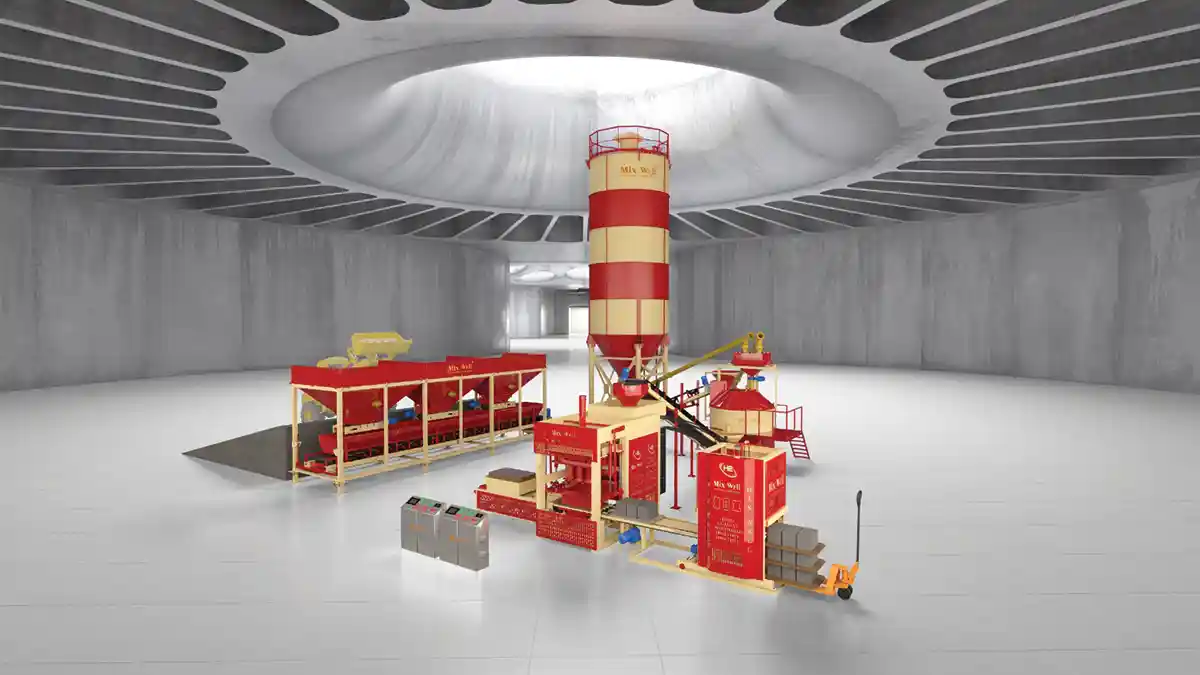
We also incorporate hydraulic systems in our block and paver machines, which ensure high compaction pressure, resulting in superior strength, uniformity, and better surface finish. The machines are versatile and can produce a wide range of products, including paver blocks, fly ash bricks, tiles, and interlocking blocks.
In addition, our stationary and mobile concrete batching plants—equipped with planetary rotary mixers—ensure homogeneous mixing. With capacities ranging from 36 to 90 cum/hr for stationary plants and 36 to 63 cum/hr for mobile plants, we cater to both medium and large-scale production requirements. Our in-house pan mixers, built with high-grade materials, offer excellent abrasion resistance, durability, and consistent performance, while also providing cost advantages to customers.
What support do you extend to customers in setting up and operating Hardic plants?
We provide end-to-end support, starting with feasibility studies and site assessment. Our engineering team evaluates site conditions, market demand, and production requirements to recommend the most suitable machine configuration and capacity. Post-installation, we assist with commissioning, operator training, and ongoing service support, ensuring efficient plant operations, consistent output quality, and long-term reliability.Concrete block paving demand stems from urban stormwater management, aesthetics and intelligent infrastructure needs. Urbanization, public projects and sustainable construction drive this trend.
Rohit Kakroo
Executive Vice President - Projects, Elan Group