Through policy advocacy, industry collaborations, and capability-building initiatives, ICEMA is supporting the transition towards smart, digitally connected, efficient, and environmentally responsible construction practices.
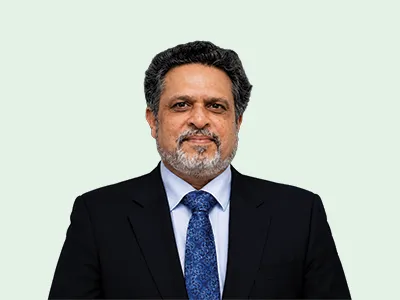
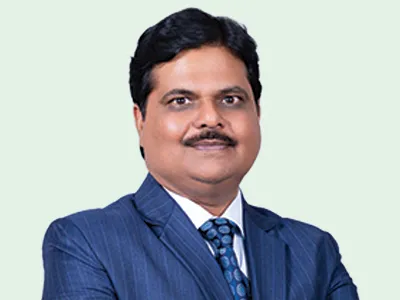
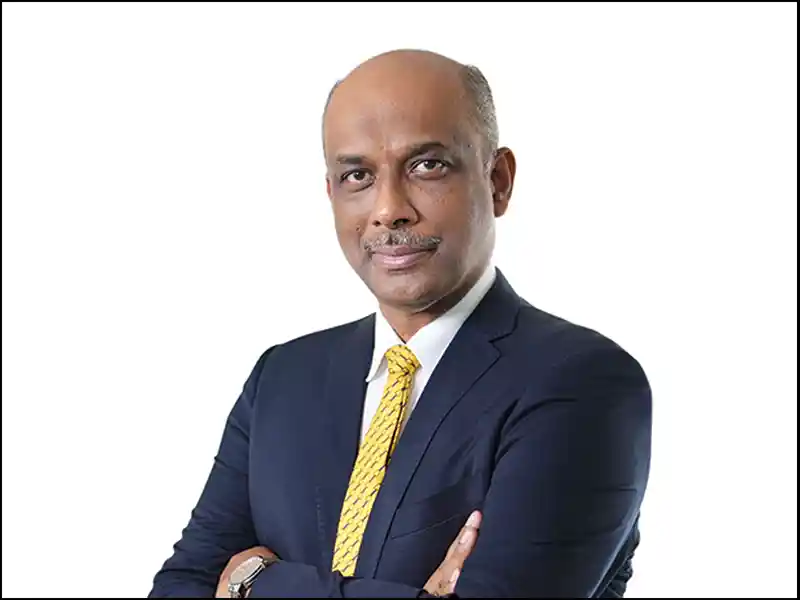
Deepak Shetty, President, ICEMA
CEO & Managing Director, JCB India
As the President of ICEMA, what will be your priorities and policy initiatives to drive sustainable growth, boost competitiveness, and ensure that the CE sector meets the demand for faster project completions, adherence to environmental standards, and availability of a skilled workforce?
My vision is to see India emerge as a global hub for manufacturing and innovation in construction equipment. I believe the industry’s growth must be both sustainable and globally competitive. Our focus is on strengthening domestic manufacturing, driving digitalisation and green technologies, and building a robust ecosystem of OEMs and suppliers to enhance the sector’s resilience and global standing. We are also working closely with the government to advance policies that promote ease of doing business and encourage the adoption of cleaner, energy-efficient equipment.Equally important is our commitment to developing a future-ready, skilled workforce, ensuring that the construction equipment industry is well-equipped to meet India’s rapidly growing infrastructure needs and contribute meaningfully to the nation’s development.
How is ICEMA guiding its members in implementing mechanization and connected solutions to enhance productivity, safety, and operational efficiency, while maintaining quality and environmental standards?
Mechanisation and connected solutions are key enablers for enhancing productivity, safety, and operational efficiency in India’s construction equipment industry. The deployment of the right equipment, integrated with the latest technologies, for every type of application, ensures precision, speed, and consistency in project execution. Similarly, the use of equipment with optimum capacity suited to specific applications helps improve performance, reduce fuel consumption, and minimise wear and tear, ultimately leading to lower operational costs and higher efficiency.At ICEMA, we are actively guiding our members in adopting advanced, connected, and sustainable technologies while maintaining the highest quality, safety, and environmental standards. Through policy advocacy, industry collaborations, and capability-building initiatives, ICEMA is supporting the transition towards smart, digitally connected, and environmentally responsible construction practices, ensuring that India’s infrastructure growth is both efficient and sustainable.
ICEMA has outlined ambitious plans like Vision 2030 and Roadmap 2035. What are the key implementation challenges at state and local levels, and how is ICEMA working with policymakers and industry stakeholders to overcome them?
The rollout of ICEMA’s Vision 2030 and Roadmap 2035 faces hurdles such as uneven policy adoption across states, fragmented tax and regulatory frameworks, limited readiness of local vendor ecosystems, and skill gaps in equipment operation and maintenance. ICEMA is actively engaging with central and state governments to align policies, promote model procurement and taxation frameworks, and create a more consistent and enabling business environment across regions.The Association is facilitating the development of regional Construction Equipment manufacturing clusters to strengthen the domestic value chain and enhance localisation. Efforts are underway to upskill MSMEs, drive technology adoption, and build resilient supplier networks, ensuring that smaller players can effectively contribute to the industry’s growth.
ICEMA is also implementing training and skilling programs to address operational and maintenance skill gaps, ensuring uniform and inclusive progress toward achieving the Vision 2030 goals.
How is the Construction Equipment industry addressing sustainability challenges, including stricter emission norms, energy efficiency, and lifecycle management?
Stricter emission norms and advanced safety standards for Construction Equipment Vehicles (CEVs) have been implemented effective January 1, 2025, ensuring cleaner and safer operations across the industry. To promote sustainability and the circular economy, ICEMA is working closely with the Government of India and key stakeholders to evolve an End-of-Life/Scrappage Policy for CEVs, enabling responsible disposal and recycling of machines, parts, and oils.ICEMA is collaborating with the government to incentivize the adoption of CEVs powered by electric, CNG, hydrogen, biodiesel, and hybrid technologies, supporting the transition toward clean and energy-efficient equipment. ICEMA continuously updates and guides its members on compliance requirements, emission and safety standards, and global best practices to enhance productivity and sustainability across the value chain. Special emphasis is placed on helping MSMEs and smaller players adopt these new standards and technologies through capacity building, awareness programs, and technical guidance.
Given the capital-intensive nature of Construction Equipment equipment, what measures are being taken to make financing more accessible and affordable for operators and rental companies?
Access to finance continues to be a significant challenge for the construction equipment sector, given its capital-intensive nature. Operators and rental companies often face high interest rates, short loan tenures, and limited residual-value financing options, which restrict investment in advanced and high-specification machines.To address these issues, ICEMA is advocating for:
- Longer-tenor, asset-backed financing and residual-value guarantee schemes to improve credit access and affordability.
- Dedicated credit lines for the Construction Equipment sector through banks and development finance institutions.
- GST rationalisation on leasing and rentals, along with clarity on depreciation benefits, to make fuel-efficient and durable equipment more viable for purchase.
How are ICEMA’s advocacy and policies being received at the state level? And what lessons can be shared for policy implementation?
ICEMA’s advocacy has been positively received, especially in progressive states promoting industrial corridors, logistics hubs, and infrastructure investments, which are well aligned with national initiatives like PM Gati Shakti and the National Infrastructure Pipeline. These states have shown faster project execution through streamlined clearances and strong state–industry coordination.However, some states lag due to slower policy adoption, delayed payments, and weaker institutional capacity, leading to liquidity stress, project delays, and a ~34% sales decline in FY25, despite record project announcements. This highlights the need for timely fund releases, transparent bill-tracking systems, and ring-fenced infrastructure budgets to sustain project momentum and equipment demand.
To address these challenges, ICEMA’s Strategic Partnership Panel is strengthening engagement with state governments, representing industry issues and promoting policy harmonisation. Recent representations, such as those to the Maharashtra Government, reflect ICEMA’s collaborative approach. Overall, the industry remains aligned with state policies supporting infrastructure development and is committed to driving consistent, inclusive growth across regions.
When exporting Construction Equipment machines, what non-tariff barriers—standards, certification, after-sales obligations, or logistics—are most burdensome, and how is ICEMA helping members comply? Which countries (besides China) does ICEMA benchmark against in terms of productivity, technology, and regulatory policy, and what lessons are being adapted for India?
The key non-tariff barriers faced by Indian construction equipment exporters include varying international standards, lengthy certification and testing processes, customs delays, and after-sales service obligations, all of which add to cost and extend time-to-market.ICEMA is actively addressing these challenges by advocating for nationally accredited test centres, mutual recognition of standards through Free Trade Agreements (FTAs), and simplified export procedures under schemes such as EPCG and RoDTEP. The Association also supports members in strengthening vendor quality systems and building robust after-sales and service networks to enhance global competitiveness.
In benchmarking, ICEMA closely studies the European countries, the USA, and Japan, with particular focus on Germany and Japan for their advanced models in R&D support, lifecycle-based procurement, export finance mechanisms, and testing infrastructure. These global best practices are being adapted to strengthen India’s CE manufacturing ecosystem and export readiness.
What policy, regulatory, or business model changes are needed to make rentals more efficient and profitable?
The equipment rental segment in India is witnessing strong momentum, driven by the growing preference for asset-light models, increased mechanization in infrastructure projects, and the need for flexible equipment access among small and medium contractors.Emerging trends include rising fleet utilization rates, adoption of digital rental platforms for equipment tracking and predictive maintenance, and innovative leasing and pay-per-use models that improve affordability and efficiency. The market is also seeing greater asset sharing across projects and professionalization of rental operations, with larger organized players entering the segment.
To make rentals more efficient and profitable, there is a need for:
- Standardized rental and leasing frameworks with clear norms on liability, insurance, and equipment usage.
- Rationalized taxation and depreciation policies for rental assets.
- Easier access to institutional finance and credit lines for rental companies.
- Policy recognition of equipment rentals as a formal part of the infrastructure ecosystem.
How is ICEMA improving safety standards, training protocols, and workforce development?
With the increasing integration of advanced technologies such as latest emission norms, enhanced safety features, and telematics, there is an urgent need to ensure that equipment operators and technicians are adequately trained and certified to handle next-generation machinery safely and efficiently.The Infrastructure Equipment Skill Council (IESC), promoted by ICEMA, is actively engaged in certifying operators and technicians on these emerging technologies, ensuring that skill development keeps pace with industry advancements.
ICEMA is also working closely with the Government of India to mandate the deployment of trained and certified operators and technicians across segments such as Construction, Earthmoving, Mining, Material Handling, and Material Processing.
ICEMA also advocates leveraging and scaling vocational courses, polytechnic programs, and National Occupational Standards (NOS)/Vocational Qualification (VOC) frameworks to build a strong, future-ready talent pipeline—attracting, training, and retaining skilled manpower for the Indian CE industry.
How is adoption of telematics, digital monitoring, and predictive maintenance progressing among OEMs and users? What data privacy or regulatory challenges exist, and how is ICEMA facilitating standardization and interoperability?
Telematics and digital monitoring are increasingly being adopted across select categories of Construction, Earthmoving, Mining, and Material Handling equipment to enhance productivity, reduce operating and maintenance (O&M) costs, and strengthen predictive maintenance practices. These technologies are enabling real-time equipment tracking, performance analysis, and proactive servicing, resulting in improved uptime and operational efficiency.ICEMA is working with industry stakeholders and government bodies to facilitate standardization, interoperability, and data security frameworks, ensuring that the benefits of digitalization are realized while maintaining data privacy and regulatory compliance across the Construction Equipment ecosystem.
How is ICEMA helping component manufacturers and smaller OEMs upgrade their capabilities through automation, Industry 4.0, technology transfer, partnerships, or incubation initiatives?
ICEMA is playing an active role in enabling capability enhancement and collaboration across the Construction Equipment ecosystem, particularly for component manufacturers and smaller OEMs. To strengthen industry linkages, ICEMA has developed a dedicated matchmaking portal that connects suppliers directly with OEMs, allowing them to understand component requirements and explore new business opportunities.At major industry exhibitions and summits, ICEMA provides exclusive platforms for suppliers to showcase their capabilities, network with potential partners, and gain visibility among leading OEMs. The Association has also curated and shared a comprehensive list of components identified for localization, helping suppliers align their manufacturing strategies with industry demand.
ICEMA also fosters collaboration between technology providers, academic institutions such as IITs, and component manufacturers to promote knowledge exchange on automation, Industry 4.0, and emerging technologies. These initiatives are helping build an innovation-driven, future-ready CE ecosystem that supports self-reliance and global competitiveness.
Given global disruptions such as pandemics, trade tensions, and rising shipping costs, what risks has the CE supply chain faced, especially for critical components, and what are the strategies to build resilience, for example, through multiple sourcing or buffer stocks?
The construction equipment industry continues to face challenges arising from its high dependence on imports for critical components. Recent global disruptions, including the pandemic, trade tensions, and escalating logistics costs, have underscored the urgent need to build a robust and resilient domestic supply chain.ICEMA is addressing this challenge by promoting localisation and fostering collaboration between domestic and global component manufacturers through industry missions and supplier–OEM engagement platforms. The Association has also sought government support to incentivise investments in component manufacturing and attract global suppliers to set up operations in India.
The overarching focus is on developing a diversified, technology-driven, and self-reliant supply ecosystem that reduces import dependency, enhances value addition within India, and strengthens the industry’s long-term competitiveness and resilience.
What are the biggest cost components: logistics, duties, or energy, compliance for Indian OEMs competing globally? What policy changes or government support are needed to reduce these burdens? How significant are energy, steel, metals, rare earths, or other raw material cost volatilities, and what can the government do to stabilize or mitigate these costs?
The global competitiveness of Indian OEMs is significantly impacted by high logistics costs, import duties on critical parts and specialty materials, energy costs, and raw material price volatility. Despite logistics costs declining to around 7.9% of GDP (FY 2023–24), inefficiencies in freight movement, port handling, and fragmented tax structures continue to raise manufacturing and delivery costs. Additionally, fluctuations in steel and alloy prices, which account for 7–15% of equipment manufacturing costs, add further pressure on margins.To strengthen cost competitiveness, ICEMA has been advocating for:
- Reduced logistics costs through improved multimodal connectivity and faster port clearances.
- Rationalisation of GST and import duties on CE components and raw materials.
- Policy incentives for localising component production and developing domestic capacity for specialty steels and alloys.
- Stable energy pricing and a framework to manage raw material volatility.
- Strict regulation of second-hand CE imports to prevent market distortions.
With programs such as the National Infrastructure Pipeline, and the PM Gati Shakti Master Plan shaping public infrastructure projects, how have equipment demand and procurement norms evolved? What are the challenges in balancing lowest cost versus total cost of ownership, or quality versus speed, and how is ICEMA influencing these norms to ensure better quality, sustainability, and benefits for the CE industry?
Programs such as the National Infrastructure Pipeline (NIP), and the PM Gati Shakti Master Plan have created a robust and predictable project pipeline, driving steady growth in equipment demand and providing long-term investment visibility for OEMs. However, effective on-ground implementation remains key to realizing the full potential of these initiatives. Procurement practices in many cases still prioritize the lowest cost (L1) over the total cost of ownership (TCO), which can compromise quality, efficiency, and sustainability.ICEMA is actively engaging with central and state authorities to advocate for TCO-based procurement frameworks, incorporation of quality, safety, and lifecycle performance criteria in tenders, and the adoption of advanced, fuel-efficient, and low-emission equipment. These measures aim to ensure better project outcomes, long-term value, and sustainable growth for India’s construction equipment industry.
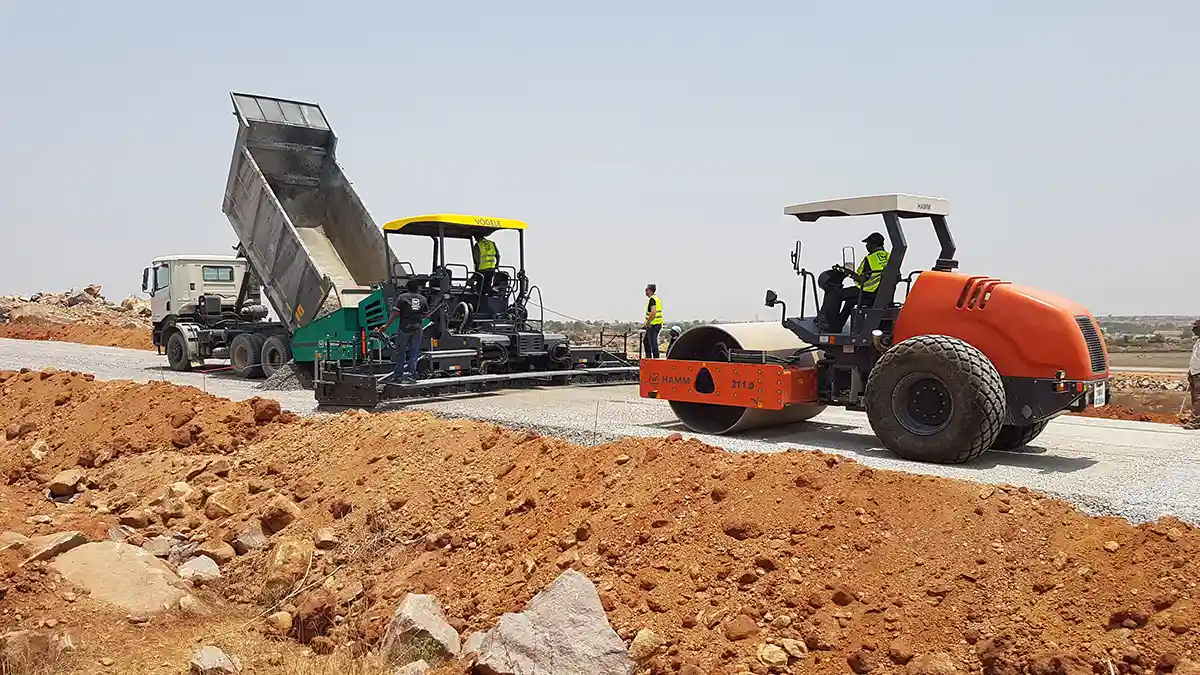
How is ICEMA collaborating across diverse sectors (and ministries) such as mining, real estate, smart cities, roads, highways, and rail to ensure coherent policies rather than isolated initiatives?
The CE industry is at the heart of India’s infrastructure growth, intersecting multiple sectors such as roads and highways, mining, railways, metro, smart cities, and real estate. Recognising this interdependence, ICEMA works closely with several ministries, including the Ministry of Heavy Industries, Ministry of Road Transport and Highways, Ministry of Housing and Urban Affairs, and Ministry of Skill Development — to ensure coordinated policy formulation.Through our active engagement in national programmes like the National Infrastructure Pipeline, and the PM Gati Shakti Master Plan, ICEMA advocates for harmonised regulatory frameworks that encourage standardisation, localisation, and sustainable manufacturing.
We also collaborate with public and private sector project developers to evolve procurement norms that prioritise quality, efficiency, and total cost of ownership over mere lowest-cost bidding. Such cross-sector partnerships help ensure that policy measures are integrated, forward-looking, and aligned with India’s broader infrastructure and industrial vision, rather than working in isolation.
With the increasing use of modern construction methods and equipment, how is ICEMA enabling stronger partnerships between developers, contractors, and manufacturers to improve efficiency, project execution, and quality?
Recognising that the future of construction lies in collaboration and innovation, ICEMA has been actively connecting developers, contractors, and equipment manufacturers to strengthen project efficiency and execution. Through dialogues, capacity-building programmes, and knowledge-sharing initiatives, ICEMA enables these stakeholders to jointly explore modern construction methods, embrace technology, and improve quality outcomes. The Association’s emphasis on sustainability and digital adoption also ensures that new solutions contribute to long-term environmental and operational efficiency. This integrated approach reflects ICEMA’s commitment to advancing sustainable growth, fostering technology leadership, and creating a robust and future-ready construction equipment ecosystem.Looking ahead, what key message would you like to convey to CE manufacturers, policymakers, rental companies, and operators regarding future opportunities, responsibilities, and collaborative strategies needed to strengthen India’s construction equipment industry?
India stands at the cusp of an infrastructure renaissance, and the Construction Equipment industry will be one of its strongest enablers. The coming decade presents a transformative opportunity for all stakeholders to collectively shape India’s position as a global hub for CE manufacturing and innovation.To manufacturers, the message is to invest boldly in technology, R&D, and localisation, strengthening the value chain and enhancing global competitiveness. To policymakers, continued support through flexible and forward-looking incentivisation will be crucial to bridge cost disabilities and encourage domestic capability in critical components.
To rental companies and contractors, embracing modern equipment and digital tools will improve productivity, safety, and sustainability on sites. And to operators, ongoing skill enhancement will remain key to delivering world-class project execution.
The future of India’s CE industry lies in collaboration, innovation, and shared responsibility, where every stakeholder contributes to building a strong, sustainable, and globally competitive ecosystem aligned with the nation’s Vision 2047.