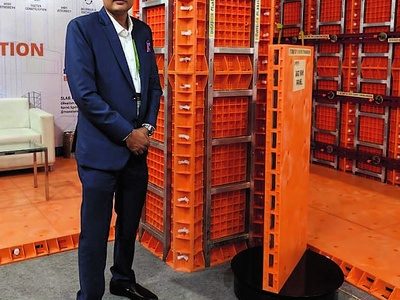
Modern block plants are delivering higher productivity, consistent quality, and lower operating costs with minimal wastage, driven by advanced vibration technology, optimized system integration, and real-time process control, observes Dilip R. Sharma, Director & President, Columbia Machine Engineering, a subsidiary of Columbia Machine Inc., USA.

What technological advancements are improving the productivity, consistency and quality of block making machines?
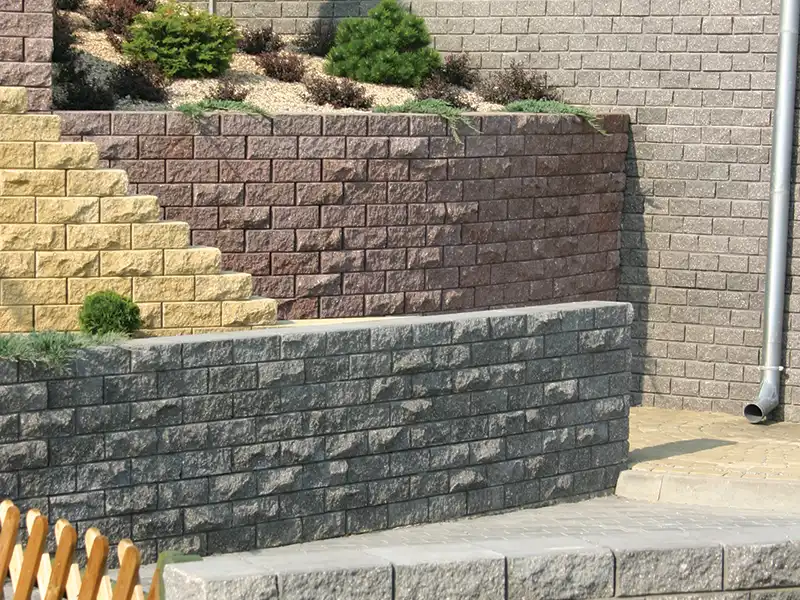
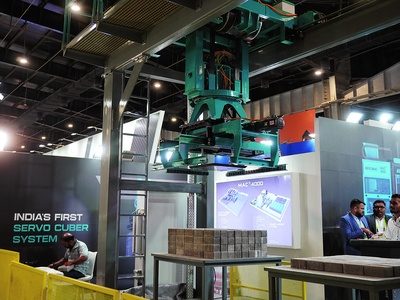
Today, machines are designed to run at higher speeds without compromising quality. Automation reduces human dependency, which improves consistency and reduces errors. Overall, these advancements help manufacturers produce more blocks in less time, and with better finish and strength.
What practices are essential to ensure consistent quality of concrete pavers?
Consistency in quality depends on three key factors: raw materials, process control, and curing. First, maintaining a proper and consistent mix is very important. Accurate batching plays a key role in providing consistent mix. Second, controlled and uniform feeding into each and every cavity of mould ensures consistency in dimension and strength. Third, proper curing practices are critical to achieve the required strength before dispatch, and for durability of the application.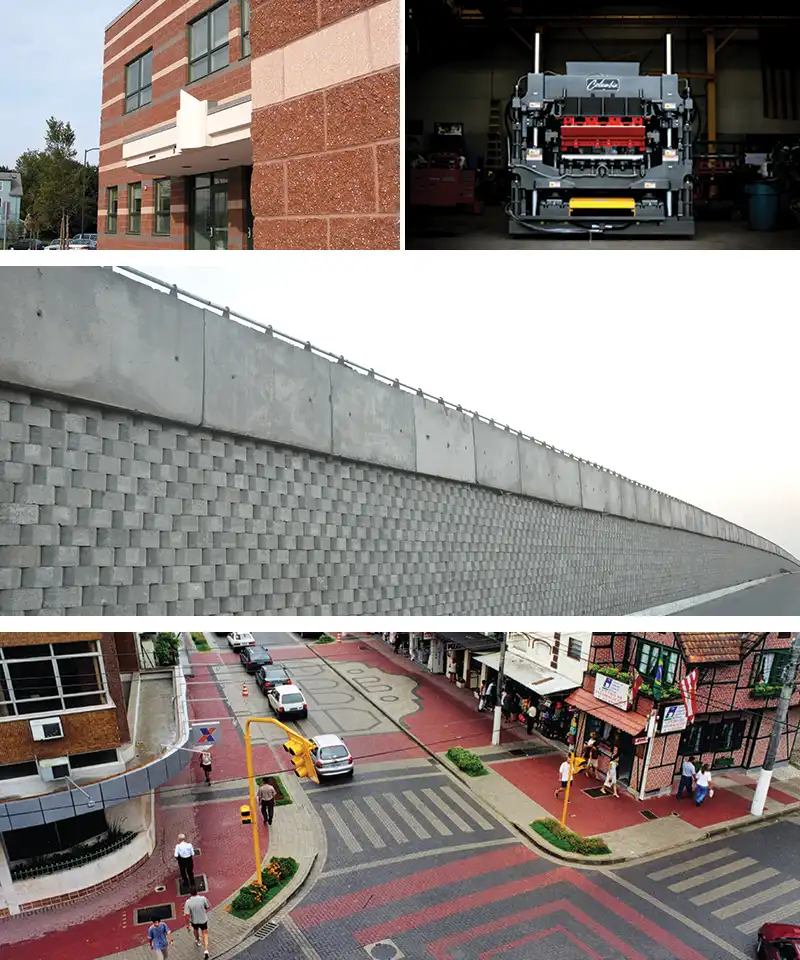
How are automation and digital monitoring improving plant efficiency?
Automation and digital monitoring have made operations much more efficient and reliable. Modern plants can now track production data, monitor machine performance, and identify issues in real time. This helps reduce downtime, improve production planning, and maintain consistent quality. Plant integration also ensures smooth material flow from batching to final product handling. In simple terms, it allows manufacturers to run their plants smarter, with better control, and less wastage.What innovations are helping reduce energy consumption and production costs?
New machine designs focus on efficiency at every stage. Columbia Vertical Mould vibration system (CVT) consumes less energy while delivering better compaction. Optimized hydraulic and electrical systems also help in reducing power consumption.Additionally, better material handling systems and precise batching reduce wastage. Faster cycle times also mean higher output with the same resources. All these factors together help manufacturers reduce overall production costs while maintaining quality.