As India’s infrastructure ambitions grow, mechanization, sustainability, and modern project management become increasingly pivotal. CFI is leading this transformation by shaping policies, enabling technology adoption, and driving collaboration across the construction ecosystem.
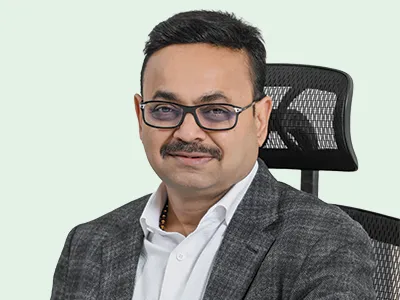
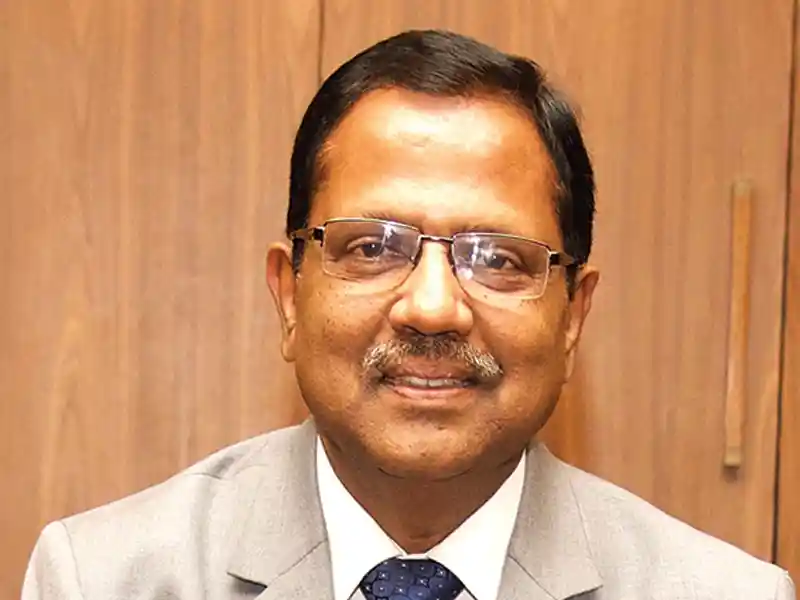
Akhil Gupta, Vice President
How do you envision CFI shaping India’s infrastructure growth over the next decade, especially in the context of large-scale mechanized projects?
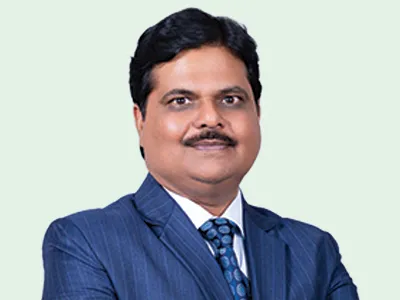
Over the next decade, as the country continues its push towards becoming a $5 trillion economy, the need for large-scale, high-speed, and high-quality infrastructure delivery will become even more critical. To support this, CFI is championing widespread adoption of mechanization and digital technologies. Mechanized construction not only boosts productivity but also ensures greater safety and consistency. We are engaging with the public and private sectors to promote policies and procurement frameworks that prioritize modern construction techniques, and we aim to help Indian contractors compete globally in terms of scale, quality, and speed.Through strategic interventions in policy, skilling, technology adoption, and stakeholder collaboration, CFI, under the leadership of Mr Vinayak Pai, is helping shape a future-ready construction ecosystem—one that is efficient, inclusive, and aligned with India’s ambitious growth and climate goals.
Which policy or regulatory changes are most critical today to improve project execution, reduce delays, and enhance transparency?
Several structural reforms are essential: streamlining land acquisition and environmental clearances through single-window systems can significantly reduce bottlenecks. Improving contract enforcement mechanisms, including dispute resolution and timely payments, is vital to contractor confidence.Furthermore, digitizing the entire project lifecycle, from tendering to execution and monitoring, can bring the much-needed transparency and accountability. CFI continues to advocate for such reforms, ensuring that infrastructure delivery becomes more predictable and less vulnerable to delays.
How can Indian infrastructure tenders and procurement practices prioritize advanced machinery, hybrid/electric equipment, and mechanized solutions to enhance efficiency, safety, and sustainability?
The current lowest-cost (L1) bidding model often disregards quality and innovation. We believe that quality and performance-based evaluation criteria should be introduced. Tenders should recognize the use of advanced machinery, sustainable construction methods, and safety measures, awarding higher marks for contractors adopting such practices.Further, incentives like tax benefits, subsidies, or additional scoring weight for using electric or hybrid machinery can accelerate the industry’s green transition. By redefining how success is measured in procurement, we can align incentives with national sustainability goals.
Please share a recent success where CFI’s lobbying or representations led to a favorable amendment in rules, taxes, policy, or regulations.
One of CFI’s recent successes has been the revision of GST rates on certain key construction inputs and components of machinery. This has reduced the financial burden on contractors and improved cost-efficiency.
Additionally, CFI played a key role in the advocacy for rationalizing customs duties on imported construction equipment, especially where domestic alternatives were either unavailable or underdeveloped. These policy improvements have made it easier for contractors to access modern, efficient equipment, ultimately improving project delivery.
How is CFI supporting members in adopting advanced technologies (such as BIM, AI, digital twins), mechanization, and industry best practices to boost productivity and safety?
CFI acts as a knowledge hub and technology bridge. We regularly organize webinars, workshops, and industry roundtables where global experts and technology providers share insights and practical applications of digital tools like BIM, digital twins, AI, and automation in construction.We also curate and publish case studies and implementation guides to help members understand the ROI and feasibility of technology adoption. Furthermore, by partnering with OEMs and tech firms, we are helping members access cutting-edge equipment and digital platforms through pilot programs and joint initiatives.
How can the Construction Equipment industry integrate green materials, carbon-neutral practices, and climate-resilient designs to reduce cost and environmental impact?
Sustainable construction is no longer optional, it’s imperative. At CFI, we are encouraging the use of low-carbon materials like green cement, fly ash, steel slag, and precast components that not only reduce emissions but also improve structural consistency and speed.We promote recycling of construction and demolition waste and support the circular economy by pushing for better material recovery practices. Climate-resilient design principles such as better drainage planning, flood-proofing, and material selection, are also key focus areas in our technical advisory efforts.
What initiatives is CFI taking to align training programs with new technologies and modern mechanization practices?
The labor force must evolve alongside technology. CFI is collaborating with Construction Skill Development Council of India (CSDCI), ITIs, OEMs, and other partners to create customized training modules for various job roles, from equipment operators to BIM modelers. We are also piloting on-site training centers, mobile training vans, and VR simulators for machinery training. Importantly, we’re pushing for recognition of prior learning (RPL) and certifications that ensure a skilled and job-ready workforce for modern construction demands.India faces cost overruns and time delays in major projects. What systemic improvements are necessary to overcome these issues?
Key solutions include early contractor involvement (ECI) in project design; adoption of modular and precast construction; digitized monitoring and scheduling tools; and better risk-sharing mechanisms in contracts. We must move towards a system that rewards timely and quality delivery rather than just low bids. Digitization of workflows and clear accountability frameworks will help address the root causes of overruns and delays.Dispute resolution and contract management often delay projects. What reforms or best practices can help?
Contract clarity and early resolution are critical. CFI supports the widespread adoption of Model EPC and HAM contracts with well-defined risk-sharing clauses. We advocate for fast-track arbitration panels, digitized contract documentation, and increased use of neutral third-party mediators. Training stakeholders, including government officials, in contract management and legal basics is also crucial to reduce disputes and their impact on projects.What lessons can India draw from global infra construction leaders, and how can collaboration with associations like NAREDCO, CREDAI, and NHBF help?
Global benchmarks show that standardization, digitalization, and stakeholder alignment significantly improve infrastructure outcomes. Countries like Japan, Singapore, and Germany have succeeded by fostering strong collaboration between government, industry, and academia.Collaborating with national associations like NAREDCO, CREDAI, and NHBF will help create a unified voice on policy advocacy, skilling, and innovation. Together, we can shape reforms that benefit the entire value chain, from developers and contractors to suppliers and technology providers.
CFI serves as a platform for diverse stakeholders. How do you envision enhancing collaboration among these groups to drive innovation in India’s construction sector?
We are actively building a multi-stakeholder innovation platform where contractors, OEMs, developers, designers, and suppliers can co-create solutions, share challenges, and collaborate on pilots.By facilitating joint working groups, shared R&D projects, and innovation showcases, we aim to dissolve silos and foster a culture of cross-functional problem solving. This is essential if India is to modernize its construction ecosystem and deliver infrastructure at scale and quality.
EXCON, the Kumbh of the construction industry, showcases the latest in mechanization. How do you see emerging technologies transforming the sector and supporting India’s Viksit Bharat and net-zero targets?
EXCON is a celebration of innovation and a window into the future. It’s where India’s infrastructure leaders see the best of AI-powered machinery, robotics, automation, scaffolding solutions, and electric/hybrid equipment in action.These innovations are transforming how we build—making projects faster, safer, and greener. Importantly, they align with the government’s Viksit Bharat 2047 vision and our net-zero commitments by significantly reducing emissions, improving material efficiency, and enhancing worker safety.
CFI is proud to support and promote such events, which are key to India's journey toward a sustainable, resilient, and technologically advanced infrastructure landscape.