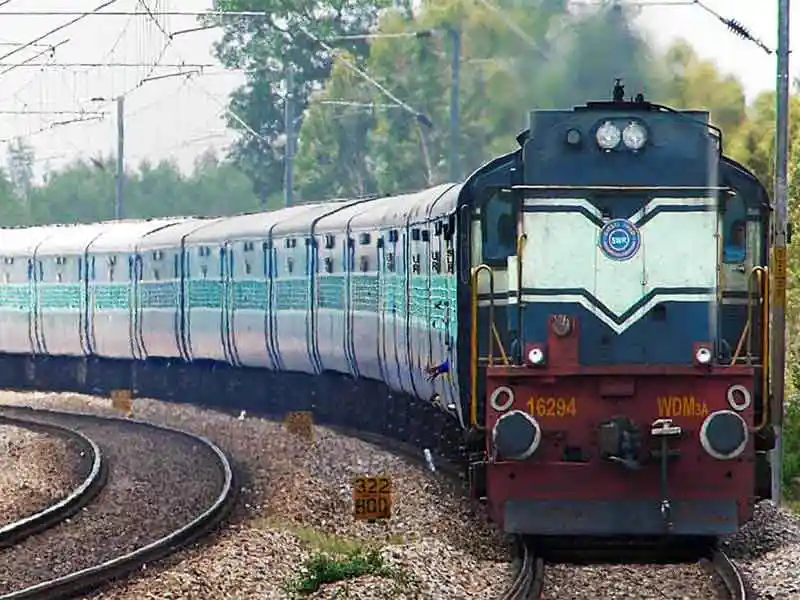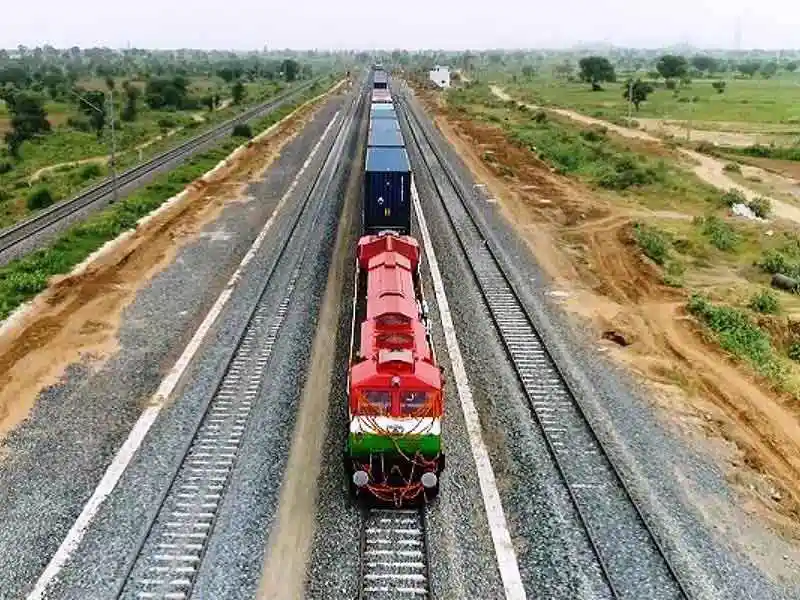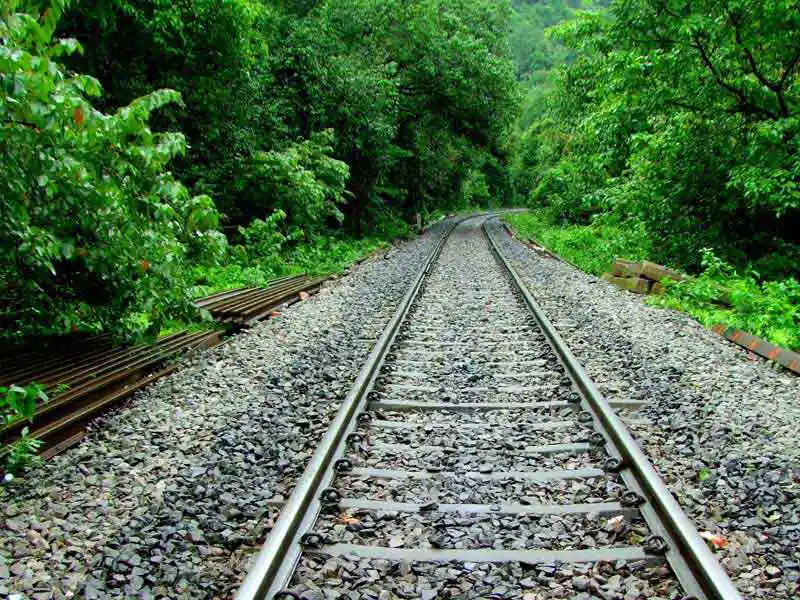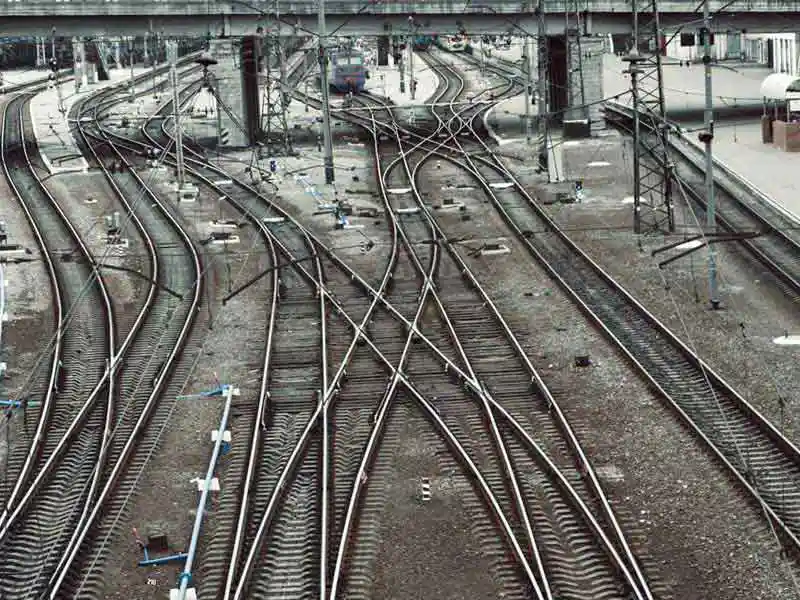
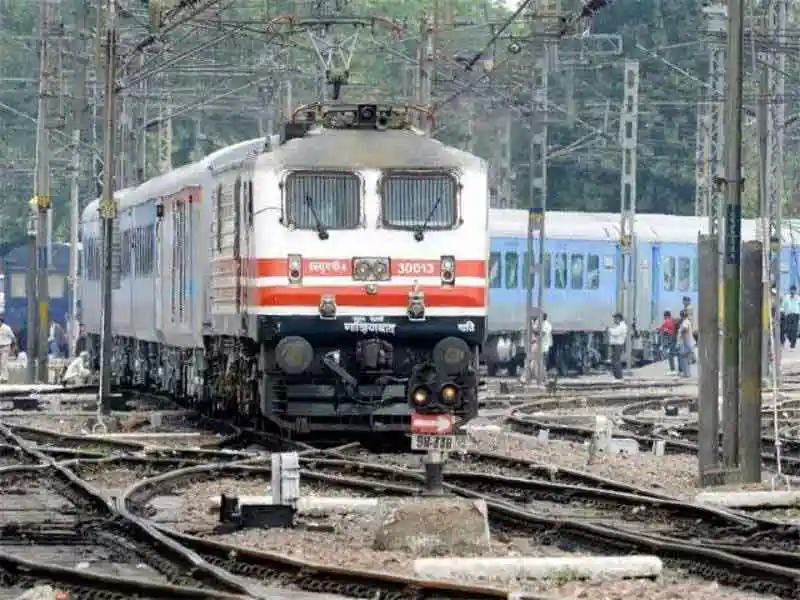
The projects include third and fourth line additions on the Nagda–Mathura, Guntakal–Wadi and Burhwal–Sitapur routes, aimed at easing congestion and improving operational performance of Indian Railways.
The capacity expansion is expected to improve mobility, strengthen service reliability and streamline train operations across key corridors. The projects also align with the government’s vision of building a self-reliant economy by boosting regional development and creating employment opportunities.
The projects are planned on PM-Gati Shakti National Master Plan with focus on enhancing multi-modal connectivity & logistic efficiency through integrated planning and stakeholder consultations. These projects will provide seamless connectivity for movement of people, goods, and services.
The 03 (Three) projects covering 19 Districts across the states of Madhya Pradesh, Rajasthan, Uttar Pradesh, Karnataka, Andhra Pradesh and Telangana will increase the existing network of Indian Railways by about 901 Kms.
The proposed multi-tracking project will enhance connectivity to approx. 4,161 villages, which are having a population of about 83 lakhs.
The proposed capacity enhancement will improve rail connectivity to several prominent tourist destinations across the country, including Mahakaleshwar, Ranthambore National Park, Kuno National Park, Keoladeo National Park, Mathura, Vrindavan, Mantralayam (Sri Raghavendra Swamy Mutt), Sri Nettikanti Anjaneya Swamy Vari Temple (Kasapuram), Shyamnath Temple, Naimisharanya (Neemsar), etc.
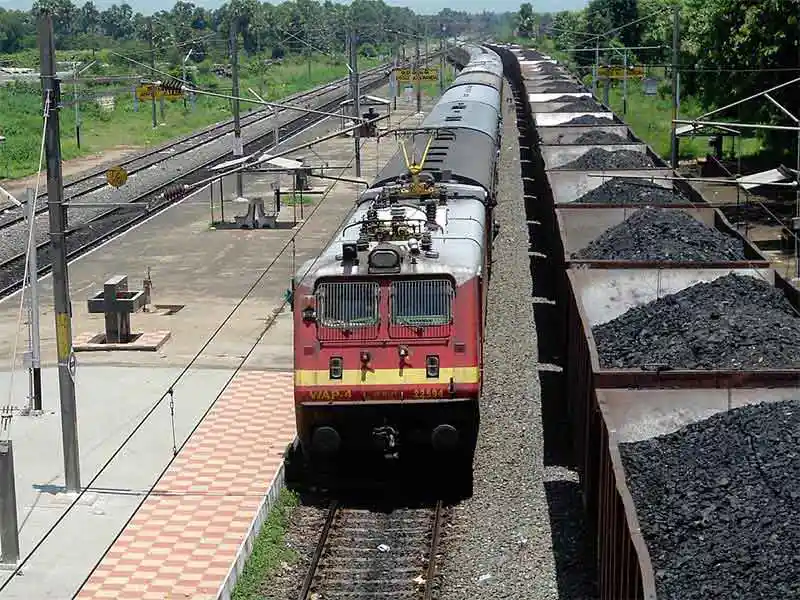
The proposed projects are essential routes for transportation of commodities such as coal, foodgrains, cement, POL, iron and steel, iron ore, container, fertilizers, etc. The capacity augmentation works will result in additional freight traffic of magnitude 60 MTPA (Million Tonnes Per Annum). The Railways being environment friendly and energy efficient mode of transportation, will help both in achieving climate goals and minimizing logistics cost of the country, reduce oil import (37 Crore Litres) and lower CO2 emissions (185 Crore Kg) which is equivalent to plantation of 07 (Seven) Crore trees.