By harnessing the power of robotics, automation, digitalization, and drone technologies, developers can reimagine how projects are planned, executed, and delivered, and resultantly not only enhance operational efficiency and project outcomes, but also pave the way for a more sustainable and resilient built environment.
Himanshu Jain - VP - Sales Marketing and CRM, Satellite Developers

Robotics & Automation Behind Technological Disruption in Construction
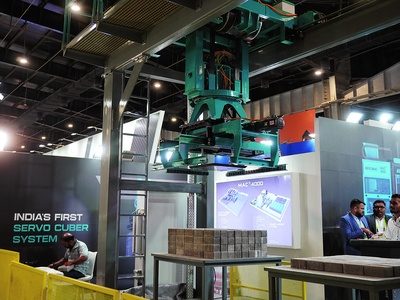
A transformative wave of technologies is reshaping the construction industry. From robotics and automation to digitalization and advanced surveying techniques, developers are increasingly turning to innovative solutions to enhance efficiency, safety, and sustainability through their project’s lifecycle.One of the most impactful advancements in construction technology is robotics and automation. They are now performing tasks that were once labour-intensive and time-consuming. Robotics systems can do repetitive tasks with precision and speed, significantly reducing construction time and costs. Automated machinery, including 3D printing and precast methods, are pushing the boundaries of what can be achieved in terms of design complexity and structural integrity.
For developers, applying robotics and automation means unlocking new possibilities in project planning and execution. By integrating these technologies into construction processes, developers can streamline workflows, improve productivity, and ensure consistent quality across projects. This not only accelerates project timelines but also enhances the overall profitability and competitiveness of developments.
Digitalization: Virtual Reality (VR), Augmented Reality (AR), and Mixed Reality (MR)

From a developer's standpoint, digitalization enhances collaboration among architects, engineers, and contractors by fostering a shared understanding of project requirements and challenges. It also improves communication with investors and clients, such that they can better comprehend project milestones and envisioned outcomes through interactive digital models.
LiDAR-Equipped Drones
Drones equipped with Light Detection and Ranging (LiDAR) technologies used for surveying, inspections, and data acquisition in construction projects, capture highly detailed 3D images of construction sites, providing developers with real-time insights into project progress and potential issues. LiDAR data enables accurate measurements, volumetric analysis, and environmental monitoring, enhancing decision-making throughout the construction lifecycle.LiDAR-equipped drones offer unparalleled advantages in project planning and execution. They enable proactive identification of discrepancies between design intent and on-site realities, thereby minimizing delays and cost overruns. Moreover, drones enhance safety by reducing the need for manual inspections in hazardous or hard-to-reach areas, ensuring compliance with regulatory standards and enhancing worker well-being.
The Way Forward
Looking ahead, the convergence of these technologies promises even greater transformation within the construction industry. Developers will continue to leverage robotics, automation, digitalization, and drone technologies to innovate and differentiate themselves in a competitive market. As these technologies mature, their integration in everyday construction practices will become more seamless, driving efficiency gains and sustainability across the board.However, developers need to take a proactive approach to adoption and integration of such technologies. They must invest in talent development and infrastructure to fully capitalize on the potential of these innovations. Collaboration with technology providers and continuous evaluation of emerging trends will be crucial in staying ahead of the curve and delivering value-driven projects to stakeholders.