
Terex India Offers High-Throughput Crushing, Screening and Washing Technologies for Efficient Material Processing
India's infrastructure sector is entering one of the most transformative phases in its history. With significant investments being made across roads, railways, airports, ports, urban development, water management, and energy infrastructure, the country's ambitions under the Viksit Bharat 2047 vision are clear. However, the challenge before the industry is no longer just about building more infrastructure—it is about delivering projects faster, at greater scale, while ensuring quality, sustainability, and cost efficiency.Viksit Bharat is about creating infrastructure that improves lives, strengthens economic growth, and enhances national competitiveness. With the right combination of technology, collaboration, and execution focus, Indian infrastructure sector is well-positioned to deliver on this vision.
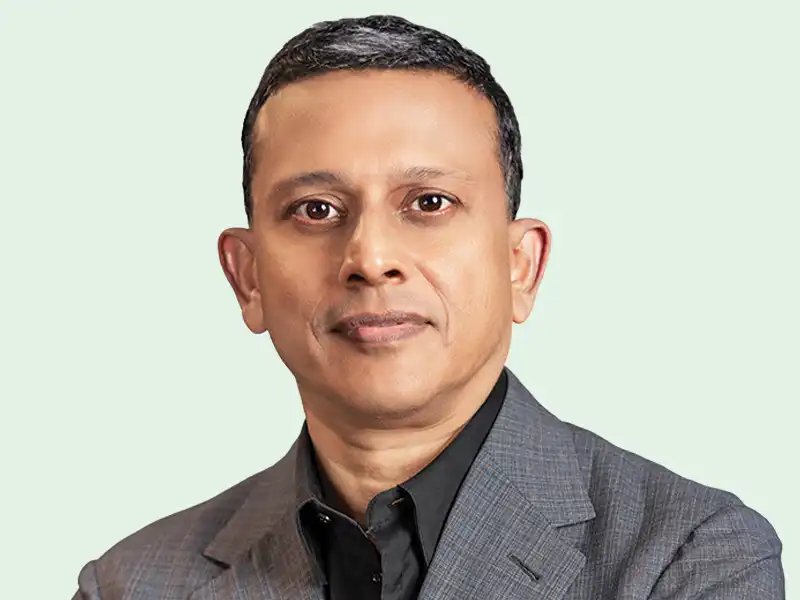
Jaideep Shekhar
Vice President & Managing Director
Terex India
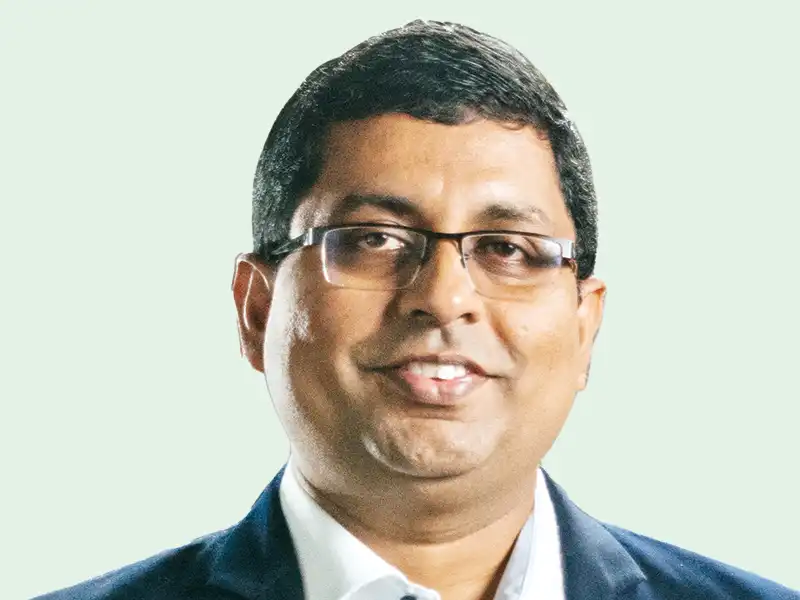
From my experience, successful infrastructure delivery begins with getting the fundamentals right. While policy support and funding provide the necessary foundation, project outcomes are ultimately determined on the ground. Timely availability of materials, efficient equipment utilisation, skilled manpower, effective logistics, and coordination among stakeholders all play a critical role in maintaining project momentum. Delays and cost overruns are often the result of inefficiencies in these areas, making planning and execution discipline more important than ever.
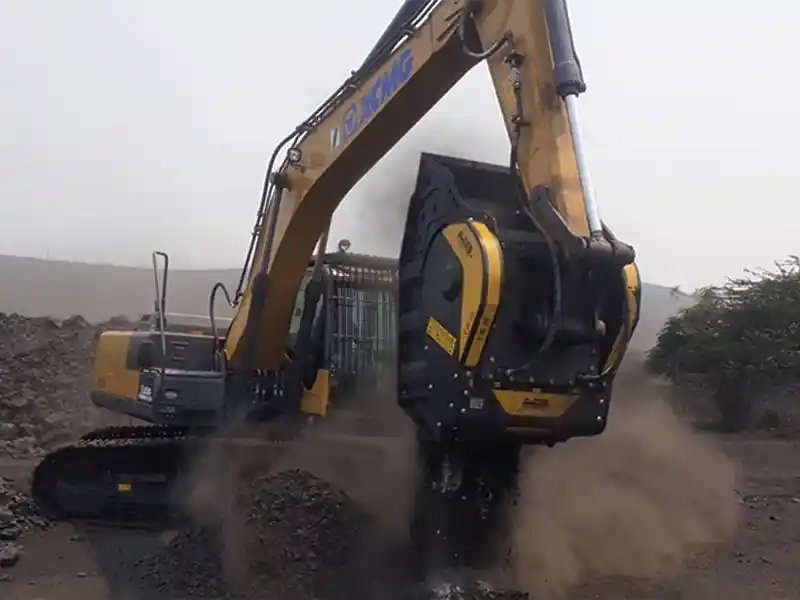
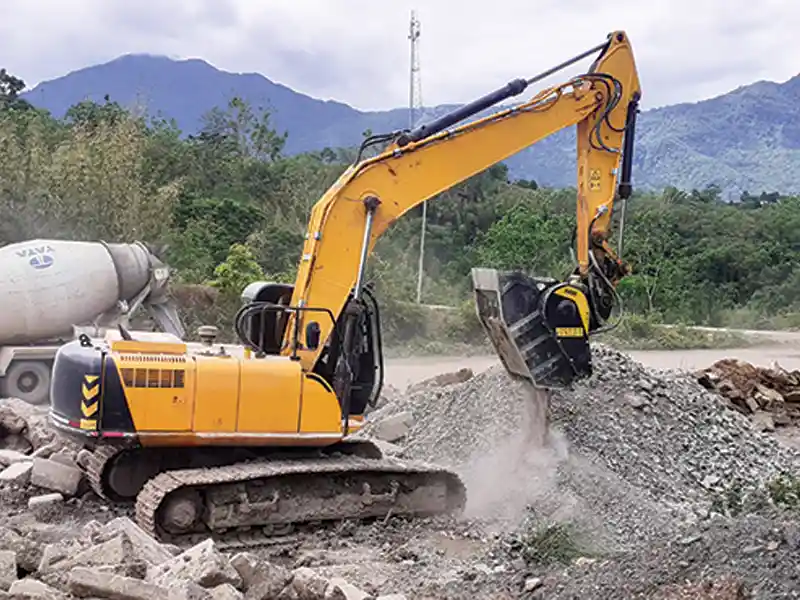
One of the most significant changes we are witnessing today is the growing adoption of mechanisation and technology-driven processes. Infrastructure projects depend heavily on the timely supply of quality aggregates and manufactured sand (M-Sand). Any inconsistency in material quality or availability can directly impact construction schedules and project costs. Modern crushing, screening, and washing technologies are helping contractors produce high-quality materials consistently and at scale, enabling more predictable project execution.
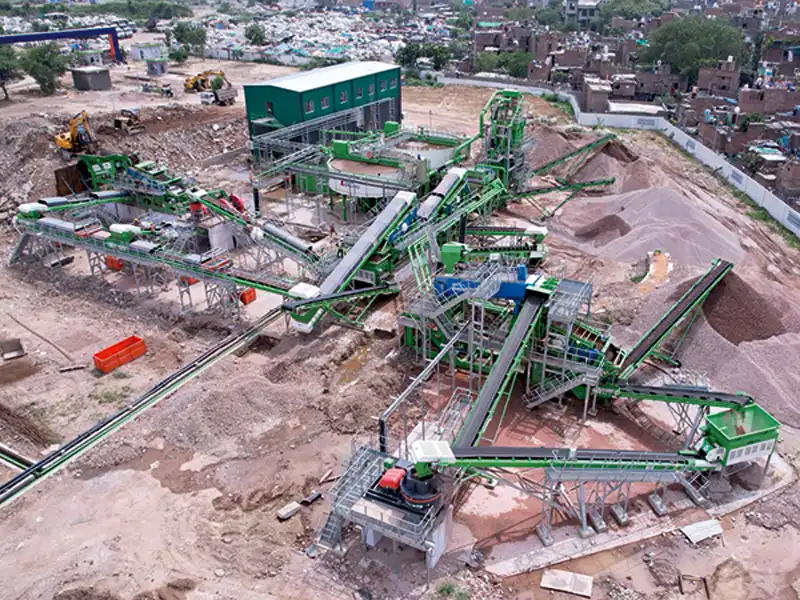
At Terex, we are seeing this shift across a wide range of infrastructure, mining, and quarrying applications. Contractors are increasingly investing in advanced material processing solutions that improve throughput, reduce rehandling, and ensure consistent product quality. Modern washing systems, for example, are helping producers manufacture high-quality M-Sand while maximising water recovery and reducing dependence on natural sand resources. This not only supports infrastructure development but also aligns with the industry's growing sustainability objectives.
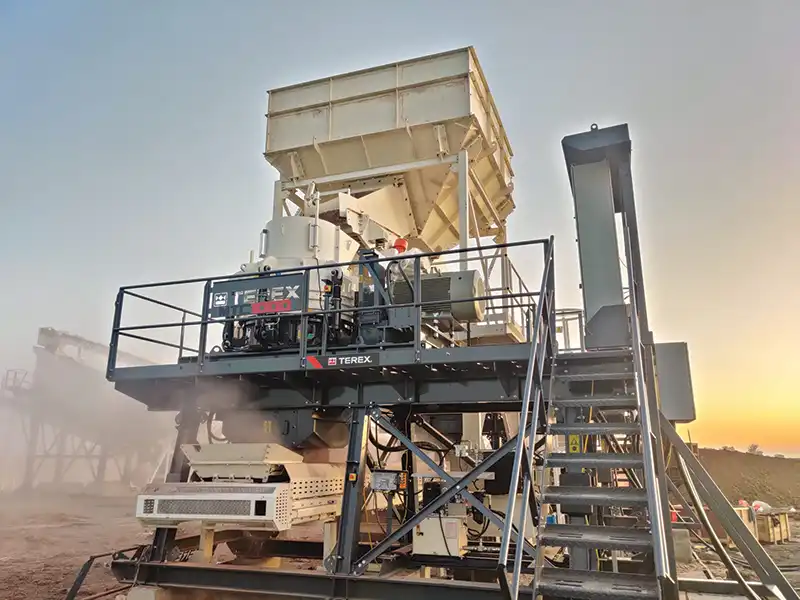
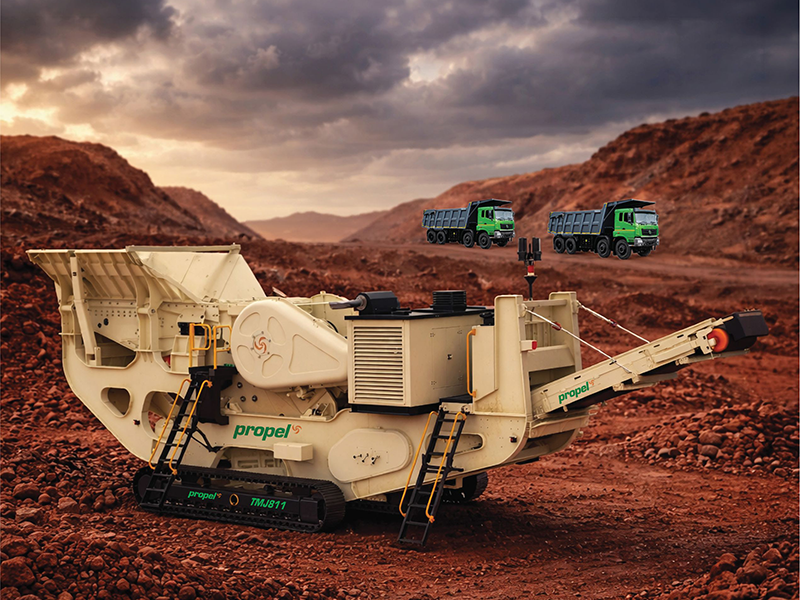
The industry is also embracing more modular, mobile, and energy-efficient equipment solutions. Modular plants can be installed and commissioned significantly faster than conventional fixed installations, allowing operations to begin sooner and reducing project startup timelines. Mobile and wheeled equipment provide greater flexibility, enabling contractors to adapt quickly to changing site conditions and project requirements. Similarly, hybrid and electric-powered solutions are helping reduce fuel consumption and operating costs while supporting sustainability goals.
Sustainability is no longer viewed as a separate objective; it has become an integral part of infrastructure development. Resource efficiency, water conservation, and energy optimisation are increasingly influencing project decisions. Technologies that enable higher levels of water recycling, reduce waste generation, and improve energy efficiency are becoming essential tools for contractors seeking to balance productivity with environmental responsibility.
However, technology alone cannot deliver the desired outcomes. The industry must continue investing in operator training, technical skills, and knowledge sharing to ensure that advanced equipment and digital solutions are utilised to their full potential. Equally important is stronger collaboration across the ecosystem. Equipment manufacturers, contractors, consultants, project owners, and policymakers all have a role to play in improving project execution and driving innovation adoption.
India has both the vision and the capability to establish global benchmarks in infrastructure delivery. As we move towards Viksit Bharat 2047, success will depend on our ability to combine ambitious planning with execution excellence. By embracing mechanisation, digitalisation, sustainable technologies, and skill development, the industry can deliver infrastructure that is faster to build, more reliable in performance, and better suited to the needs of future generations.
Published on:
27 August 2026
Published in: NBM&CW JULY 2026
Share:
We Value Your Comment