India's rapid urbanisation presents a significant opportunity to transform vertical transportation from standalone elevators and escalators into intelligent, connected people-flow ecosystems across metros, airports, commercial buildings, and mixed-use developments.As India's infrastructure expands, the focus will increasingly shift from simply installing equipment to delivering connected, reliable, and sustainable mobility solutions that enhance the overall flow of people through buildings and public spaces.
Amit Gossain
Managing Director
KONE India

KONE India's recent innovations have focused on three key areas – digital connectivity, energy efficiency, and intelligent people flow management to address the evolving needs of India's rapidly urbanising cities.
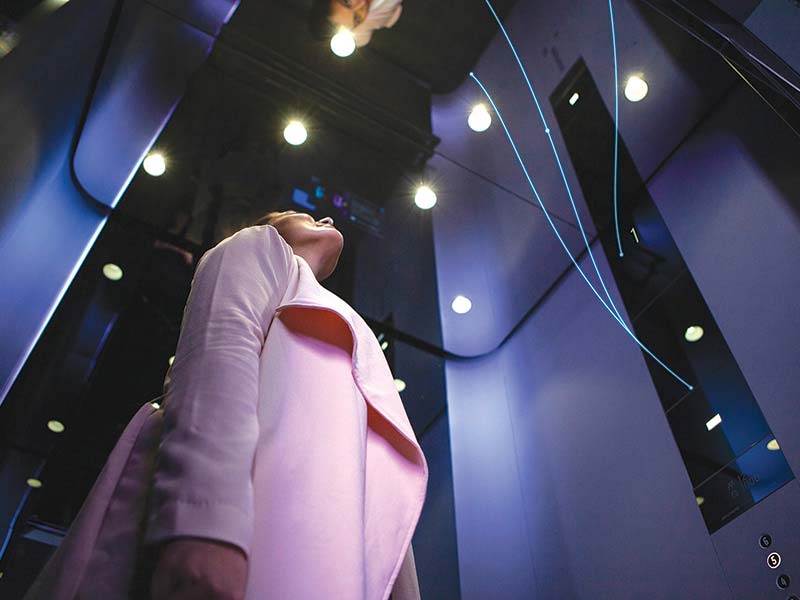
The DX Class, the world's first digitally connected elevator series, along with KONE's 24/7 Connected Services, uses AI and real-time analytics to predict maintenance needs before failures occur. Today, nearly 80% of equipment faults are identified proactively, around 25% of issues are resolved remotely within two minutes, and downtime has been reduced by approximately 30%, improving reliability and safety.
On the sustainability front, KONE's regenerative drives, LED lighting, and intelligent standby modes can reduce elevator energy consumption by up to 70%, helping developers lower operating costs and meet green building goals.
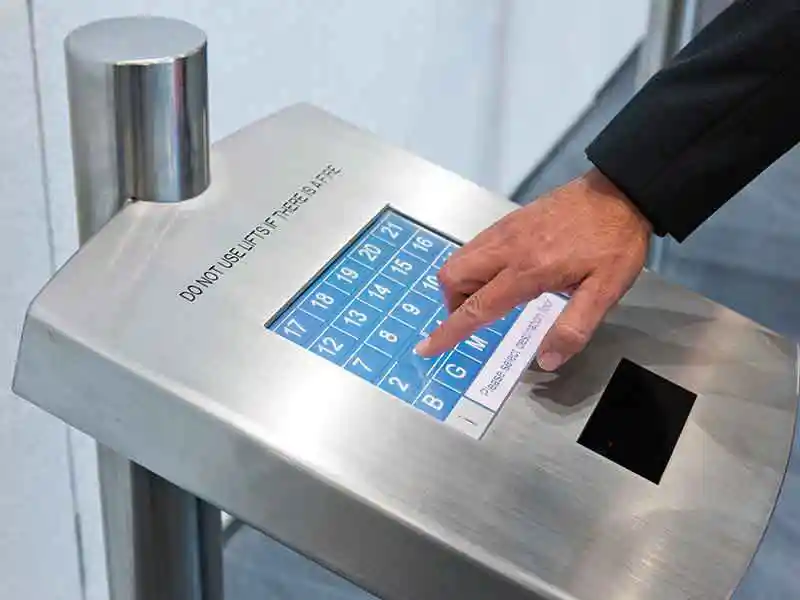
KONE's Advanced People Flow solutions integrate destination control, access control, and monitoring systems to optimise passenger movement, reduce waiting times, and improve the overall user experience in high-traffic buildings.
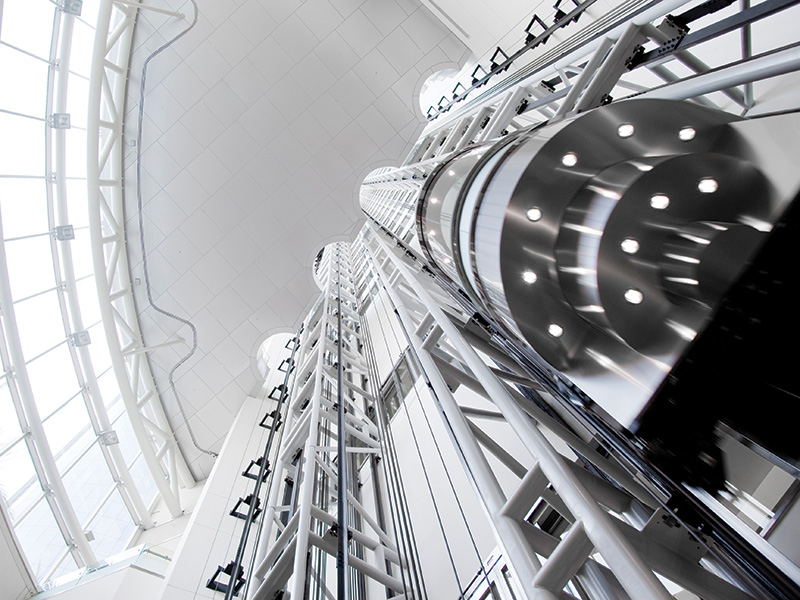
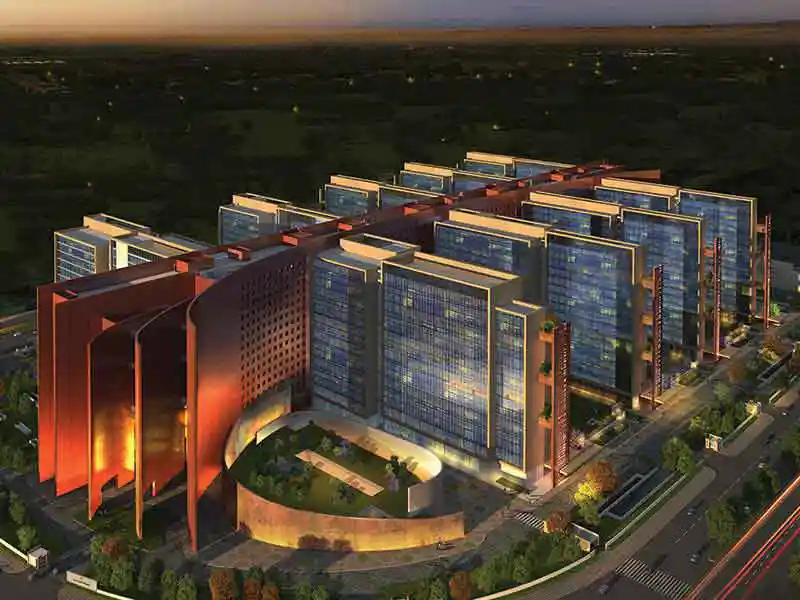
These innovations address key challenges such as increasing urban density, ageing infrastructure, rising energy costs, and growing expectations around safety and efficiency. Their impact is evident across landmark projects, including the Jio World Centre in Mumbai, home to the world's largest passenger elevator, the First International Financial Centre, where KONE introduced India's first destination control system, and the Delhi Metro, where KONE has supplied elevators and escalators across multiple phases.
Together, these innovations have raised the benchmark for the industry by enabling developers to build smarter, more sustainable buildings while delivering safer, more efficient, and seamless mobility experiences for end-users.

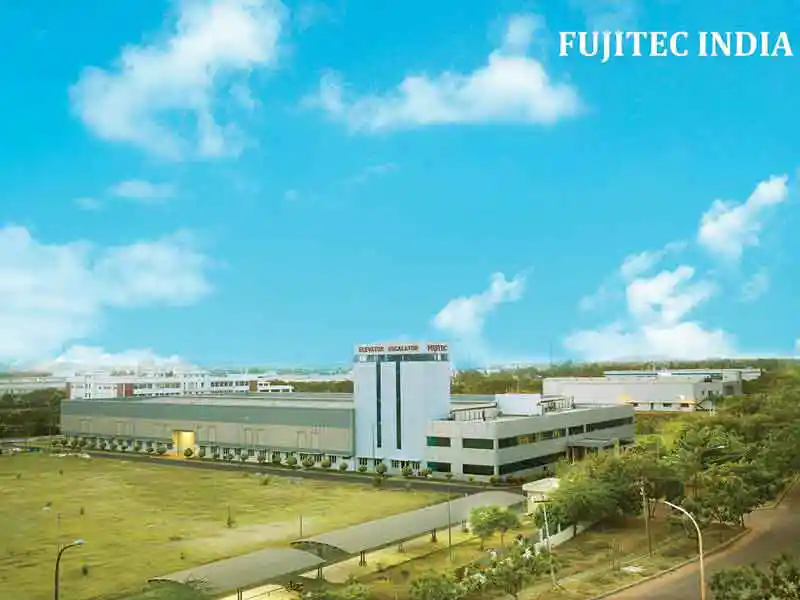
KONE India is preparing for this future by investing in local innovation and testing capabilities, including its state-of-the-art Test Tower and R&D facilities at Sriperumbudur near Chennai, where high-speed elevators, escalators, and modernisation solutions are validated for Indian conditions.
The industry's biggest unresolved challenge is the large-scale modernisation of India's ageing elevator infrastructure. While new developments are adopting smart, connected technologies, a significant portion of the country's installed base still relies on older systems. According to KONE India, nearly 20–30% of India's estimated seven lakh elevators are around 25 years old and require modernisation.
Addressing this challenge will require a nationwide focus on upgrading existing elevators with smarter controls, enhanced safety features, predictive maintenance, digital connectivity, and energy-efficient technologies—while minimising disruption for building occupants. KONE's modernisation solutions demonstrate how legacy systems can be transformed to improve reliability, safety, accessibility, and connectivity while reducing energy consumption by up to 74%.
Going forward, the industry's success will be measured not only by how many new elevators it installs, but by how effectively it modernises the existing installed base to meet the safety, sustainability, and performance expectations of India's rapidly evolving urban landscape.