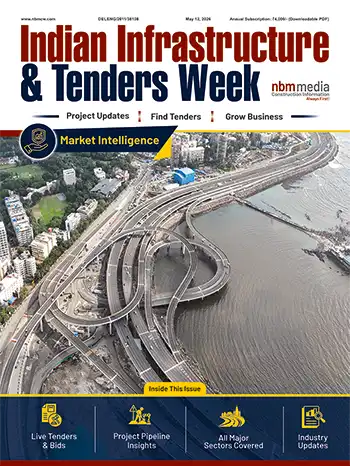
Balancing execution speed, quality, sustainability, and cost efficiency in massive infrastructure projects relies on four critical, interconnected pillars:Innovations in construction equipment are shifting India’s infrastructure paradigm away from traditional, manually intensive methodologies toward highly automated, rapid, and sustainable execution.
VG Sakthikumar
Chairman & Managing Director
SCHWING Stetter (India)

Intelligent Automation & Digital Twins: Using advanced CAN-bus telematics (via Trackunit®) and integrated SCADA systems to transition from reactive fixes to predictive maintenance. This keeps heavy machinery running at maximum capacity and reduces unplanned site downtime by 20–30%.
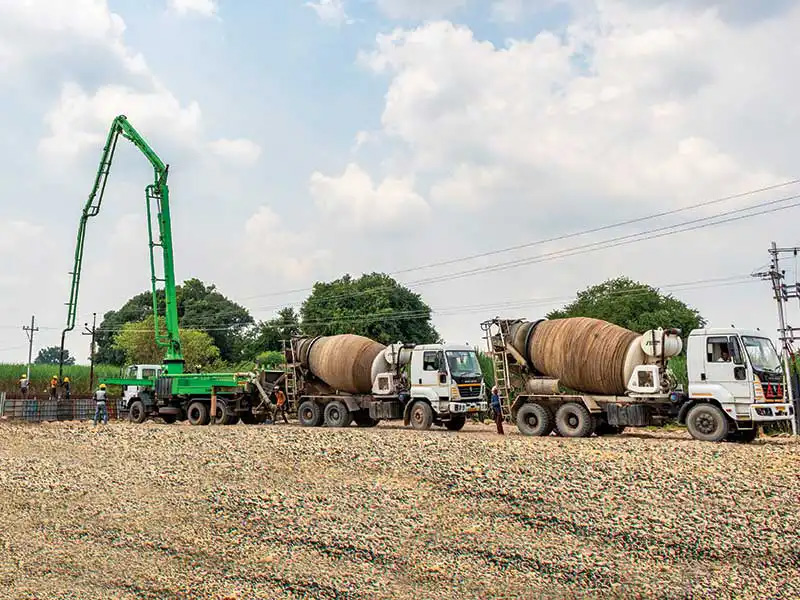
Complete Localized Engineering: Designing and manufacturing highly indigenized, high-capacity machinery—such as the massive 56-meter boom pump—specifically optimized for local truck chassis and project scales. This significantly lowers the initial Total Cost of Ownership (TCO) and minimizes foreign exchange dependencies.
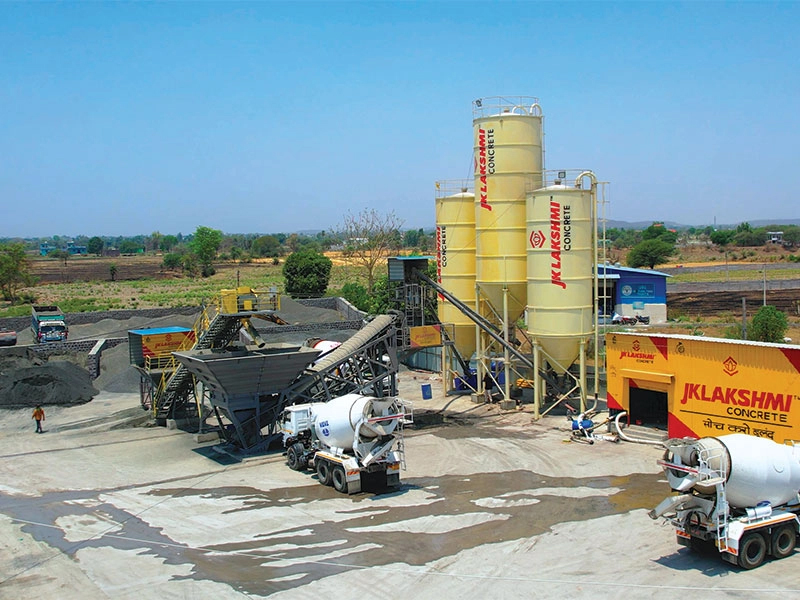
Single-Platform & Modular Equipment Logistics: Deploying consolidated solutions like the FBP (Truck Mixer Pump) or mobile, foundation-free batching plants. By combining mixing, transport, and pumping onto a single chassis, contractors eliminate equipment redundancy, reduce job site congestion, and sharply cut transportation overheads.
Alternative Powertrains & Circular Economics: Transitioning to green propulsion such as battery-electric transit mixers (eRMC) and hybrid boom pumps that switch to cheap, zero-emission grid power on-site (saving 15% in energy costs). This is coupled with closed-loop concrete recycling plants that recover aggregates and slurry to lower raw material expenditures by up to 20%.
Modern machinery targets project delivery across five critical axes:
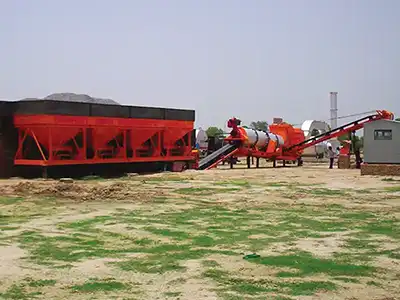
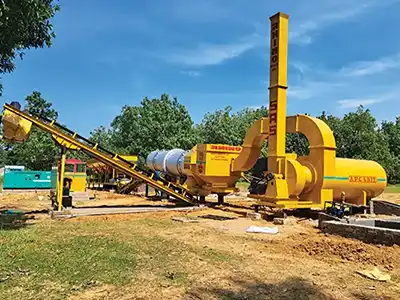
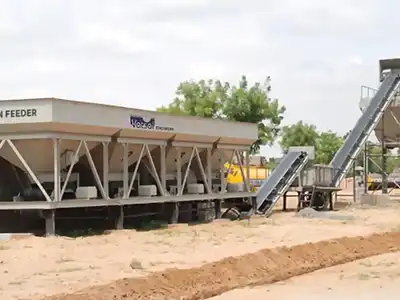
Real-Life Impact: On complex linear projects like the Mumbai Trans Harbour Link (MTHL) or the Samruddhi Expressway, specialized, barge-mounted or mobile foundation-free batching plants facilitated continuous, large-scale structural pours. This high-capacity automation drastically minimizes execution cycles compared to conventional site set-ups.
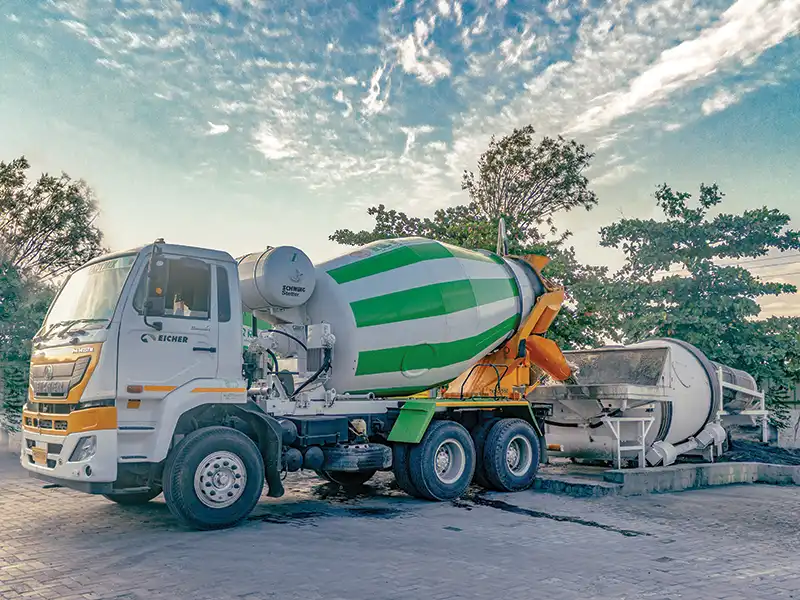
Real-Life Impact: During Metro Rail Projects across India (e.g., Chennai, Mumbai, and Delhi metros), compact boom pumps (like 36-meter to 47-meter units) handled cast-in-situ concrete for pile caps, piers, and cross-heads in tight urban right-of-way. For underground segments, specialized stationary concrete pumps execute long-distance, high-pressure horizontal pumping—sometimes exceeding 1,000 meters—to line deep tunnels and lay internal tracks smoothly and safely.
Real-Life Impact: Integrating CAN-bus telematics directly onto heavy pumps and mixers allows fleet managers to monitor hydraulic pressure, oil temperature, and engine stress markers remotely. This shifts maintenance from a reactive model to proactive, predictive scheduling, cutting unexpected breakdown downtime on critical project sites by 20% to 30%.
Real-Life Impact: The introduction of specialized hybrid boom pumps allows contractors to drive to a site using a standard internal combustion engine, then switch to the local precast yard or project grid power for active pumping operations. This hybrid capability eliminates localized diesel emissions entirely while delivering up to a 15% reduction in overall energy expenditure. Similarly, the commercial deployment of fully electric transit mixers (eRMCs) and closed-loop concrete recycling systems enables massive infrastructure projects to reclaim leftover aggregates and slurry, drastically minimizing environmental impacts.