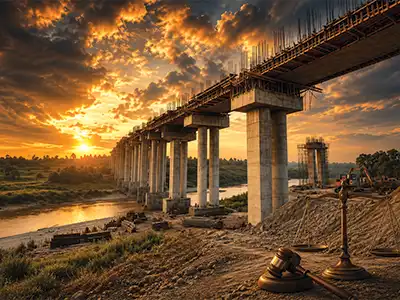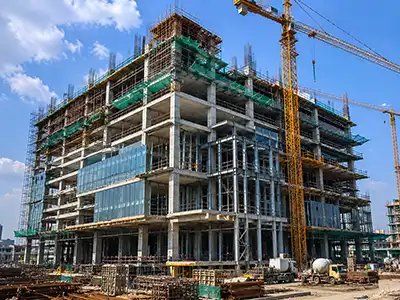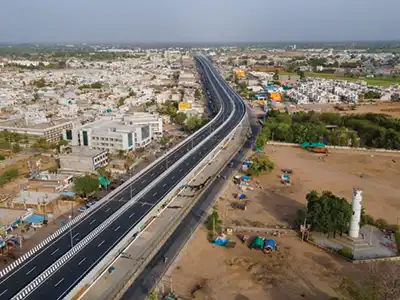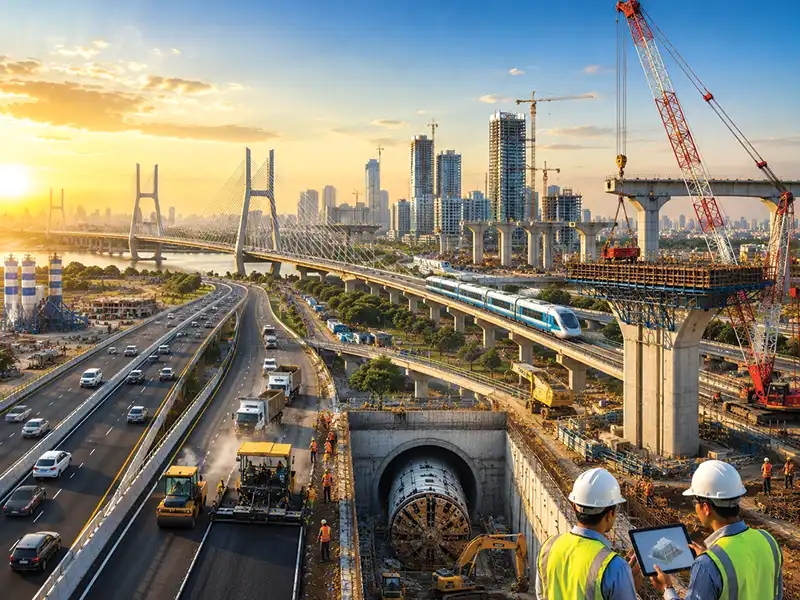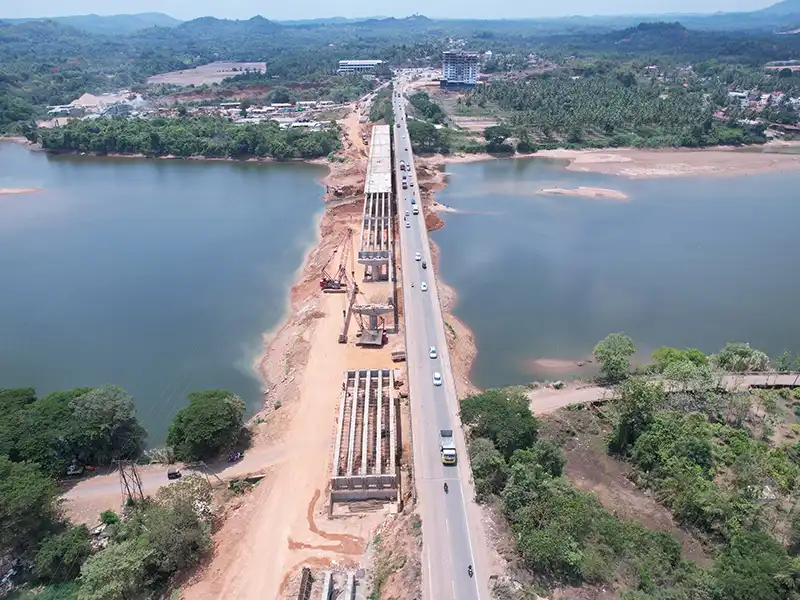
India's journey towards Viksit Bharat 2047 will require infrastructure that is delivered at speed, but not at the expense of quality, safety, sustainability or lifecycle value. The challenge is not merely to build more roads, bridges, railways and urban corridors. It is to create durable assets that support economic growth for decades while using public resources responsibly. In my experience, the decisive advantage in large transportation projects rarely comes from accelerating construction activities in isolation. It comes from building readiness before mobilisation and integrating engineering, procurement, execution and asset management through a disciplined delivery system.Technology cannot replace sound engineering judgement, but it can provide the transparency and intelligence required for faster, safer and more accountable decisions.
Sabyasachi Nayak
VP & Head – Engineering & Design Centre, RBF SBG, Transportation Infrastructure IC
Larsen & Toubro
The first requirement is clarity of the employer's needs. Ambiguities in scope, design criteria, specifications, interfaces and contractual responsibilities must be identified early. Where contracts provide an initial clarification period, contractors should use it rigorously. The period between the Letter of Acceptance and the Notice to Proceed is equally valuable for both authorities and the EPC agencies. Topographic surveys, geotechnical investigations, utility mapping, material testing and constructability reviews can be initiated during this window, while critical engineering interfaces are resolved with the client and its representatives.