India’s rapid infrastructure expansion across highways, metros, railways, airports, and urban projects demands a massive paradigm shift in how we approach large-scale project delivery. While the nation has access to cutting-edge global technologies, the slow adoption of mechanization and digital planning continues to burden the sector with execution bottlenecks, safety liabilities, and severe cost overruns.Infrastructure delivery in India must move from a traditional execution model to an industrialised construction model that leverages mechanisation, digitalisation, automation, and sustainability, to achieve faster execution, superior quality, lower lifecycle costs, and greater long-term asset performance.
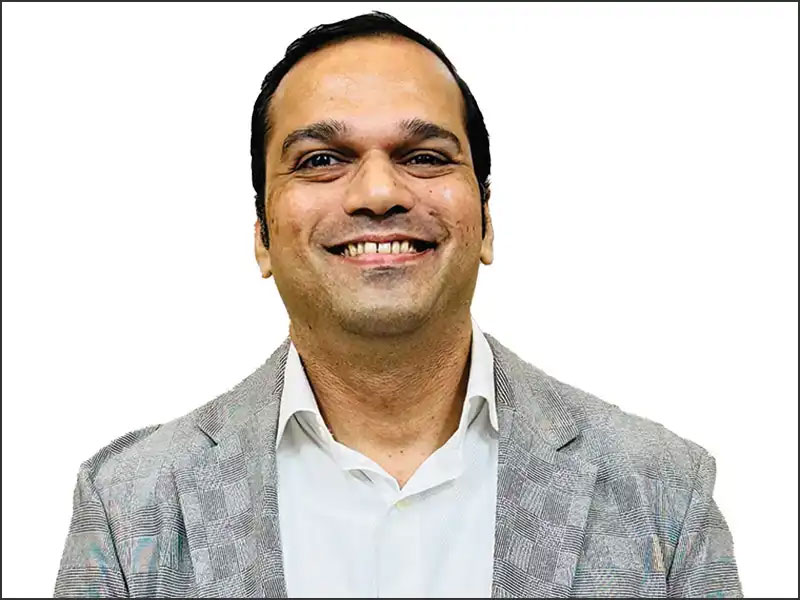
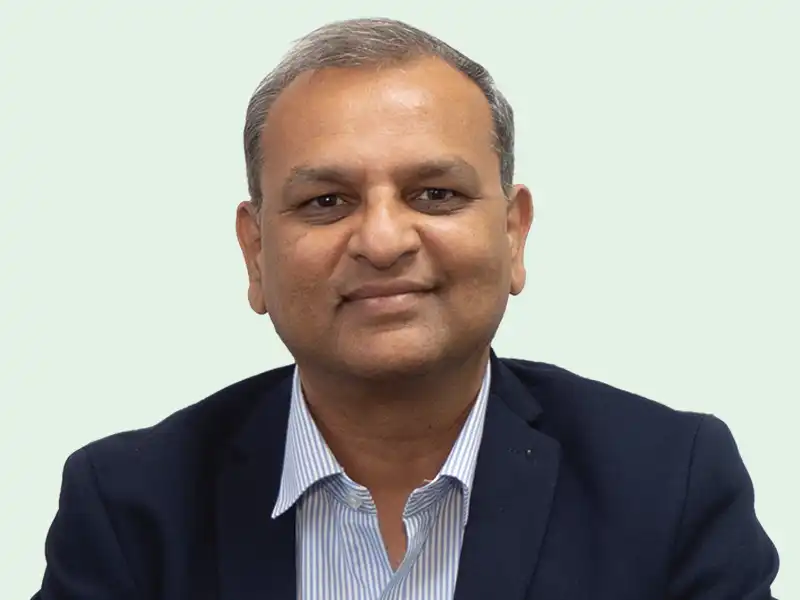
Manish Kulkarni
Managing Director
Manitou South Asia
To maintain rapid execution speed without compromising on quality, environmental sustainability, or long-term cost efficiency, we must prioritize three critical factors: structured mechanization, predictive asset management through telematics, and strategic workforce upskilling ecosystem. Relying on outdated manual methods or basic, single-purpose equipment on increasingly complex infrastructure sites inevitably compromises structural integrity and prolongs project timelines. True efficiency is achieved only when data-driven planning and highly specialized, multi-functional machinery are integrated seamlessly into the project design from day one, transforming chaotic construction sites into streamlined, predictable operational ecosystems.
Another key factor is early collaboration among project owners, consultants, contractors, equipment providers and technology partners. Infrastructure projects are becoming increasingly complex, and success depends on creating a connected ecosystem where information flows seamlessly across all stakeholders. Data-driven project management supported by predictive analytics can help identify bottlenecks, optimise resource allocation, and reduce costly rework. At the same time, sustainability should not be viewed as a separate objective but as an integral part of project execution. The use of energy-efficient machinery, low-carbon construction practices, and optimised logistics can reduce environmental impact while also lowering lifecycle costs.
Skill development is equally crucial. Investments in advanced technologies and equipment can only deliver results when operators, engineers and project managers are adequately trained to use them effectively. Therefore, continuous workforce upskilling must accompany technological adoption. Furthermore, standardisation of processes, timely procurement strategies and strong supply-chain management are essential to avoid disruptions that frequently impact project schedules and budgets.
In a rapidly urbanizing India, infrastructure developers face the compounding challenges of congested urban sites, tight deadlines, and rising material costs, making traditional single-use machinery increasingly obsolete. At Manitou, we are actively tackling these inefficiencies by shifting the Indian infrastructure mindset from basic lifting tools to highly versatile, intelligent, and sustainable equipment.
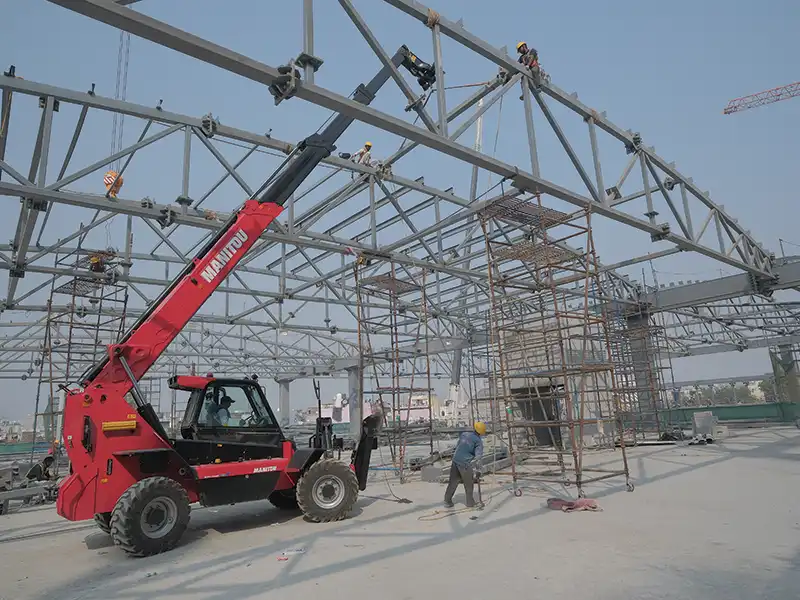
A prime example of this innovation in action is the strategic integration of our connected, multi-functional telehandlers (MXT 840 and MXT 1740) and advanced aerial work platforms and scissor lifts (8 meter to 12 meter range) into major Indian metro rail projects and high-profile airport expansion hubs. Traditionally, these sites rely on a chaotic mix of multiple traditional machines - such as pick-and-carry cranes, and scaffolding - which increases congestion, heightens safety hazards, and drives up fuel consumption. By deploying a single telehandler equipped with quick-interchange attachments like buckets, crane hooks, material baskets and forks, project developers have consolidated multiple operations into a single asset.
This versatility not only reduced machinery clutter on dense urban job sites but also slashed equipment idle times and shortened critical structural assembly timelines by up to 20%. So, by incorporating smart technological features like automatic attachment recognition, dynamic load charts, and precise proportional controls, modern telehandlers ensure that operators remain strictly within safe operational limits. This precision placement protects both the labor force and the raw materials, significantly reducing structural damage and rework during the critical assembly phases.
Finally, consolidating multiple operations into a single, intelligent machine yields massive dividends for project sustainability and long-term lifecycle performance. Replacing a fleet of traditional, single-use machines with a multi-functional asset drastically slashes overall fuel consumption and localized carbon emissions. Through the MyManitou app, contractors and fleet owners can remotely monitor machine health, track utilisation, access maintenance information, receive service alerts, and manage their equipment fleet more effectively.
This connected-machine ecosystem helps reduce unplanned downtime, optimise machine deployment, improve preventive maintenance planning, and maximise asset productivity across multiple project sites. Fundamentally, extracting greater value from every asset is the foundation of operational excellence –- driving lower lifecycle costs, enhanced equipment longevity, and sustainable growth.