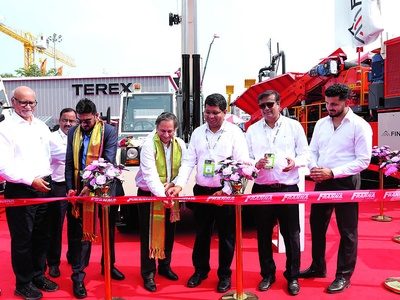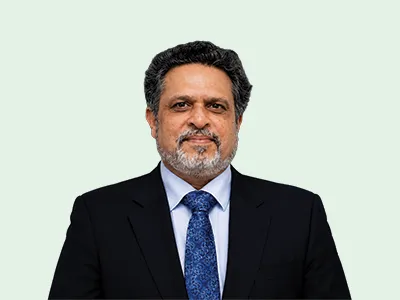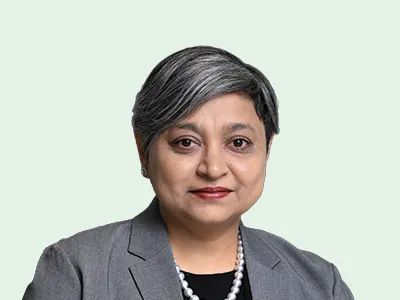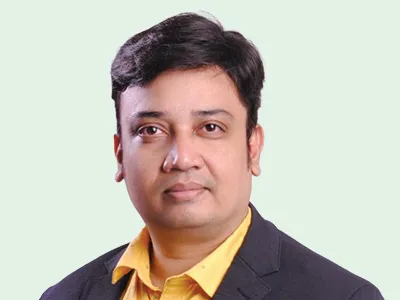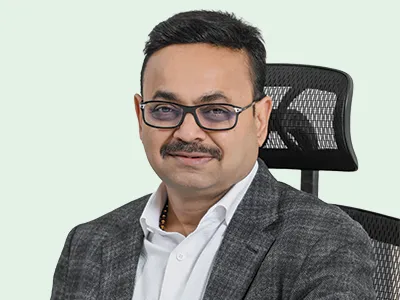
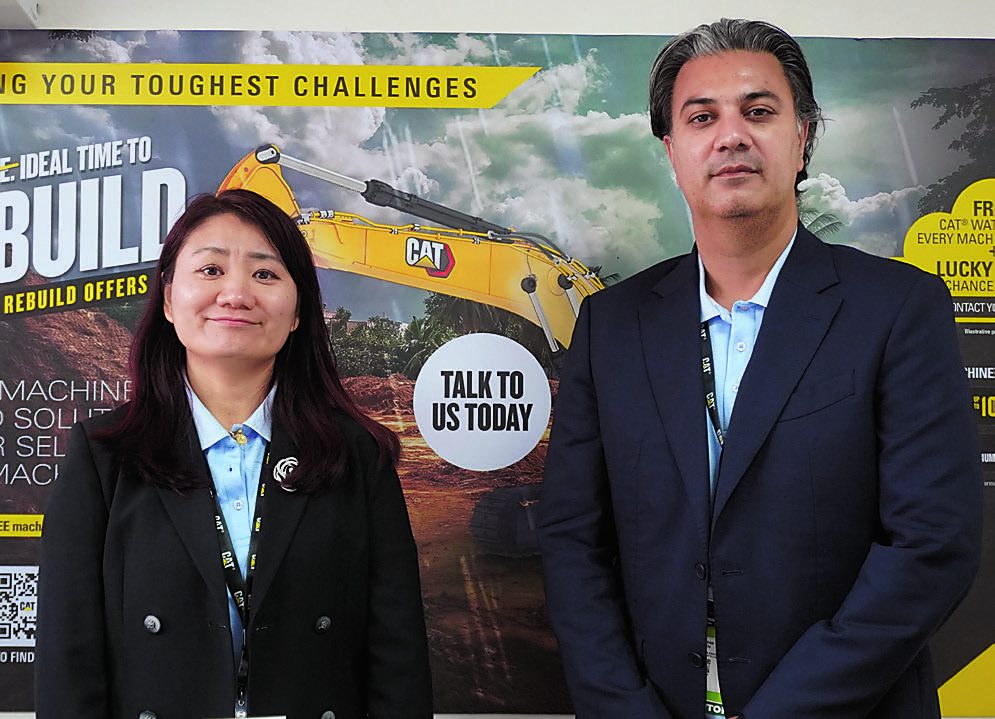
Nicole Li, Vice President – Sales & Marketing, India, Indonesia & Southeast Asia, and Gurman Reen, Director – Sales, India, share insights into Caterpillar’s new product launches and strategy for the next phase of growth in India, including connected technologies, electrification, operator training, and an integrated customer-support ecosystem.
Caterpillar introduced the new Cat 355 hydraulic excavator, Cat D5 Dozer and Cat 120 GC motor grader at the recently held bauma CONEXPO India. How will they be positioned to address the evolving customer requirements?
This year, we have taken an important approach of understanding the requirements of different segments. Whether it is mining, construction, or any other segment, we look at what the customers need and how we can better support them in completing their work. The Cat 355 and Cat 120 GC are the result of the work we have done with our dealers to understand customer requirements in these segments.The Cat 355 is well positioned for the mining segment which is an important growth engine for India. We are seeing an upsizing trend in the mining sector. Earlier, many trucks were in the 20- to 30-tonne range, whereas customers are now operating trucks with significantly higher payload capacities, including 60-80- and 100-tonne trucks. With the entry of these larger trucks, excavators in the 30- to 40-tonne class can become relatively small for certain applications. This makes the Cat 355 an important solution. With its 4.5-cubic-metre bucket, it can load larger trucks more efficiently.
The machine also benefits from Caterpillar’s proven hydraulic and electronic control technologies. These technologies have been developed and proven across our product line and are designed to deliver fuel efficiency and productivity. The C355 comes with three work mode options that match performance to the application, while smart mode automatically balances engine and hydraulic power to help save fuel.
But beyond the machine itself, we are increasingly talking about the broader ecosystem we provide to customers. Through VisionLink, for example, we can monitor machines and understand fuel consumption, machine utilisation and operating efficiency. The machine has multiple sensors that continuously send information to our backend platform. This allows us to understand machine health and efficiency and identify whether the equipment is operating at an optimum level or whether there are opportunities for improvement.
So, it is not only about the proven technology and efficiency of the machine. It is also about the ecosystem we are building around it through VisionLink, our dealers, service support and uptime programs to better support machines at the job site and help ensure they remain operational.
We are also offering rebuild solutions. All Caterpillar machines, including theCat 355, are eligible for rebuild, allowing customers to extend the machine’s life and achieve advantages in terms of cost per tonne and cost per hour. With the current upsizing trend in the mining segment, we believe the Cat 355 is well positioned to meet customer requirements.
The Cat 120 GC is targeted more towards the lower segment. Many of the features and approaches we have discussed are aligned with our broader Caterpillar philosophy. It is not just about the machine; it is about the ecosystem and the systems we provide to support customers and ensure that the machine performs effectively.
While undertaking R&D, how extensively does Caterpillar take customer feedback into account and once a product is launched, how do you assess whether customers are actually adopting its technologies and features?
We work closely with our dealers to understand customer requirements, and the solutions we develop are based on those needs. Additionally we have VisionLink,our digital platform for connecting and monitoring machines. New Caterpillar machines are connected to the platform, and we are seeing increasing interest in it.Our younger customers particularly are very interested in connected equipment and digital monitoring. They actively use these technologies, and we believe this is the right direction because it provides real value to customers.
The applications also have to be user-friendly. The market includes premium and large contractors, but a significant proportion consists of customers who may be entering the business for the first time or operating smaller contracts. Therefore, the user interface needs to be simple, easy to understand and useful.
We also believe that the responsibility lies with us and our dealers to educate customers. We provide operator training and basic walk-around training for the site. There is also a structured customer-onboarding process. Within a certain number of days, for example, the customer is expected to have our application on their phone. Customers can also use our online parts store to purchase parts, and we track such interactions as part of the adoption process.
So, we are actively driving and tracking technology adoption. We have taken it upon ourselves, together with our dealers, to work with customers and demonstrate the value of these solutions. For example, through outcome-based commitments, we can offer service commitments such as a 48-hour service commitment. If a machine breaks down, it should either not break down in the first place through proactive intervention, or it should be supported and brought back into operation within the committed timeframe. Hence, our fuel guarantee and service commitment programs are designed to demonstrate tangible value to customers.
We also want to highlight that around 1.6 million assets are already connected. We have a well-designed infrastructure in place, which helps us support customers. Technology is a tool that helps us achieve those outcomes.
With Indian customers increasingly looking beyond the initial purchase price, which metric tends to make the strongest business case for the customer—higher output, lower cost per tonne, better quality, higher uptime or stronger residual value?
We work closely with our dealers to understand what different customer segments actually need. Construction customers may be more focused on cost per hour and uptime, while mining customers may have a different set of priorities.When we talk about equipment life, customers are also looking at cost per hour over the life of the machine. In mining, the cost component can become particularly important. Customers can look very closely at the economics and calculate how they can save even one or two cents through different fleet solutions.
We believe that solutions need to be designed according to the requirements and issues of different customer segments. They can be related to safety, labour, productivity, cash flow, cost per hour or cost per tonne. Our digital ecosystem should ultimately help solve customers toughest challenges. Hence, we work closely with our dealers to understand what is happening at the job site and provide solutions accordingly.
It is also important to look beyond an individual machine and consider the entire fleet. For example, if a mining customer is operating equipment for around 6,000 hours a year, we need to ensure that the system can deliver more than 90% uptime.
Technology plays a critical role in achieving that. This is one of the reasons why we connect equipment because through connected machines we can continuously monitor their condition. When a signal comes from a machine, we can work with our dealer to take action at the customer's job site.
Solutions cannot be one-size-fits-all. We need to design solutions according to the requirements and challenges of different customer segments. They can be related to safety, labour, productivity, cash flow, cost per hour or cost per tonne. Our digital ecosystem should ultimately help solve customer challenges. We work with our dealers to understand what is happening at the job site and provide solutions accordingly.
What initiatives is Caterpillar undertaking to strengthen operator and workforce training, particularly when introducing new products and technologies?
Training covers both operator and technician development. Our dealers have their own training programs and new programs and curricula are introduced every year. henever a new product or solution is launched, it becomes part of the training curriculum. Digital solutions are also increasingly becoming part of these programs.While we ensure that dealer technicians are adequately prepared, our training also includes our sales and application teams. They need to understand not only the technical aspects but also how the equipment and solutions can improve efficiency. Sometimes, the answer lies in understanding the entire fleet and determining how different machines should work together to deliver better customer outcomes. We refer to this as application training or solution training.
Our teams work closely with dealers in these areas, with different levels of training designed to ensure that we do not simply bring a product to the market, but also prepare the wider system and dealer organisation to support it effectively. This is an important part of our go-to-market plan.
Does Caterpillar see an opportunity to take technology and operator training to a larger number of professionals by working more closely with industry associations?
We see an opportunity to work more closely with industry associations to extend our training efforts to a larger number of professionals. We already have initiatives such as simulators that can be used for operator training. These platforms could potentially be taken to a larger scale through industry associations.Caterpillar has a 101-year history and a broad range of experience and resources that we can draw upon to develop the workforce of the future. We do a great deal of work in training and workforce development, and we also recognise the need for dedicated programs in India. Collaboration with industry associations can provide an effective platform for reaching and training a larger pool of professionals.
How is Caterpillar improving operator safety, especially in harsh working conditions?
Safety is part of our engineering DNA, and our engineering teams specifically focus on designing machines that are safe. When we address customer challenges, safety is always part of the conversation. It begins with machine design. If you look at Caterpillar machines, there are many safety features built into the design—from hydraulic lock systems to the way operators can walk around the machine. Even details such as stair design and anti-slip features are considered as part of the machine’s safety system.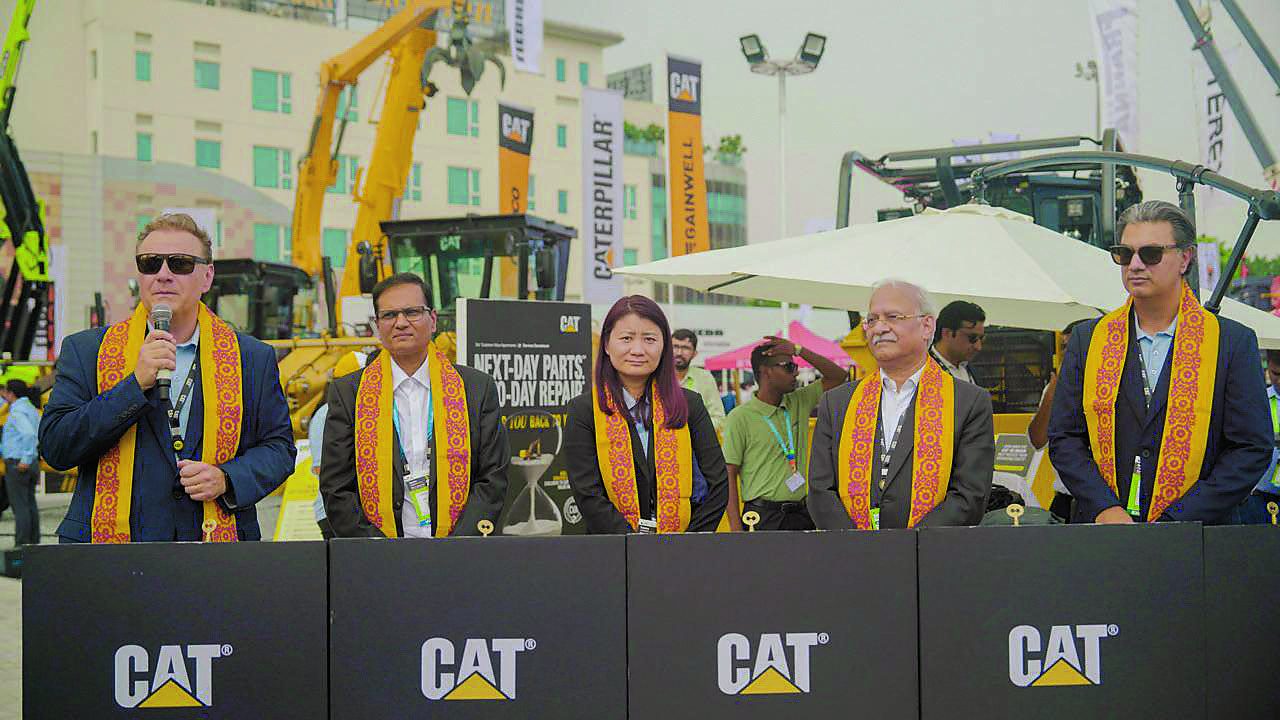
These features are the result of many years of developing safety solutions. But we now want to take safety beyond the machine itself. Jobs are becoming more complex, and there are many different situations that can arise. Technology can help address these safety challenges.
We are continuously introducing more safety features, including collision-avoidance systems and other safety technologies that will continue to be introduced into the market. As a responsible brand, we believe that making jobsites safer is part of our responsibility. Our machines are becoming increasingly intelligent, which creates opportunities to integrate additional safety features. Requirements can differ from country to country, so we evaluate how these technologies can be integrated into machines and brought to market effectively.
Besides machine-based safety features, remote operation, operator-assist and other advanced technologies also help keep operators away from particularly hazardous environments. Our solution, Cat Command, enables a machine to be operated remotely in very challenging environments, such as tunnels associated with hydropower projects.
We also have applications such as steel-mill operations, where a loader handles slag and molten steel and the operator does not have to be physically exposed to the harsh environment.
The important point is that we have launched some of our most advanced excavators and graders, and the machines themselves are becoming smarter. They have electronic control modules and advanced electronic architecture, providing a platform on which we can introduce additional safety features, autonomous functions and operator-assist technologies that help make operators safer while also improving efficiency.
How are Caterpillar’s equipment and technologies being applied in critical projects like tunnelling and hydropower?
Our excavators are being used extensively in tunnelling and hydropower projects. The Border Roads Organisation (BRO), for example, has many projects in challenging areas, and there are also many private contractors working in these environments. A significant amount of the equipment being used by these contractors are Caterpillar excavators.Since machines need to operate at very high altitudes, they have to start reliably and operate with the right power characteristics. At high altitudes, power derating can become an important consideration. Our machines have demonstrated strong capabilities in these conditions, which is why they are preferred by many contractors because they do not want to compromise on quality or the support provided by the dealer.
New Launch
Cat 355 Hydraulic Excavator: Designed for demanding quarry, mining and heavy infrastructure applications, the Cat 355 combines robust performance, enhanced stability and simplified maintenance. Powered by a Cat C13B engine and electrohydraulic system, it offers three work modes and Smart Mode for balancing engine and hydraulic power. It can be configured with 4.0 m³ severe-duty and 4.5 m³ heavy-duty buckets, with features focused on productivity, fuel efficiency, uptime and operator comfort.Cat D5 Dozer: Built for mining and heavy infrastructure applications, the Cat D5 combines performance, precision and efficiency with a Cat C7.1 engine and fully automatic transmission. Its larger 4.3 m³ SU blade supports higher material-moving capacity, while features such as VPAT blade options, extended filter life and grouped service points help improve productivity, simplify maintenance and reduce operating costs.
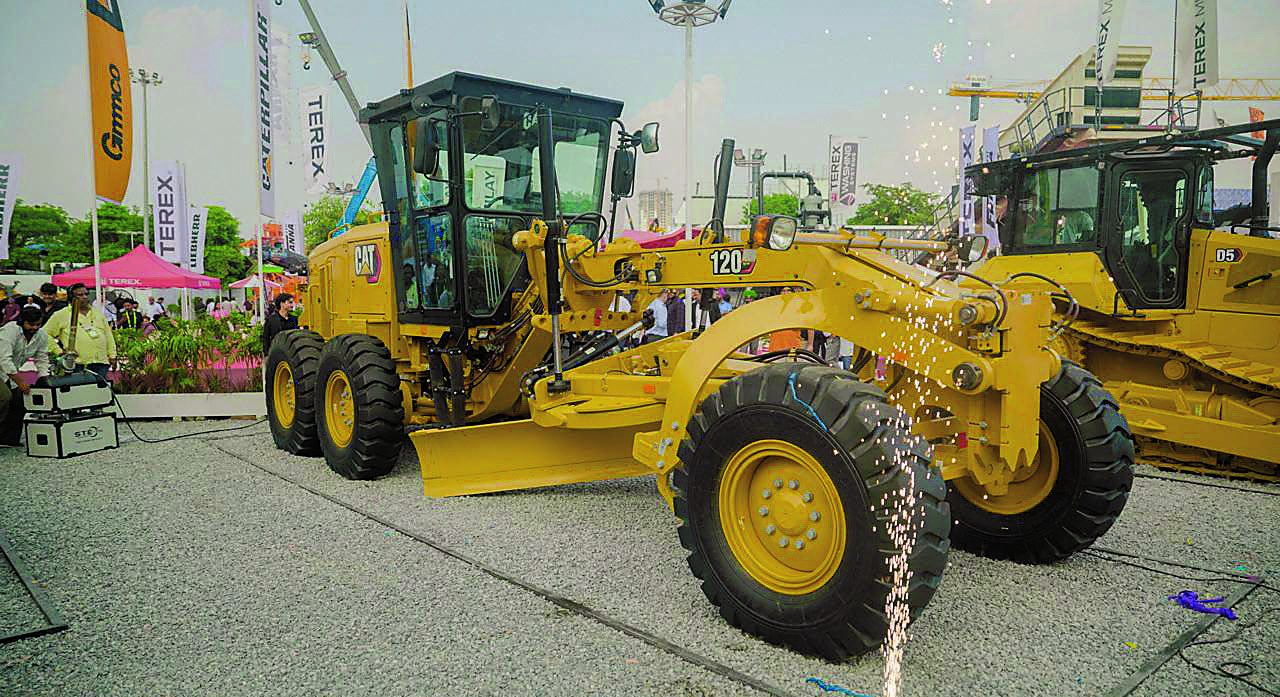
Cat 120 GC Motor Grader: Designed for road construction and maintenance, the Cat 120 GC delivers reliable grading performance with straightforward operation and low cost-per-hour ownership. Powered by a Cat C4.4 engine, it features a powershift transmission, Eco Mode and a balanced machine design for fuel-conscious operation. It is suited to low- to medium-duty applications, including rural road maintenance and finish grading.
What challenges do you see in higher sales of electric equipment?
Electrification is definitely an important industry developement, and it is an area that we are evaluating carefully. The key question is how different countries and their infrastructure can support these solutions and whether customers can operate electric machines effectively in their actual working environments. Every jobsite is different, and customers have different levels of maturity and infrastructure readiness.Globally, the availability and suitability of electric solutions are not yet consistent across all applications. Many customers and OEMs are exploring what solutions can continue to evolve and how technology can be adapted to different applications. The requirements can be very different depending on the application. For example, a complete electric solution for a coal mine may have different requirements from an electric truck operating in another application. Similarly, the operating environment, gradients and duty cycles can affect the suitability of electric equipment.
We have spoken to customers about their real operating conditions. For some applications, particularly where equipment has to operate on steep slopes, the available power and charging infrastructure can create challenges. If a machine is operating at a remote location where there is no reliable electricity infrastructure, the availability of an electric machine alone does not solve the problem. There are also questions around the complete lifecycle of batteries — how they will be disposed of, how they will be replaced, and whether battery leasing models could become part of the solution.
We are working with customers in different countries where electrification is already being introduced, learning from those experiences and evaluating how these approaches can be adapted to other markets. In India, electric equipment has a higher initial cost compared to diesel run equipment, which can drive customers towards considering more economical options. However, electrification will continue to be an important area, and the right solution will depend on the market, infrastructure, and customer segment.
Caterpillar recently crossed its 100-year milestone. How do you see technology, AI, automation, electrification and alternative fuels shaping its future growth?
Caterpillar is now in its 101st year. We want to grow the company around solutions that empower our customers. We have a strong legacy in products, services, parts, rental, rebuilds and other areas. Artificial Intelligence, automation and other technologies are becoming part of the broader ecosystem of solutions we offer, for example, Caterpillar has launched Cat AI. Moving forward, the important question is how the ecosystem and solutions beyond the machine can help us address the next generation of customer challenges.We are heavily invested in India. You can see this through the number of products we keep launching. We are continuing to build our customer base and are positioning ourselves not simply as a product company but as a customer-backed solution provider. We start with the customer challenge and then look at the solutions available. For example, our engines are capable of operating with fuels up to P20 biodiesel, and we have alternative-fuel options, including battery-electric. Wherever we see a particular technology as the right solution for the customer, we will work with them.