Builders Association of India
Ravindra Tyagi, President, Builders Association of India, shares his observations on the challenges affecting project execution, the fundamental changes required in project planning, procurement, and management, developing technical capability, innovation, and lifecycle value, and ways in which BAI is encouraging contractors to adopt digital technologies and fostering collaborations to accelerate adoption of modern construction technologies.

In your view, what are the biggest challenges affecting project execution today, and what fundamental changes are required in project planning, procurement, construction management, mechanisation, and technology adoption to significantly improve productivity across the sector?
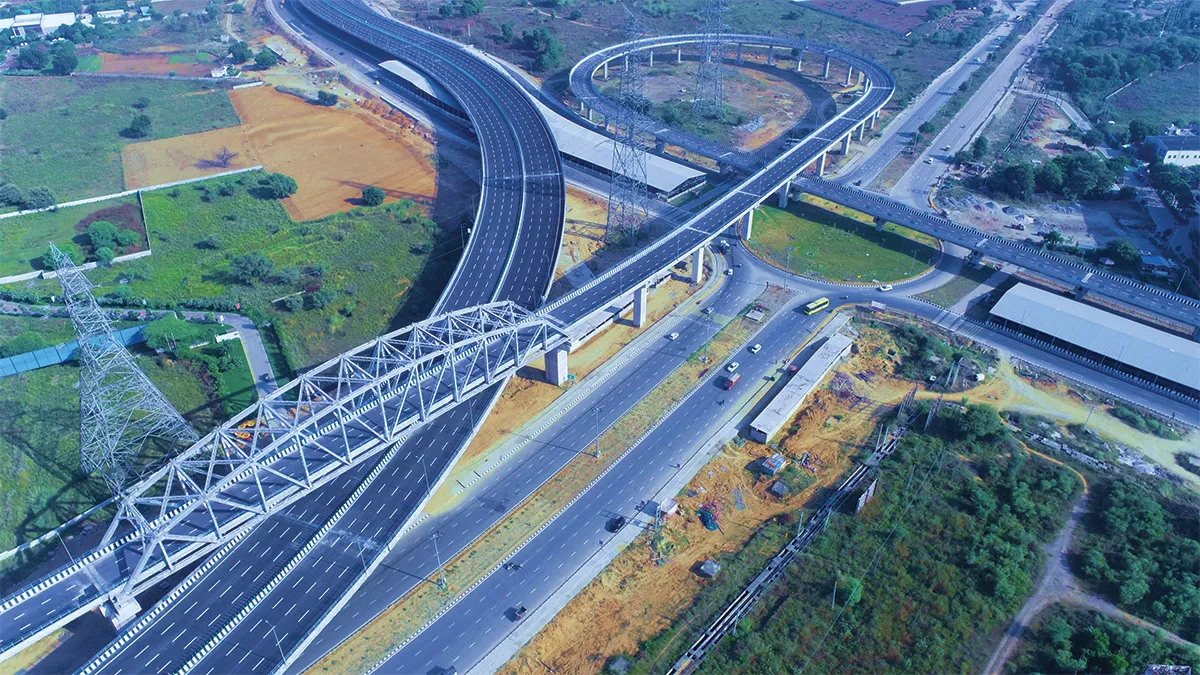
India is witnessing one of the largest infrastructure development programmes in the world. Massive investments in highways, expressways, railways, metro systems, airports, ports, industrial corridors, urban infrastructure, renewable energy, water resources, and affordable housing are laying the foundation for a developed India. Engineering construction contractors are at the forefront of this transformation, converting national policies and investment into tangible infrastructure that fuels economic growth and improves the quality of life for millions.While the country's infrastructure ambitions are commendable, achieving the desired pace and quality of project delivery requires systemic reforms throughout the construction ecosystem.
One of the most significant challenges affecting project execution continues to be inadequate project preparedness before award of work. Delays in land acquisition, environmental and statutory clearances, shifting of utilities, forest permissions, railway approvals and availability of encumbrance-free project sites often postpone the commencement of construction. Unfortunately, while these pre-construction delays consume valuable time, the contractual completion period generally remains unchanged, placing enormous pressure on contractors to accelerate execution without compromising quality or safety.
Another major concern is the preparation of Detailed Project Reports (DPRs). In many instances, DPRs are prepared with limited field investigations, insufficient geotechnical data or incomplete utility mapping, resulting in frequent design modifications during execution. Such changes inevitably affect project schedules, increase costs and often lead to contractual disputes.
The industry is also confronted with persistent financial challenges. Delayed certification and release of payments, prolonged settlement of variation claims, fluctuations in the prices of construction materials such as steel, cement, bitumen and fuel, increasing financing costs and stretched working capital cycles significantly impact contractors' financial health. Timely payment mechanisms and equitable price adjustment provisions are therefore essential to sustain the industry's capacity to invest in modern technologies and equipment.
Labour availability presents another structural challenge. While India has a large workforce, there is a growing shortage of adequately skilled personnel capable of operating sophisticated machinery and executing technologically advanced projects. The future of construction will increasingly depend upon a workforce that combines engineering competence with digital literacy and technological adaptability.
Equally important is the need to reform procurement practices. Public procurement in India has traditionally been driven by the Lowest Bid (L1) principle. While competitive pricing remains important, infrastructure assets are expected to deliver value over several decades. Procurement systems must therefore evolve towards evaluating overall lifecycle value, technical competence, financial capability, safety performance, quality assurance systems, sustainability credentials, digital readiness and past project performance. Adoption of Quality-and-Cost-Based Selection (QCBS), balanced contract conditions and equitable risk allocation will encourage innovation while discouraging unrealistic and unsustainable bidding practices.
Construction management itself is undergoing a fundamental transformation. Mechanisation is no longer optional but essential for improving productivity, consistency and safety. Modern construction increasingly relies on intelligent equipment, automated surveying, GPS-guided machinery, advanced material handling systems, prefabrication and industrialised construction techniques. Digital technologies such as Building Information Modelling (BIM), Artificial Intelligence (AI), drones, Internet of Things (IoT), Digital Twins, cloud-based project management platforms and predictive analytics are enabling real-time monitoring, better planning and informed decision-making throughout the project lifecycle.
However, technology alone cannot transform the industry. It must be supported by investment in human capital, continuous professional development and organisational capability building. Contractors, consultants, equipment manufacturers, educational institutions and government agencies must work together to build an ecosystem that promotes innovation and continuous improvement.
Innovation flourishes when stakeholders collaborate from the earliest stages of project development. Early Contractor Involvement (ECI), integrated project delivery, collaborative contracting, industry-academia partnerships, pilot technology demonstrations, shared digital platforms and joint research initiatives can accelerate innovation.
The Government of India has already initiated several transformative programmes such as PM Gati Shakti, the National Infrastructure Pipeline and various sector-specific infrastructure initiatives. The next phase should focus on integrating digital engineering, standardisation, industrialised construction, faster approvals, and collaborative contracting into mainstream project delivery.
Despite the emphasis on quality, safety, and sustainability, project awards in many cases continue to be driven primarily by the lowest bid. Do you believe India's procurement framework needs to move beyond cost-based selection towards greater emphasis on technical capability, construction quality, innovation, productivity, safety performance, and lifecycle value? What reforms would you recommend?
This is perhaps one of the most important policy questions confronting India's construction industry today. BAI has consistently maintained that public procurement should evolve from a purely price-driven exercise to a value-driven decision-making framework. Infrastructure projects are long-term public assets that are expected to serve communities for several decades. Therefore, awarding projects solely on the basis of the lowest initial cost does not necessarily result in the best value for the nation.Unsustainably low bids often lead to financial stress, compromised quality, contractual disputes, delayed execution and increased lifecycle maintenance costs. Ultimately, the public exchequer bears the consequences.
India should progressively adopt procurement systems that recognise technical competence, financial strength, proven execution capability, quality management systems, safety performance, sustainability initiatives, innovation, digital capability, equipment resources and successful project delivery history alongside competitive pricing.
Quality-and-Cost-Based Selection (QCBS), best-value procurement models and performance-based evaluation frameworks have already demonstrated their effectiveness internationally and can be adapted to Indian conditions.
Balanced contracts are equally important. Risks should be allocated to the party best equipped to manage them. Contractors should not be expected to bear risks arising from land acquisition delays, statutory approvals, utility shifting or unforeseeable site conditions that remain beyond their control.
Timely decision-making, prompt payment certification, fair price adjustment mechanisms, efficient change management procedures and effective dispute avoidance systems are equally essential components of a modern procurement framework. Digital procurement platforms can also improve transparency, accountability and efficiency while reducing administrative delays.
As India moves towards becoming a USD 5 trillion and eventually a developed economy, procurement reforms must support innovation rather than discourage it. Contractors who invest in technology, skilled manpower, sustainability and modern equipment should be recognised through procurement systems that reward long-term value creation.
BAI is committed to working with the Government of India, State Governments, public sector organisations and policymakers to develop procurement practices that are transparent, fair, technically robust and internationally benchmarked.
Ultimately, procurement reform is not merely about changing tender evaluation methods—it is about ensuring that India's infrastructure assets are built by capable organisations using modern technologies, delivering quality infrastructure that serves future generations. Such reforms will strengthen the entire construction ecosystem and significantly contribute to the national objective of building a resilient, sustainable and globally competitive infrastructure sector.
Rapid advancements and intelligent machine technologies are transforming construction practices. Which equipment innovations do you believe will have the greatest impact on improving productivity, construction quality, safety, sustainability, and project delivery in India? What factors will determine their wider adoption across projects of different scales?
The construction equipment industry is undergoing a technological revolution, making modern equipment indispensable for delivering projects on time, with superior quality, and enhanced safety.Mechanisation is no longer merely an option to improve efficiency—it is a strategic necessity for ensuring sustainable growth of the engineering construction sector. Increasing project complexity, shrinking delivery timelines, labour shortages and rising quality expectations make it imperative for contractors to adopt advanced construction equipment and intelligent technologies.
Among the most significant innovations are equipment integrated with Artificial Intelligence (AI), GPS-based machine guidance, telematics, remote diagnostics and predictive maintenance systems. These technologies enable real-time monitoring of machine performance, optimise fuel consumption, reduce equipment downtime and improve operational efficiency. Data generated through telematics allows contractors to monitor utilisation, schedule preventive maintenance and improve fleet management, resulting in significant savings in operating costs.
In the road construction sector, intelligent asphalt pavers, automated graders, high-capacity milling machines, soil stabilisation equipment and precision compaction technologies are improving pavement quality while reducing material wastage. Similarly, in the concrete sector, automated batching plants, self-climbing formwork systems, slip-form pavers, robotic concrete placing systems and high-capacity transit mixers are ensuring greater consistency and productivity.
Foundation engineering and underground construction have also witnessed remarkable advancements. Modern piling rigs, diaphragm wall equipment, tunnel boring machines (TBMs), micro-tunnelling technologies and sophisticated ground improvement techniques have made it possible to execute projects in highly challenging geological conditions while ensuring safety and precision.
Material handling is another area experiencing rapid transformation. Tower cranes with intelligent load management systems, crawler cranes, automated lifting solutions, electric forklifts and digital logistics platforms have significantly improved safety and productivity on construction sites.
The industry is also witnessing the emergence of electric and hybrid construction equipment, which contributes to reduced emissions, lower operating costs and improved environmental performance. As India moves towards its Net Zero commitments, such technologies will become increasingly relevant.
Drone technology is now widely used for topographical surveys, volumetric measurements, project monitoring, quality inspection and safety surveillance. Combined with Building Information Modelling (BIM), Geographic Information Systems (GIS) and Digital Twins, drones are transforming project planning and execution by providing accurate, real-time data for informed decision-making.
However, wider adoption of these technologies depends upon several critical factors: The first is financial accessibility. Advanced construction equipment involves significant capital investment, which may be beyond the reach of many medium and small contractors. Greater availability of equipment leasing, rental markets, affordable financing and credit support can accelerate adoption across the industry.
Secondly, operator training and skill development are equally important. Sophisticated equipment can deliver optimum performance only when operated by well-trained professionals. Continuous skill development programmes must therefore accompany technological adoption. Thirdly, after-sales service, spare parts availability and technical support are essential, particularly in remote project locations. Equipment reliability is directly linked to the strength of the service ecosystem.
Government policy can also play a catalytic role by encouraging equipment modernisation through fiscal incentives, accelerated depreciation benefits, easier financing and greater recognition of mechanisation in project planning and procurement.
As India progresses towards becoming a global infrastructure leader, mechanisation must be viewed not simply as investment in machinery but as investment in productivity, safety, sustainability and long-term competitiveness.
How can India strengthen the capabilities of site engineers, supervisors, planners, safety professionals, and project managers to build a future-ready construction workforce? What initiatives is BAI undertaking in this direction?
Infrastructure development ultimately depends not only on capital and technology but also on the competence of the people who plan, manage and execute projects. As construction technologies continue to evolve, India's workforce must evolve alongside them. Developing a future-ready workforce is among the most critical priorities for the engineering construction industry.The traditional skill profile of construction professionals is changing rapidly. Modern site engineers must possess not only technical knowledge but also proficiency in digital engineering, Building Information Modelling (BIM), Artificial Intelligence, project scheduling, contract management, sustainability, quality assurance and risk management.
Similarly, project managers are increasingly expected to lead multidisciplinary teams, interpret real-time project data, manage complex stakeholder relationships and deliver projects within stringent cost, quality and environmental parameters.
Safety professionals must now integrate behavioural safety, digital monitoring systems, wearable technologies and predictive risk assessment into everyday site management. Planners must utilise advanced scheduling software, data analytics and collaborative planning techniques to improve project predictability. Continuous Professional Development (CPD) therefore becomes indispensable throughout an individual's career.
Recognising this need, BAI has consistently organised technical conferences, seminars, workshops, Continuing Professional Development programmes and knowledge-sharing initiatives across its nationwide network of Centres. These programmes cover emerging technologies, construction management, safety, contract administration, sustainability, digital transformation and best engineering practices.
We are actively encouraging greater collaboration between industry, educational institutions, professional bodies, equipment manufacturers and government agencies to ensure that engineering education remains aligned with evolving industry requirements.
There is also a pressing need to strengthen practical exposure during engineering education. Greater industry-academia partnerships, internships, apprenticeship programmes and live project experience can significantly improve the employability of young engineers.
The construction industry should also establish structured career progression pathways supported by periodic skill certification, leadership development and specialised technical training. Such initiatives will encourage continuous learning while improving overall professional standards.
Government programmes aimed at skill development have already made valuable contributions. However, greater industry participation in curriculum development, competency standards and training delivery will further improve outcomes.
India possesses one of the world's largest pools of engineering talent. With appropriate investment in education, digital skills and leadership development, the country can create a globally competitive construction workforce capable of delivering the sophisticated infrastructure required for the coming decades.
As the apex national association representing engineering construction contractors and builders, BAI remains committed to promoting excellence through professional development, technical education, knowledge dissemination and constructive engagement with policymakers and academic institutions.
A skilled workforce is not merely an industry requirement—it is a national asset. Investing in people will ultimately determine India's ability to achieve its ambitious infrastructure goals and realise the vision of Viksit Bharat @2047.
Technology, innovation, skilled workers, and quality systems will define the future of the infra construction industry over the next decade. Mechanisation is now a strategic necessity, and contractors need to adopt advanced construction equipment and intelligent technologies.
How can contractors and builders derive greater value from participating in an exhibition like bauma CONEXPO INDIA?
The remarkable evolution of bauma CONEXPO INDIA reflects the equally remarkable transformation of India's construction and infrastructure sector. Today, it has established itself as one of the world's premier exhibitions for construction equipment, machinery, digital technologies, engineering solutions and knowledge exchange. More importantly, it serves as a meeting point where policymakers, contractors, developers, consultants, manufacturers, financiers, researchers and technology innovators come together to shape the future of construction.For contractors, participation should extend well beyond equipment procurement. It should be viewed as an investment in knowledge, innovation and organisational growth. Every exhibition offers an opportunity to evaluate emerging technologies, understand international best practices, compare equipment performance, explore digital solutions and establish strategic business partnerships.
As project complexity continues to increase, contractors must remain abreast of global technological developments. Mechanisation, automation, artificial intelligence, digital engineering, sustainable construction materials, autonomous equipment and intelligent project management systems are no longer concepts of the future—they are rapidly becoming standard industry practices. Events such as bauma CONEXPO INDIA provide an ideal platform for understanding these developments firsthand.
Equipment manufacturers also derive significant value by engaging directly with contractors and project owners. Such interaction enables manufacturers to better understand India's unique site conditions, climatic challenges, operational requirements and maintenance expectations, leading to the development of equipment specifically suited to Indian conditions.
For developers and project owners, the exhibition provides valuable insights into technologies that can improve construction quality, accelerate project delivery, enhance sustainability and optimise lifecycle costs. Policymakers similarly benefit from understanding global trends that can inform future infrastructure policies, equipment standards, digital transformation initiatives and sustainability frameworks.
Conferences, technical sessions and knowledge forums at the tradeshow create opportunities for meaningful dialogue on productivity, safety, standardisation, digitalisation, sustainability, financing and workforce development.
Through our nationwide network of Centers, BAI continuously encourages contractors—particularly small and medium enterprises—to participate in such international platforms, broaden their technical exposure and adopt globally benchmarked practices.
As India moves towards becoming a developed nation, our construction industry must become more productive, technologically advanced, environmentally responsible and globally competitive. This transformation cannot be achieved by any single stakeholder. It requires collaboration between Government, contractors, consultants, equipment manufacturers, technology providers, academia, financial institutions and industry associations.