Indian Mining & Construction Association
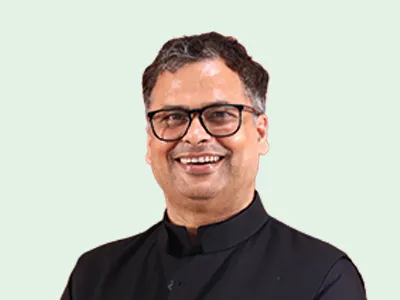
Abhishek Kumar Pandey, National President, Indian Mining & Construction Association (IMCA), gives an assessment of India's mining and aggregates industry, the challenges in ensuring quality construction materials, and the reforms needed to create a more transparent, investment-friendly, resource management.

How do you assess the preparedness of India's mining and aggregates industry to support the infrastructure expansion across the country?
India's mining and aggregates industry is well-positioned to support the country's infrastructure growth, driven by increasing investments and policy reforms. The biggest opportunity lies in meeting the rising demand for quality minerals and aggregates through modern, sustainable, and technology-driven mining practices.However, the industry must address challenges such as faster environmental clearances, improved logistics, skilled workforce development, and responsible resource management. By embracing innovation and sustainable operations, the sector can play a pivotal role in achieving India's long-term infrastructure and economic goals.
What long-term resource planning strategies and industry initiatives are needed to ensure sustainable availability of quality aggregates and construction materials?
To ensure sustained availability of quality aggregates, India needs long-term resource mapping, scientific mine planning, faster regulatory approvals, and greater investment in modern crushing, screening, and recycling technologies. Promoting the use of manufactured sand (M-Sand), recycled construction materials, and environmentally responsible mining practices will strengthen resource security. Close collaboration between government, industry, and technology providers will be essential to build a resilient supply chain that can support India’s ambitious infrastructure and economic growth.What regulatory and policy reforms are needed to create a more transparent, efficient, and investment-friendly framework while promoting responsible and scientific mining?
India needs a transparent, time-bound, and technology-driven approval system with single-window clearances and clear regulatory guidelines. Strengthening digital monitoring, strict enforcement against illegal mining, and encouraging scientific and sustainable mining practices will create a level playing field for compliant operators.A balanced policy framework that protects the environment while enabling responsible resource development will boost investment, improve efficiency, and ensure a reliable supply of minerals for India’s infrastructure growth.
Close collaboration between the government, industry, and technology providers is essential for building a resilient supply chain that can support India’s ambitious infrastructure development.
As demand for aggregates continues to rise, how can quarry operators improve productivity while ensuring environmental sustainability?
Improving productivity begins with scientific quarry planning and the adoption of modern mining technologies. Precision drilling and blasting, efficient crushing and screening, and data-driven mine management help maximize resource recovery, reduce waste, extend mine life, and lower operating costs. By integrating these practices with strong environmental management and responsible resource utilization, the industry can achieve higher productivity while ensuring long-term sustainability and supporting India's growing infrastructure needs.What market interventions are needed to accelerate the adoption of alternate materials like manufactured sand and recycled aggregates while ensuring consistent quality and wider industry acceptance?
M-Sand and recycled aggregates will play a vital role in building a sustainable construction ecosystem by reducing dependence on natural river sand and improving resource efficiency. Their wider adoption requires clear quality standards, supportive government policies, greater awareness among stakeholders, and investment in modern processing technologies. With consistent quality, certification, and industry confidence, these alternative materials can become mainstream and support India’s long-term infrastructure growth sustainably.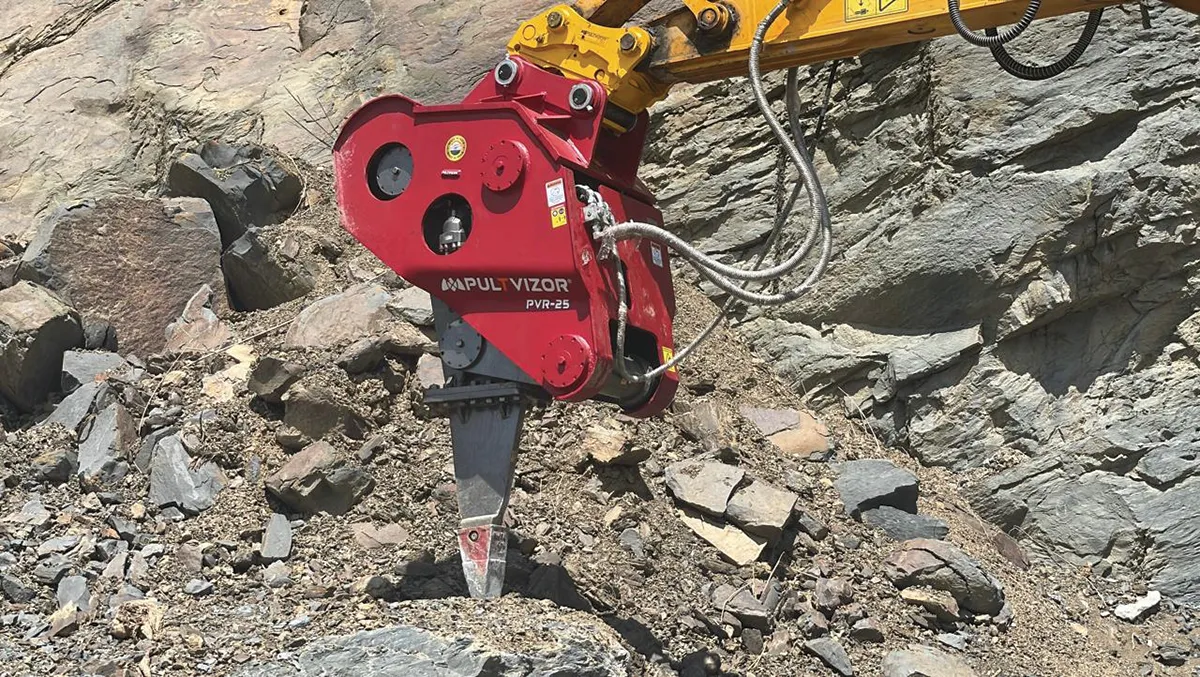
The future of mining is being shaped by intelligent, automated, and low-emission equipment, AI, automation, digital connectivity, and data-driven decision-making. Do you believe India's mining and aggregates sector is ready for this transformation?
India’s mining and aggregates sector is steadily moving toward digital and sustainable transformation, but wider adoption will require greater investment, supportive policies, skilled manpower, and reliable digital infrastructure. The key is to encourage automation, AI-driven operations, equipment electrification, and data-based decision-making while strengthening industry-academia collaboration and workforce training. With the right policy support and a progressive industry mindset, India can build a globally competitive, safe, efficient, and sustainable mining ecosystem.Mining is one of the world's most challenging industries from a safety and environmental perspective. What role can modern equipment, digital technologies, and industry-led initiatives play in achieving responsible mining in India?
Building a strong safety and sustainability culture requires continuous workforce training, strict adherence to best practices, and leadership committed to responsible mining. Modern equipment like VIBRO RIPPER has been invented by Indian company Pultvizor for primary mining and as a substitute for blasting.Automation, real-time monitoring, and digital technologies can significantly improve worker safety, operational efficiency, and environmental performance. When combined with industry-led initiatives, knowledge sharing, and a proactive regulatory approach, these measures will help create a safer, more sustainable, and globally competitive mining sector in India.