NAREDCO
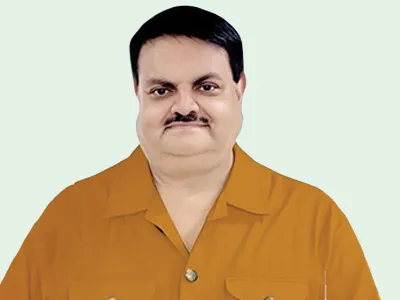
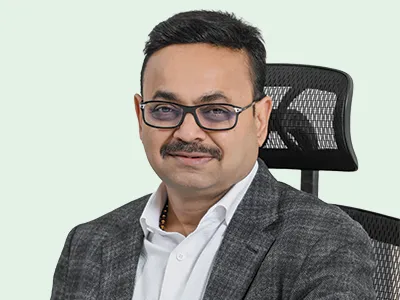
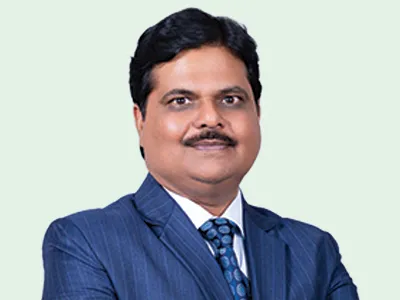
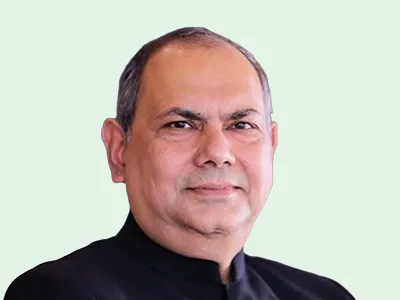
Parveen Jain, President, NAREDCO, shares the Association’s initiatives to strengthen capabilities in modern construction technologies foster more integrated, resilient and future-ready urban ecosystems, workforce upskilling, and encourage developers to adopt digital technologies, and mechanised construction.
What fundamental changes are required in project planning, procurement, construction management, and technology adoption to significantly improve productivity and overall project delivery?
The demand for faster project delivery has certainly increased, but speed should never come at the cost of quality or safety. Every homebuyer wants a well-built, quality home, and it is our responsibility as developers to ensure that the highest construction standards are followed at every stage of the project.Better planning from the beginning, timely approvals, close coordination between developers, contractors and suppliers, and regular project monitoring can help avoid unnecessary delays. The use of modern construction technologies and digital tools is also helping improve efficiency and reduce wastage. When selecting materials and project partners, the focus should be on quality, reliability and long-term performance, not just the lowest cost.
Delivering projects on time is important, but delivering a safe, durable and high-quality home is what builds trust and strengthens the reputation of both the developer and the industry.
How should developers rethink project planning, land use, urban design, and mixed-use development to maximise long-term value and how is NAREDCO supporting this transformation towards creating more integrated, resilient, sustainable, and future-ready urban ecosystems?
India's infrastructure growth is creating a huge opportunity for the real estate sector. New expressways, metro corridors, airports and industrial corridors are opening up areas that were earlier considered on the outskirts. Developers should plan projects by keeping future connectivity in mind instead of focusing only on today's demand. Transit-Oriented Development (TOD) is also becoming an important part of urban planning. Well-planned developments around metro stations and major transport corridors help reduce travel time, improve public transport usage, and create vibrant mixed-use communities where people can live, work and access daily services with ease.At NAREDCO, we encourage developers to align their projects with the country's infrastructure roadmap and adopt sustainable planning practices. We regularly engage with policymakers and industry stakeholders to promote balanced urban growth, better land utilisation and future-ready cities. The objective is not just to build more homes, but to create well-connected communities that offer a better quality of life and support India's long-term urban development.
Around the world, industrialised construction is transforming the way buildings are designed and delivered. Do you believe India has reached the tipping point where mechanised, factory-built, and industrialised construction methods (like precast concrete, modular construction, prefabrication, 3D printing, etc) will become mainstream?
Yes, I believe India has reached a stage where industrialised construction is no longer just an option but a necessity. The demand for quality housing is growing, projects are becoming larger, and customers expect timely delivery. At the same time, developers are dealing with labour shortages, rising construction costs and tighter timelines. In such a scenario, modern construction methods like precast technology, modular construction, prefabrication, aluminium formwork and even 3D printing can make a real difference. They help improve construction quality, reduce wastage, enhance safety and bring greater consistency across projects.Having said that, large-scale adoption will take time. The initial investment is high, and many developers, especially in smaller cities, are still evaluating the long-term benefits. We also need easier access to finance for technology adoption, supportive government policies, and more training programmes to build a skilled workforce. As awareness grows and these technologies become more cost-effective, I am confident they will become an integral part of India's real estate sector and help the industry deliver better quality projects in a more efficient manner.
Do you think India's procurement philosophy needs to evolve from lowest-cost selection towards value-based project delivery?
Yes, I believe it is time for the industry to move beyond looking only at the lowest construction cost. Cost is certainly an important factor, but quality should become an equally important parameter while selecting construction materials, technologies and project partners. A balanced approach will benefit both developers and homebuyers in the long run.Today's homebuyers are far more informed than they were a few years ago. They don't just look at the price of a home; they also pay close attention to construction quality, safety, durability and the overall value they will receive over the years. This trend is becoming stronger with every passing year.
Developers also understand that investing in better materials, modern technology and experienced partners helps deliver projects that perform better over their entire lifecycle. While the initial investment may be slightly higher, it reduces maintenance issues, improves customer satisfaction and strengthens the developer's reputation. In my view, procurement decisions should always strike the right balance between cost, quality and long-term value rather than focusing only on the lowest price.
Which equipment innovations do you think will have the greatest impact on improving productivity, construction quality, execution speed, and lifecycle performance in India's building sector?
India is witnessing unprecedented growth in both infrastructure and housing, and to meet this demand, the construction industry has to become faster, smarter and more efficient. Modern construction equipment is playing a key role in this transformation. Technologies such as advanced concrete machinery, tower cranes, aluminium formwork systems, automated material handling equipment and digital site monitoring tools are helping developers improve construction quality while reducing project timelines.At the same time, tools like drones and digital monitoring systems are making it easier to track progress, improve planning and maintain quality standards throughout the construction process. These technologies also enhance worker safety and help reduce material wastage, making projects more efficient.
As India moves towards becoming a developed nation, the demand for timely delivery and high-quality construction will only grow. Developers who invest in modern equipment and technology will be better equipped to meet these expectations. Mechanisation is no longer just about completing projects faster; it is about building better, safer and more durable homes that meet the expectations of today's homebuyers.
How is NAREDCO encouraging developers to adopt digital technologies across the project lifecycle, and what do you see as the biggest barriers to their widespread implementation?
Digital technology is gradually becoming an essential part of the real estate business. Today, tools like AI, BIM, drones, IoT and digital project management are helping developers plan better, monitor construction in real time and improve overall project execution. These technologies also help reduce errors, improve quality and make decision-making more efficient.At NAREDCO, we regularly organise industry interactions, conferences and knowledge-sharing sessions where developers get an opportunity to learn from experts and understand how these technologies can add value to their projects. We also encourage dialogue between developers, technology companies and policymakers so that innovation reaches the ground faster.
The biggest challenge is that many developers, especially small and mid-sized companies, still see digital adoption as a cost rather than an investment. There is also a shortage of trained professionals who can effectively use these technologies. As awareness grows and implementation becomes more practical, I believe digital adoption will become a natural part of real estate development across India.
Mechanisation is no longer just about completing projects faster; it is about building better, safer and more durable homes that meet the expectations of today's homebuyers.
Which policy reforms do you believe are most critical to improving ease of doing business and enabling faster, more predictable project execution?
The real estate sector has made significant progress over the last few years, but there are still areas where reforms can make a meaningful difference. Faster and more transparent approval processes should be a priority because delays directly affect project timelines and increase costs. A single-window clearance system can help developers complete projects more efficiently.At the same time, easier access to project finance, stable policy decisions and better coordination among different government departments will improve the overall business environment. Continued investment in roads, metro networks, airports and other infrastructure will also unlock new growth corridors and make more locations viable for development.
A predictable policy environment gives developers the confidence to invest, plan for the long term and deliver quality projects on time. Ultimately, these reforms benefit not just the industry but also homebuyers, who receive better homes with greater certainty on delivery timelines.
What initiatives is NAREDCO taking to strengthen capabilities in modern construction technologies, equipment utilisation, digital project management, and site safety?
The construction industry is changing rapidly, and while technology is becoming more advanced, its real value depends on the people using it. Modern equipment and digital tools can improve productivity and quality, but only when the workforce has the right skills and training. With increasing quality expectations, tighter project timelines and a growing shift towards mechanised construction, workforce upskilling has become more important than ever.At NAREDCO, we consider skill development a long-term investment in the growth of the sector. We regularly organise Management Development Programmes (MDPs) and Skill Development Programmes to help developers, engineers and project professionals stay updated with modern construction practices, equipment utilisation, digital project management and site safety.
These programmes also provide a platform for industry experts to share practical knowledge, exchange experiences and discuss emerging best practices. We believe continuous learning is essential for building a future-ready workforce that can meet the evolving needs of India's real estate and construction sector.