A key reform was the FASTag Annual Pass launched on 15 August 2025. For Rs 3,000, users get 200 toll trips or one full year of travel across 1,159 toll plazas. Frequent commuters report significant savings and smoother movement. A daily commuter from Unnao to Lucknow shared that his toll spend dropped from about Rs 90 per day to Rs 30. A Haryana resident said his Chandigarh round-trip cost reduced from Rs 150 to Rs 30. The annual pass has turned fluctuating monthly toll charges into a fixed, stress-free cost. Adoption has been strong, with more than 40 lakh Annual Passes sold and nearly 20 percent of car users opting in.
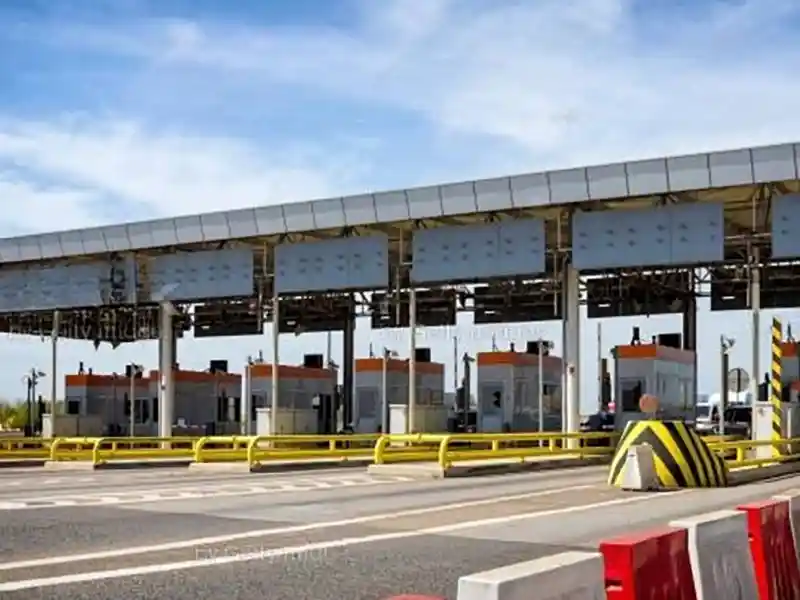
To encourage digital payments and reduce cash queues, MoRTH relaxed the earlier 2x toll penalty for non-FASTag users to just 1.25x on UPI payments, making UPI a practical alternative to cash. Between 15 November and 10 December 2025, toll plazas recorded over 15 lakh UPI transactions worth Rs 19.44 crore, while cash collection dropped 25 percent. Today, 98 percent of vehicles use FASTag, and the remaining gap is closing through incentives rather than penalties.
India is also moving towards barrier-free travel through Multi-Lane Free Flow (MLFF) tolling. The country’s first MLFF plaza has been awarded at Choryasi on NH-48 and will go live in 2026, with five more awarded. MLFF will allow vehicles to drive through at highway speed with automatic toll deduction, eliminating queues and fuel loss caused by stop-and-go movement.
MoRTH has also ensured commuters are not overcharged during highway upgrades. When a road is being widened from a 2-lane with paved shoulders to 4 or 6 lanes, users now pay only 50 percent of the earlier toll until completion. For example, if the toll was Rs 50 before construction, commuters pay Rs 25 while works continue. This policy balances transparency, fairness and user convenience.
To strengthen the FASTag ecosystem, MoRTH and NHAI introduced One Vehicle One FASTag, linked FASTag issuance with VAHAN to prevent fraud, imposed double fees for loose FASTags to maintain lane discipline, and expanded grievance redressal through the 1033 helpline, emails, banks and the RajmargYatra app.
These reforms may not always make headlines, but commuters experience them daily through shorter queues, predictable toll expenses, and smoother highway travel. The shift reflects how smart policy, digital innovation and user empathy can improve both public convenience and economic efficiency. For millions of Indians on the road, highway travel in 2025 became faster, cheaper and more comfortable — supporting ease of living and a better mobility experience nationwide.