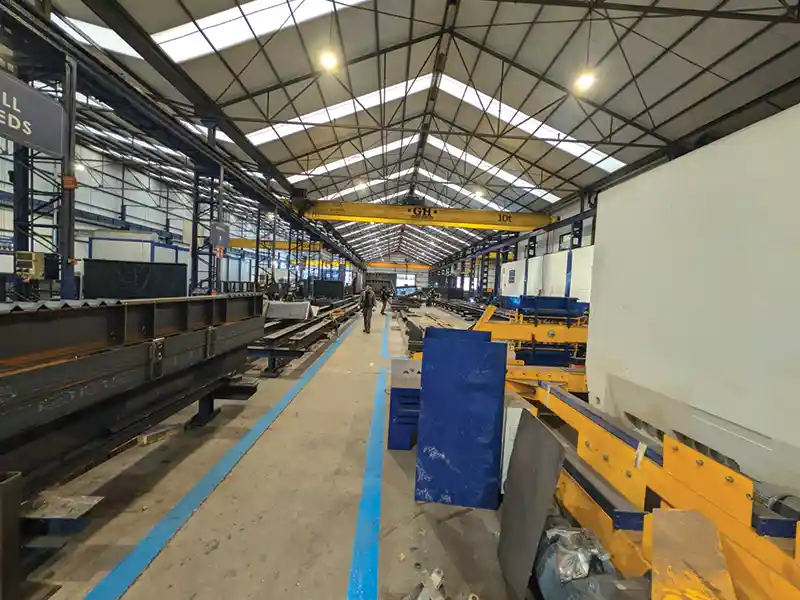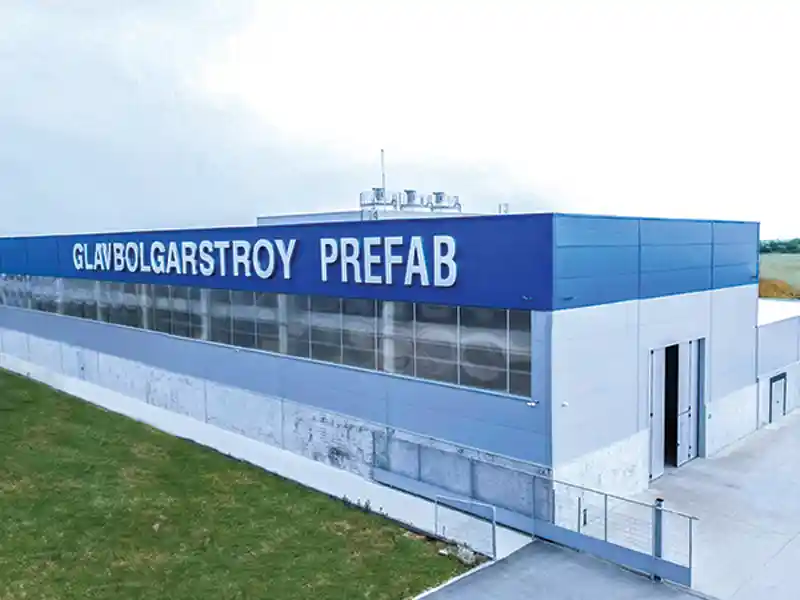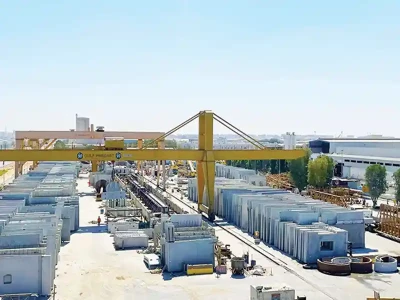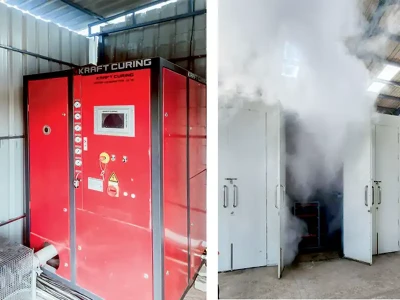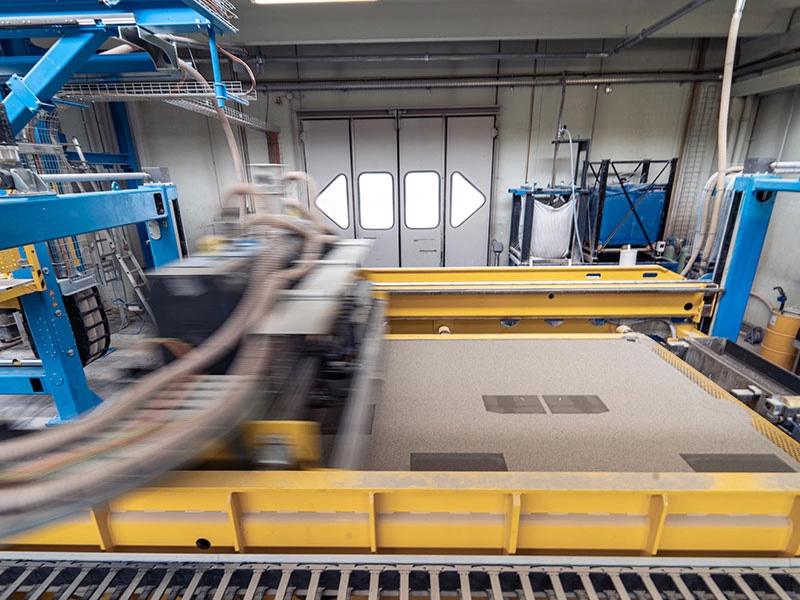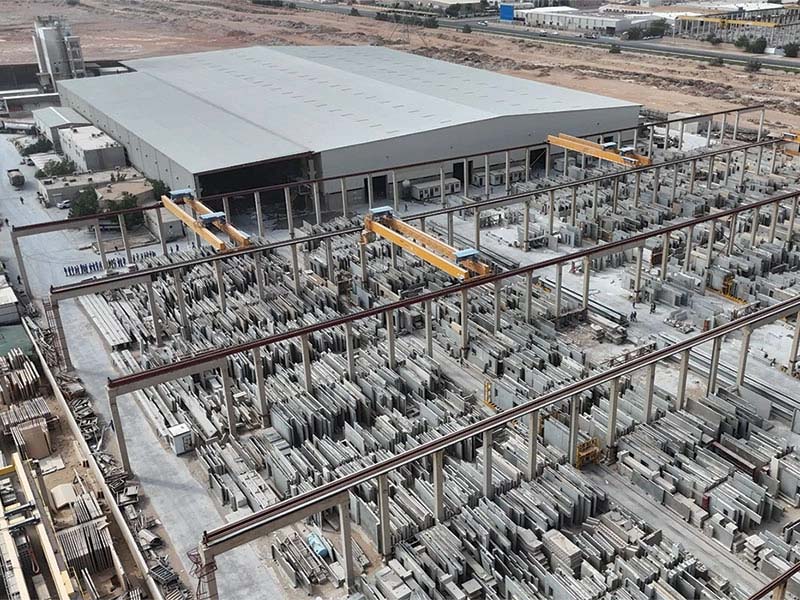
The future of construction lies in moving beyond site-intensive methods towards precision-engineered solutions. By combining advanced precast technology with standardized design, controlled manufacturing and faster on-site assembly, this approach can reduce labour dependence, shorten construction cycles and enhance quality. Elematic’s experience in precast technology, together with its focus on the Indian market, highlights the potential of industrialized construction to reshape project delivery across housing, transport and infrastructure.
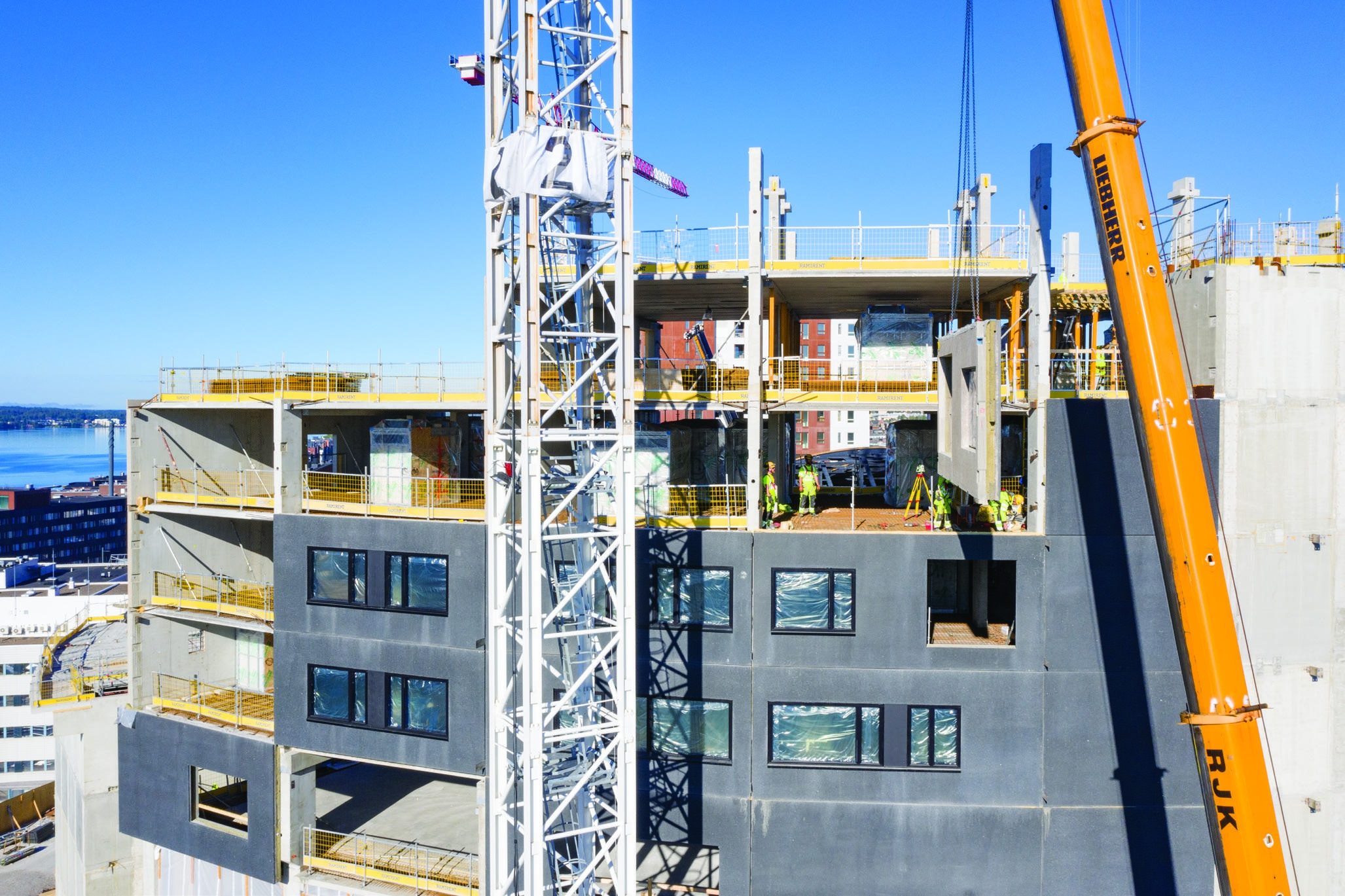
India’s construction sector is at a critical juncture. Rising demand for housing and infrastructure, persistent skilled labour shortages, project delays and mounting quality expectations are placing increasing pressure on conventional site-based construction methods. Against this backdrop, industrialized construction—where building components are manufactured in controlled factory environments and assembled on-site—is emerging as a compelling alternative.
Elematic, a global provider of precast concrete technology, is advancing this transition in India through precast and prefabrication solutions designed to address these structural challenges. By shifting key building processes off-site, the company reports that its approach can reduce on-site manpower requirements by up to 60% and enable slab cycles of five to seven days.
“Construction needs a fundamental shift from site-based building to industrialized manufacturing,” said Teppo Voutilainen, Chief Executive Officer, Elematic. “Treating the building process as a repeatable and scalable product allows us to deliver factory-made precision, zero-defect handovers, and significantly faster delivery timelines.”
Why Construction Needs a Fundamental Shift
The case for industrialized construction is being reinforced by workforce constraints, regulatory pressures and rising expectations from developers and homebuyers.“We see local governments already mandating more modern construction methods to address the challenges. A key issue is the persistent skilled labor shortage. Our clients report significant constraints not only in the sheer availability of labor, but also in the skill levels of the workforce,” Voutilainen said.

Regulatory requirements and the risks associated with delays and defects add to these challenges. “Local and central governments are imposing stricter requirements, for instance, Delhi enforces seasonal bans on construction during winter months to control pollution. A mandatory three-month shutdown is disastrous for both construction companies and developers. Finally, defect and delay risks are rising. When homebuyers invest their life savings only to encounter handover defects, the resulting complaints damage developer trust and reputation.”
These challenges underscore the need for construction methods that offer greater predictability, consistent quality and faster execution while reducing dependence on labour-intensive site operations.
Four Global Trends Accelerating Industrialized Construction
Four major trends are strengthening the case for industrialized construction.Urbanization and Housing Demand: Rapid urbanization and growing populations are increasing the need for housing and infrastructure, particularly in emerging markets such as India.
Low-Carbon Construction: The construction sector accounts for a substantial share of global carbon emissions and raw-material extraction, creating an urgent need for more resource-efficient construction methods, including precast concrete.
Demand for Higher Returns on Investment: Modular construction and off-site assembly can compress construction schedules by 20–50% compared with conventional methods, potentially enabling earlier project completion and faster returns on investment.
Structural Labour Shortages: Growing construction demand continues to place pressure on the availability of skilled labour, making workforce constraints a critical bottleneck in scaling up projects.
Together, these trends are strengthening the case for a shift from conventional building practices towards a more standardized, mechanized and scalable approach.
Engineering the Shift: Designing for Precast from Day One
Realizing the full potential of industrialized construction requires more than replacing conventional materials or individual building components. It calls for a fundamental change in how entire structures are conceived, engineered, manufactured and assembled.Elematic’s core design principles focus on integrating precast components into the structural design from the outset, maximizing the structural capacity of each element and leveraging proven, standardized designs rather than starting from scratch for every project.
Designing for precast enables the integration of design, manufacturing, transportation and assembly from the earliest stages. By incorporating precast wall panels, prestressed floor slabs and precast stair elements, projects can benefit from faster erection, the elimination of temporary shuttering and propping, reduced structural dead loads, and simpler foundation designs that can minimize excavation.
The company’s integrated volumetric solutions, such as the VAKIO Pod™, further simplify on-site installation. These ready-to-install, fully finished bathroom pods incorporate factory-installed tiling, fixtures and MEP (mechanical, electrical and plumbing) systems, reducing the finishing work required at the construction site.
Through these scalable solutions, Elematic aims to help Indian developers, contractors and infrastructure planners meet demanding project timelines while maintaining high standards of quality and sustainability.
Building India’s Industrialized Construction Ecosystem
Elematic’s strategy combines global precast technology expertise with localized manufacturing, engineering capabilities and closer integration with the Indian market.“As a leading supplier of precast concrete technology, machinery, and complete production plants worldwide, Elematic remains committed to helping construction companies globally build faster, safer, and more profitably through sustainable, efficient, and industrialized building solutions,” said Kishan Kumar Mehrotra, Chief Operating Officer, Elematic India.
He further explained how the company’s India-focused approach addresses the industry’s key challenges: “Elematic India delivers 'Make in India' construction solutions that directly solve five core challenges facing the industry today: reducing skilled labor requirements by up to 60%, cutting construction costs by nearly 50%, and halving project completion timelines while maintaining consistent factory quality. Ultimately, this means a significantly improved return on investment for developers and a sustainable building model for future generations,” he added.
Chander Dutta, Managing Director, Elematic India, highlighted the role of localization and manufacturing scale in accelerating adoption. “Finland brings world-class precast technology, while Elematic India builds scale through localized manufacturing, expanded engineering capabilities, and deep market integration. With 70 plants set up across the country and further expansion underway, mechanized construction is the key to delivering large-scale housing in India at unprecedented speed and repeatable quality.”
The opportunity extends across multiple construction segments. “The primary demand for precast construction will stem from railways, general infrastructure, housing, urbanization, and ports. Every category—whether industrial plants, commercial centers, residential properties, or port developments—can be built using mechanized construction methods, and Elematic possesses extensive expertise across all these sectors,” Dutta said.
Railway sleeper manufacturing offers a significant example of the potential for mechanized production. India's plans to modernize sleeper manufacturing facilities point to growing opportunities across rail infrastructure. Following the acquisition of Vollert, Elematic has expanded its railway sleeper manufacturing technology portfolio. As India upgrades its rail infrastructure to support higher operational speeds, demand for quality and consistency in sleeper production becomes increasingly important.
“Elematic leads the market in providing these advanced railway sleeper manufacturing solutions. Mechanized construction across all these sectors will be vital if India is to achieve its Viksit Bharat vision by 2047,” said Voutilainen.
Driving Transformation Through Collaboration and Design
Scaling industrialized construction also requires a broader ecosystem that brings together technology providers, designers, manufacturers and construction companies.According to Laura Hinkkanen, Global Head of Marketing and Communications, Elematic Finland, transforming construction requires a fundamental shift in how buildings are designed and constructed, with a focus on the complete building lifecycle rather than individual structural components in isolation.
“While Elematic has spearheaded this initiative in India, it also brought together world-leading specialized companies, mainly from Finland, to enable an industry-wide transformation. For example, Elematic introduced VAKIO’s collaborative ecosystem in the Indian market.”
The need for this transformation is particularly evident in the residential, commercial and retail sectors, where demand continues to rise.
Kishan Kumar Mehrotra emphasized that demand for new residential homes, office spaces and retail centres remains exceptionally strong, driven by rapid urbanization. “Meeting these ambitious targets with legacy methods is bound to fail. That is why Elematic, alongside partners in India and Finland, is committed to driving this transformation—delivering advanced construction methods tailored to support India's urbanization goals,” he said.
He also outlined three principles that can help unlock the benefits of precast construction: “It is essential to focus on design from the outset, ensuring that every element of a structure is designed using precast and prefabricated components rather than sub-optimizing through piecemeal solutions. Second, we must leverage the structural physics of these elements, maximizing the full strength and efficiency of each component. Finally, through proven designs we must build a reusable design library over time, making future projects significantly faster and more cost-effective to execute.”
Translating these principles into practice requires greater awareness and collaboration at the design stage. According to Elematic, many Indian architects are not yet fully familiar with the core principles of precast and prefabricated construction. Greater engagement at the design stage can help align architectural concepts with precast requirements, rather than relying on layouts that may be difficult to adapt to this construction method.
“To maximize the full benefits of precast, our teams must engage with clients early on—either by adjusting architectural plans or collaborating directly with architects to guide them on optimal precast design criteria,” said Kishan Kumar Mehrotra.
Early engagement between architects, engineers and precast specialists can therefore play a crucial role in making designs more compatible with industrialized construction and improving execution efficiency.
India’s Precast Opportunity: From Low Adoption to Large-Scale Growth
The contrast between established precast markets and India's current level of adoption highlights the potential for growth.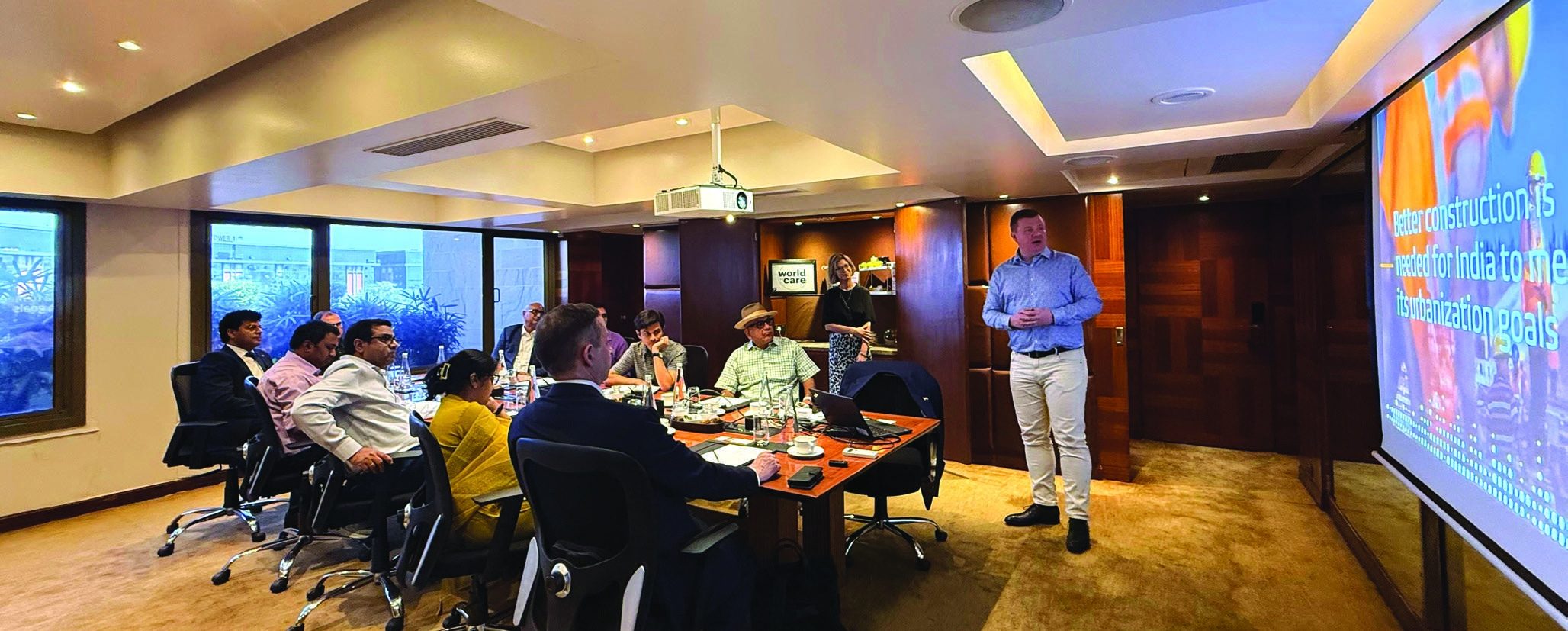
Laura Hinkkanen noted that precast concrete is well established in Finland, while adoption in India remains at an early stage. She sees significant scope for expansion as urbanization accelerates and the demand for housing and infrastructure grows. China’s decades-long construction boom has matured, while India’s continuing development presents an opportunity for precast technology to expand in one of the world’s largest construction markets.
For Elematic, this opportunity goes beyond supplying technology to the Indian market. It also presents the possibility of building localized manufacturing and training capabilities that can support domestic demand and create expertise for international markets.
“India is a prime market for Elematic to establish localized manufacturing capacities and dedicated skilling centers which can deliver at scale. Mastering this scale-up in India’s highly competitive environment can create an operational capability that can subsequently be exported to other global markets.”
The demands of the Indian market could also serve as a proving ground for precast construction technologies.
“Indian clients expect speedy execution of projects due to intense price competition. Proving that precast construction methodology can deliver in such a demanding market will allow the technology to be replicated anywhere in the world.”
Despite this potential, the adoption of precast construction in India continues to be influenced by structural and regional considerations, particularly seismic design requirements. The need to address region-specific seismic conditions has shaped the pace and nature of adoption across different markets.
Across India, adoption varies with regional market conditions, project requirements and structural design considerations. In North India, including Delhi, seismic design requirements can influence the selection and engineering of structural systems for high-rise buildings. However, precast concrete has been used in seismic regions worldwide across a range of building types, demonstrating that its suitability depends on appropriate structural systems, carefully engineered connections and compliance with applicable seismic design requirements.
Meanwhile, precast construction is gaining traction in various applications across South India and Mumbai. Developers such as Godrej are also using precast construction for two- to three-floor parking structures and podiums, demonstrating opportunities to extend its use across a wider range of building applications.
The Road Ahead: Scaling Productivity, Quality and Sustainability
India is entering a period of significant construction activity, driven by rising demand for housing, infrastructure and urban development. As the sector expands, it faces mounting pressure to improve productivity, manage labour availability, deliver projects faster, maintain consistent quality and control costs.Elematic estimates that the precast segment in India is growing by 9–12% annually, pointing to considerable scope for wider adoption as the market evolves.
The company’s approach centres on combining advanced precast technology with localized manufacturing, stronger engineering capabilities, design standardization and industry-wide collaboration. By integrating these elements, industrialized construction has the potential to address several persistent challenges associated with conventional building practices.
The scale of India’s infrastructure and housing ambitions will require construction methods capable of delivering speed, repeatable quality and efficiency across large volumes. The opportunity, therefore, is not simply to introduce precast technology, but to embed industrialized construction more deeply into the way projects are designed and delivered.
As India works towards its Viksit Bharat vision for 2047, the ability to scale such methods could become an important factor in meeting the country’s long-term construction and infrastructure requirements.