
ITA WTC 2025 Stockholm: Underground & Tunnelling Innovations
WTC 2025, held at Stockholm, Sweden, showcased the latest innovations in underground and tunnelling construction technologies and engineering, which are setting higher standards in technical excellence, and sustainability for the industry, while strengthening international collaboration. NBM&CW, a special invitee, presents insights and outcomes of this prestigious global event.
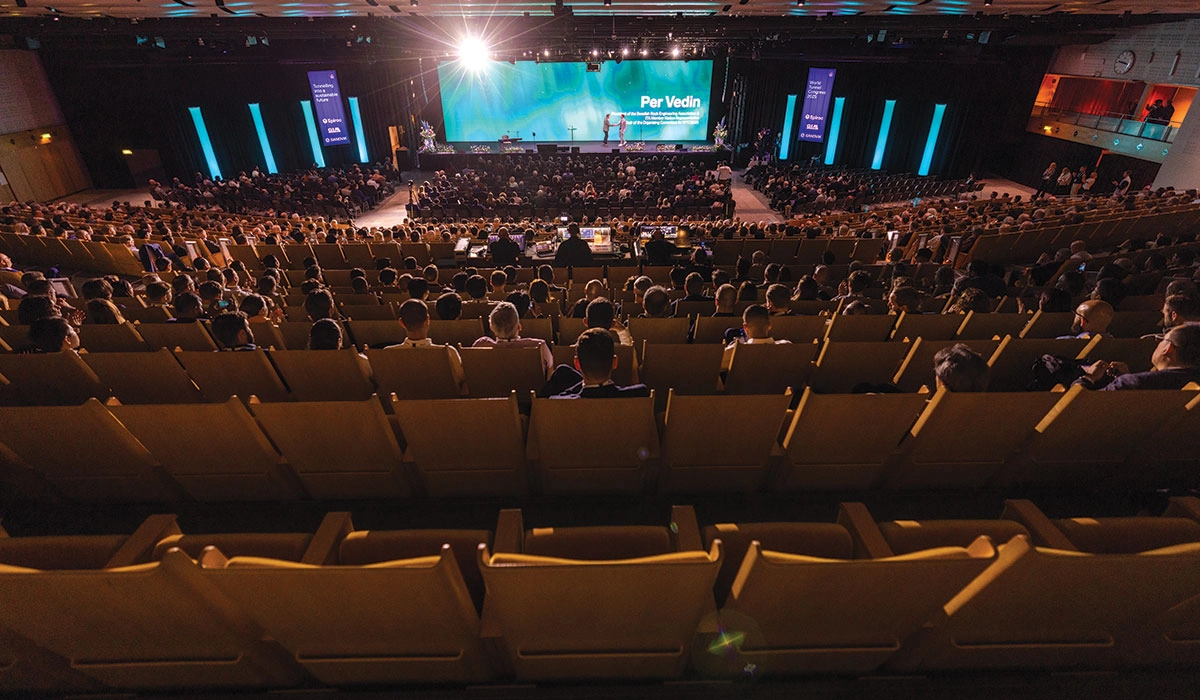
The World Tunnel Congress 2025 was concluded on May 15, 2025, after a week-long gathering of global tunnelling experts, stakeholders, and professionals. Held at the Stockholmsmässan Congress Centre, it was organized under the theme “Tunnelling into a Sustainable Future”, attracting around 3,000 attendees, 160 exhibitors and 500 technical papers from across the world.
A program of presentations, poster sessions, technical site visits, and a gala dinner, created numerous opportunities for knowledge sharing and networking. The focus on integration of sustainability into tunnelling and infrastructure development saw several presentations and discussions aligned with the United Nations Sustainable Development Goals (UN SDGs).
Opening Ceremony and Muir Wood Lecture (Plenary)
Johan Wester, an experienced comedian and social actor, moderated the opening ceremony. With more than 30 years of experience as an artist, author, and entrepreneur, Johan provided a captivating introduction and set the tone for the Congress.
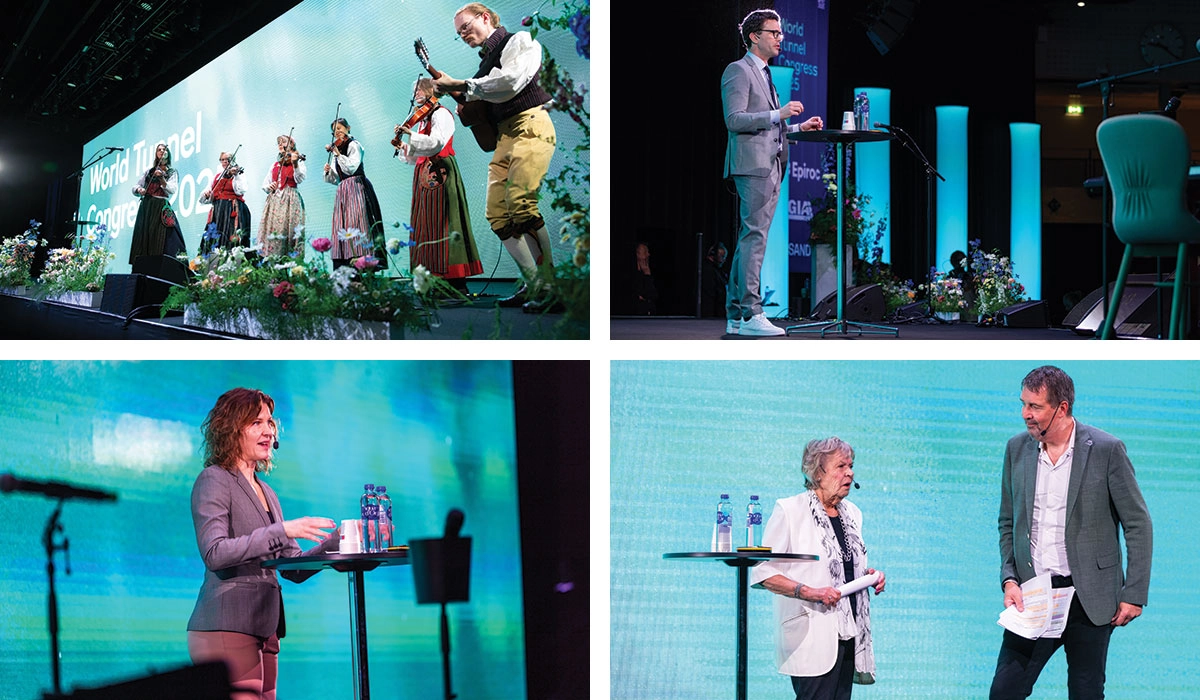
Opening Speech by Nina Larsson, Minister for Gender Equality and Working Life
Nina Larsson addressed the international audience, highlighting Sweden’s commitment to workplace safety, equality, and sustainable labor practices—especially relevant to the tunneling and infrastructure sectors. She emphasized that eliminating workplace fatalities is a top priority for the Swedish government and pointed to systemic failures in work environment management as frequent causes of accidents.
To combat this, Sweden’s government has increased funding for the Swedish Work Environment Authority to conduct more inspections and enforce regulations. Larsson further underscored the nation’s crackdown on “workplace crime” through the creation of seven regional centers and stronger inter-agency coordination involving nine government bodies to curb fraud and unsafe labor practices.
She stressed that all employers must compete fairly, and no company should gain market advantage through unsafe or illegal labor practices—especially in high-risk sectors like tunnelling. She outlined Sweden’s National Work Environment Strategy (2021–2025), which advocates a holistic approach to occupational health—addressing physical, psychological, social, and organizational factors. The strategy includes initiatives to eliminate work-related deaths and long-term health hazards from exposures such as noise, vibration, chemicals, air pollution, and stress.
As Minister of Gender Equality, Larsson applauded the tunnelling industry’s steps to promote women’s inclusion, noting that diverse and inclusive workplaces drive economic growth and help attract the next generation of talent. She urged companies to foster environments where all individuals—regardless of gender or ethnicity—feel valued, emphasizing that this not only meets ethical and legal obligations, but also strengthens innovation and sustainability. She concluded by thanking the tunnelling community for its vital contributions and reinforced Sweden’s ongoing commitment to workplace integrity, safety, and inclusion.
Welcome Address by Per Vedin, President of Swedish Rock Engineering Association & ITA Member Nation Representative
Per Vedin welcomed all delegates, expressing the honor of hosting WTC 2025. He reflected on the challenges and commitment since the pandemic began, and acknowledged the spirit of resilience and renewal, embodied by the ITA community. He emphasized the non-profit, non-political nature of the Association, driven by passion.
He thanked the many contributors—planners, speakers, reviewers, ITA Working Group members, and supporters—recognizing that the congress belongs to the people involved. He encouraged participants to value human connection as much as technical learning, referencing the Swedish tradition of “fika” as a metaphor for shared moments.
Vedin concluded by urging delegates to see WTC 2025 as a kickoff for the next 50 years of tunnelling progress, with Sweden as the perfect place to begin this journey.
Historical Insights by Annica Nordmark, Swedish Tunnelling Ambassador & Former Executive Council Member of ITA
Annica Nordmark reflected on Sweden’s historic role in international tunnelling. She recalled the 1970 OECD conference that first put subsurface space on the global agenda and Sweden’s involvement as a founding ITA member. She noted the leadership of early ITA Presidents including Sir Alan Muir Wood and Sweden’s Professor Hans-Karl Stagg.
She highlighted Sweden’s hosting of the first International Symposium on Subsurface Utilisation in 1977 and her personal involvement in ITA governance. Annica underscored Sweden’s continued engagement and its Working Groups that advance underground solutions to environmental challenges.
Sharing a historical insight, she mentioned Albert Mathieu’s 1798 design for an English Channel tunnel, pioneering ventilation concepts far ahead of their time, culminating in the 50km long subsea railway connection between UK and France opening in 1994.
Insights by Tristan Jones on Mining and Tunnelling Innovation Ecosystem
Sharing insights on the crucial role of innovation in mining and tunnelling at WTC 2025, Jones said, “Many of you may not have heard of us, but we operate the two largest underground iron ore mines in the world, both located in northern Sweden.” He explained that mining, like tunneling, is driven by the need for safety, productivity, speed, cost-efficiency, and adaptability in challenging environments—requirements that constantly push the industry innovation.
Jones described the mining sector as a natural incubator for new technologies, where innovations are quickly brought into production and later adopted and refined by the tunnelling industry. He emphasized that this cycle of innovation is supported by academia and suppliers, who act as the driving force behind research and development. “They are the glue,” he said, acknowledging their critical contribution to industry progress.
Referencing Sweden’s leadership in underground technology, Jones encouraged attendees to explore the exhibition hall to witness the innovations firsthand. He concluded with a call to action: urging participants to connect with peers from different industries, share ideas, and spark new thinking. “Talk to someone outside your field—those conversations can lead to the next big breakthrough,” he said, reinforcing the collaborative ethos of the Congress.
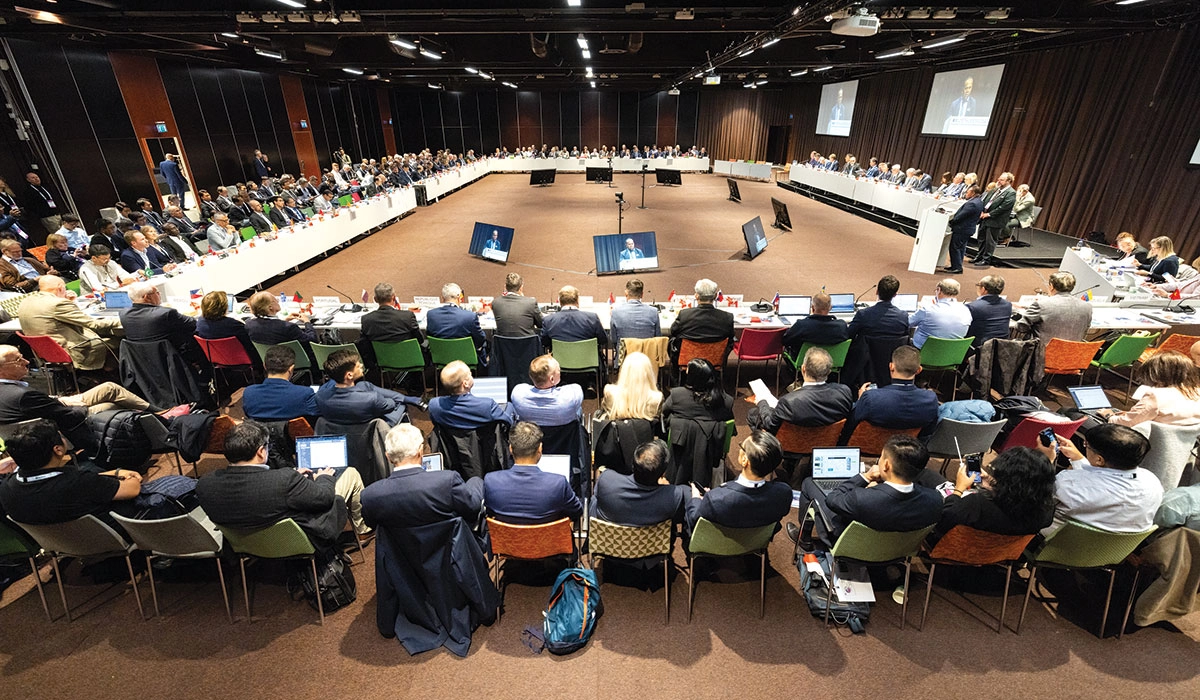
Observations by Arnold Dix, President, ITA
Arnold Dix emphasized the critical role the ITA plays in uniting global professionals, fostering innovation, and encouraging collaboration across nations and sectors. He highlighted the importance of the ITA World Tunnel Congress as a platform for sharing ideas that drive the tunnelling industry forward. “If the ITA didn’t exist, if the ITA didn’t bring people together, maybe you and I wouldn’t exist,” he remarked, underscoring how essential tunnelling is to daily life. He reminded attendees of the unseen infrastructure underpinning modern society—from clean water and sanitation to underground transportation—“that train you go on underground, that’s us.”
Arnold spoke passionately about the values defining the tunnelling community: solidarity, trust, and shared responsibility in a dangerous working environment. “When the lights go out underground, everyone knows they can rely on the person next to them,” he said, highlighting the unique camaraderie within the industry. He described the community as “people who actually do stuff,” noting that while the world is full of talkers, tunnelling professionals deliver real-world impact. To newcomers and first-time attendees, Dix offered a simple but powerful advice: “Talk to people you normally wouldn’t feel comfortable talking to. You’ll be surprised how our common vision unites us.”
Perspectives by Helen Roth, Executive Director, ITA
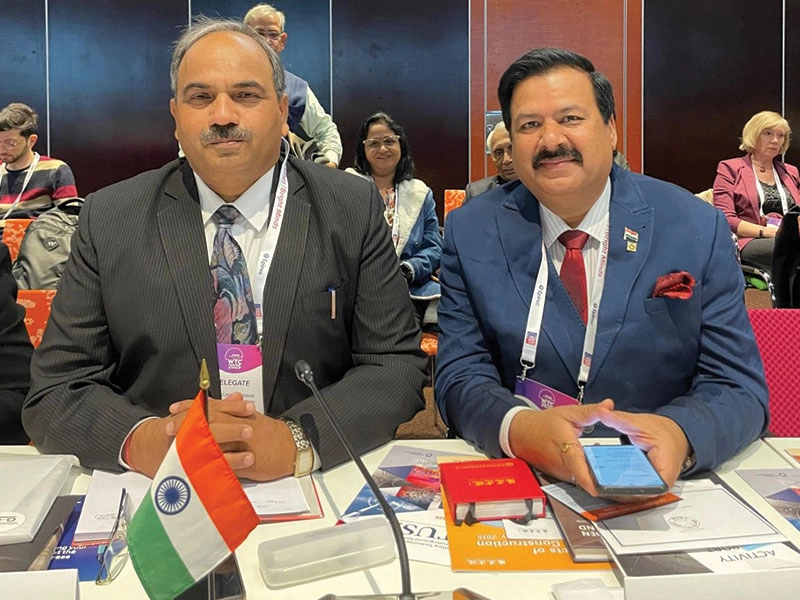
Helen Roth brought a dynamic perspective with her background in journalism and innovation. Recalling her journey into tunnelling in 2014, she described it as being “trapped in the best family,” highlighting the warmth and inclusivity of the global tunnelling community. She stressed that collaboration across borders and disciplines is essential to achieving meaningful progress, pointing to the vital roles of clients, contractors, suppliers, and researchers.
She emphasized interdisciplinary learning, noting that professionals from diverse fields—including social science and mining engineering—can contribute to underground solutions for a better world. “We are on the same team,” she said, echoing the shared vision uniting WTC participants. She reflected on the powerful human connections formed at the event, recounting moments of reconciliation and friendship even between people from nations in conflict. “That’s what gives me optimism,” she said.
She praised the WTC for offering something for everyone, from technical sessions to networking over Swedish cinnamon buns, and expressed heartfelt gratitude to the local organizing committee for their tremendous effort. “It’s really hard work to arrange an event like the ITA World Tunnel Congress,” she said, acknowledging the dedication and voluntary spirit fueling the success of the ITA and its flagship event.
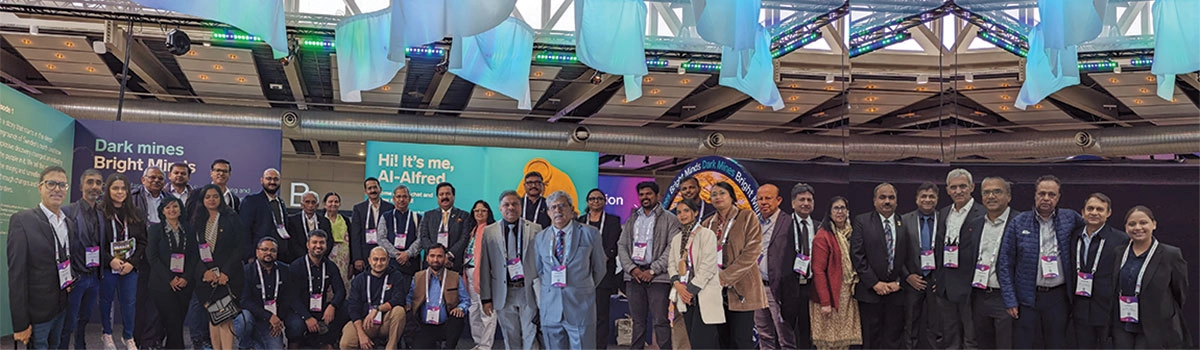 Delegation from the Tunnelling Association of India at WTC 2025
Observations by Johan Brantmark, Chair, WTC 2025 Organising Committee
Johan Brantmark welcomed delegates to Stockholm, emphasizing the city’s largest public transport expansion since the 1970s, which includes six years of tunnelling and blasting to extend the subway network. He highlighted Sweden’s commitment to environmental and social sustainability in infrastructure development, particularly in addressing the global challenge of shifting people from cars to public transport. He stressed that public transport must be both efficient and pleasant to encourage this shift.
Brantmark underscored the importance of collaboration between academia, industry, and the public sector—the “triple helix” model—as essential for fostering innovation and developing sustainable underground solutions. He introduced the “Think Tank” sessions, designed to promote interactive discussions and generate new ideas using AI-driven support.
Praising the scale and participation of WTC 2025, he noted the presence of more than 3,000 attendees, 500 technical papers, and 160 exhibitors. He acknowledged the contributions of more than 300 individuals involved in organizing the Congress and encouraged delegates to actively engage in sessions, networking, and knowledge sharing to drive the tunnelling industry forward.
Insights by Heinz Ehrbar, Speaker, Muir Wood Lecturer 2025
Heinz Ehrbar’s presentation addressed critical project challenges including safety, environmental impact, acceptance, and technical quality, noting these areas are often underperforming despite their importance. He examined the “chicken and egg” dilemma of whether cost overruns cause conflicts or vice versa, advocating for simple evaluation systems to identify key success factors.
Comparing 25 German projects with 45 Swiss projects from 1980 to 2021, he noted German projects performed slightly better on budget and schedule, while Switzerland excelled in occupational health and safety, prompting national safety initiatives.
Historical case studies highlighted major advances in safety and environmental protection over the last 150 years, with examples such as the Louis Favre tunnel in Switzerland (1872–1882), the Simplon Tunnel (1893) showcasing early adoption of electric traction, and the Gothard Road Tunnel’s contrasting joint ventures demonstrating project culture impacts.
He emphasized that human error remains the greatest risk in construction and that technology combined with appropriate contracts improves efficiency. Current sustainability challenges include circular economy principles for material reuse, biodiversity preservation, and early stakeholder coordination.
Occupational health and safety targets such as Target Zero have been successful in projects including the Crossrail project in London, UK. Economic challenges persist, with new partnership contracts emerging to better allocate risks.
Ehrbar concluded that success depends on respect for tasks and environment, placing the right people in roles, cooperation, and diligent execution. He quoted a German engineer’s formula on quality, human resources, communication, and ambition. The future of tunnelling lies in collaborative mindsets and shared responsibility for sustainable outcomes.
ITA 51st General Assembly Highlights
- New ITA President: Andrea Pigorini (Italy), with a three-year term starting 2025
- New Vice Presidents: Klaus Rieker (Germany, 1st VP), Sanja Zlatanic (USA), Damian McGirr (UK)
- New Executive Council Members: Elena Chiriotti (France), Nobuharu Isago (Japan), Zhigou Zhang (China), Hamdi Aydin (Turkey), Johan Mignon (Belgium)
- New Executive Director: Helen Roth (first GA in this role)
- New Member Nation: Papua New Guinea, the 81st member nation of ITA
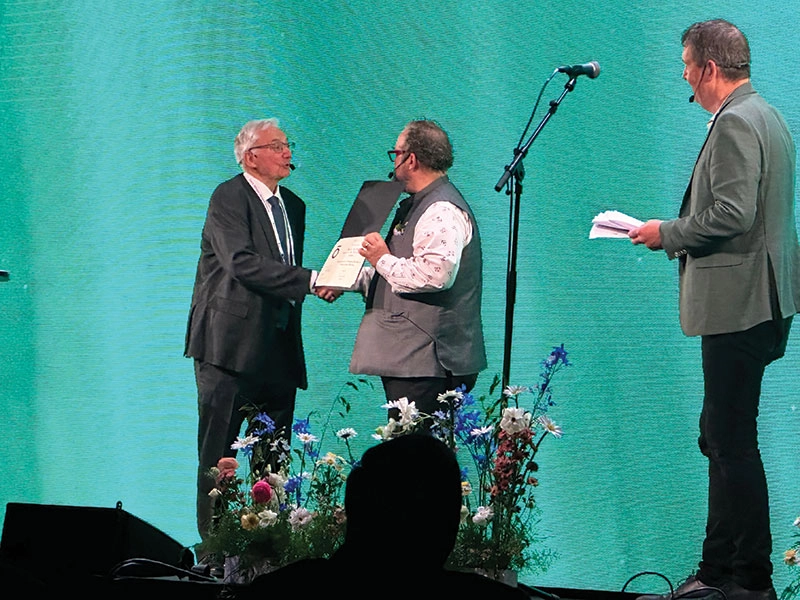
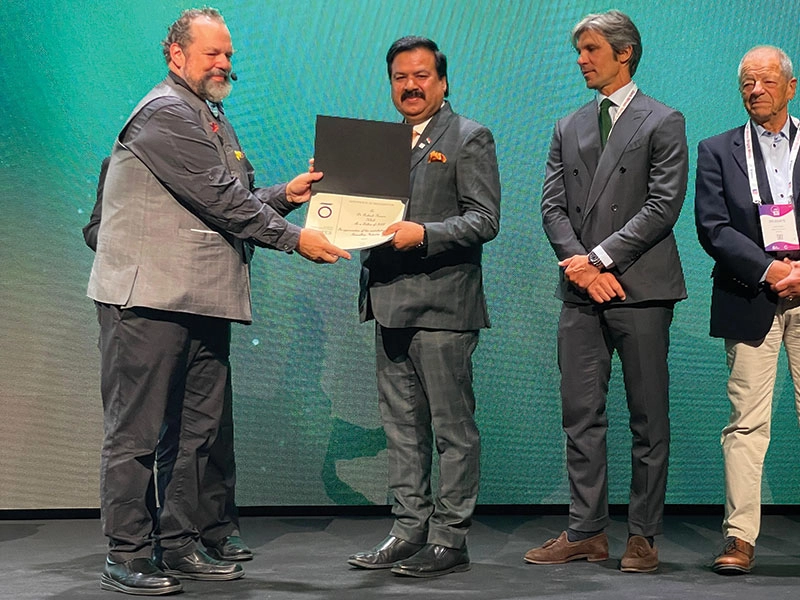
- ITA Fellows Honoured: Ray Stirling (USA), Rakesh Kumar Khali (India), Giuseppe Lunardi (Italy), Kari Korpela (Finland), Randall Essex (USA)
- Upcoming Congress Hosts: Montréal (2026), Antwerp (2027), Singapore (2028, narrowly winning the bid)
- Outgoing President: Arnold Dix (Australia) to Immediate Past President role for three years
ITA 51st General Assembly
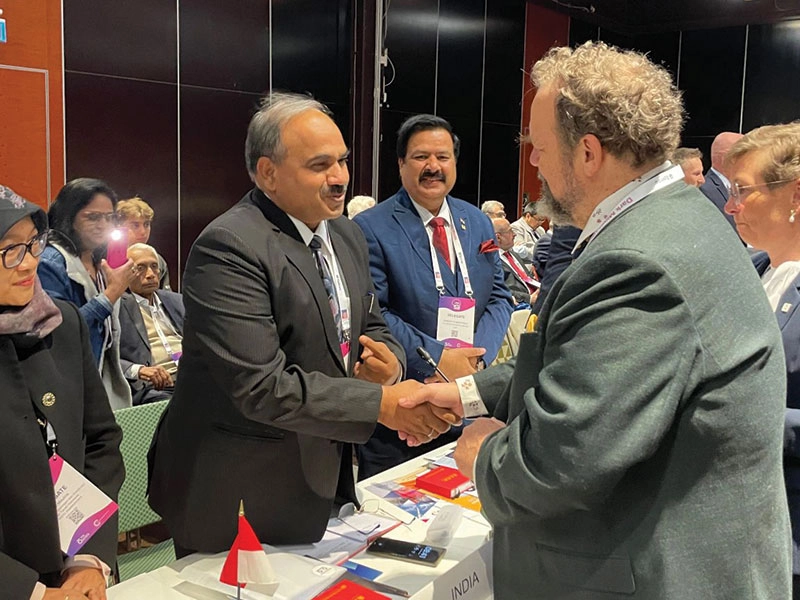
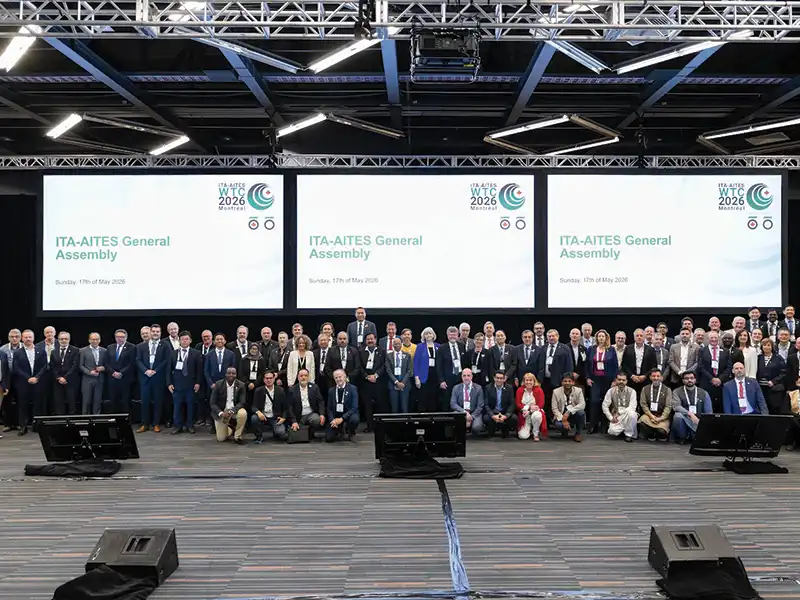
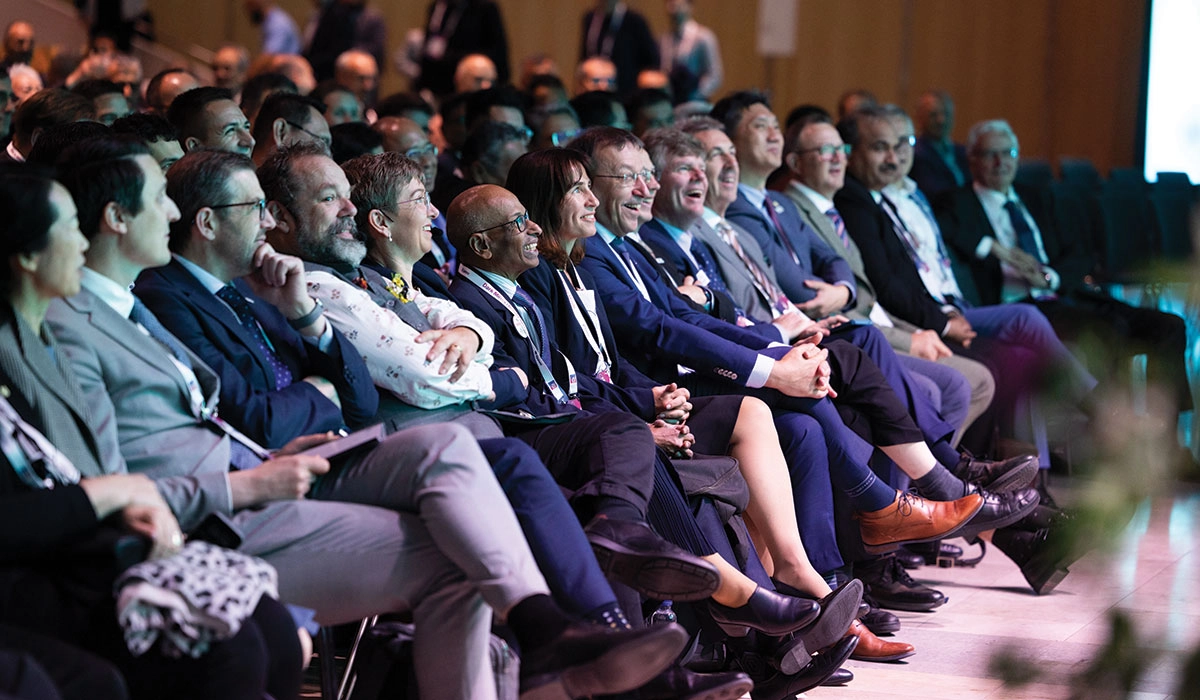
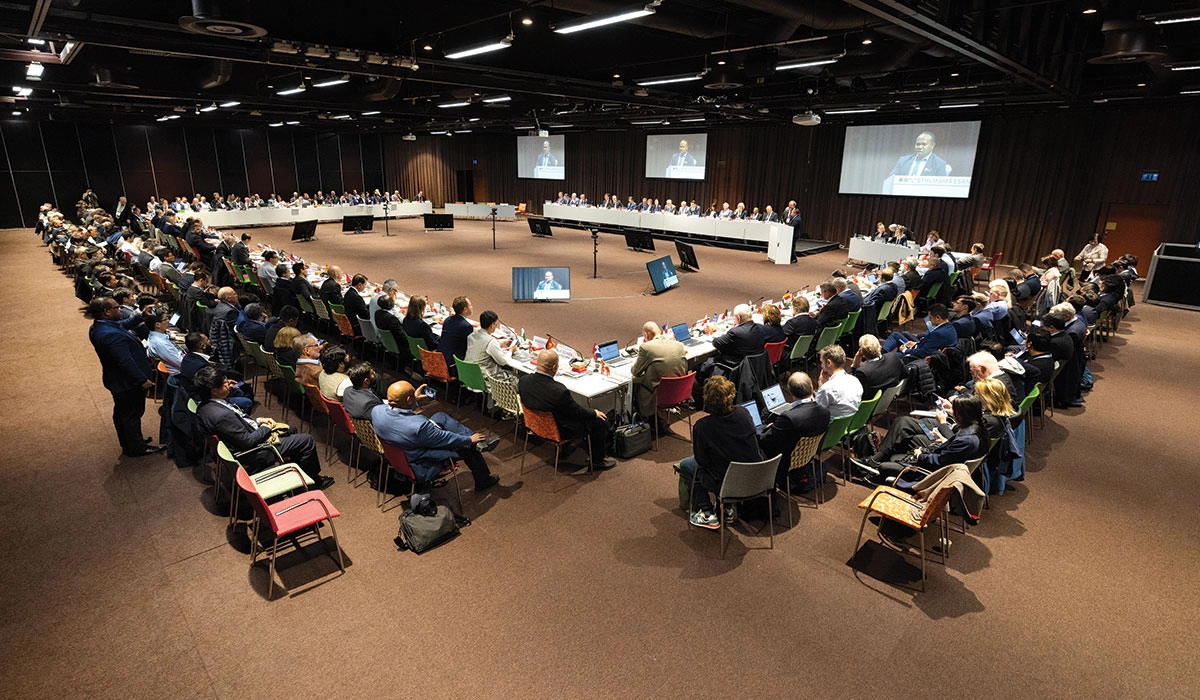
A key highlight of the 51st General Assembly of the International Tunnelling and Underground Space Association (ITA), was a significant period of transition for the organization. With a quorum of Member Nations present, the Assembly ratified major leadership appointments and organizational changes. Andrea Pigorini of Italy was elected ITA President for the 2025–2028 term, succeeding Arnold Dix, who now serves as Immediate Past President on the Executive Council for the next three years. The new Vice Presidents elected to the Executive Council include Klaus Rieker of Germany (First Vice President), Sanja Zlatanic of the USA, and Damian McGirr of the UK. Additionally, five new members joined the Executive Council: Elena Chiriotti (France), Nobuharu Isago (Japan), Zhigou Zhang (China), Hamdi Aydin (Turkey), and Johan Mignon (Belgium).
Helen Roth assumed the role of ITA Executive Director, with WTC 2025 marking her first General Assembly in this capacity. The Assembly also welcomed Papua New Guinea as the 81st Member Nation of the ITA. Former ITA President Jinxiu “Jenny” Yan (2019–2022) was appointed as Adviser to the ITA and Executive Council. Further, five tunnelling professionals were honoured as ITA Fellows for their exceptional contributions to the industry: Ray Stirling (USA), Rakesh Kumar Khali (India), Giuseppe Lunardi (Italy), Kari Korpela (Finland), and Randall Essex (USA).
Looking ahead, Singapore (narrowly) won the bid to host WTC 2028 by a margin of two votes. Upcoming Congress venues were also confirmed: Montréal, Canada will host WTC 2026, followed by Antwerp, Belgium in 2027.
Insights from ‘Tunnelling Association of India’ Leaders
R.K. Dhiman, President, Tunnelling Association of India (TAI) on India’s Tunnelling Outlook and Knowledge Exchange
The World Tunnel Congress 2025 is a significant event for India, especially as the country plans more than 3,000km of tunnelling in the next five to seven years. Planning and investigations for these projects are already underway. The insights gained through interactions with international firms will help optimize both costs and timelines. With more than 60 Indian participants attending this year’s Congress, advanced tunnelling knowledge will be disseminated widely across India, strengthening national expertise in underground construction.
He said that TAI prioritizes knowledge dissemination and has a strong focus on safety. “TAI has created a registry of tunnelling experts on its website, encouraging engineers to register and share expertise to be called upon as needed. Collaboration with academic institutions like the IIT is also underway to share ongoing research that will enhance safety and cost optimization.”
He extended his heartiest congratulations to R.K. Khali on receiving the prestigious ITA Fellow award, highlighting this as a proud moment for India’s tunnelling community. “This recognition will inspire professionals nationwide and further boost tunnelling activities,” he said.
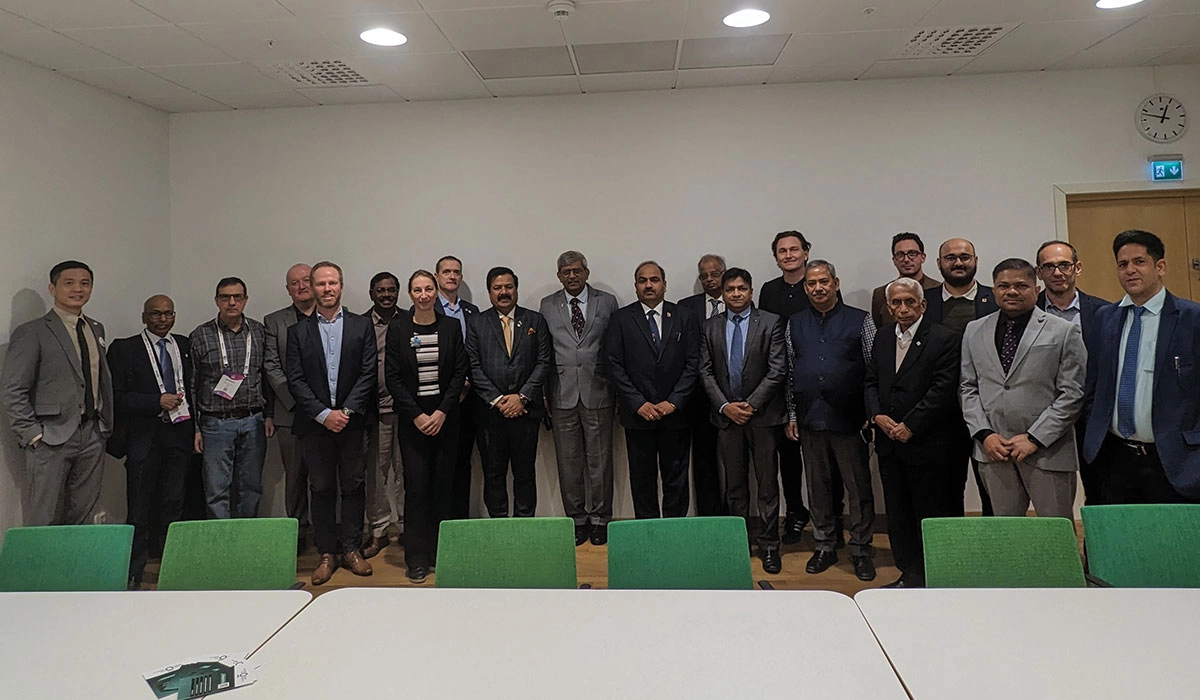
R.K. Khali, Vice President, TAI, on the value of ITA Working Groups and the Way Forward
The ITA offers a vital platform for tunnel engineers through its dedicated Working Groups addressing various tunnelling methods and challenges. Experts from 81 member countries contribute, with high-quality resources freely available for members, facilitating global knowledge exchange.
India should consider forming similar expert groups to reach remote sites for hydropower and rail projects, spreading awareness among engineers and field personnel. Adapting ITA recommendations to Indian ground realities will help build a strong foundation of skilled professionals, with developing a capable ground-level workforce as a primary goal.
He said that he was honored to receive the ITA recognition after 22 years of active involvement and attending every World Tunnel Congress since 2002. This award reflects his lifelong dedication to tunnelling and commitment to sharing knowledge.
Proposal for Establishing an ITA Asia–Pacific Regional Chapter
A session on the formation of an ITA Asia–Pacific Regional Chapter brought representatives from member nations to deliberate on enhancing regional collaboration in tunnelling and underground construction. The session was chaired by R.K. Dhiman, President, TAI, R.K. Khali, Vice President, TAI, Lt Gen Raghu Srinivasan, Director General of the Border Roads Organisation (BRO), and K.K. Singh, Director, CPIB. The discussion underscored the growing need for a unified regional platform that facilitates exchange of knowledge, fosters innovation, and supports sustainable underground infrastructure development.
India, through TAI, offered to take the lead in the initial phase of this initiative. A proposal was made to establish a steering committee with representatives from all participating countries to guide the chapter’s development. This inclusive and collaborative governance model is intended to ensure equitable participation, define common objectives, establish realistic milestones, and implement joint initiatives across the region.
R.K. Dhiman, in his address, emphasized that the Asia–Pacific region is poised for large-scale growth in tunnelling and underground construction, and there is a pressing need to collectively harness technological advancements while addressing region-specific challenges. He stated that this regional chapter could serve as a catalyst in building a technically advanced, sustainable, and safety-driven tunnelling ecosystem.
He noted that advanced tunnelling technologies, such as mechanized and hybrid techniques, need to be effectively adopted to ensure both quality and speed in delivery. He underlined the importance of cost optimization, particularly in remote and hilly regions, to make tunnelling a viable solution for broader infrastructural development. He emphasized that this regional collaboration must not only aim for engineering excellence but also strive for socio-economic upliftment through strategic infrastructure creation.
R.K. Khali supported the proposal, noting the importance of establishing institutional frameworks that can foster continuous engagement and learning across borders. He called for regular interactions through workshops, capacity-building programs, and knowledge-sharing platforms to strengthen the technical capabilities of engineers across the region.
Lt. Gen. Raghu Srinivasan, drawing from his experience in leading the BRO, shared real-world insights into tunnel construction in India’s most challenging terrains. He recounted the collaborative efforts during the Silkyara tunnel rescue operation in the Himalayas, where a multidisciplinary approach involving engineers, scientists, geologists, and military specialists helped achieve a successful outcome. He emphasized that such operations highlight the need for structured knowledge sharing and rapid access to expertise across the region.
He advocated for the creation of a common digital platform that allows member countries to share short, visual case studies, highlighting real problems and practical solutions, which would be more impactful than lengthy technical documentation. He endorsed the strength of ITA’s working groups and proposed that similar knowledge forums be developed at the national level to contextualize global guidelines for local applications, particularly in remote projects such as hydropower and metro developments.
The regional chapter is envisioned to serve as a hub for fostering interaction among member nations, promoting the adoption of tunnelling technologies, and supporting the professional development of engineers, designers, and field personnel through targeted knowledge-sharing initiatives. It also aims to address region-specific challenges such as complex geologies, environmental sustainability, regulatory inconsistencies, and skills gaps.
To initiate the process, several immediate steps were proposed such as finalizing the participation of member countries and confirming national representatives, developing a comprehensive roadmap for the chapter’s activities and structure, and organizing the first regional conference or workshop within the next year.
TAI announced its plan to host the inaugural “Tunnelling Asia Month” in November 2025 and extended an invitation to all regional stakeholders to join the initiative. In addition, digital platforms will be developed to support continuous engagement and collaboration among participants.
TAI, on behalf of this regional effort, called for the support and endorsement of all ITA member countries within the Asia–Pacific region. Each country was requested to nominate a representative to be part of the founding committee and contribute to shaping the chapter’s vision and trajectory. This initiative aspires to create a collaborative and resilient tunnelling community in the Asia–Pacific, enabling the region to meet its infrastructure goals through innovation, cooperation, and sustainable development.
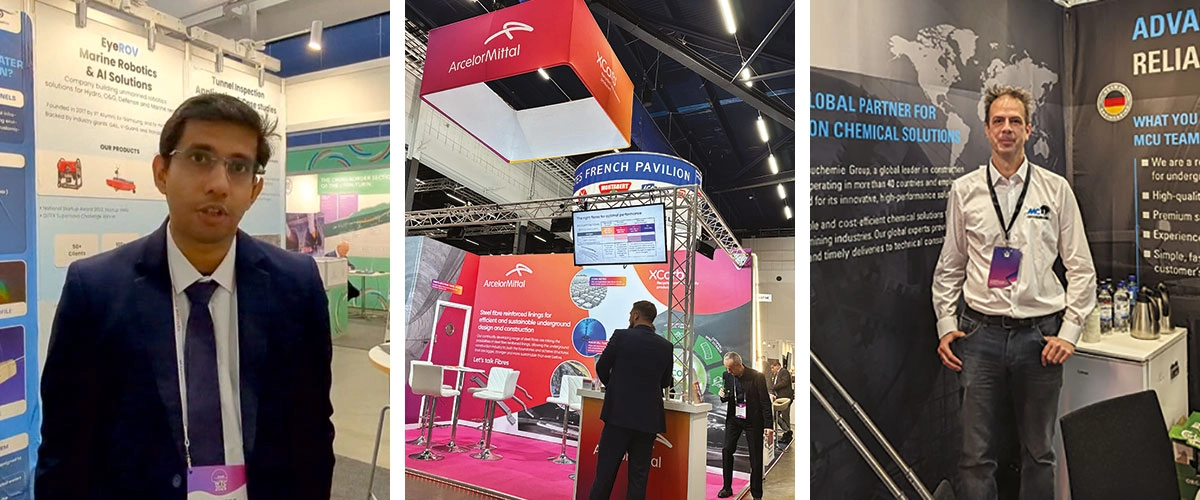
Exhibitor Highlights at WTC 2025
Leading companies showcased break- through technologies redefining underground construction. From advanced materials and robotics to digital automation and curing systems, these innovations are boosting efficiency, safety, and sustainability across tunnel projects worldwide. Interest from visitors was particularly strong in the areas of automation, durability, and data-driven quality control.
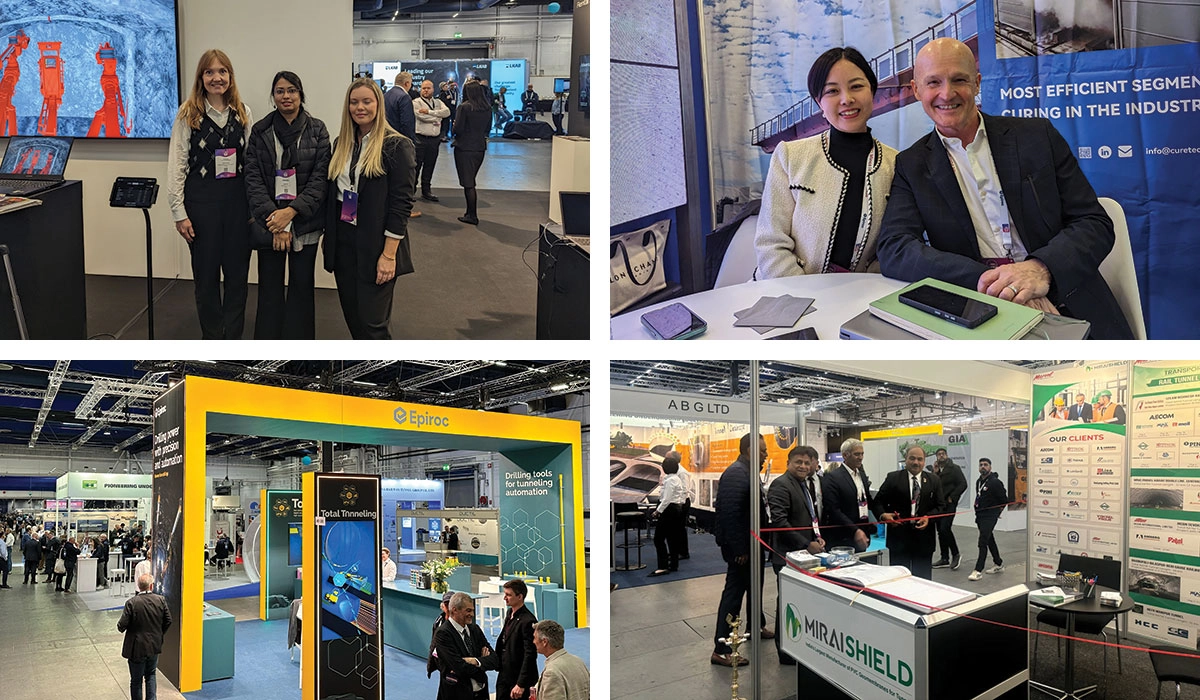
Emily Neil, Marketing Manager, and Sirpa Launis, Product Manager, Tunneling Underground Drilling, Sandvik, informed that the company showcased a comprehensive suite of underground drilling and digital solutions aimed at optimizing tunnelling operations. They introduced Sandvik’s flagship — the DT923i tunnel jumbo—alongside a range of digital innovations, reflecting the company’s deep commitment to automation, safety, and operator training.
Key highlights included Sandvik Digital Services: the Digital Driller training simulator, the SanRemo Smart Manager platform, and the iSURE® Tunnel Navigation and Drilling Control System. These tools collectively enable end-to-end optimization of the drilling process from planning and navigation to execution and real-time performance monitoring. Designed to reduce downtime and enhance precision, Sandvik’s solutions underscore its role as a global leader in the digital transformation of underground construction.
Ulf Sundberg, Global Business Develop- ment Manager – Underground Civil Construction & Tunnelling, Epiroc, informed that the company is offering integrated solutions, including digitalization and connectivity, for safer, smarter, and more sustainable tunnelling operations. The company demonstrates how connected equipment and data-sharing platforms streamline underground workflows, improve operational safety, and boost project efficiency.
Epiroc’s tunnel-focused product lineup supports clients across the globe in meeting the industry’s increasing demands for resilience, sustainability, and technological integration. The company is helping tunnelling stakeholders navigate the evolving challenges of infrastructure development by delivering smart, robust, and future-ready equipment.
André Dienst, Managing Director, CureTec, presented the company’s latest advancements in curing technology, aimed at addressing durability and quality demands in tunnel and infrastructure projects. Central to the showcase was the CureControl system—an intelligent solution that maintains optimal curing conditions and delivers comprehensive curing data to project stakeholders. This transparency is particularly vital for high-stakes infrastructure such as tunnels and railways, where long-term performance is non-negotiable.
The CureControl system not only improves structural integrity but also reduces cement consumption, contributing to cost efficiency and environmental sustainability. CureTec is currently deploying this system in marquee global projects, including Saudi Arabia’s NEOM development, where tunnels are designed to last up to 200 years—a benchmark CureControl helps achieve.
He highlighted CureTec’s ability to deliver fully automated high-end production facilities as well as mobile setups for tunnel segment and sleeper manufacturing. This versatility ensures clients receive tailored solutions, whether for permanent factories or temporary onsite operations. While the core products are engineered in Germany, CureTec’s software development is driven by a highly skilled team in China, allowing the firm to blend precision manufacturing with cutting-edge digital capabilities.
Vikas Rastogi, CEO, Miraishield, informed that the company’s advanced next-generation PVC geomembranes, are specifically engineered to support tunnel lifespans of up to 100 years, and are backed by CE certifications, ensuring compliance with stringent European standards. These geomembranes have undergone extensive analysis, testing, and approval by renowned global design consultants such as AECOM, ALTINOK, Italferr, Lombardi, and Tumas, reflecting their superior quality and reliability.
In India, Miraishield’s solutions are widely adopted across significant tunnelling projects led by agencies like RVNL, NHAI, and NHIDCL, demonstrating their critical role in the country’s expanding underground infrastructure landscape. Prominent Indian tunnelling contractors including L&T, MEIL, Navayuga, and Max Infra, rely on Miraishield’s PVC geomembranes for their ongoing and upcoming tunnel projects. The technology has attracted strong interest from leading international tunnelling firms such as Amberg, PINI, TYPSA, and TYLin, which are exploring collaborations with Miraishield on major global projects, including Sweden’s Yellow Line and the Lyon-Turin Line. This growing international recognition underscores Miraishield’s commitment to innovation and its ability to deliver long-lasting, high-performance solutions for complex tunnelling challenges worldwide.
John, CEO & Founder, EyeROV, informed that the company is a pioneer in marine robotics and AI. On display were its advanced underwater robotic inspection solutions tailored for critical infrastructure like tunnels. These remotely operated vehicles (ROVs) are capable of traversing up to 10 kilometers within tunnels, performing high-resolution visual assessments and generating 3D profiles to identify structural anomalies such as cracks, displacements, or fallen debris.
By eliminating the need for human entry into hazardous or submerged tunnel environments, EyeROV significantly enhances inspection safety and efficiency. The technology has already been deployed in more than 100 projects, with more than 20 in the hydropower sector alone. At WTC 2025, the company initiated discussions on global expansion, positioning its robotic systems as a game-changer for remote and accurate tunnel diagnostics.
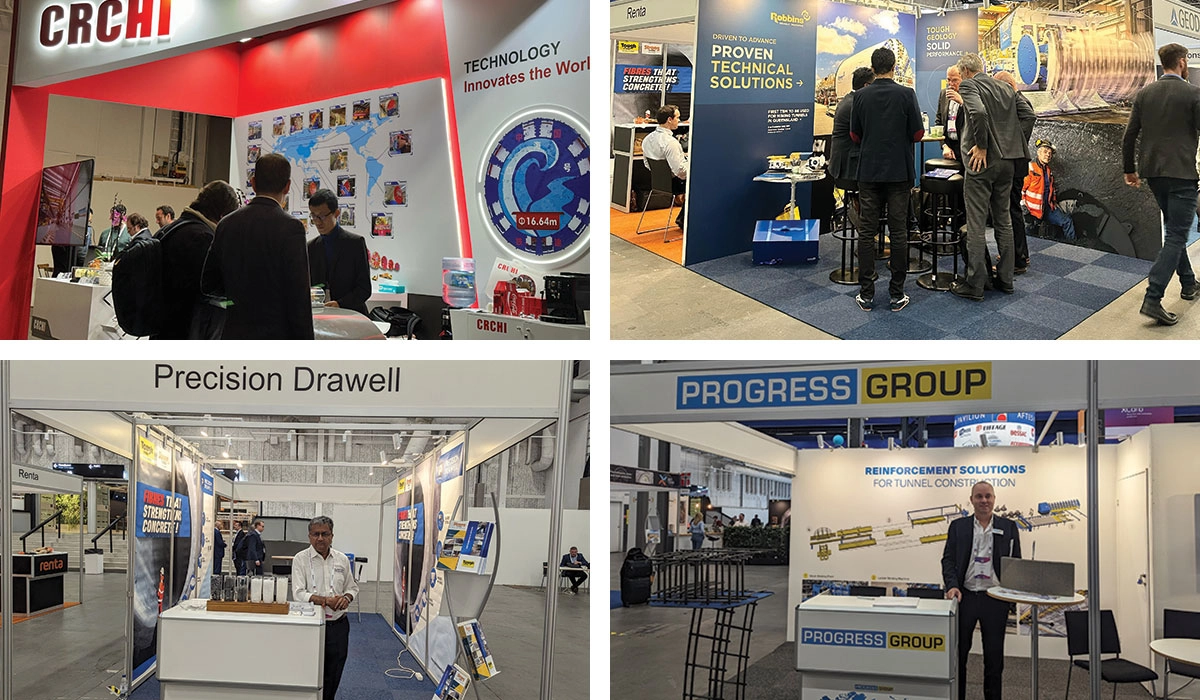
Rajnikanth, Vice President – Sales, Precision Drawell, informed that the company is a veteran in the fiber reinforcement sector. On display were its comprehensive range of fibers for primary and secondary tunnel support. With 15–16 years in the industry, the company’s products are well-known known for their durability and high performance, making them a trusted choice for tunnel contractors across India.
Precision Drawell is now venturing into production of fibers for Ultra-High Performance Concrete (UHPC), supporting concrete strengths of 150 to 200 MPa, which is ideal for demanding applications in modern tunnelling projects. The company’s participation in WTC events reflects its commitment to innovation and international outreach as it aims to expand into European markets within the next 3 to 4 years, backed by active collaborations with academic institutions, consultants, and global stakeholders.
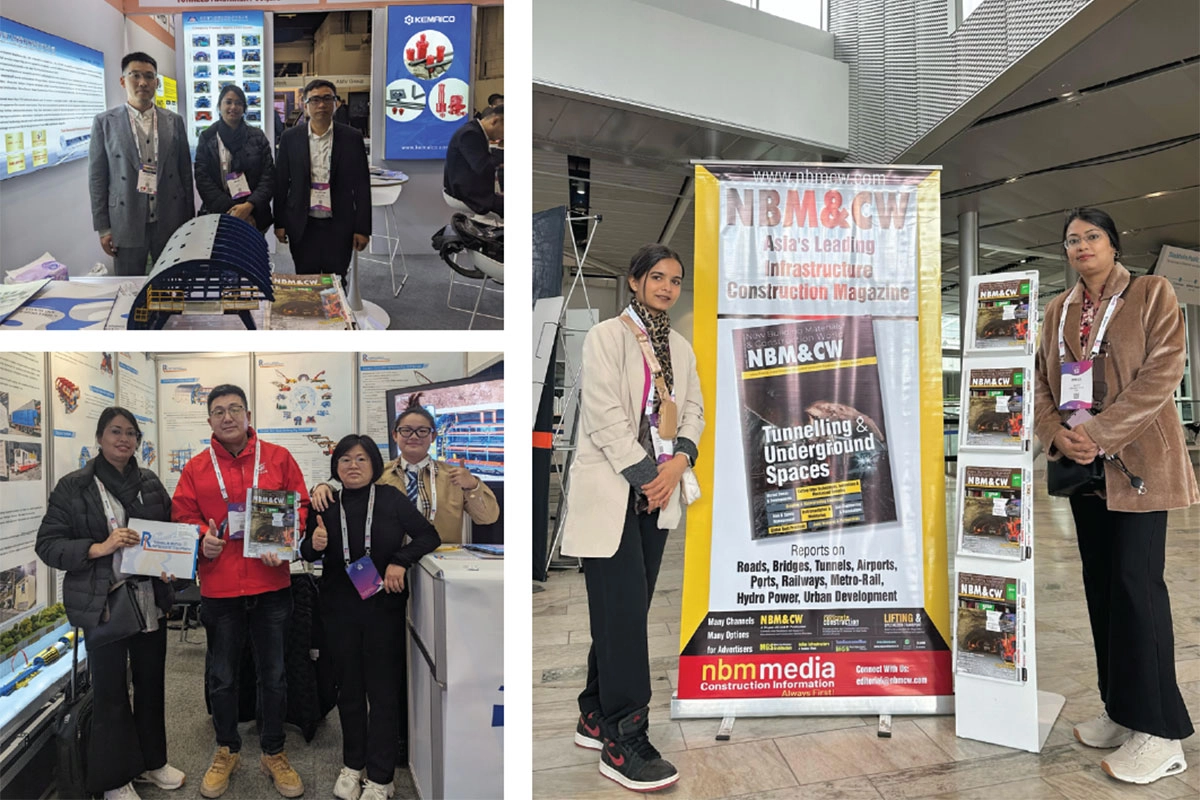 NBM&CW – The Official Media Partner of ITA WTC 2025
Event Summary and Outlook
Delegates at WTC 2025 benefited from a rich program of research presentations, case studies, and interactive sessions, alongside networking opportunities. The event reaffirmed ITA’s pivotal role in shaping underground space development worldwide. The successful election of new leadership and inclusion of Papua New Guinea as a member nation signals the organization’s growing global reach and evolving governance.
There is a stronger commitment to gender equality, occupational safety, and environmental sustainability. As ITA looks toward future congresses in Montréal, Antwerp, and Singapore, WTC will continue its legacy of innovation, collaboration, and dedication towards building sustainable underground infrastructure.