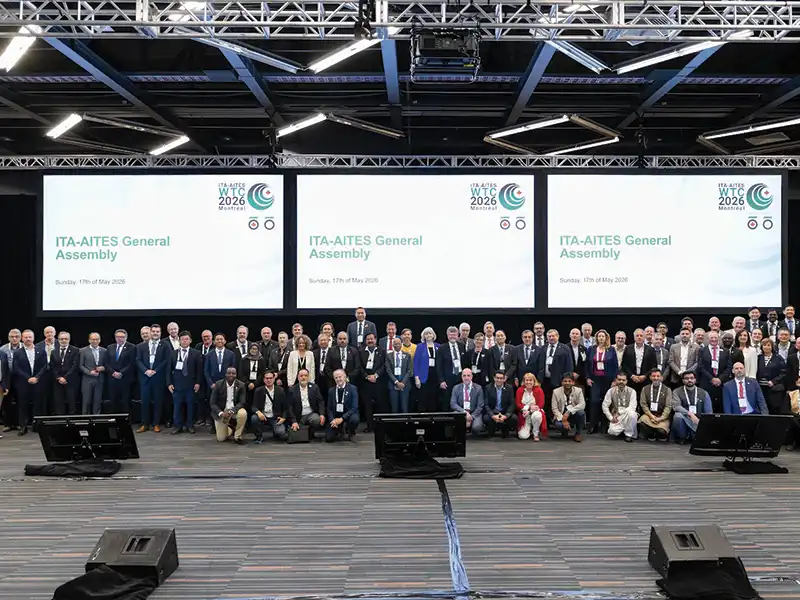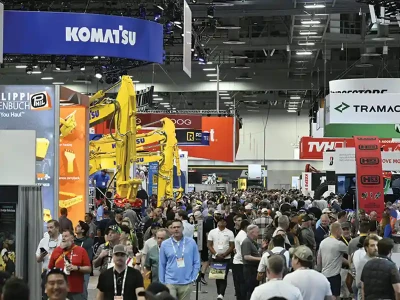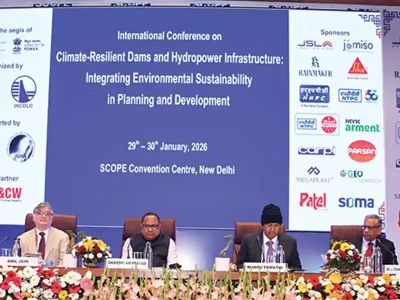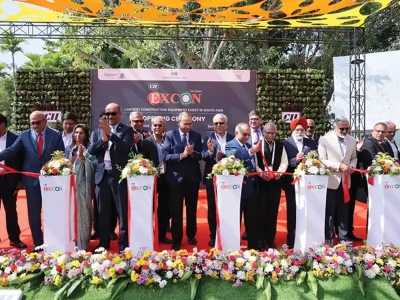
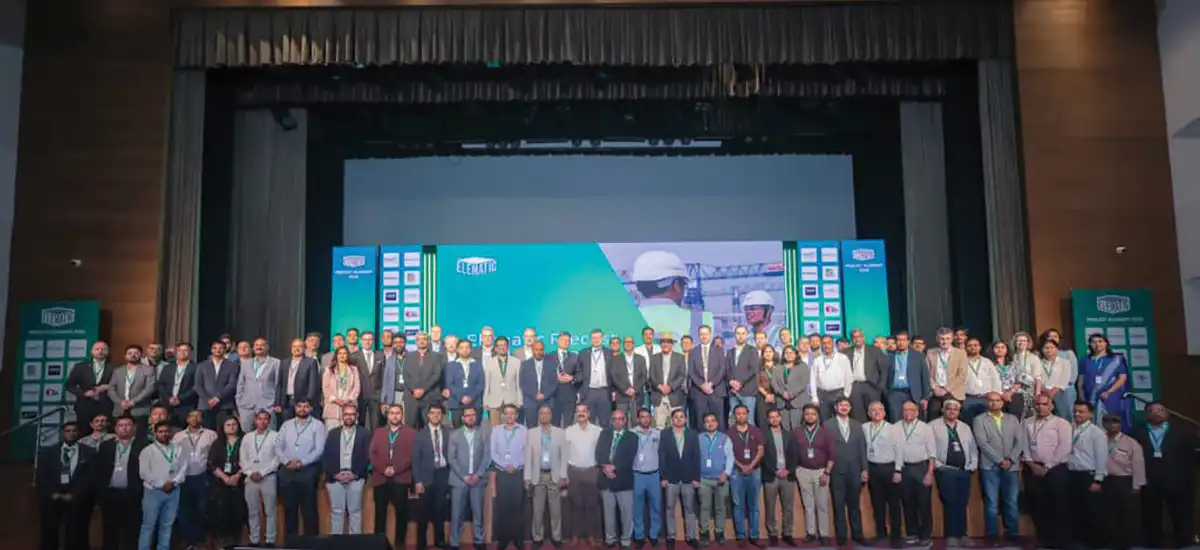
Building on the success of its Hyderabad debut in September 2025, the Elematic Precast Academy 2026 event brought together over 350 developers, contractors, technology providers, consultants, and industry stakeholders from India, Finland, and global markets to discuss precast technologies, modular construction, sustainability, and enabling faster urban infrastructure construction.
Organised by Elematic Oyj – the Finland-based global leader in precast concrete technology with the support of Jindal Steel and several industry partners, the second edition of the ‘Precast Academy’ (held in Delhi) aimed to enhance awareness on precast and modular construction technologies to support India’s rapidly expanding infrastructure and urban development goals.
India remains one of Elematic’s fastest-growing markets. The company has been active in India since 2008 and operates a manufacturing facility in Alwar, Rajasthan. In 2025, Elematic expanded the facility and further strengthened its presence in the Indian market with the acquisition of precast company Vollert India.
India’s Growing Need for Industrialised Construction
Against this backdrop, industrialised construction and precast technologies are increasingly being viewed as essential solutions for improving project speed, execution quality, labour productivity, and sustainable performance.
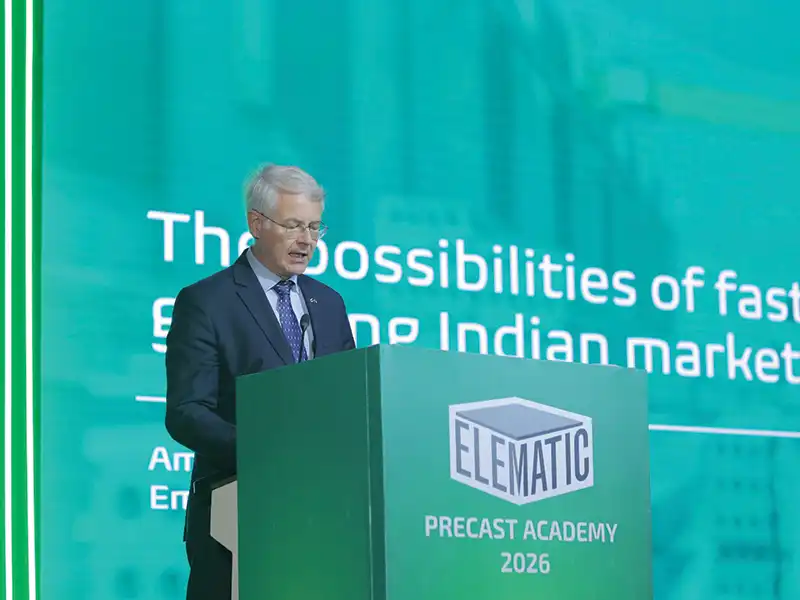
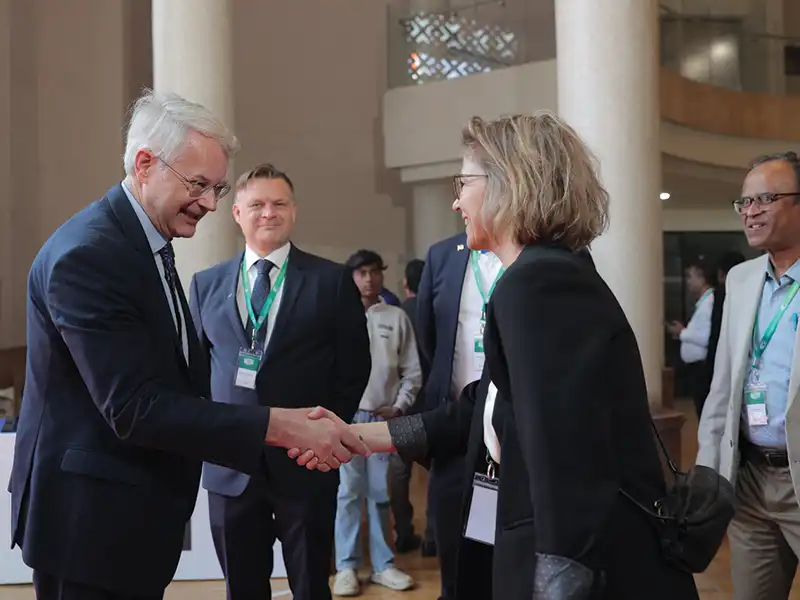
Ambassador Kimmo Lähdevirta of the Embassy of Finland in New Delhi highlighted the growing collaboration opportunities between India and Finland in sustainable construction technologies. “India represents one of the world’s most dynamic construction markets. Finnish companies bring decades of experience in industrialised precast construction — with over 95% of new buildings in Finland now built with precast methods. Collaboration between our nations can play a key role in realising India’s vision for sustainable, high-quality urban growth.”
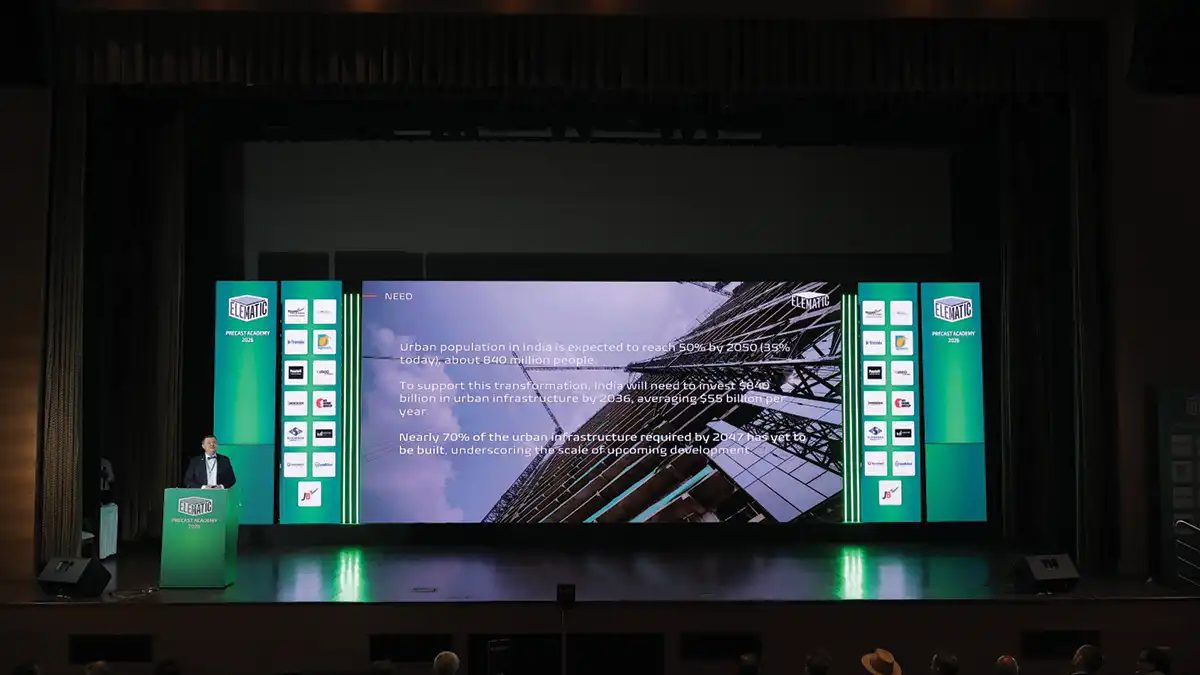
Teppo Voutilainen, CEO, Elematic Oyj, emphasised the importance of industrialised construction in supporting India’s large-scale urban transformation. “India’s urban transformation is extraordinary. By adopting industrialised construction technologies such as precast, the nation can deliver housing and infrastructure at an unprecedented scale while reducing construction time, lowering costs, and enhancing sustainability. Automation and digitalisation will play a critical role in solving labour challenges and supporting long-term growth.”
Shridhar Rao, Sales Director, Elematic India, stated that the growing need for efficiency and sustainability is accelerating the adoption of precast systems in the country. “We have been working alongside India’s builders and precasters for over 15 years, and the message is clear — efficiency and sustainability must go hand in hand. The aim of Precast Academy is to bring together Indian builders and global experts to share real-world experiences. By industrialising construction, we can support affordable housing, build resilient infrastructure and sustainable cities at the speed India requires.”
Technology and Innovation
The event featured several technical sessions and case studies that showcased advancements across the construction value chain including:Megaproject Case Studies: My Home Construction and Suraksha Smart City demonstrated how precast technologies are accelerating large-scale residential and commercial developments while improving execution speed, sustainability, and quality consistency.
Tunnel Formwork and High-Rise Construction: Philip Winckel of Hendriks Formwork Solutions shared insights into tunnel formwork systems and hybrid construction methodologies for 30–100-storey buildings. Discussions focused on the reliability, durability, and lifecycle value of steel-based formwork systems in high-rise construction.
Modular and Industrialised Construction Systems: Jussi Aho of Vakio by Flow Systems highlighted how industrialised and modular construction systems are helping shift the industry from traditional craft-based construction toward assembly-based manufacturing. The sessions demonstrated how repeatability, standardisation, and precision manufacturing can improve construction quality while significantly reducing project timelines.
Innovation Across the Construction Ecosystem: Innovation sessions explored composite buildings, partition wall systems, modular interiors, and design-for-precast solutions, featuring presentations by Jindal Smart Building, Mahesh Prefab, Puustelli, and SPA Design.
Digitalisation and Manufacturing Technologies: Technology providers including Aquarius, ElectroMech, Trimble, and Peikko showcased advancements in precast manufacturing, BIM integration, structural systems, and material handling solutions, aimed at improving construction productivity and project coordination.
Panel Discussions on Seismic Design, Industrialised Construction, and Precast Adoption
A major panel discussion during the event focused on the evolving role of industrialised construction, seismic design standards, formwork technologies, and precast adoption within India’s rapidly growing construction sector.Industry experts highlighted how recent revisions in India’s seismic analysis and structural design codes are providing greater clarity and more detailed guidance for earthquake-resistant design methodologies. Discussions covered the evolution of seismic zoning systems, revised return periods, occupancy classifications, and structural performance requirements across various building typologies.
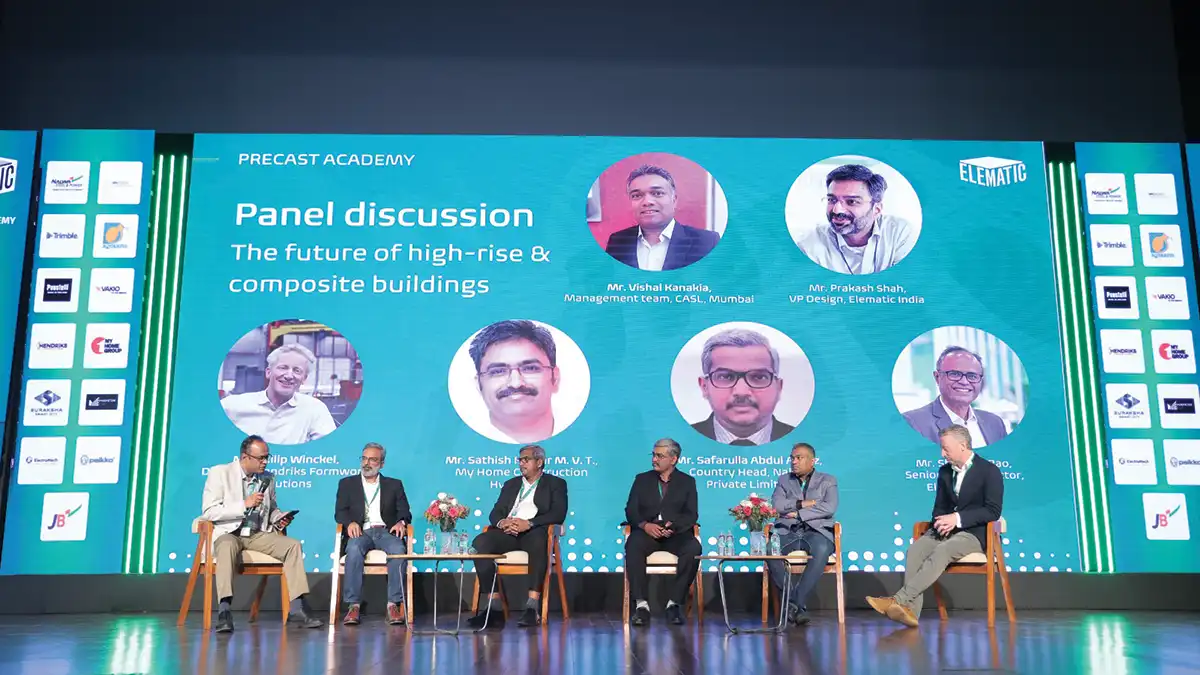
Speakers noted that the updated codes offer improved guidance for reinforced concrete, prestressed concrete, steel, and precast construction systems, while also integrating sustainability considerations into structural engineering practices.
The panel also examined how industrialised and assembly-based construction methodologies are gradually transforming the Indian construction landscape. Increasing pressure on developers to reduce project timelines, improve quality consistency, and address labour shortages is driving interest in precast and modular construction systems.
Comparing tunnel formwork and aluminium formwork technologies for high-rise residential construction, industry experts emphasised the importance of reliability, durability, and long-term lifecycle performance in formwork selection. Steel-based tunnel formwork systems were highlighted for their structural robustness, reusability, and ability to deliver consistent construction quality across repeated cycles.
The discussion further explored the growing use of composite and precast construction methodologies in commercial and residential projects. While precast systems offer significant advantages in terms of speed, quality control, sustainability, and reduced labour dependency, panelists acknowledged that adoption still faces challenges related to higher initial investments, transportation logistics, developer awareness, and market perceptions regarding structural stability and water leakage.
Industry representatives observed that confidence in precast systems increases substantially when developers visit completed projects and witness actual performance over multiple operational cycles. Successful demonstrations of execution speed, waterproofing performance, quality consistency, and long-term durability are gradually improving market acceptance.
The panel also highlighted the need for stronger ecosystem support through wider availability of precast manufacturing facilities, improved supply chain infrastructure, better collaboration between designers and contractors, and increased awareness among developers and consultants.
Experts agreed that industrialised construction and precast systems will play a critical role in improving construction productivity, reducing material waste, supporting sustainability goals, and enabling large-scale urban development in India.
Making the Move Towards Assembly Based Systems
On the sidelines of the event, Jussi Aho of Vakio by Flow Systems explained how modular pod systems, Finnish engineering expertise, and localised manufacturing are helping shift construction from labour-intensive site execution toward faster, factory-built assembly solutions.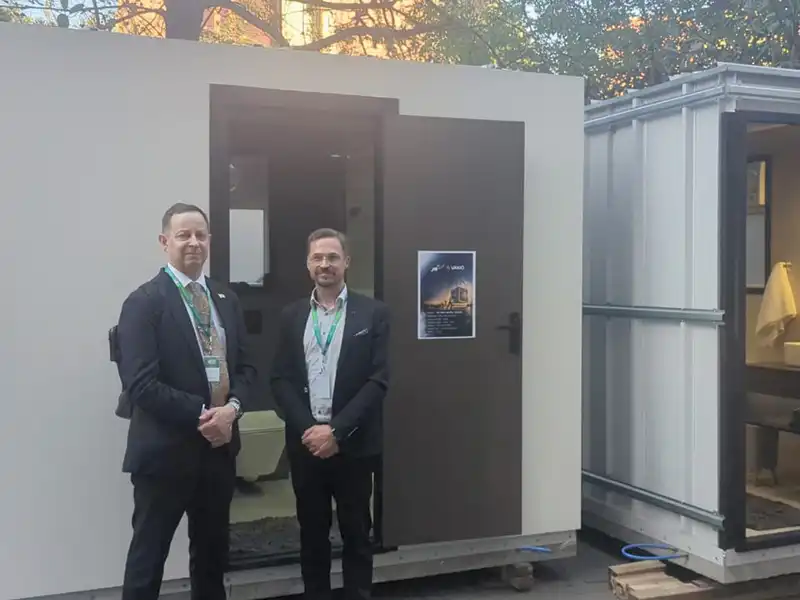
He gave the example of the ‘modular bathroom pod system’ which is being introduced in the Indian market. The system was implemented in Finland in the 1970s and is now being adapted to cater to India’s growing infrastructure and real estate requirements.
The modular pod system is fully prefabricated and plug-and-play in nature, with electrical, water and drainage, interiors, and fittings pre-installed before delivery. One of the key technical advantages lies in the precast slab design, manufactured upside down using specially engineered moulds to ensure accurate drainage slopes and eliminate water stagnation and leakage risks.
The pods use specialised M40-grade concrete and have performance-enhancing additives to support faster curing. It is a complete finished system and not just a structural component. Tiling, plumbing, electricals, drainage, and interiors are integrated within the factory set-up before dispatch. Installation at the site can be completed in less than an hour, significantly reducing project timelines, labour dependency, and coordination challenges.
Another important feature of the system is its manufacturing precision. Sheet metal components and structural elements are produced using CNC laser cutting and automated bending technologies, ensuring dimensional accuracy and repeatable quality independent of manual workmanship. This minimises variability and reduces dependence on traditional craft-based processes.
He informed that Vakio by Flow Systems is integrating Finnish technologies and engineering expertise with Indian manufacturing and supply chains. In addition to centralised manufacturing, hybrid assembly models are also being explored, where major components are produced at a primary facility and final assembly is completed closer to project locations.
“The future of construction cannot remain dependent on labour-intensive site execution. The industry has to move toward assembly-based systems that deliver consistency, speed, and better lifecycle performance,” he said.