Highlighting the collaborative spirit of the Congress, ITA President Andrea Pigorini observed, "There is something unique about being here together in Montréal. You can feel the energy, trust and openness that drive real progress—bringing together professionals from diverse affiliations and technical backgrounds. ITA is about connecting people, and ITA WTC is where collaboration truly comes alive."
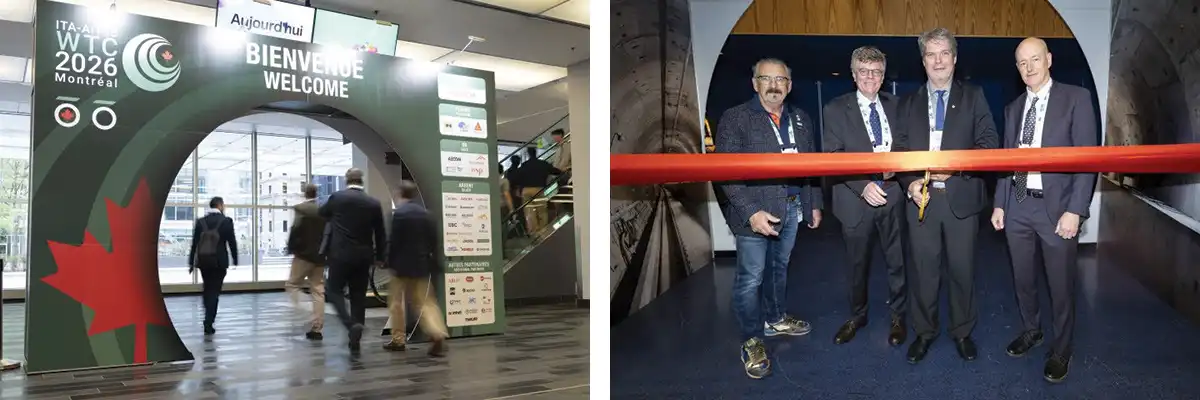
Global Perspectives and Technical Highlights
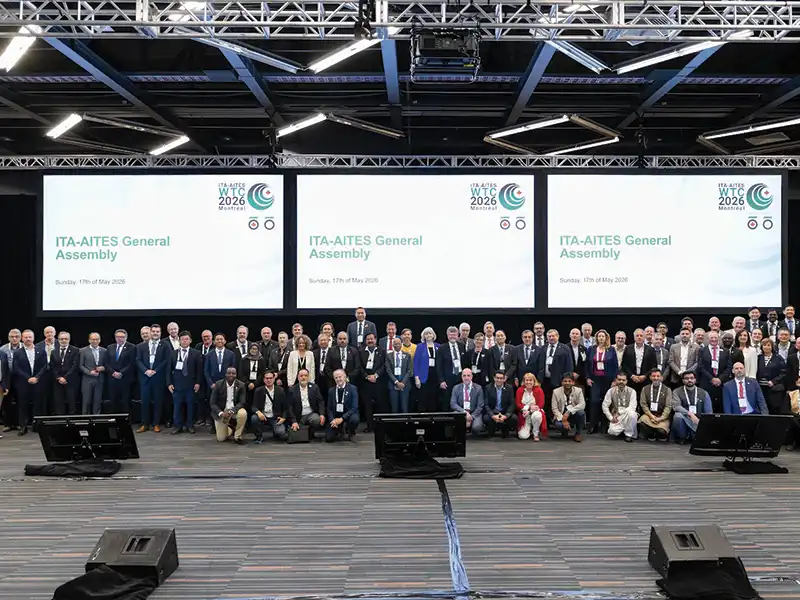
The Congress commenced with the ITA General Assembly, where member nations participated in key governance discussions, including candidate presentations by Austria and Finland for hosting WTC 2029.Representing India, R.K. Dhiman, President, Tunnelling Association of India (TAI), participated in the General Assembly meetings and contributed to deliberations on the future direction of the global tunnelling community. He highlighted India's emergence as one of the world's fastest-growing tunnelling markets, driven by large-scale investments in transport, hydropower, urban mobility, and strategic infrastructure. He emphasised that TAI is actively promoting knowledge dissemination among young engineers and professionals while fostering greater collaboration with international experts, institutions, and technology providers to strengthen India's tunnelling capabilities and support the country's vision of becoming a global centre for underground infrastructure development.
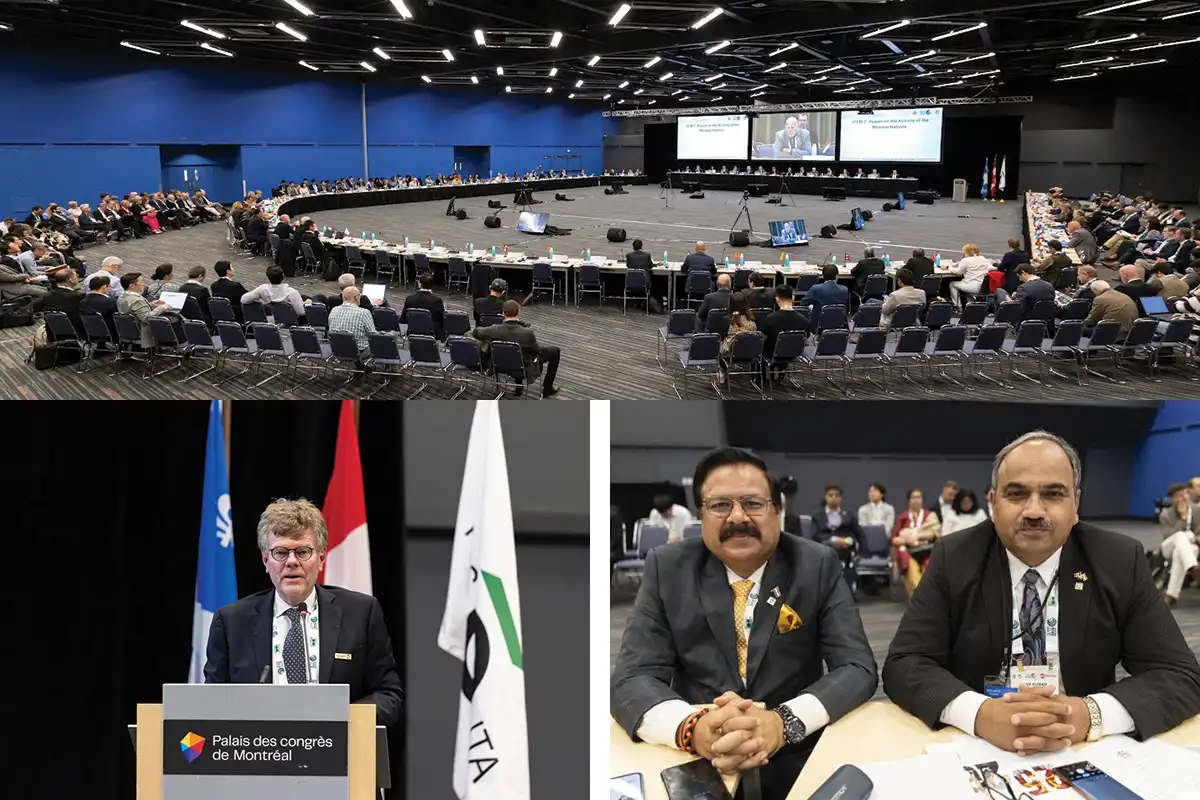
R.K. Khali, Vice President, TAI, further highlighted that tunnelling activities are progressing across the length and breadth of India, with underground space being increasingly utilised for railway, highway, hydropower, water supply, sewerage, and metro projects. He noted that India is expected to execute more than 3,000 km of tunnelling works over the next five to ten years, while several mega underground infrastructure projects are already at advanced stages of construction. He observed that this unprecedented scale of development presents significant opportunities for mechanised tunnelling, advanced TBM technologies, digital engineering, research collaboration, and skill development, positioning India as one of the world's most dynamic markets for underground infrastructure development.
During the General Assembly, Austria was confirmed as host for WTC 2029 following the voting by member nation between Austria and Finland. Significantly, Expressions of Interest submitted by India, South Korea, and the United States to host WTC 2030 were formally accepted. The shortlisted countries will submit detailed proposals and make professional presentations during WTC 2027 in Belgium before the final host nation is selected.
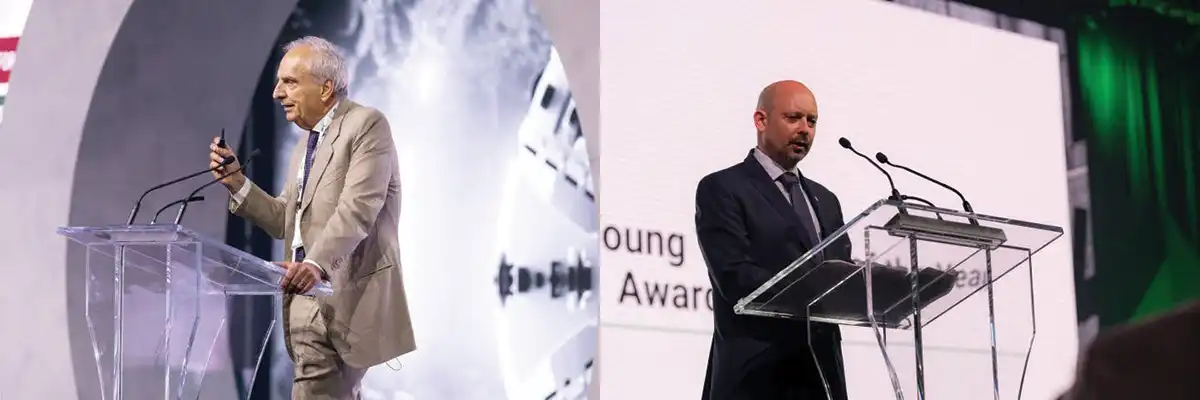
The Opening Session on 18 May officially marked the commencement of the Congress in the presence of leading international experts, professionals, researchers, consultants, contractors, equipment manufacturers, and representatives of tunnelling associations from around the world. One of the major highlights of the inaugural ceremony was the prestigious Muir Wood Lecture delivered by Remo Grandori, nominated by the Italian Tunnelling Association and selected by the ITA Executive Council. His lecture focused on the growing role of Tunnel Boring Machines (TBMs) in delivering large-scale underground infrastructure projects and highlighted future trends in mechanised tunnelling.
The Congress featured one of its most comprehensive technical programmes to date, with over 250 oral presentations, flash presentations, and 290 posters presented across multiple sessions. Complementing the programme, the official Congress proceedings contained 660 peer-reviewed papers from authors representing 51 countries, providing a comprehensive overview of the latest developments in tunnelling and underground engineering.
India's contribution was particularly noteworthy, with nearly 20 technical papers presented by Indian professionals and organisations, including R.K. Dhiman, Dr. R.K. Khali, DMRC, CEM India, GR Infra, and others, demonstrating the country's growing technical capabilities and expertise in tunnelling and underground construction.
The breadth and quality of the programme were highlighted by Scientific Chair Erik Eberhardt, "What stood out to me was not just the volume of contributions, but the diversity of perspectives and the willingness to engage across disciplines. In many ways, this embodied our congress theme of Connecting Communities through Underground Infrastructure—bringing together practitioners, researchers, owners, contractors, and suppliers to learn from one another. The mix of formats, from in-depth presentations to shorter flash innovation talks and posters, created a dynamic and inclusive technical environment."
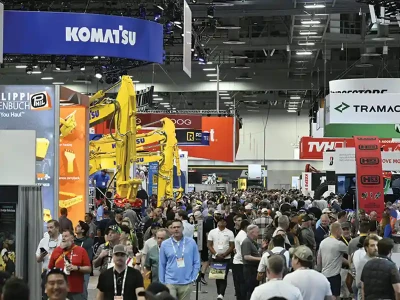
Alongside the technical sessions, the exhibition brought together 231 exhibitors showcasing the latest advances in tunnelling equipment, digital technologies, construction materials, and engineering services, creating valuable opportunities for delegates to exchange ideas, explore innovative solutions, and strengthen international business and technical collaborations.
ITA Open Session
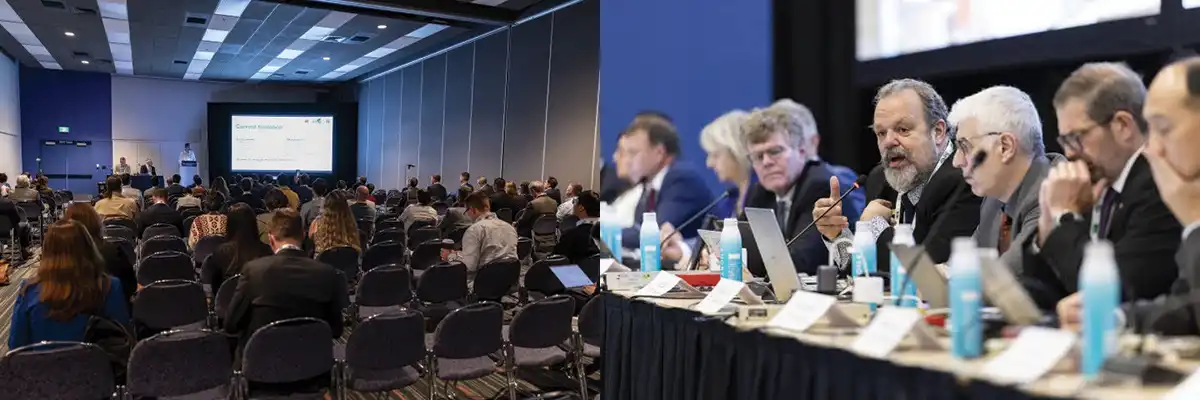
Among the highlights of the week was the ITA Open Session, including the Think Tank Session, which brought together leading voices from across the industry to reflect on future challenges and opportunities. This year's Think Tank focused on the growing role of artificial intelligence in tunnelling, encouraging discussion on both its opportunities and challenges while reinforcing the continuing importance of human expertise and engineering judgement.ITA Working Groups remained central to the Congress, with reports presented across five parallel thematic sessions that provided delegates with a comprehensive overview of ongoing technical work within the Association. Out of ITA's 23 Working Groups, meetings of 18 active Working Groups were held during the event, enabling experts from around the world to deliberate on tunnelling technologies, mechanisation, safety, sustainability, underground space development, and asset management. Indian delegates actively participated in these discussions, contributing to technical exchanges across multiple specialist domains.
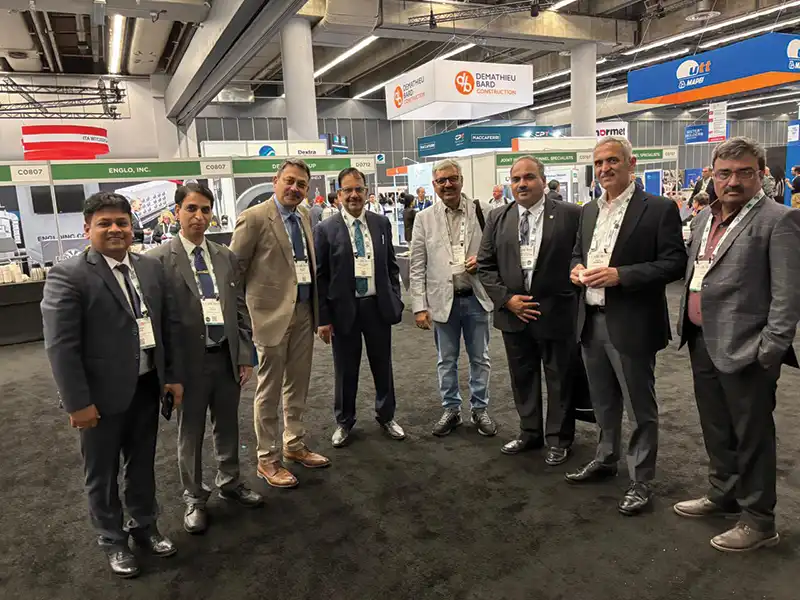
Throughout the week, delegates participated in technical sessions, Working Group meetings, workshops, networking events, and the international exhibition, exchanging ideas on digitalisation, mechanisation, decarbonisation, asset resilience, and future workforce development. The Tunnelling Association of Canada, as the host organisation, was widely appreciated for successfully organising WTC 2026 and providing an outstanding platform for international collaboration, knowledge exchange, and innovation in underground infrastructure.
Key Highlights
- Strong Indian presence with around 45–50 delegates and nearly 20 technical papers showcasing ongoing innovations.
- Active participation in ITA Working Groups, thematic sessions, and technical discussions.
- Asia-Pacific Group meeting successfully chaired by the President, TAI.
- Strategic discussions with the Tunnelling Association of Canada for future collaboration.
- Industry–Academia interaction at Concordia University with support from the Canadian High Commission, including an impressive presentation by IIT Delhi.
- India's Expression of Interest to host WTC 2030 formally accepted.
- Himalayan tunnelling challenges brought to the global ITA technical agenda.
- Indian representation approved for ITA Working Group-6.
- Discussions initiated on future TBM manufacturing and regional technology collaboration.
India Brings Himalayan Tunnelling to the Global Agenda
The Tunnelling Association of India (TAI), the national member association of the International Tunnelling and Underground Space Association (ITA), represented India with a strong delegation at WTC 2026. Around 45–50 Indian delegates participated in the Congress alongside nearly 2,800 delegates from 66 countries, while more than 230 exhibitors showcased tunnelling technologies, machinery, digital applications, equipment, and engineering services.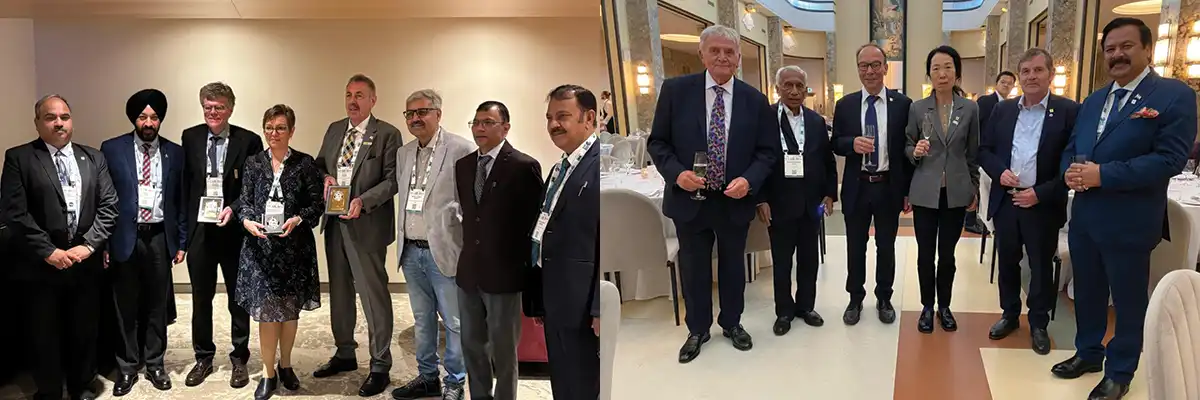
One of the most significant achievements for India during WTC 2026 was bringing global attention to the unique challenges of Himalayan tunnelling. During a high-level meeting initiated by the President of TAI with ITA President Andrea Pigorini, Executive Director Helen Roth, the First Vice President of ITA, and Harpal Singh, Director General, Border Roads Organisation (BRO), the Indian delegation highlighted the exceptionally complex geological conditions encountered in Himalayan tunnelling projects, including fragile geology, difficult terrain, and highly variable strata, which differ significantly from tunnelling conditions in many other parts of the world.
The delegation requested ITA to encourage focused international research and technical deliberations on Himalayan tunnelling through the relevant Working Groups. The proposal received a positive response, was accepted by the ITA leadership, and was subsequently announced during the General Assembly proceedings, marking a significant achievement in bringing India-specific tunnelling challenges to the global technical agenda.
Another notable achievement was the approval of an Indian representative to ITA Working Group-6 based on the recommendation of the President, TAI. This development will further strengthen India's participation and contribution to international technical activities and policy discussions.
Asia-Pacific Group Charts Stronger Regional Cooperation
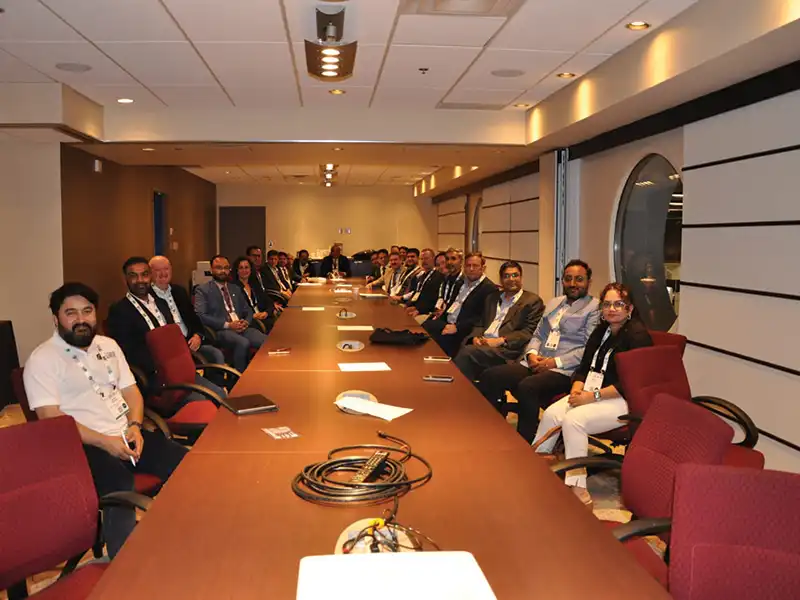
On the suggestion of Dr. Rakesh Kumar Khali, Vice President, TAI, it was agreed to hold quarterly meetings of the Asia-Pacific Group while keeping the ITA Headquarters informed of the group's activities. Members also discussed opportunities for technical collaboration, exchange of best practices, joint participation in regional events, and extending support for India's bid to host the World Tunnel Congress 2030.
Further strengthening regional engagement, the President of TAI proposed a reciprocal arrangement to facilitate complimentary participation by member countries in important technical events organised by fellow associations, thereby encouraging greater professional interaction and long-term cooperation across the Asia-Pacific region.
Industry–Academia Collaboration and International Outreach
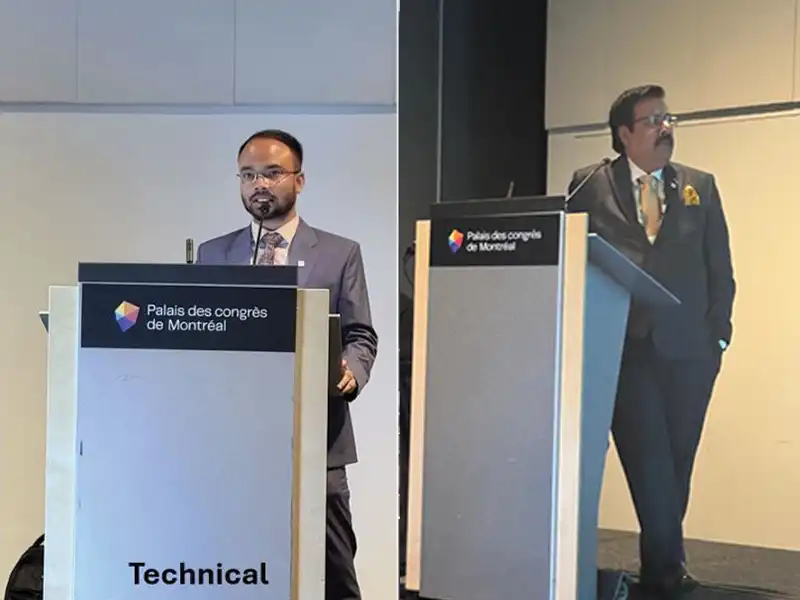
Further strengthening international engagement, the President of TAI held discussions with the Tunnelling Association of Canada to explore future cooperation, technical collaboration, and exchange of expertise between the two organisations.
TAI also organised an Industry–Academia Interactive Session to promote technical collaboration and research partnerships. During the session, the President of TAI highlighted the rapid growth of tunnelling activities in India and the significant opportunities available for international cooperation, research partnerships, and technology collaboration.
Abhinav Dewangan, a researcher and CDRI Fellow at the University of Queensland–IIT Delhi Research Academy, Indian Institute of Technology Delhi, delivered an impressive presentation titled 'Context-Driven and Risk-Aware Machine Learning Framework for Forecasting Tunnel Deformation in Complex Geological Zones'. The presentation showcased tunnelling-related research being undertaken across various IITs in India and reflected consolidated research contributions from multiple IITs. It was well received by international delegates and highlighted India's growing research capabilities in underground engineering.
The technical exhibition formed another major attraction of WTC 2026, showcasing modern tunnelling technologies, advanced equipment, digital engineering applications, and innovative underground construction practices from around the world. A few Indian companies also participated as exhibitors, promoting India's growing industrial capabilities and engineering services before the international tunnelling community.
Apart from the technical programme, delegates also participated in several networking and social events, including the Welcome Reception, Exhibition Social, and Gala Dinner, which provided valuable opportunities for professional networking, exchange of ideas, and strengthening international relationships. The Congress concluded on 21 May with technical visits and site interactions.
Closing Reflections on WTC 2026
From the host's perspective, ITA WTC 2026 Chair André Rancourt highlighted both the ambition and the atmosphere of the event, "We wanted Montréal to feel welcoming and dynamic — a place where people could exchange ideas freely. Seeing that happen, across cultures and disciplines, has been incredibly rewarding for all of us involved."The congress concluded with technical visits to Montréal's Metro Blue Line Extension and the Louis-Hippolyte-La Fontaine immersed tunnel rehabilitation project, providing delegates with the opportunity to experience major underground infrastructure projects first-hand.
With renewed leadership, strengthened governance, and Vienna confirmed as the next European host, the outcomes of WTC 2026 reflected a forward-looking ITA that continues to connect expertise across borders and deliver innovative underground solutions for a better world.
India's Strategic Gains and the Way Forward
Participation in WTC 2026 proved highly productive and strategically significant for both TAI and India. It strengthened India's international visibility within the global tunnelling and underground infrastructure community, advanced the country's campaign to host the World Tunnel Congress 2030, secured enhanced representation within the ITA through Working Group-6, successfully brought international attention to the unique challenges of Himalayan tunnelling, and strengthened regional cooperation through the Asia-Pacific Group.The congress also showcased Indian technical expertise through nearly 20 technical papers, promoted opportunities in mechanised tunnelling, TBM manufacturing, underground infrastructure, research collaboration, and capacity building, facilitated interaction with global technology providers, contractors, consultants, equipment manufacturers, and research institutions, enhanced cooperation with international tunnelling associations including the Tunnelling Association of Canada, highlighted the research capabilities of the Indian Institutes of Technology, and provided Indian delegates and young professionals with valuable exposure to global best practices, advanced technologies, sustainability initiatives, and modern underground construction techniques.
Overall, WTC 2026 reinforced India's emergence as a major force in global tunnelling and underground infrastructure while further strengthening TAI's leadership within both the Asia-Pacific region and the broader ITA framework.