
Total expenditure for 2026-27 is budgeted to rise by 7.7% to ₹53 lakh crore. Public capital expenditure has witnessed a sharp increase over the past decade, from ₹2 lakh crore in FY2014-15 to ₹11.2 lakh crore in BE 2025-26 and is now increased to ₹12.2 lakh crore to sustain investment momentum. This 9% increase over the previous year is specifically earmarked for "Growth Connectors" which include high-speed rail corridors, green energy infrastructure, and expansion of the digital economy. The Budget assumes a real GDP growth rate of 7.4%, reflecting confidence in India's domestic consumption and emerging role as a global manufacturing hub.
Prime Minister Narendra Modi described the Budget as historic, stating that it would help contain inflation and fiscal deficit while energising structural reforms. “Budget 26 establishes a strong base for a Developed India (Viksit Bharat) of 2047 and presents an ambitious roadmap for Make in India and the Atmanirbhar Bharat Abhiyan to gather new momentum,” he said.
Infrastructure Risk Guarantee Fund
To strengthen private sector confidence in managing risks during the development and construction phases of infrastructure projects, the proposed Infrastructure Risk Guarantee Fund aims to provide prudently calibrated partial credit guarantees to lenders, making banks more comfortable in financing large ventures, thereby easing financing bottlenecks, improving credit flow, and reviving stalled infrastructure projects.
Roads & Highways
The Centre has increased the allocation for the Ministry of Road Transport and Highways (MoRTH) to ₹3.10 lakh crore, up from ₹2.87 lakh crore in the previous year. The National Highways Authority of India (NHAI) has been allocated ₹1.87 lakh crore for FY26-27. These funds will support the development of national highways, expressways, and greenfield access-controlled corridors through a mix of budgetary resources, toll-based funding, and highway monetisation mechanisms.Allocation for road works, including national highway construction, border roads, logistics parks, ropeways, and last-mile connectivity projects, has been raised to ₹1.22 lakh crore in FY27 from ₹1.16 lakh crore in 2025-26 (BE).

The Government has also reinforced its focus on asset upkeep, earmarking ₹5,020 crore for the maintenance of national highways through the Central Road and Infrastructure Fund (CRIF), higher than the previous year. Alongside capacity expansion, recent budgets have increasingly prioritised the maintenance of existing highway assets, reflecting the need to enhance road quality, safety, and asset longevity as the national network matures.
Railways
The Union Budget 2026–27 has earmarked a record capital expenditure of ₹2,93,030 crore for the sector, the highest-ever allocation for Indian Railways, which is poised for capacity augmentation and expansion focused on high-speed connectivity, freight capacity, passenger safety enhancement, and logistics efficiency. The funding will support improved freight movement, decongestion of high-density corridors, reduction in logistics costs, and enhancement of passenger experience through modern rolling stock and redeveloped stations.
As part of its long-term vision, the Government has announced the development of seven high-speed rail corridors between major cities as ‘growth connectors’ to promote environmentally sustainable mass transport. These include Mumbai–Pune, Pune–Hyderabad, Hyderabad–Bengaluru, Hyderabad–Chennai, Chennai–Bengaluru, Delhi–Varanasi, and Varanasi–Siliguri. The corridors are expected to drastically reduce inter-city travel time and enable seamless multimodal passenger movement.
Logistics
In a major boost to freight movement and logistics efficiency, the Union Budget has proposed a new Dedicated Freight Corridor (DFC) connecting Dankuni in West Bengal with Surat in Gujarat, passing through Odisha, Chhattisgarh, Madhya Pradesh, and Maharashtra. The 2,052-km corridor will integrate with the existing Western DFC, enabling seamless movement of goods to ports along the west coast. The Government noted that the Eastern and Western DFCs are already operating at near-saturation levels, handling around 400 freight trains daily, underscoring the need for additional corridors to meet rising demand.The Budget also proposes the operationalisation of 20 new National Waterways (NWs) over the next five years. The initiative will begin with NW-5 in Odisha, connecting the mineral-rich regions of Talcher and Angul and industrial hubs such as Kalinga Nagar with the ports of Paradip and Dhamra. To increase the share of inland waterways and coastal shipping from 6% to 12% by 2047, a Coastal Cargo Promotion Scheme has been announced to incentivise a modal shift from road and rail to waterways.
Training institutes will be established as Regional Centres of Excellence to develop skilled manpower across the waterways, and a ship repair ecosystem for inland waterways is proposed to be developed at Varanasi and Patna to strengthen maintenance capabilities and support the growth of riverine transport.

Reforms related to Special Economic Zones (SEZs) and logistics parks are expected to improve flexibility for manufacturers and exporters, including those in capital goods and construction equipment.
Manufacturing
The ₹200 crore Scheme for Enhancement of Construction and Infrastructure Equipment (CIE) aims to expand domestic manufacturing and reduce import dependence. The initiative will strengthen production of high-value and technologically advanced equipment, from lifts and fire-fighting systems in multi-storey buildings to tunnel boring machines, cranes, heavy earthmoving equipment for infra construction.An allocation of ₹10,000 crore over five years for the proposed Scheme for Container Manufacturing aims to boost indigenous capacity, support logistics growth, and reduce reliance on imported containers, particularly for rail and maritime freight.
Urban Development & Real Estate
The Finance Minister announced a renewed focus on Tier II and Tier III cities, as well as temple towns that require modern infrastructure and basic amenities. To unlock the economic potential of urban agglomerations, City Economic Regions (CERs) will be mapped based on their specific growth drivers. An allocation of ₹5,000 crore per CER over five years has been proposed for urban infrastructure development, aimed at strengthening civic services, transport networks, and public utilities. The initiative is expected to support residential demand and spur growth in retail, commercial, and hospitality-led real estate.Funding for Pradhan Mantri Awas Yojana–Urban (PMAY-U) has been raised sharply to ₹18,625 crore in 2026–27 from ₹7,500 crore in the previous fiscal year. The allocation for PMAY-Urban 2.0 has been scaled up tenfold to ₹3,000 crore, compared with ₹300 crore last year, signalling an accelerated push toward urban housing creation.

While the Budget significantly increased allocations for flagship housing schemes, it offered no major sector-specific incentives for the broader real estate industry, falling short of market expectations for additional policy support to the affordable housing segment.
Rural Development
The budget for the Ministry of Rural Development has been increased by 21%. Taken together with the allocation for agriculture, the combined budget of the Rural Development and Agriculture ministries has crossed ₹4,35,779 crore, underscoring the government’s continued focus on strengthening rural livelihoods and farmer welfare.
Within the Rural Development outlay, a provision of over ₹1.51 lakh crore, including states’ contributions, has been made for the ‘Viksit Bharat Gram’ initiative alone. The allocation for MGNREGA has also seen a significant rise, with the Centre’s share enhanced to ₹95,692 crore, compared with an overall provision of around ₹86,000 crore earlier. With the addition of state contributions, the total funding for the program is expected to exceed ₹1.51 lakh crore, providing a strong boost to rural employment and asset creation.
Renewable Energy
The Budget reinforces the Government’s commitment to large-scale clean power expansion. The allocation for the Ministry of New and Renewable Energy has risen from ₹25,301.22 crore in BE 2025–26 to ₹32,914.67 crore in BE 2026–27, marking an increase of ₹7,613.45 crore, or 30.1%. Solar energy continues to dominate spending, with allocations climbing 32.1% to ₹30,539.36 crore, largely driven by higher funding for the PM Surya Ghar Muft Bijli Yojana. The allocation for the National Green Hydrogen Mission has doubled to ₹600 crore, while investment support through IREDA has increased by 15.4% to ₹40,064.74 crore.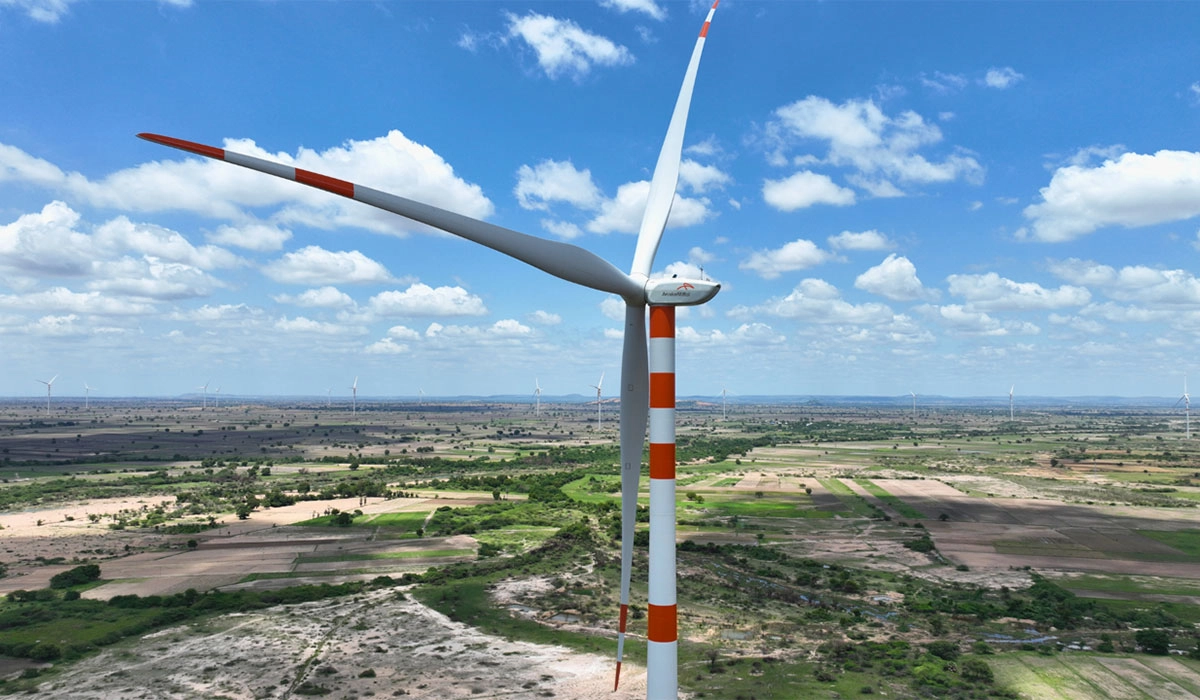
In nuclear energy, the Budget—through the SHANTI initiative—extends customs duty exemptions on nuclear equipment until 2035 and opens avenues for private sector participation in small modular reactors (SMRs) to strengthen clean baseload capacity. Continued funding for the National Green Hydrogen Mission and full excise duty exemption on the biogas component of biogas-blended CNG further underline the push toward a diversified, low-carbon energy mix.
Export Promotion and Global Competitiveness
The budget introduces customs duty rationalisation and procedural simplification aimed at improving export competitiveness. Investments in freight corridors, ports, and inland waterways are positioned as structural enablers for trade.INDUSTRY REACTIONS ON UNION BUDGET 2026

The increase in capital expenditure to ₹12.2 lakh crore reinforces long-term momentum for infrastructure development, while the announcement of a dedicated scheme for the enhancement of construction and infrastructure equipment signals a strong policy focus on productivity, safety, and technological capability at project sites. This approach will support faster project execution, reduce import dependence, and strengthen domestic manufacturing of advanced construction equipment. For Indian manufacturers like us, it provides a stable and enabling framework to scale innovation and support India’s infrastructure ambitions.

The government has reaffirmed its focus on infrastructure development as a key driver of economic growth. Establishing the Construction and Infrastructure Equipment (CIE) incentive programme and the allocation of ₹12.2 lakh crore for infrastructure will encourage investment in the construction equipment sector and help expand domestic manufacturing capacity in India. Additionally, these initiatives will facilitate new investments, foster local innovation, and advance Atmanirbharta in the construction and infrastructure equipment industry.

The increased allocation for infrastructure spending to ₹12.2 lakh crore and the announcement of seven high-speed rail corridors send a clear and positive signal for infrastructure-led growth. Sustained capital expenditure, a focus on urban development, and support for manufacturing will strengthen the construction equipment ecosystem and create long-term opportunities for the industry.

The announcement of the Scheme for Enhancement of Construction and Infrastructure Equipment reinforces the vision of promoting domestic production of high-value and technologically advanced equipment. The planned development of City Economic Regions, new freight corridors, and the expansion of national waterways under the PM Gati Shakti programme will drive demand for advanced construction equipment. The Budget’s broader policy support for manufacturing and industrial ecosystems will help accelerate supply-chain migration into India and create large-scale employment opportunities. With a continued focus on ease of doing business and exports, this Budget lays a strong foundation for industrial growth aligned with the vision of Viksit Bharat.

The FY27 Budget lacks the urgency warranted by today’s global geopolitical headwinds. While it maintains policy continuity, it stops short of announcing headline measures needed to attract capital at the scale required for robust growth. The CE Industry is already witnessing a slowdown, yet the Budget offers little that is transformative or time-bound to revive demand. There are no clear interventions to materially improve cash flows for infrastructure developers or contractors. That said, we welcome the funding tailwinds for rare earth processing, and as one of the leading mineral processing companies, CFlo looks forward to contributing meaningfully to this emerging sector.

The emphasis on high-speed rail, freight corridors, and expanded urban infrastructure will drive sustained demand for earthmoving, material handling, concreting, and compaction equipment. Equally important is the continued focus on domestic manufacturing and supply-chain resilience, which aligns well with the industry’s ongoing investments in localisation, vendor development, and advanced manufacturing. From an industry perspective, the Budget encourages technology adoption, efficiency, and scale rather than short-term stimulus. Stable policy direction, tax simplification, and support for strategic sectors create confidence for long-cycle capital investments—critical for equipment manufacturers. However, timely execution will be key. Faster project awards, predictable payment cycles, and skill development at the operator and technician levels will determine how effectively this capex translates into on-ground progress.

For the heavy industry sector, the Scheme for Construction and Infrastructure Equipment (CIE) and the establishment of hi-tech tool rooms will significantly reduce dependence on imports. The proposal to develop seven high-speed rail corridors will act as a booster for the construction equipment industry and enhance industrial connectivity. The creation of a ₹10,000 crore SME Growth Fund and the development of a cadre of ‘Corporate Mitras’ for Tier II and Tier III towns will help MSMEs navigate compliance requirements effectively, allowing them to focus on core business growth. The scheme for establishing rare earth corridors in mineral-rich states will secure the raw material supply chain for high-tech manufacturing, ensuring India remains resilient amid volatile global dynamics.
The scheme to revive 200 legacy industrial clusters will improve cost competitiveness and efficiency, modernising traditional manufacturing bases to produce higher-quality products. The investment of ₹20,000 crore in CCUS technologies also signals a strong commitment to sustainable manufacturing processes.

This Budget takes a decisive step towards strengthening India’s end-to-end trade and logistics ecosystem. The ₹10,000 crore allocation for domestic container manufacturing directly addresses a critical supply-chain vulnerability, while digital customs, AI-enabled inspections, and modern warehousing will materially reduce dwell time and improve cargo predictability. Expanded AEO benefits, including 30-day duty deferral, will unlock working capital for trade-intensive businesses, and greater SEZ flexibility will drive better asset utilisation across manufacturing hubs. Sustained investments in freight corridors, inland waterways, and ship-repair capabilities reinforce India’s ambition to become a globally competitive, resilient, and sustainable logistics gateway.

As India’s cities grow denser and buildings become taller and more complex, infrastructure is no longer limited to roads and bridges alone—building systems that enable the safe and efficient movement of people and goods are equally critical to asset performance and user experience. Encouragingly, the Budget also addresses structural challenges by improving project viability through de-risking mechanisms and strengthening logistics and connectivity networks. These measures enhance private-sector confidence, accelerate on-ground execution, and improve the overall economics of infrastructure projects.
Schemes such as the development of new national waterways, the coastal cargo scheme, ship-repair ecosystems for inland waterways, and the proposed East–West Dedicated Freight Corridor will greatly enhance multimodal connectivity and cargo productivity, helping to lower logistics costs. Initiatives such as the Infrastructure Risk Guarantee Fund will further increase investor and lender confidence, leading to faster implementation of large-scale projects.

The ₹20,000 crore CCUS outlay for various sectors, including cement, fundamentally alters the decarbonisation landscape for India’s emissions-intensive industries. CCUS is a significant enabler for large-scale decarbonisation of industries such as cement, and this intervention directly addresses the technology and cost requirements of the cement sector. The cement industry, fully aligned with the Government of India’s Net Zero commitment by 2070, views this support as critical to enabling the adoption and scale-up of CCUS technologies while continuing to meet the country’s long-term infrastructure needs.

The Budget’s focus on inclusive growth, execution, and system-level enablers creates a supportive environment for responsible and efficient expansion, offering opportunities for economic growth and lending momentum to the cement sector. The increase in public capex to ₹12.2 lakh crore, the focus on Tier II and Tier III cities, and the creation of City Economic Regions stand to strengthen the growth of the cement sector.

The emphasis on urban development, particularly across Tier II and Tier III cities, will play an important role in advancing smart urbanisation and modern vertical construction. This creates meaningful opportunities for companies like KONE India to support the next phase of India’s city-building journey. The proposed capital expenditure of ₹12.2 lakh crore for FY27, along with a continued focus on R&D and digital capabilities, sends a strong signal towards innovation, efficiency, and long-term competitiveness. These measures will help accelerate infrastructure creation, improve logistics, support employment, and contribute to more sustainable and future-ready cities.

The focus on scaling up manufacturing across seven strategic sectors and promoting champion MSMEs is a decisive step toward, strengthening India’s domestic capabilities while establishing the country as a global manufacturing hub. A significant boost comes for the CE industry, with a focus on domestic manufacturing of high-value capital goods such as tunnel boring machines, earthmoving equipment, and crane systems. This initiative is set to drive demand for advanced, locally produced equipment, fuel innovation, and elevate India’s position as a globally competitive hub in the construction ecosystem.
The strong emphasis on infrastructure, particularly the development of seven high-speed rail corridors as growth connectors, will further enhance regional integration, improve urban mobility, and boost productivity, making India an attractive destination for global investment.

With a record effective capital expenditure outlay of ₹17.14 lakh crore and continued prioritisation of urban development, the Budget reinforces the Government’s commitment to transforming India’s metropolitan centres through better connectivity, upgraded civic systems, and accelerated redevelopment. These investments significantly enhance the liveability, accessibility, and long-term value of urban assets.

The Budget sends a positive signal to the housing and home construction ecosystem through its continued push on urban infrastructure, City Economic Regions, and risk mitigation during the construction phase. Increased public capex, development of Tier II and Tier III cities, and the proposed Infrastructure Risk Guarantee Fund will help create a more stable execution environment and improve confidence across the construction value chain.

The jump in public capital expenditure from ₹2 lakh crore in 2014–15 to ₹11.2 lakh crore in Budget 2025–26, with a proposed increase to ₹12.2 lakh crore in FY 2026–27, reflects the government’s long-term commitment to infrastructure-led growth. This scale of investment will significantly reduce logistics costs, attract private capital, and accelerate the economic development of urban precincts across India. The proposed Infrastructure Risk Guarantee Fund, alongside asset monetisation tools like REITs and InvITs, directly address construction-phase risks and will unlock large-scale private investment into roads, urban infrastructure, and real estate-linked assets.

The specific focus on developing infrastructure in Tier II and Tier III cities, explicitly recognising them as the new growth centres of India is encouraging. The addition of new economic and freight corridors will act as a critical connectivity layer for these regions, unlocking massive potential for organised real estate. This visionary move will not only decongest metros but also create thriving new urban ecosystems where aspirational India can live and work.

The PMAY-Urban 2.0 initiative and the development of City Economic Regions will spark a construction boom in Tier II and Tier III cities. To support this scale, the ₹10,000 crore SME Growth Fund to create champion MSMEs, combined with the simplification of trade through the removal of seven customs tariff rates, provides the structural backing required. These measures, along with the new Dankuni–Surat Dedicated Freight Corridor aimed at reducing logistics costs, create a strong ecosystem for Indian brands to scale up and compete globally.
The development of City Economic Regions, the establishment of seven high-speed rail corridors, new schemes for construction and infrastructure equipment manufacturing, and the proposal of an Infrastructure Risk Guarantee Fund are commendable. This Budget’s forward-looking vision reaffirms a strong commitment to supporting India’s infrastructure ambitions.

A 10% increase in capex allocation is a very positive sign and reaffirms continuity of intent with the highest-ever capex allocation. This is further supported by the setting up of the Risk Guarantee Fund, which should speed up project funding by banks. There is also a continued focus on urbanisation and the development of Tier II and Tier III cities, along with newly announced projects such as waterways, dedicated freight corridors, and high-speed rail infrastructure. These announcements are strong positives for the CE industry, further reinforced by the push for localisation in equipment manufacturing to reduce import dependence.

The proposal to establish an Infrastructure Risk Guarantee Fund is a particularly forward-looking intervention, as it directly addresses one of the sector’s biggest hurdles—risk perception during the early stages of project development and construction. By offering partial credit guarantees to lenders, the Fund will ease financing bottlenecks and embolden private players to invest in new, large-scale projects with greater assurance. Equally significant is the Government’s move to accelerate asset monetisation through dedicated REITs for CPSE-owned real estate. This will unlock dormant capital, enhance liquidity, and catalyse a new wave of investments across allied sectors such as logistics, housing, and industrial infrastructure.
The sustained growth in public capital expenditure to ₹11.2 lakh crore, along with the development of Tier II and Tier III cities as growth centres and City Economic Regions will help sustain demand for quality construction materials. The Scheme for Enhancement of Construction and Infrastructure Equipment is especially significant, as it promotes modern and safety-driven construction practices. This will naturally increase demand for engineered, fire-rated, and performance-oriented façade materials, creating greater opportunities for organised manufacturers.

The Budget’s continued focus on infrastructure-led growth beyond metros is a positive signal. Greater emphasis on connectivity and localised development can accelerate economic activity across semi-urban and rural markets. As development expands closer to these regions, building skills at the grassroots level becomes equally important to support efficient execution and long-term impact. Together, these measures can contribute to more balanced growth while strengthening local economies and market potential.

The gross budgetary allocation for the Ministry of Road Transport & Highways has witnessed a healthy increase of 8% to ₹2.94 trillion in FY2027 (BE) from ₹2.72 trillion in FY2026 (RE). Healthy allocation levels for the road sector are expected to support National Infrastructure Pipeline (NIP) works. The monetisation target of ₹300 billion for FY2027 remains similar to FY2026. NHAI has monetised ₹244 billion in FY2025 and ₹124 billion till 9M FY2026 through two Toll-Operate-Transfer (TOT) bundles. It expects to achieve the FY2026 target after completion of the fifth round of asset transfer to the NHAI InvIT, the IPO of NHAI’s Public InvIT (Raajmarg Infra Investment Trust), and the pending five TOT bids.

Continued high spending on infrastructure strengthens confidence in execution and supports progress across transportation, urban development, and logistics. The emphasis on high-speed rail, alongside roads, metros, ports, and urban infrastructure, signals a move towards next-generation connectivity. Policy continuity on clean energy and grid strengthening supports energy security and transition, while the focus on advanced facilities such as semiconductors, electronics, data centres, and pharmaceuticals builds domestic capability. Measures supporting hydrocarbons and chemicals, metals and mining—including rare earth corridors—strengthen critical supply chains. Overall, the Budget underlines the importance of delivery quality alongside investment scale.

The Union Budget reinforces infrastructure and manufacturing as twin engines of India’s next growth phase, with the central capex rising to over ₹12 lakh crore. The announcement of seven new high-speed rail corridors, multimodal logistics, freight-linked infrastructure, and urban connectivity—especially in Tier II and Tier III cities—will drive demand for high-output, reliable, and technologically advanced construction equipment. Long-term visibility is critical for the construction and equipment industry to plan capacity, technology investments, and localisation with confidence. Additionally, MSME-focused measures such as improved payment cycles, credit support, and cluster revival will enable smaller contractors to modernise fleets and adopt advanced plants and pavers.

The decision to sustain public capital expenditure at ₹12.2 lakh crore in FY27, while keeping the fiscal deficit at 4.4% of GDP, sends a strong signal of continuity. For real estate, this matters because infrastructure—not subsidies—ultimately determines where housing and commercial demand emerges. The Budget’s emphasis on transport corridors, City Economic Regions, and industrial expansion will accelerate demand beyond top metros. While Tier I markets will continue to anchor office and premium residential demand, the sharper upside over the next cycle will come from Tier II cities, where infrastructure spending, job creation, and lower entry prices are converging.

The substantial increase in public capital expenditure to a record ₹12.2 lakh crore underlines a strong push for modern and integrated infrastructure development across transport, logistics, urban, and water systems—directly expanding opportunities in water, wastewater, sanitation, and environmental engineering. The emphasis on creating new national waterways, enhancing multimodal logistics, and strengthening urban infrastructure aligns closely with our strategic focus on delivering advanced and scalable environmental solutions. This policy environment also supports resilient urbanisation and sustainable economic growth while strengthening long-term project pipelines.

With public capex at ₹12.2 lakh crore, demand across housing, construction, and infrastructure-linked industries will remain robust, directly benefiting the building materials and adhesives ecosystem. The emphasis on digital infrastructure, automation, and AI-led customs reforms and trade facilitation will enhance ease of doing business and global integration. Overall, the Budget provides confidence to invest, innovate, and scale alongside India’s long-term economic vision—onwards to Viksit Bharat 2047.

The rise in public capex and a stronger focus on infrastructure-led development is expected to drive housing and real estate activity in Tier II and Tier III cities, where demand for quality, branded interior solutions is growing at a faster pace. This, in turn, will directly benefit homebuyers through better access to well-finished, durable, and safe interiors, while also boosting demand for plywood, MDF, and related products. The emphasis on strengthening MSMEs and reviving traditional industrial clusters is particularly encouraging for the wood-based industry, which relies on a vast network of carpenters, fabricators, and small processing units.

After more than a 30% increase in capex between FY23 and FY25, the Budget has now moderated to a growth of around 11% in FY26 and about 9% in FY27. The emphasis is shifting towards enabling better execution. The launch of initiatives such as the partial credit guarantee mechanism is a key intervention, as a large number of new project developers are entering PPP opportunities. With user charge–based PPP projects like toll roads likely to gain traction, lender risk profiles and financial closures could be impacted.
Credit guarantee mechanisms must therefore address lender concerns proactively—before defaults occur, not after.
The announcement of seven new high-speed rail corridors and Dedicated Freight Corridors (DFCs) is another welcome step. However, these developments must be backed by iron-clad, irrevocable state government commitments on land acquisition, first- and last-mile connectivity, and security to ensure time-bound execution. REITs for surplus CPSE land is a long-overdue intervention and, if implemented effectively, could unlock significant asset monetisation opportunities.
The focus on building domestic capability in construction equipment and container manufacturing is a positive move to address vulnerabilities exposed by supply chain disruptions. Finally, the creation of City Economic Regions (CERs) is a welcome step to curb unplanned growth in Tier II and Tier III cities and capitalise on their economic potential. However, this will require parallel reforms, including the inclusion of peri-urban regions within municipal limits, recognition of industrial clusters in city planning, and the provision of reliable municipal services.

The Union Budget remains aligned with the Government’s Viksit Bharat vision and the 2070 Net Zero goal, clearly signalling the direction of India’s growth through infrastructure-led development combined with sustainability. The focus on Carbon Capture and Utilisation (CCU) marks an important step toward cleaner industrial growth. The emphasis on infrastructure development in cities with populations above five lakhs will strengthen Tier II and Tier III cities as emerging growth centres, driving demand across the infrastructure sector.

The continued focus on Tier II and Tier III cities is critical for balanced regional development and expanding demand across urban infrastructure, water systems, power transmission, and transport networks. The ₹12.2 lakh crore capital expenditure allocation for FY27 provides strong execution visibility. Equally encouraging is the push to strengthen domestic manufacturing of advanced construction equipment, including high-tech tunnel boring machines, which will enhance execution efficiency, reduce import dependence, and improve project outcomes.

The focus on expanding national waterways, strengthening east coast connectivity, container manufacturing, and port digitalisation aligns closely with our vision of building integrated, port-led logistics ecosystems. Creating seamless linkages between ports, evacuation infrastructure, and industrial clusters is essential for sustained growth. Equally encouraging is the emphasis on green ports, sustainability-linked financing, ship repair, and smart port technologies, which will enhance India’s maritime competitiveness while supporting long-term, sustainable growth. Overall, Budget 2026–27 reinforces India’s ambition to emerge as a global maritime and logistics hub.

The Union Budget’s strong focus on infrastructure and balanced regional growth is encouraging. The proposed Infrastructure Risk Guarantee Fund will boost lender confidence and attract private investment. Increased allocations for high-speed rail, Tier II and Tier III cities, and temple towns will drive sustained demand across the construction sector. Support for CCUS is timely and reinforces the importance of clean technologies in decarbonising hard-to-abate industries.

The Budget’s focus on technology-led manufacturing, digital infrastructure such as data centres, and next-generation mobility including high-speed rail supports India’s ambition to become a global innovation and manufacturing hub. Continued support for MSMEs, skilling, and ease of doing business will be critical to ensuring broad-based and resilient growth.

The Union Budget effectively addresses key enablers required to sustain India’s journey toward becoming a global economic powerhouse. Strategic investments in advanced manufacturing sectors—such as batteries, electronics, semiconductors, technical textiles, and critical minerals—are well aligned with global supply chain realignments. Investments in City Economic Zones and high-speed rail reinforce the role of cities as engines of economic growth and talent mobility.
With a clear focus on building capabilities in critical areas, the Budget reinforces the foundations of the automotive and commercial vehicle industry. The continued emphasis on capital expenditure, with ₹12.2 lakh crore allocated for infrastructure, will play a vital role in sustaining demand for trucks, buses, and logistics assets nationwide. The proposed Rare Earth Mineral Corridors across Odisha, Kerala, Andhra Pradesh, and Tamil Nadu is a strategic step toward securing inputs for electric mobility and advanced components.

The increase in public capital expenditure to ₹12.2 trillion for FY27 will accelerate urban infrastructure projects, creating opportunities in Tier I and Tier II cities. The proposal to establish dedicated REITs for recycling CPSE real estate assets is a game-changer, unlocking underutilised land and fostering investment. Additionally, the Infrastructure Risk Guarantee Fund will reduce lender risk and ease financing for large-scale developments.

Budget 2026–27 lays down a strong, pragmatic, and future-ready framework for building competitive and resilient cities and economic regions. With a deliberate shift towards regional integration, sustained affordable housing growth, and transformative infrastructure investments, it paves the way for India to emerge as a global economic leader. The emphasis on improving real estate markets, logistics efficiency, and data infrastructure—coupled with policy stability and innovative risk mitigation—ensures a vibrant ecosystem for investors and stakeholders alike. Together, these measures promise to unlock new engines of growth, broaden economic opportunities beyond metropolitan hubs, and secure India’s position as a beacon of sustainable urban and economic development.

A major focus on developing City Economic Regions aims to improve urban productivity while strengthening regional infrastructure. The ₹85,222 crore allocation for urban development will strengthen city infrastructure, improve water supply and sanitation, energy distribution, upgrade transport systems and housing, and enhance the overall quality of life in urban areas. This investment will promote sustainable urban growth, create employment opportunities, and make cities more resilient and future-ready.
A growth-oriented Budget with a clear focus on increasing public capital expenditure and boosting manufacturing, it creates opportunities for youth to improve their livelihoods, enables women to become financially independent, and supports employment-intensive sectors such as medical tourism. The Rare Earth Corridors for mining, processing, R&D, and manufacturing in Odisha, Tamil Nadu, Andhra Pradesh, and Kerala will boost growth, employment, and mineral security. Import duty exemptions on capital goods for critical minerals processing are timely in the current global scenario. The announcement of greater flexibility in SEZs, allowing certain domestic sales, is an excellent move.

The decision to include assets of Central Public Sector Enterprises (CPSEs) within the Real Estate Investment Trust (REIT) structure is a significant shift and is likely to have a multi-layered impact on the market. It will deepen the market, given the scale of CPSE assets, while increasing participation from institutional investors, including mutual funds. In parallel, the Budget’s emphasis on AI, digital platforms, and advanced manufacturing supports continued investment in industrial parks and technology-led real estate, particularly in emerging urban markets. While the overall direction strongly supports long-term economic and urban development, more was expected on affordable housing, given its importance for inclusive growth.

The Union Budget has continued its policy thrust on deepening the manufacturing and construction ecosystem in the country. With corporate investment still witnessing a sluggish pickup, the Government has utilised its fiscal headroom to strengthen the manufacturing ecosystem through increased capital spending. The emphasis on new freight and high-speed rail corridors, the development of 10 inland waterways to raise the share of coastal cargo to 12% by 2047, and support to states under SASCI are all welcome steps. Overall, the continued emphasis on infrastructure creation, marked by nearly a 20% increase in capital expenditure, is a strategic choice that will enhance the productivity of key sectors of the economy.

The announcement of a tax holiday until 2047 for foreign companies providing global cloud services is expected to accelerate investment momentum in data centres and strengthen India’s position in the Asia-Pacific region. The expansion of data centres will also spur allied investments in power (including renewables), real estate, and optical fibre infrastructure, thereby supporting the broader digital infrastructure investment cycle.

For the real estate sector, initiatives such as accelerating asset monetisation through REITs and continued infrastructure development in cities with populations above five lakh—including Tier II and Tier III markets—are particularly encouraging. These measures will support balanced urban growth, improve liveability, and create new opportunities for communities across the country. At Emaar India, we remain committed to developing world-class, future-ready communities aligned with India’s evolving aspirations.

The increase in FY27 public capital expenditure to ₹12.2 lakh crore, along with the introduction of the Infrastructure Risk Guarantee, will bolster lender confidence and de-risk bank financing, especially during the early, high-risk development phases. Investments in new railway freight corridors, high-speed rail corridors, and 20 national waterways will significantly enhance multimodal logistics.
The restructuring of the Power Finance Corporation (PFC) and the Rural Electrification Corporation (REC) is timely. It will help expand financing capacity for large-scale power projects while accelerating rural electrification. For EPC players, these reforms translate into a steadier project pipeline, fewer funding-related delays, and stronger long-term growth confidence. Scaling up InvITs will further unlock capital and encourage private sector participation, ensuring execution clarity for complex infrastructure projects.

The Union Budget provides for a 9% increase in FY26 capex to ₹12.2 trillion and an 11% increase in effective capex (including grants-in-aid) to ₹17.1 trillion. This is likely to drive mid-to-high single-digit growth in cement demand, with infrastructure accounting for nearly one-fourth of total demand. However, a key miss in FY26 is affordable housing, where revised estimates are nearly half of the budgeted allocation at around ₹800 billion, impacting demand from the segment. While FY27 budget estimates are largely in line with FY26, execution will be critical.
Over the medium term, cement demand visibility remains healthy due to urban infrastructure development in Tier II and Tier III cities, supported by allocations of ₹50 billion per City Economic Region over five years. Announcements such as dedicated freight corridors and seven high-speed rail corridors also support demand. The ₹200 billion outlay for Carbon Capture, Utilisation, and Storage (CCUS) across five sectors marks an important first step toward long-term carbon reduction, even though commercial viability is still evolving.

The ₹12.2 trillion allocation for the infrastructure and construction sector sends a clear signal that infrastructure remains central to India’s growth agenda, even amid global challenges. Sustaining this level of investment will be critical not only to keep projects moving but also to ensure long-term economic impact. The focus on expanding infrastructure development into Tier II and Tier III cities is particularly noteworthy. As construction activity spreads across regions, project complexity will rise, making execution quality and on-ground performance more critical than ever. The continued push for advanced technologies will help build infrastructure that is dependable, scalable, and built to last.

The Budget has been presented with a long-term vision to realise Viksit Bharat. The increase in public capital expenditure to ₹12.2 lakh crore will accelerate the execution of large-scale infrastructure projects across the country. The strong emphasis on infrastructure development through high-speed rail corridors, freight corridors, national waterways, and coastal logistics will act as a major booster for the construction equipment industry while significantly enhancing industrial connectivity.

The continued thrust on infrastructure spending will boost office, retail, and mixed-use projects, while also strengthening the ecosystem for job creation and demand generation, thereby supporting residential development. The setting up of the Infrastructure Risk Guarantee Fund will further accelerate expansion. Additionally, the focus on infrastructure development and economic activity in Tier II and Tier III cities will spur urban growth and unlock new real estate markets beyond major metros.

The announcement of seven new high-speed rail corridors signals strong intent to modernise mobility and unlock regional economic clusters linking routes such as Mumbai–Pune, Hyderabad–Bengaluru, and Delhi–Varanasi. The continued focus on Tier II and Tier III infrastructure will enhance urban mobility, improve connectivity, and boost productivity, while faster and safer movement of people and goods will help reduce logistics costs and improve national efficiency.

The significant increase in capital expenditure to ₹12.2 lakh crore, coupled with a continued focus on Tier II and Tier III cities, will act as a powerful demand catalyst for real estate beyond metros. These emerging growth centres are witnessing rising urbanisation, aspirational housing demand, and increasing commercial activity, positioning them as the next engines of India’s real estate expansion. For Maharashtra in particular, improved connectivity, urban infrastructure funding, and an emphasis on growth corridors will significantly enhance housing demand and accelerate redevelopment in urban centres.

Budget 2026 reinforces India’s infrastructure-led growth with a capital expenditure of ₹12.2 lakh crore and a strong push across Tier II and Tier III cities. Investments in highways, metros, railways, airports, power, seven high-speed rail corridors, and new national waterways will significantly accelerate construction activity and expand project scale. The proposed Infrastructure Risk Guarantee Fund, asset recycling through REITs, and the scheme to boost construction and infrastructure equipment (CIE) manufacturing will further scale up domestic production of advanced machinery, reinforce Make in India, and strengthen both financing and on-ground execution.

With capital expenditure of ₹12.2 lakh crore for FY27, the Budget signals a balanced growth approach. The focus on urban infrastructure will expand development beyond metros, while REIT-led asset monetisation can unlock fresh capital. The ₹10,000 crore MSME Growth Fund will strengthen domestic resilience and supply chains. Continued reforms to improve ease of doing business, along with a push for export competitiveness and logistics efficiency, will help Indian firms integrate deeper into global value chains.

The Union Budget 2026’s emphasis on housing, urban infrastructure and real estate-led growth is encouraging for the vertical mobility ecosystem. As cities expand vertically, safe and reliable elevator systems become essential urban infrastructure. The inclusion of advanced lifts within construction and infrastructure enhancement initiatives underlines the sector’s growing relevance and the need for harmonised regulations to support productivity, safety and quality across the real estate value chain.