

Indian Aviation Industry Losses to Decline by One-Third in 2026-27; Domestic Passenger Traffic to Grow 6–8%: ICRA
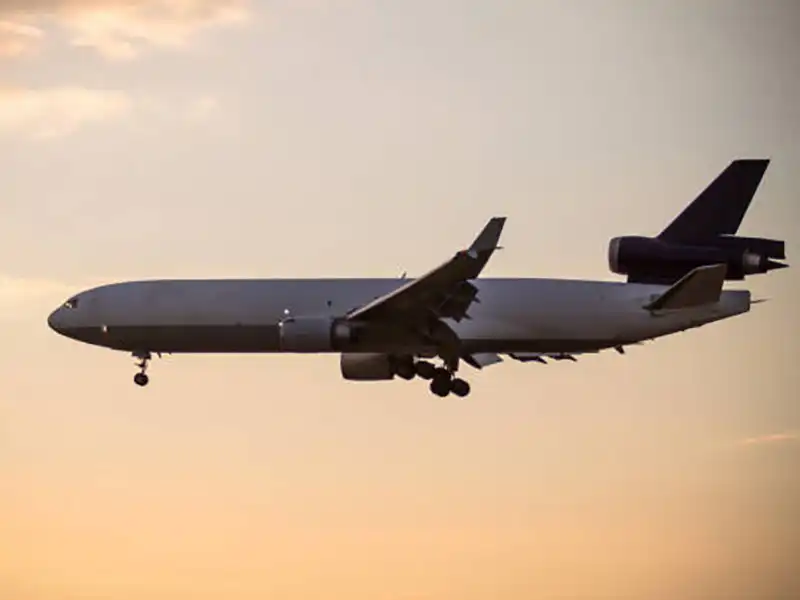
International air passenger traffic growth for Indian carriers is expected to remain relatively stronger, supported by a low base effect, expanding e-visa and visa-on-arrival coverage, and the Government of India’s focus on developing theme-based and iconic tourist destinations. ICRA estimates international passenger traffic growth at 7–9% for 2025-26 and 8–10% for 2026-27.
ICRA projects the net loss of the Indian aviation industry to decline to Rs. 110–120 billion in 2026-27 from an elevated Rs. 170–180 billion in 2025-26.
The current fiscal year has witnessed modest domestic passenger traffic growth due to cross-border escalations, weather-related disruptions, travel hesitancy following the June 2025 aircraft accident, the impact on business travel amid headwinds from elevated US tariffs, and operational disruptions at IndiGo in December 2025.
Kinjal Shah, Senior Vice President & Co-Group Head, ICRA, said, “ICRA has maintained a Stable outlook for the Indian aviation industry, supported by expectations of modest growth in domestic air passenger traffic and a gradually improving operating environment, despite near-term challenges. The industry is expected to report a net loss of Rs. 170–180 billion in 2025-26, significantly higher than the estimated net loss of around Rs. 55 billion in 2024-25. However, losses are likely to reduce to Rs. 110–120 billion in 2026-27, led by growth in domestic passenger traffic and the expected normalisation of operations after disruptions in 2025-26 that resulted in flight cancellations and passenger refunds.
The industry’s debt metrics, which weakened in 2025-26 with an estimated interest coverage of 0.7–0.9 times compared to 1.8 times in 2024-25, are expected to improve to 1.3–1.5 times in 2026-27, despite rising debt linked to new aircraft deliveries.”
Aviation turbine fuel (ATF) prices and the rupee-dollar movement continue to significantly influence airline profitability. Fuel costs account for 30–40% of operating expenses. Airlines have seen some relief on ATF prices this year, with average ATF prices at Rs. 91,173 per KL during 11M 2025-26 (April 1, 2025, to February 1, 2026), which is 4% lower year-on-year. However, this remains higher than the pre-Covid level of Rs. 64,715 per KL in 2019-20.
Meanwhile, the INR depreciated against the USD by around 3.2% year-on-year during 9M 2025-26. While this level of depreciation may not be materially disruptive in isolation, it adds pressure to the cost structure of an already loss-making industry. Key expenses such as aircraft lease rentals, maintenance costs, and debt servicing are highly sensitive to currency movements. Although domestic airlines have a partial natural hedge through earnings from international operations, they continue to have net foreign currency payables.
Industry yields declined during 9M 2025-26 on a year-on-year basis due to external events such as cross-border escalations, the aircraft crash, and operational disruptions at IndiGo in early December 2025. Despite these challenges, the decline in yields was not as steep as the reduction in fuel Cost per Available Seat Kilometre (CASK), as airlines attempted to sustain yield levels amid rising cost pressures from currency fluctuations and operational expenses related to cancellations and delays. ICRA expects yields to improve in the near term as temporary disruptions ease. However, ATF prices and the USD-INR exchange rate will remain key monitorables.
The industry added around 4% capacity in CY2025, with the total fleet size reaching 865 aircraft as of December 31, 2025. Several industry players have announced large aircraft purchase orders. As per indicative estimates, pending aircraft deliveries exceed 1,700 as of January 31, 2026, and are expected over the next 10 years. A significant portion of these orders is for replacing older aircraft with new fuel-efficient models.
Grounded aircraft have been a major concern in recent years. Addressing this, Shah added, “Engine failures and supply chain challenges had led to 20–22% of the total industry fleet being grounded as of September 2023. This has declined to 13–15% as of February 2026, corresponding to 117 aircraft.”
As the number of grounded aircraft reduces further and fresh supply enters the market, the balance between supply and steadily rising demand from domestic and international travellers is expected to move toward a more stable equilibrium.
Published on:
24 February 2026
Share:
We Value Your Comment