India’s underground infrastructure ecosystem is expanding at an unprecedented pace, with nearly 1,300 tunnels currently in various stages of planning, bidding, or execution, spanning over 3,600 km across the country. Experts identified several key growth drivers, including the expansion of metro rail networks, improved highway and railway connectivity in hilly and strategic border regions, hydropower development, oil and gas underground storage, and water supply and sewerage tunnels to support rapidly growing urban centres.
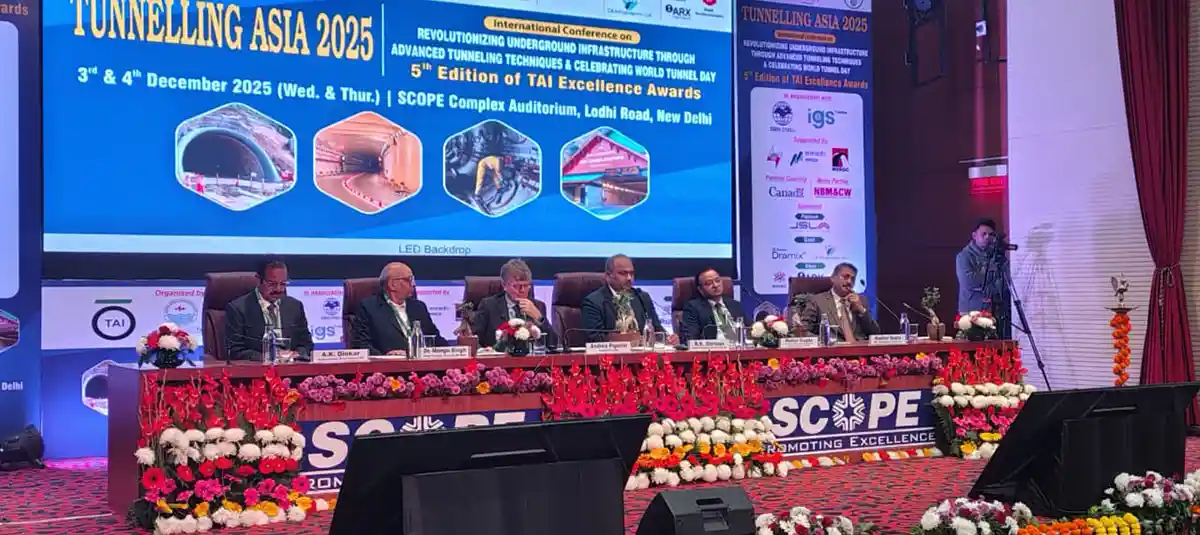
Sh. R. K. Dhiman, President, TAI, and Andrea Pigorini, President, ITA-AITES, also graced the occasion and emphasised that India is poised to play a pivotal role in shaping the future of underground infrastructure globally.
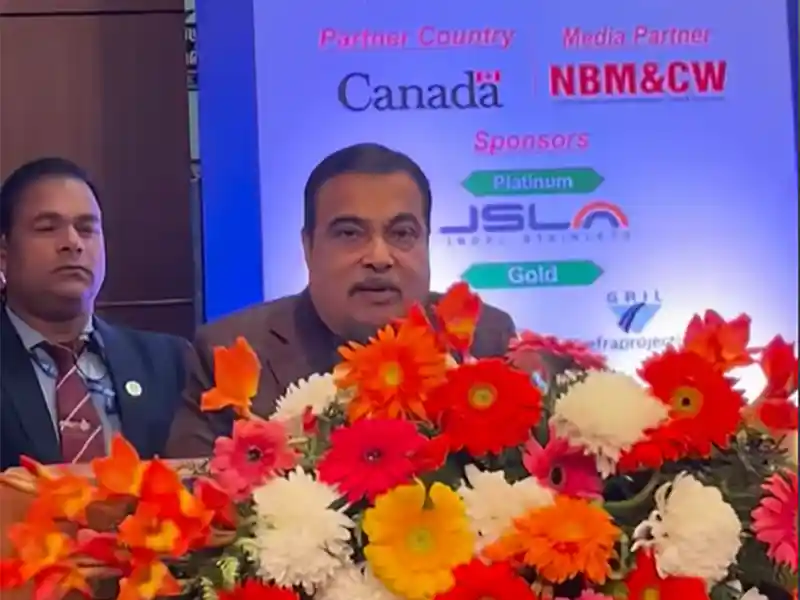
Addressing the gathering on World Tunnel Day, Union Minister for Road Transport and Highways, Nitin Gadkari, stated, “We need innovative, cost-effective solutions and strong partnerships with global technology providers to bring advanced capabilities into the country. The first step is to make new tunneling machines available in India at a reasonable cost. The second option is to import pre-owned machines and re-engineer them locally using Indian technological expertise and components. This approach can make such machines functional and significantly more affordable. I firmly believe India is now emerging as one of the world's most important and rapidly developing economies. Our mission is to make India the third-largest global economy. We need world-class infrastructure, and to achieve this, we require good roads, strong bridges, and now, modern tunnels, all of which are critical. Our ministry alone is currently working on tunnel projects worth more than ₹2 lakh crore, and this number will continue to grow.”
With the sector projected to grow at a 10–12% CAGR over the next five years, the industry is witnessing rapid adoption of Tunnel Boring Machines (TBMs), real-time monitoring systems, precast tunnel lining solutions, and advanced digital engineering technologies.
However, experts stressed the need to overcome critical challenges, including complex geological conditions, safety compliance, land acquisition bottlenecks, environmental clearances, and alignment constraints, to ensure sustainable and efficient execution of tunneling projects.
The conference hosted multiple technical sessions covering Roads and Highways Tunnels, Railway and Metro Tunnels, Hydropower Tunnels, and Tunneling in Mixed Ground and Challenging Geologies. Notable case studies included presentations on the Atal Tunnel and “Overcoming Geotechnical Challenges in Himalayan Tunneling Using NATM: The Shimla Bypass Tunnel Package.”