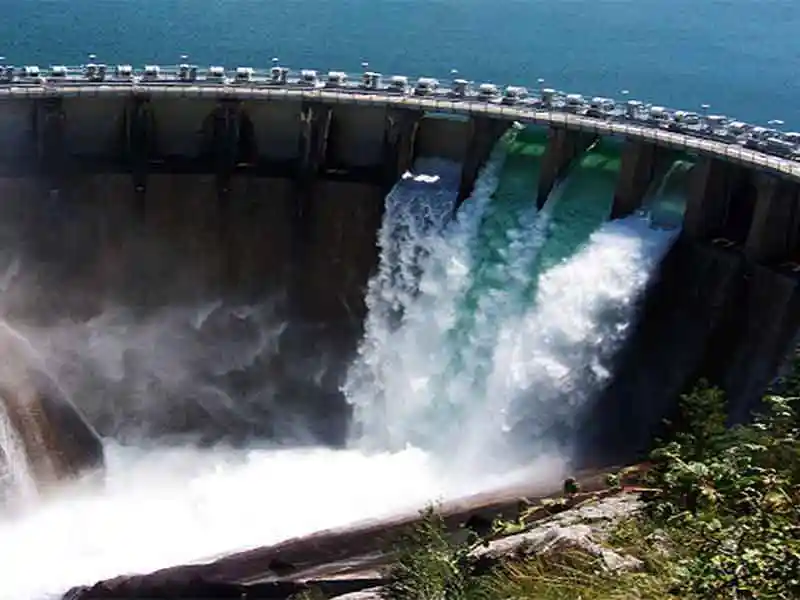
The scheme will promote small hydro projects in the 1–25 MW range across India, with a special focus on hilly and North Eastern states that have high untapped potential. It includes central financial assistance of up to Rs 3.6 crore per MW or 30% of project cost (capped at Rs 30 crore per project) for North Eastern and border districts, while other states will receive up to Rs 2.4 crore per MW or 20% of project cost (capped at Rs 20 crore per project).
Out of the total outlay, Rs 2,532 crore has been earmarked for project implementation. The initiative is expected to attract investments of around Rs 15,000 crore, boost clean energy generation and drive development in remote and rural regions.
The scheme will also support domestic manufacturing by ensuring that plant and machinery are sourced indigenously, aligning with the government’s Atmanirbhar Bharat vision while creating employment opportunities and strengthening India’s renewable energy capacity.
The scheme will also incentivise the states to prepare the detailed project report for about 200 projects to create a pipeline of small hydro projects in future. An amount of Rs.30 crore has been kept to support state and central government agencies to prepare such DPR.
The scheme will support 51 lakh person days of employment during the project construction and will also enable employment in maintenance and operation of these SHPs which will come up in largely rural and remote locations. SHP projects being decentralized in nature, the requirement of long transmission line is minimal, which also reduces the transmission losses.
Launching of this Scheme will rejuvenate the Small Hydro Power sector and will help in exploiting the available potential at a much faster pace. SHP projects are environmentally sustainable, as they avoid large-scale land acquisition, deforestation, and displacement of communities. It will also promote socio-economic development of remote areas by boosting local investment, apart from creating long-term employment with project lifespans typically ranging from 40 to over 60 years.