
Vollert India Offers Customised Precast Concrete Solutions
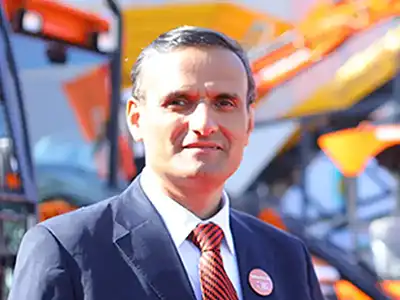
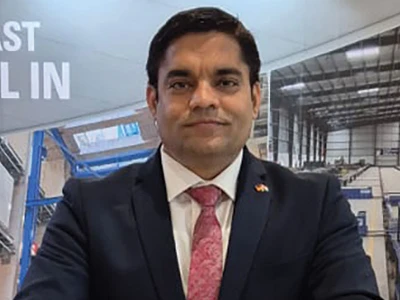 Krishan Mohan Sharma, Head - Vollert India
What innovative products and solutions are you offering to customers engaged in infra construction?
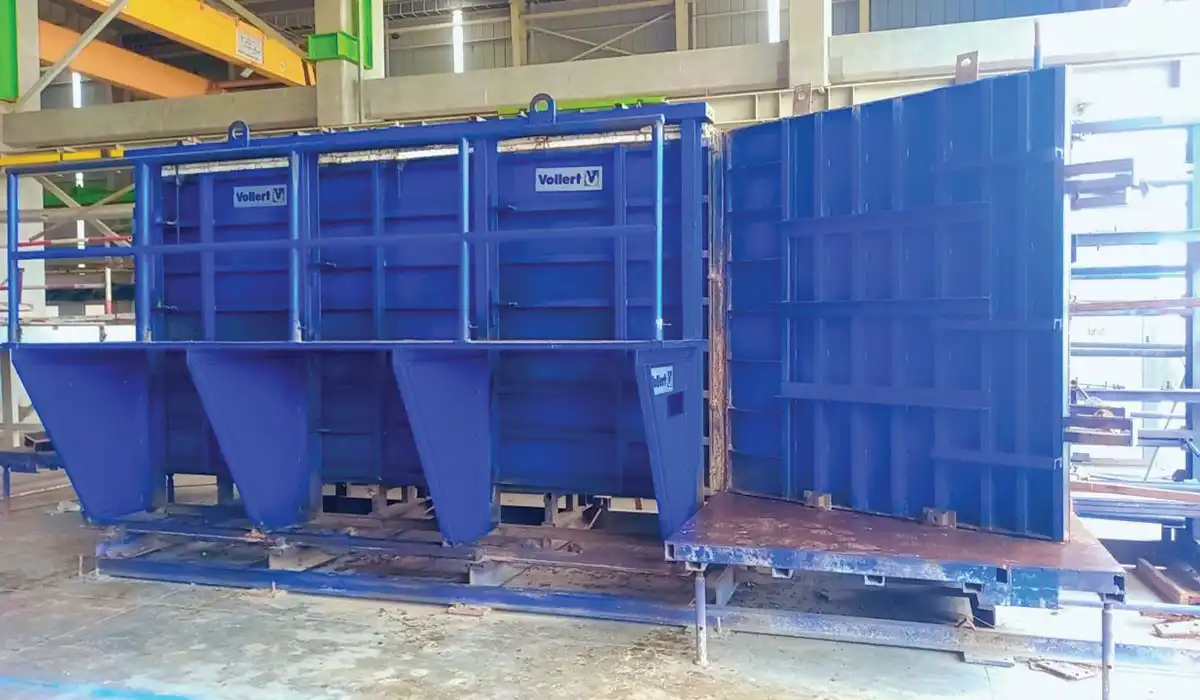
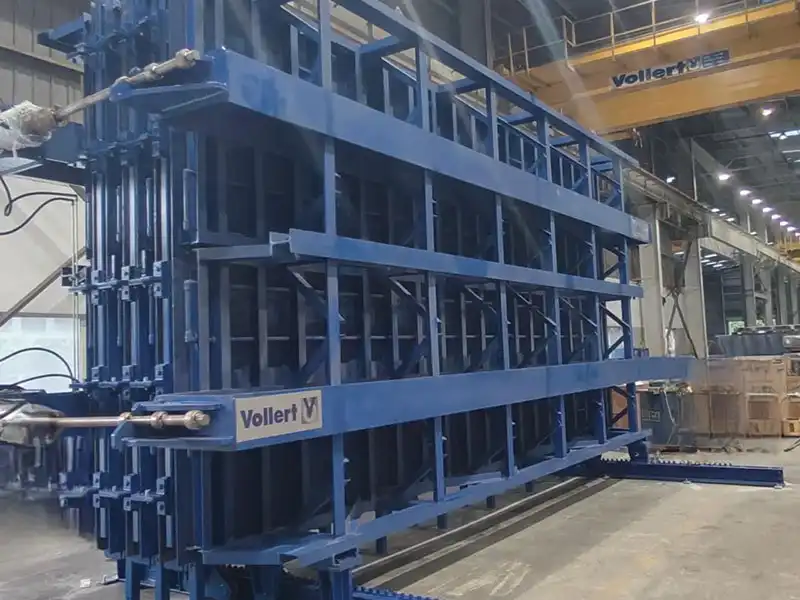
Customers are looking for customized solutions, like the box culverts we have supplied for road infrastructure. To utilize space, we have recently supplied battery moulds for vertical casting of walls, which is being implemented in India as well as in countries like the USA and Kazakhstan. People are slowly moving towards precast solutions due to the safety and the automated processes. We expect to see more projects coming up in residential buildings, roads, and metro rails.
What are the company’s manufacturing capabilities?
We offer highly customized solutions, depending on the project and the customer’s requirements such as for manufacturing precast concrete walls, slabs, and components that require specific systems. We also provide tilting tables, staircase moulds, and flatbeds for making precast elements that require minimum investment, but for a customer looking for a larger setup, we offer comprehensive solutions, such as a TCT (Transform Compacting Tilting) system or a centralized shifter system for higher output requirements. In both the scenarios, we deliver tailored solutions to ensure that they meet the customer’s needs.
How do you see the use of IoT, AI, and data analytics improving operational efficiency and increasing production?
Nowadays, we see sensors being used for curing that significantly reduce the cycle time of a product. Our equipment is designed with plug-and-play IoT systems, and we are using the latest data and analytics to monitor and understand machine behaviour. Machines for making precast elements are more modernized now; they are IoT-friendly, allowing seamless connections for controlling temperature, humidity, and the entire curing lifecycle. IoT is indeed enabling and helping us improve efficiency and outcomes.

What R&D is being undertaken by the company?
We will be celebrating our 100th anniversary this June. We have invested heavily in R&D, based on which, we have developed a system that is highly recommended for high seismic zone areas. We have proved its effectiveness to the world, as demonstrated in Kazakhstan, where we constructed a building that underwent live testing during an earthquake exceeding seven on the Richter scale. In the live test, nothing happened, and the building remained intact. This is one of the latest advancements we have achieved. Another innovation that we have introduced is a technology that reduces both concrete and water usage. Our battery mould is the latest innovation, incorporating advanced hydraulics, electronics, and IoT.
Which sectors are driving the most demand for precast solutions?
A lot of infrastructure development is happening in India, in roads, railways, etc. We will be supplying equipment to the National High-Speed Rail Corporation for the Bullet Train. We have guidelines from RDSO (Railway Design and Standards Organisation) as they are looking at steel-reinforced concrete sleepers for tracks, instead of the current wood and steel. RDSO is working on systems that reduce human intervention because bullet trains and high-speed rails require utmost attention to quality. We also expect to see many older factories being revamped with the latest technologies.
What challenges does the industry face and how can the Government alleviate them?
A challenge that we face is the shortage of skilled manpower. To address this, we have established a skill development centre where our managers and engineers are actively training individuals to ensure we have skilled personnel for operating machines and handling the precast elements efficiently. Another concern that requires government attention is infrastructure development, particularly at toll booths. The width at some of the toll booths is often inadequate, making it difficult to move high-width trailers and steel through them.
On a positive note, we have seen improvements in ease of doing business, and I must thank the government for enabling better industry linkages with the local administration, which has been very supportive. However, the GRAP (Graded Response Action Plan) guidelines present certain challenges. The government needs to understand the pain points of the industry. GRAP rules are applied uniformly within a 200-kilometer periphery, regardless of varying pollution levels in different areas. Instead of a complete ban, the government should engage with industry leaders to identify where environmental guidelines are genuinely required and where they may not be necessary.
The government should also focus on enabling and supporting our production facilities. As an industry, we are committed to supporting environmental sustainability, and precast manufacturing is an environment-friendly practice.
How are you aligning with the government’s ‘Make in India and export to the world’ initiative?
Vollert India is a global manufacturing hub for the Vollert group. Mr. Vollert, owner of the organization, has a lot of confidence in the Indian market. Last year, we exported more than 50% of our products to the USA, Saudi Arabia, Kazakhstan, Thailand and many other countries. We are now manufacturing in India, supporting the "Make in India" movement with local production, and also exporting. This is a great success story, and we appreciate the government's initiative for ease of doing business with foreign investors.
However, political turmoil in countries like Egypt and tensions between China and America have led to disruptions in the supply chain, which affected our production and space utilization and caused delays in projects as we had to keep materials at the factory until they could be shipped.