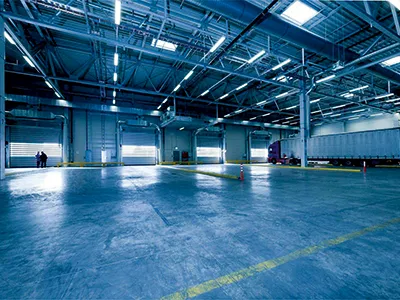
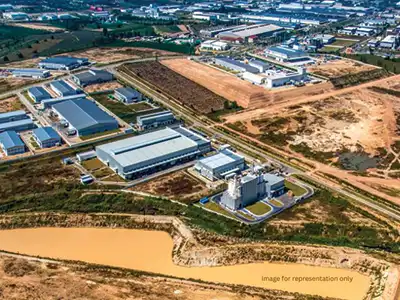
Building on the success of the National Industrial Corridor Development Programme (NICDP), the scheme will be implemented by the National Industrial Corridor Development Corporation (NICDC) in partnership with state governments and private sector players. It aims to create world-class industrial infrastructure with pre-approved land, ready utilities, streamlined approvals, and integrated services, enabling industries to commence operations quickly.
Under BHAVYA, industrial parks ranging from 100 to 1,000 acres will receive financial assistance of up to ₹1 crore per acre for core, value-added, and social infrastructure. The scheme will also provide support for external infrastructure of up to 25% of the project cost, ensuring seamless connectivity with existing transport and logistics networks.
Designed in line with the PM GatiShakti framework, the parks will feature multimodal connectivity, integrated underground utility corridors, green energy solutions, and sustainable infrastructure. Project selection will be undertaken through a challenge-based process, encouraging investment-ready proposals from reform-oriented states.
The initiative is expected to generate substantial direct and indirect employment across manufacturing, logistics, and services while attracting significant domestic and global investments. By promoting cluster-based industrial development and strengthening supply chains, BHAVYA is set to enhance India's manufacturing competitiveness, boost exports, and accelerate the country's transition towards Atmanirbhar Bharat.
Mr. Vimal Nadar, National Director & Head, Research, Colliers India, stated, “The recent launch of the BHAVYA (Bharat Audyogik Vikas Yojna) Scheme, with an outlay of over INR 33,000 crore, is expected to accelerate the development of industrial parks across the country. The scheme aims to create investment-ready industrial ecosystems with pre-approved land, ready infrastructure, and integrated services, which will reduce the timelines for setting up manufacturing facilities and ultimately boost warehousing demand in and around these parks.
With continued policy support driving long-term demand, annual industrial and warehousing space uptake is expected to breach 50 million sq. ft. (msf) across the top cities by 2030, up from around 35–40 msf currently. Overall, the scheme is expected to promote the emergence of new manufacturing centres, strengthen logistics and supply chains, and usher in balanced economic development across the country.”