"Our collaboration with National Highways for Electric Vehicles (NHEV) marks an important milestone in our journey to scale electric mobility. It enables us to evaluate the commercial viability of heavy electric freight operations on India's emerging E-Highway network while laying the foundation for a more sustainable and future-ready logistics sector." Nikhil Agarwal, President, CJ Darcl Logistics

Scaling Electric Mobility Across Logistics Operations
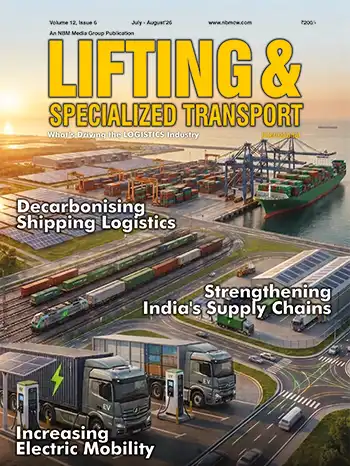
Fleet electrification forms part of our broader decarbonization strategy and long-term vision of building a sustainable, future-ready logistics network. Our approach has been to adopt electric mobility in a phased manner, beginning with applications where the technology can be evaluated effectively before expanding into higher-capacity freight operations.We began this journey in 2023 with the deployment of our first electric vehicle for intra-city cargo movement in Bengaluru under our Driving Towards a Greener Tomorrow initiative. The vehicle was deployed for a leading construction equipment OEM, marking our first step towards integrating alternative-fuel vehicles into commercial logistics operations.
Building on this progress, we inducted our first heavy-duty Battery Electric Vehicle (BEV) in partnership with Volvo Trucks, marking our transition from pilot electric mobility initiatives to commercial heavy-duty electric freight operations. The collaboration involved extensive technical assessments covering routes, payloads, and fleet integration before the vehicle entered live operations.
Most recently, our partnership with National Highways for Electric Vehicles (NHEV) represents the next stage of this journey, focusing on evaluating the commercial viability of heavy electric freight operations on India's emerging E-Highway network.
Together, these initiatives reflect our approach to scaling electrification in line with operational readiness, infrastructure development, and long-term sustainability goals.
Strengthening EV Operations Through Infrastructure and Partnerships
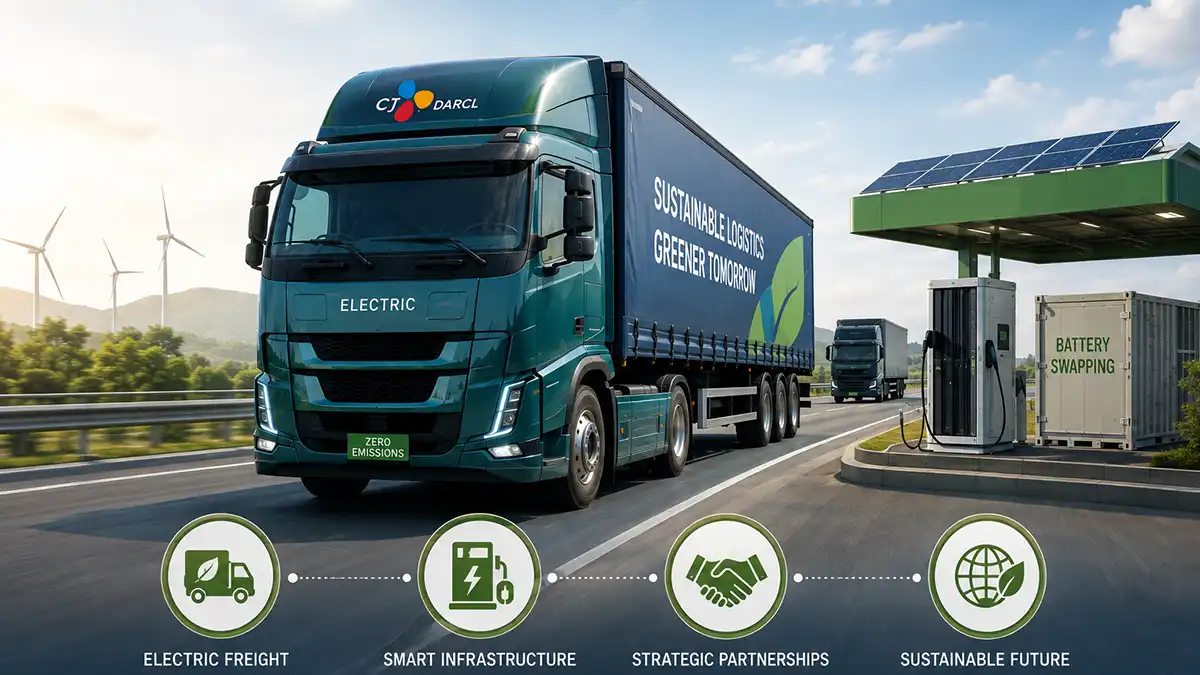
The transition to electric freight requires more than simply adding EVs to the fleet. It depends on reliable infrastructure, collaborative partnerships, and operating models that can support long-term scalability.Recognizing this, we have partnered with NHEV to evaluate heavy electric freight operations on dedicated E-Highways. The collaboration provides access to integrated 3G Energy Stations comprising EV charging infrastructure, battery swapping, solar power integration, warehousing, and strategically located logistics hubs. These capabilities are expected to improve fleet utilization, enhance operational efficiency, and reduce freight emissions across key logistics corridors.
Ahead of inducting our first heavy-duty BEV, we also worked with Volvo Trucks on technical assessments covering routes, payloads, and fleet integration to facilitate its deployment into commercial operations.
From a commercial perspective, our focus remains on evaluating the viability of heavy electric freight through real-world deployments and ecosystem partnerships. The NHEV collaboration also includes utilization-assured operating models, fleet management, driver training, and the development of operational standards, helping create the foundation for commercially sustainable operations.
Expanding Electric Freight with a Future-Ready Ecosystem
Our future roadmap is focused on scaling electric freight operations in line with the development of supporting infrastructure and commercially viable operating models.As part of our collaboration with NHEV, the Bengaluru–Chennai corridor has been identified as the priority route for piloting heavy electric freight operations on the Zero Emissions Trucking (ZET) E-Highway. The partnership includes the joint development of 3G charging infrastructure and the operation of a fleet of heavy-duty electric trucks along the corridor.
Beyond infrastructure, both organisations will work together on fleet management, driver training, the identification of OEM partners, utilization-assured operating models, and the development of operational standards to support wider adoption.
Looking ahead, we believe the transition to sustainable logistics will be driven by collaboration among vehicle manufacturers, infrastructure providers, logistics operators, and policymakers. As the EV ecosystem continues to mature, we will continue to evaluate opportunities to integrate cleaner technologies into our multimodal logistics network while advancing our broader decarbonization strategy, including efforts to reduce Scope 1, Scope 2, and Scope 3 emissions.