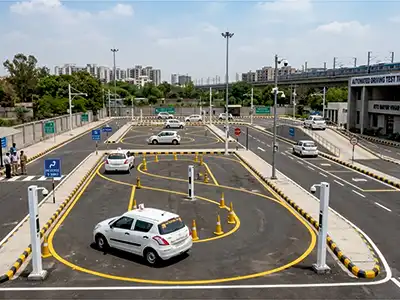
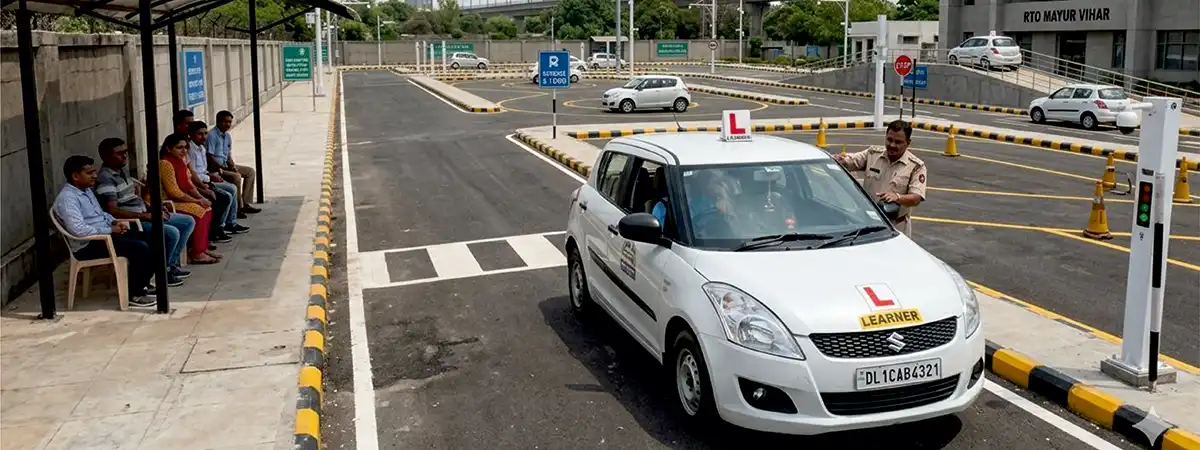
Calling for urgent reforms to India's driver training and licensing ecosystem to address the country's persistent road safety crisis, the report highlights that despite stronger laws, enforcement measures, and infrastructure improvements, road accidents and fatalities continue to rise, pointing to deeper behavioural and systemic gaps. It identifies driver preparedness as a critical missing link, noting that a large proportion of drivers enter the system without formal training and receive little or no skill reinforcement after obtaining a licence.
It further underscores that India's current licensing framework remains largely procedural, with limited focus on assessing real-world driving competencies such as hazard perception, defensive driving, and decision-making under complex traffic conditions. This gap, the report argues, weakens the effectiveness of broader road safety interventions.
Commenting on the findings, Aarti Harbhajanka, Co-founder and Managing Director, Primus Partners, said, "Rethinking driver training is not a peripheral reform but a foundational one. Safer roads ultimately depend on drivers' awareness, judgement and sense of responsibility, which must be built through structured and behaviour-oriented training systems."
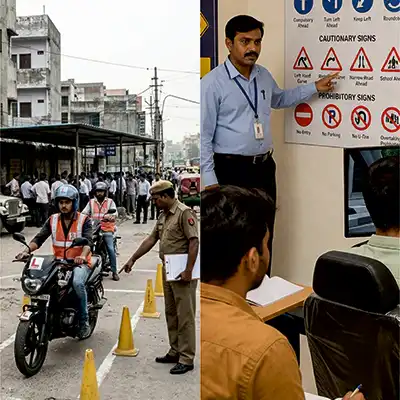
Further, Shri S.N. Dhole, Head, Technical Secretariat, Central Institute of Road Transport, Pune, said, "Road safety in India has seen significant advancements through stronger vehicle standards and regulatory frameworks over the years. However, safety is not determined by engineering alone. The competence, discipline, and preparedness of drivers remain critical to ensuring these standards translate into real-world outcomes. Strengthening driver training through structured learning, objective testing, and continuous skill reinforcement is essential to making the licensing system a true measure of capability. This report presents a timely and constructive pathway to align driver training frameworks with India's broader road safety goals."
By placing driver capability at the centre of road safety policy, the report calls for a transition from a reactive, enforcement-led model to a more preventive and competency-driven system aimed at reducing accidents and saving lives.