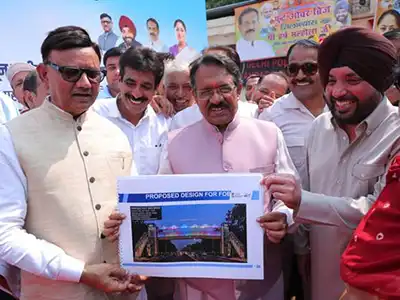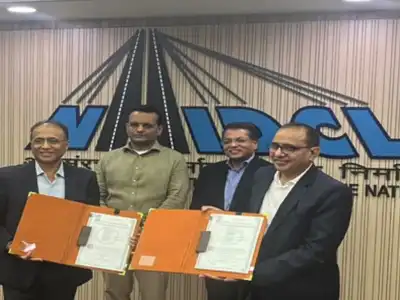
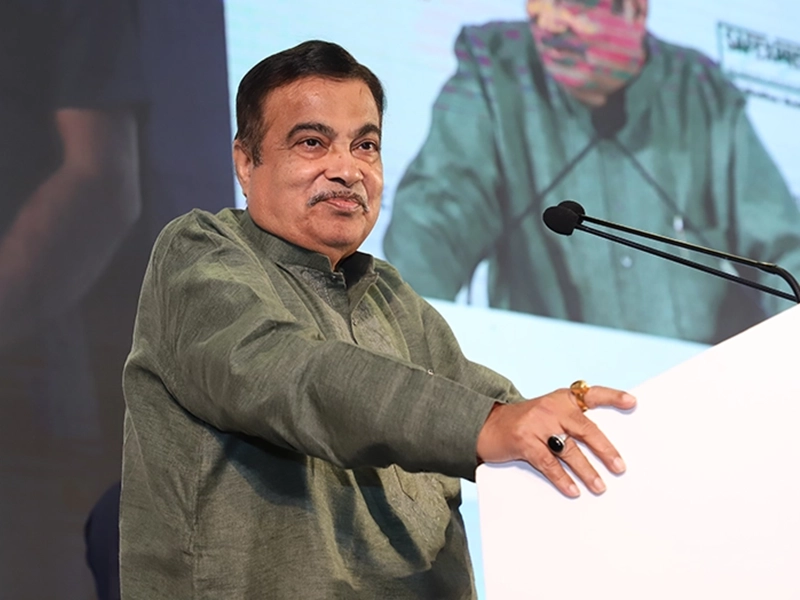
Gadkari inaugurated the country’s first barrier-less toll plaza at Mundka–Bakkarwala on the Urban Extension Road II (UER-II) in the National Capital Region. The event was attended by Ministers of State Ajay Tamta and Harsh Malhotra, along with officials from National Highways Authority of India and Indian Highways Management Company Limited.
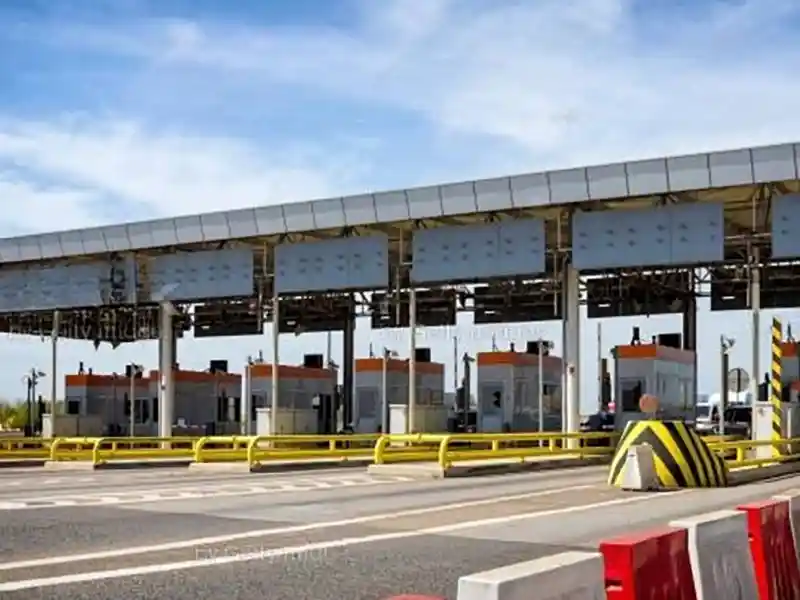
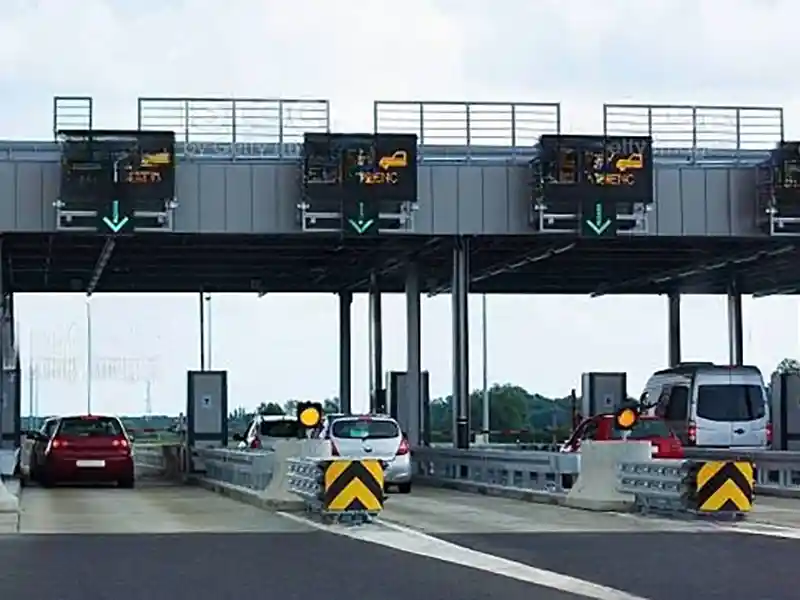
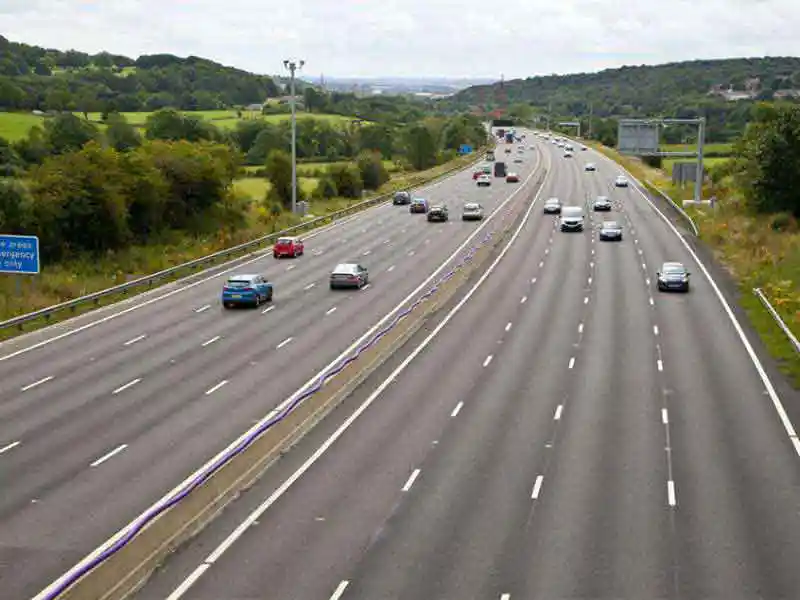
The MLFF system introduces a contactless tolling framework that allows vehicles to pass through toll points without stopping, improving traffic flow and operational efficiency. The technology is expected to reduce congestion, enhance fuel efficiency and support faster movement across national highways.
Shri Gadkari said that the MLFF system has been developed using advanced international-standard technology and required extensive consultations with technology providers and private stakeholders. He said the Government remains committed to continuously upgrading highway technology while ensuring sustainable development and greater commuter convenience.
Highlighting the benefits of the new system, Shri Gadkari said that the barrier-less tolling mechanism will significantly reduce waiting time at toll plazas, resulting in substantial fuel savings and smoother travel experience for commuters. He noted that vehicles will no longer be required to stop at toll plazas, thereby improving traffic flow and reducing congestion on highways.
Emphasising the economic advantages of the initiative, Shri Gadkari said that toll collection operations earlier incurred expenditure of nearly 15 per cent, which under the MLFF system is expected to reduce to around 3-4 per cent. He stated that the reduction in operational costs could result in annual savings of approximately ₹5,000-6,000 crore. He further observed that technology-driven reforms in toll collection have substantially increased highway revenues over the years.
The Minister informed that the MLFF system is expected to save nearly 250 crore litres of fuel annually and help reduce approximately 81,000 tonnes of carbon emissions, thereby contributing significantly towards pollution reduction, particularly in Delhi-NCR.
Shri Gadkari also highlighted the Government’s focus on the concept of “waste to wealth” through innovative infrastructure practices. He said municipal waste generated in Delhi is being scientifically processed and utilised in highway construction projects such as the Dwarka Expressway and Delhi-Mumbai Expressway. He further stated that bio-bitumen developed from crop residue and waste materials is being increasingly used in road construction to reduce import dependency and minimise environmental pollution.
Expressing concern over road safety, Shri Gadkari said that a large number of road accidents take place in the country every year and stressed the need for greater public awareness and responsible driving behaviour. He added that advanced Artificial Intelligence (AI)-based technologies integrated into the MLFF system would help improve monitoring and traffic management.
He said the system would provide commuters with zero waiting time, smoother travel experience and reduced transportation costs.
The Minister also appealed to the media and citizens to support the initiative and spread awareness about the benefits of technology-driven highway reforms for public convenience, environmental protection and national development.
The system integrates Automatic Number Plate Recognition (ANPR) technology with FASTag-based Electronic Toll Collection to facilitate automated user fee collection with minimal human intervention. The implementation of MLFF marks a major advancement in development of digital National Highway infrastructure and will significantly improve travel efficiency for National Highway users. By enabling uninterrupted vehicular movement, the system will help to improve travel time, enhance fuel efficiency and reduce vehicular emission at the toll location.