A Case Study
Dr. R.K. Khali, Vice President, Tunnelling Association of India (TAI) and Senior Vice President – GR Infraprojects Limited, highlights how on-ground innovation, strategic planning, and construction agility—supported by NATM, cut-and-cover techniques, and material innovations—enabled the fast-tracked and successful execution of multiple railway tunnels in Odisha under demanding conditions.

Abstract
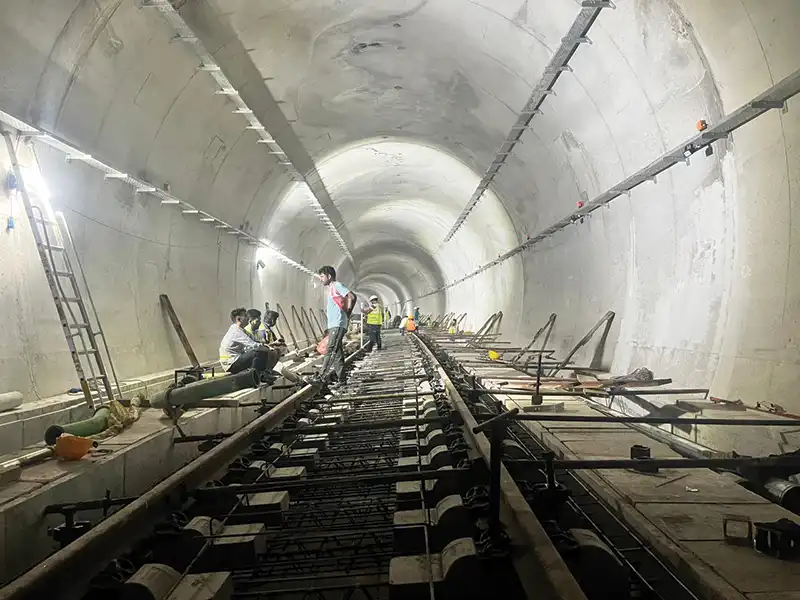
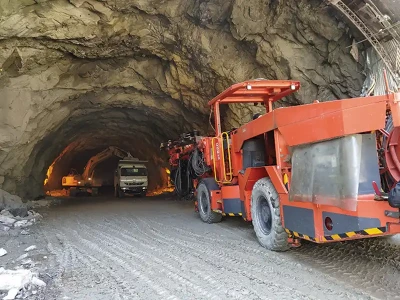
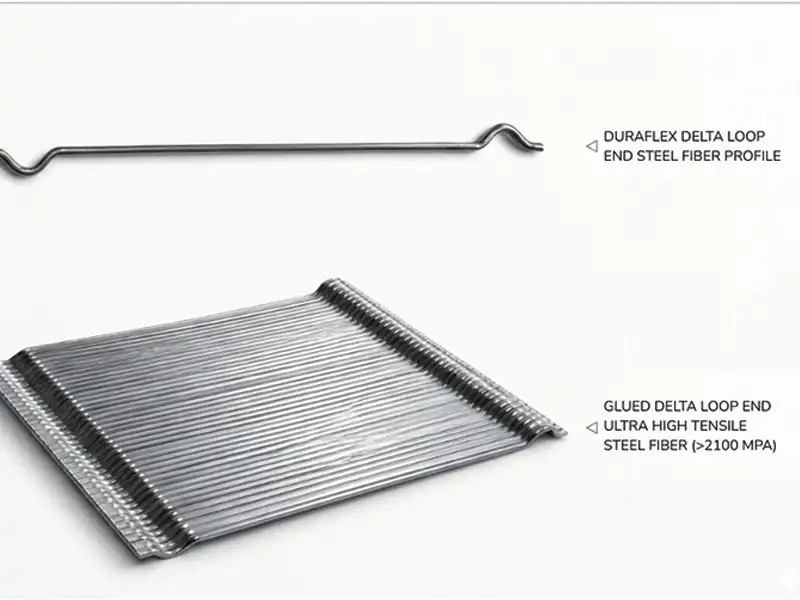
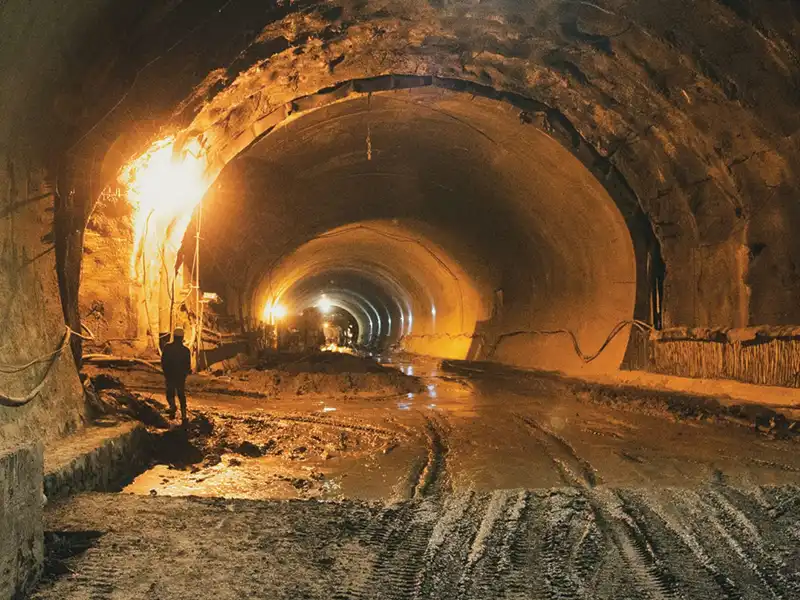
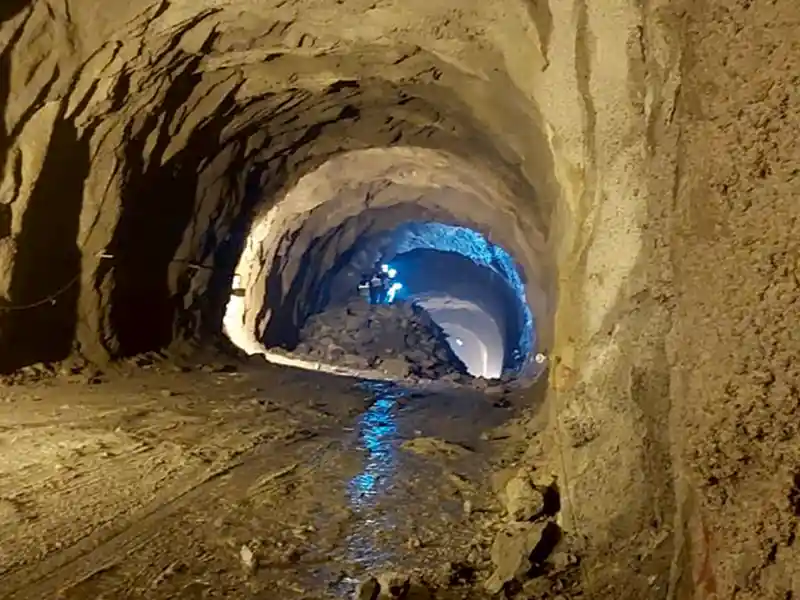
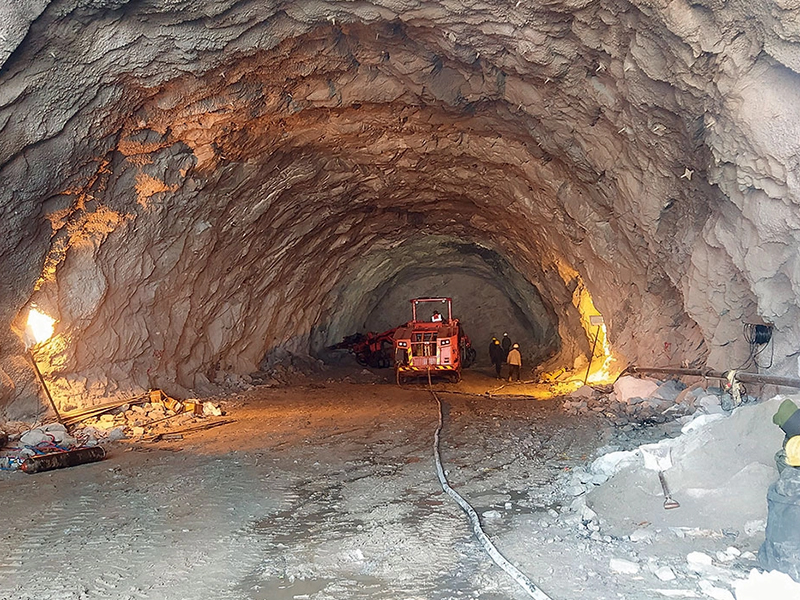
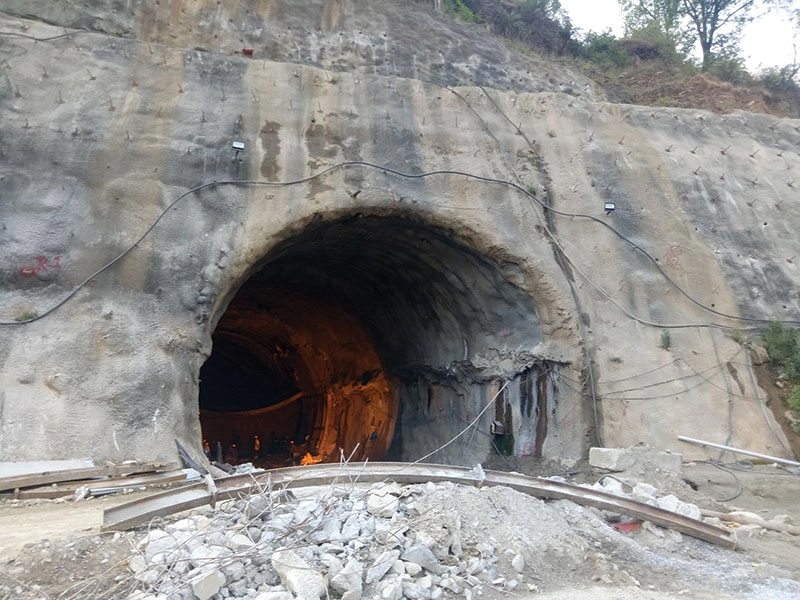
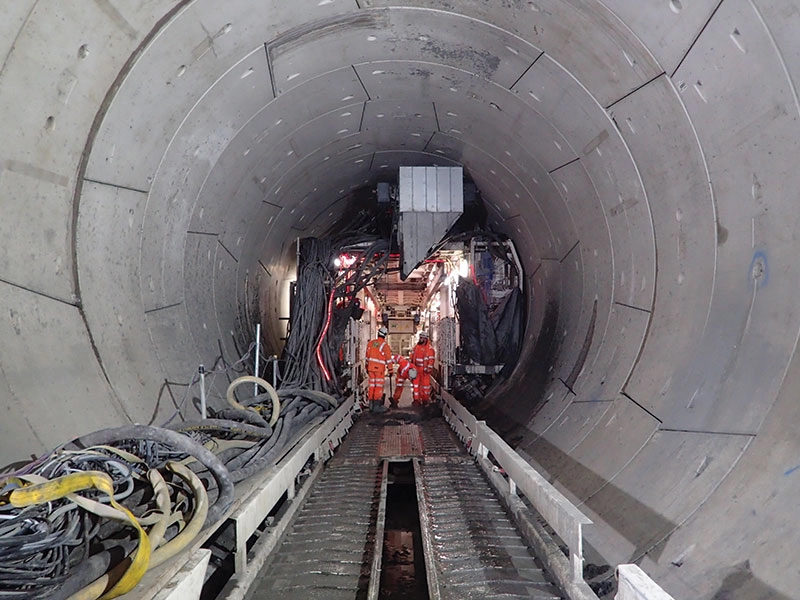
Adanigarh-Puranakatak railway tunnel project, under Pkg-5 of the Khurdha Road–Bolangir rail line project in Odisha, India, exemplifies innovation and efficiency in large-scale infrastructure development. This project has 4 tunnels viz. T4, T5, T6, and T7 spanning a total length of 7.492 kms and one escape tunnel. The project implemented a mix of Cut & Cover and NATM tunnelling method, to overcome geological and logistical challenges. Key innovations included the use of Polyfibre Reinforced Shotcrete (PFRS) instead of traditional shotcrete and wire mesh, and the introduction of polyform concrete lining, enhancing cost-effectiveness and safety. Proactive solutions, such as resolving land acquisition issues and optimizing access routes, minimized delays and reduced the costs. The project achieved 1.5 million safe working hours and preserved nearly 3,000 trees, underscoring its commitment to safety, environmental sustainability, and advanced engineering practices.