India's infrastructure sector is at the cusp of a transformative era, fuelled by significant investments in highways, railways, airports, ports, urban development, and mining. As the scale and complexity of projects continue to increase, the industry faces a critical challenge: delivering infrastructure faster without compromising quality, safety, sustainability, or cost efficiency.Along with speed and scale, infrastructure projects must demonstrate that sustainability and productivity can work in tandem to create lasting economic, operational, and environmental value, and support resilient asset performance.
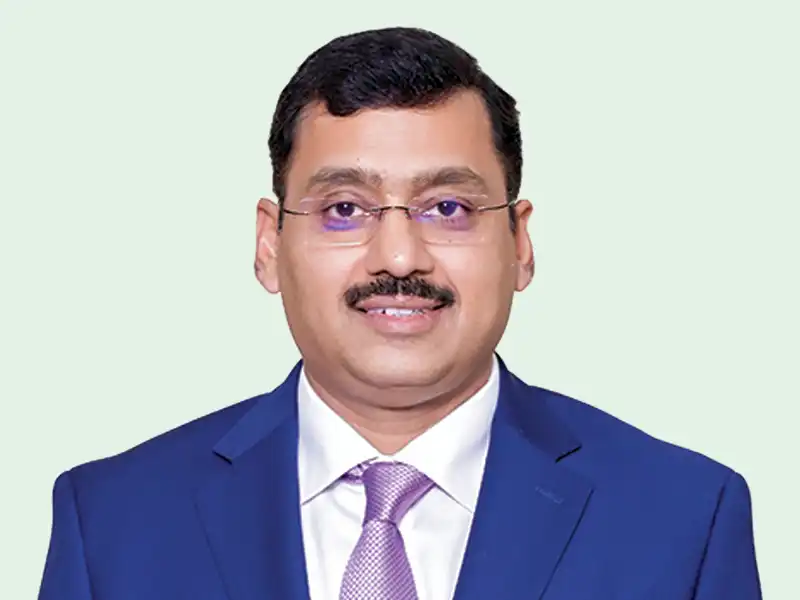
Sandeep Singh
Managing Director
Tata Hitachi

However, execution speed is phased into two parts: pre-construction and construction. In the pre-construction phase, timely land acquisition, seamless right-of-way availability, and expeditious regulatory approvals from multiple authorities are fundamental prerequisites for keeping projects on track. Delays in these areas can have a cascading impact on execution schedules, irrespective of the capabilities of contractors or the equipment deployed.
In the construction phase, mechanization and use of advanced construction equipment are among the most significant enablers of productivity. Modern machines offer higher performance, greater precision, enhanced reliability, and improved fuel efficiency, enabling contractors to execute projects with greater speed and consistency. As infrastructure projects become larger and more demanding, technology-enabled equipment is playing an increasingly vital role in enhancing operational efficiency and improving overall project economics.
Infrastructure development involves a complex ecosystem of project owners, contractors, consultants, suppliers, and regulatory agencies. Effective coordination, supported by digital project management platforms and real-time monitoring systems, helps streamline workflows, optimize resource deployment, and facilitate faster decision-making, thereby minimizing execution bottlenecks.
Another key driver of successful project delivery is the growing adoption of data-driven decision-making. The ability to monitor equipment utilization, machine health, maintenance schedules, and project progress in real time provides actionable insights that enable proactive interventions. This not only minimizes downtime and delays but also helps control costs and improve overall project outcomes.
Finally, sustainability must be viewed not as a compliance requirement but as a core pillar of infrastructure development. The use of fuel-efficient equipment, predictive maintenance practices, optimized machine utilization, and environmentally responsible construction methodologies can significantly reduce both emissions and operating costs.
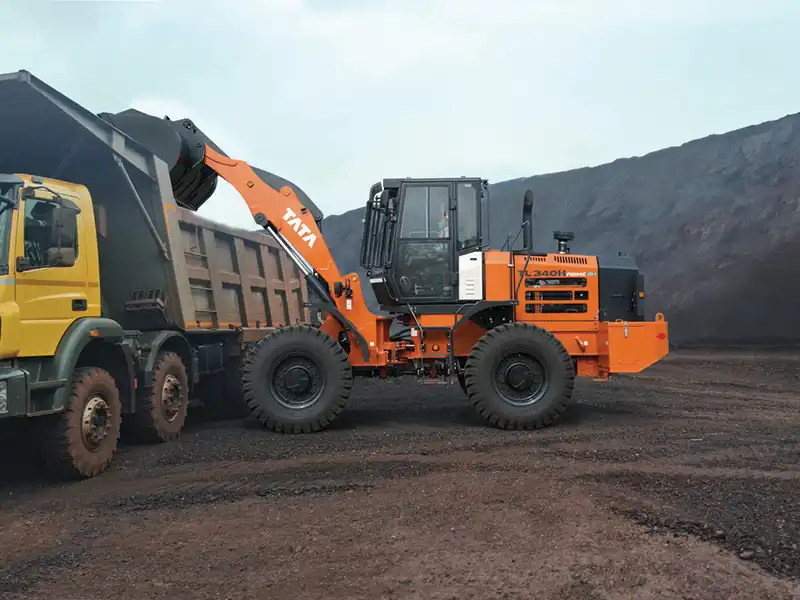
Advanced hydraulic excavators and earthmoving equipment that offer superior fuel efficiency and productivity enable contractors to move larger volumes of material in less time while consuming fewer resources. Across road construction, mining, and infrastructure projects, such machines and technologies have contributed to faster earthwork execution, lower operating costs, and improved sustainability outcomes.
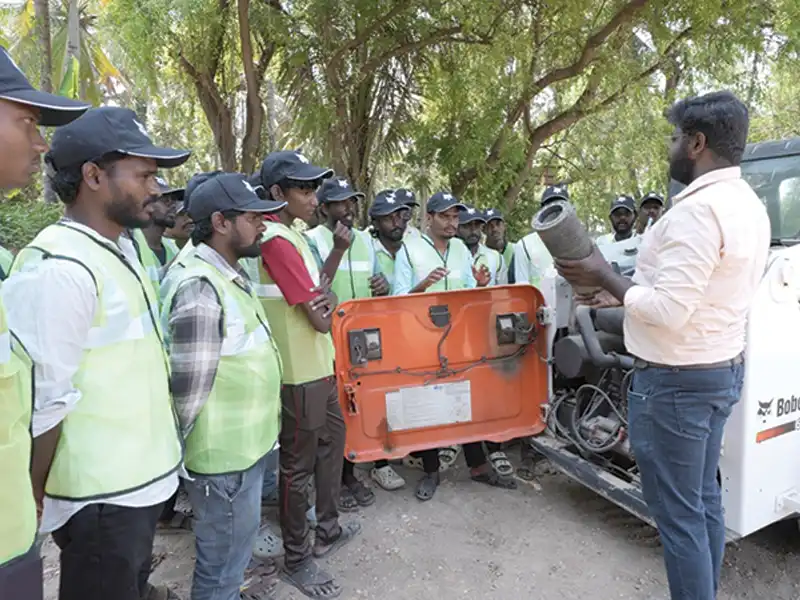
However, technology alone cannot deliver project success. Reliable aftermarket support and service responsiveness play an equally important role in ensuring equipment availability and operational continuity. At Tata Hitachi, our extensive dealer footprint and customer support infrastructure ensure that machines remain productive throughout their lifecycle, helping customers maximize uptime and maintain project schedules even in remote and demanding operating environments.
The industry is also witnessing growing adoption of lifecycle support solutions such as Annual Maintenance Contracts (AMCs), and uptime assurance programs which allow contractors to manage equipment health, reduce ownership costs, improve machine reliability, and focus on project execution rather than maintenance-related disruptions. By shifting from reactive repairs to planned maintenance, customers can achieve greater operational efficiency.
The EX2500 demonstrates world-class engineering and contributes to sustainable mining by extending equipment life while maintaining productivity with over 120,000 operating hours. Such exceptional longevity minimizes the need for premature equipment replacement, reduces lifecycle resource consumption, and maximizes return on investment for mining customers.
The EX210LC Prime E Electric with Electric Conversion Kit is a low-emission machine powered through a tethered electric system. It eliminates diesel consumption, reduces carbon emissions, noise levels, and operating costs. As an environmentally responsible alternative, it supports India's transition towards greener infrastructure development and decarbonized construction sites.
The Solar Panel Lifter Attachment has been developed to support rapid deployment of utility-scale solar power projects across India. By enabling safe, precise, and efficient handling and installation of solar panels, the attachment improves productivity while minimizing manual handling risks.
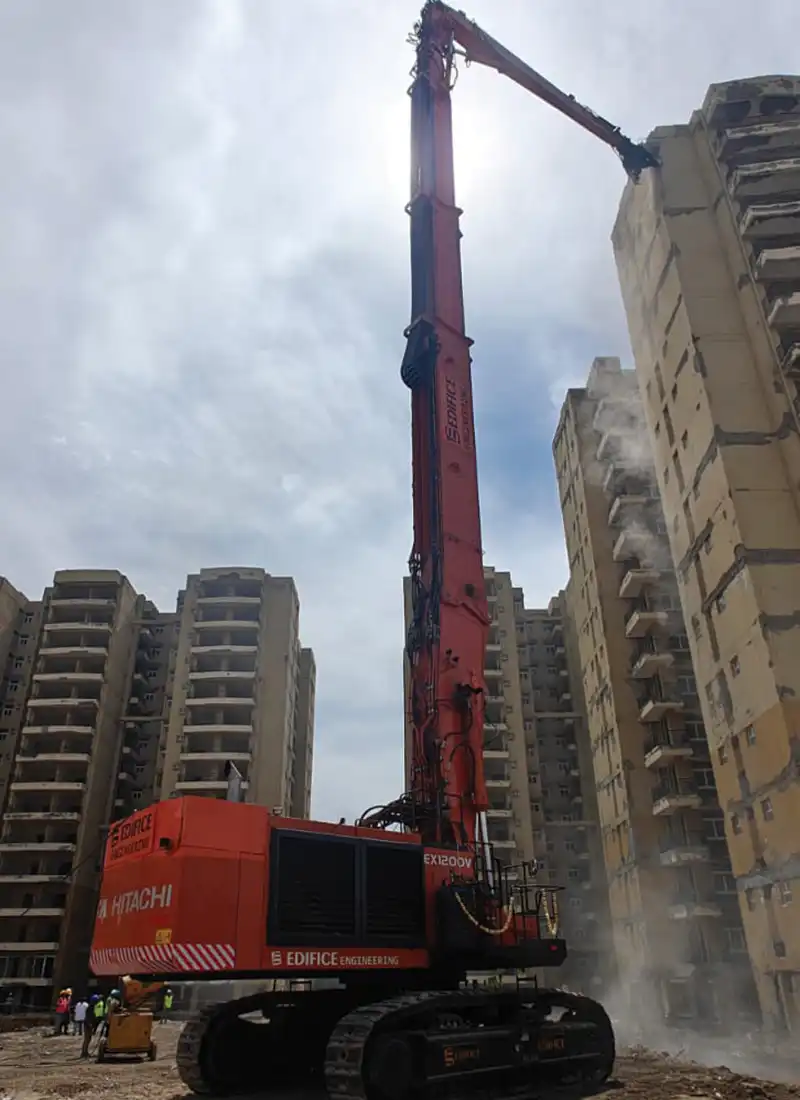
The EX1200V integrated with a specialized high-reach demolition attachment has emerged as one of Asia's tallest demolition machines, capable of safely demolishing structures up to approximately 51 meters (around 17 floors). It enables controlled, precision demolition while keeping operators at a safe distance as per compliance with the stringent regulatory requirements for high-rise demolition projects.
At Tata Hitachi, we have seen significant value being created through our digital solutions – ConSite and INSITE. ConSite leverages machine data and predictive analytics to continuously monitor equipment health and identify potential issues before they lead to breakdowns. This enables proactive maintenance, improves machine availability, and reduces unplanned downtime. INSITE, our advanced fleet and asset management platform, provides customers with real-time visibility into equipment utilization, fuel consumption, location, and performance metrics. These insights empower contractors to make informed decisions, optimize resource deployment, and improve productivity across project sites.
The future of infrastructure lies in leveraging innovation not only to build faster but also to build safer, more efficiently, and with a strong focus on long-term quality, reliability, and sustainability. Advances in equipment technology, digitalization, connectivity, and predictive maintenance are reshaping how infrastructure is built across India. Organizations that successfully embrace these will be better positioned to deliver projects that are efficient, resilient, and future-ready.