
Financing Construction Equipment
A Market Built on Finance
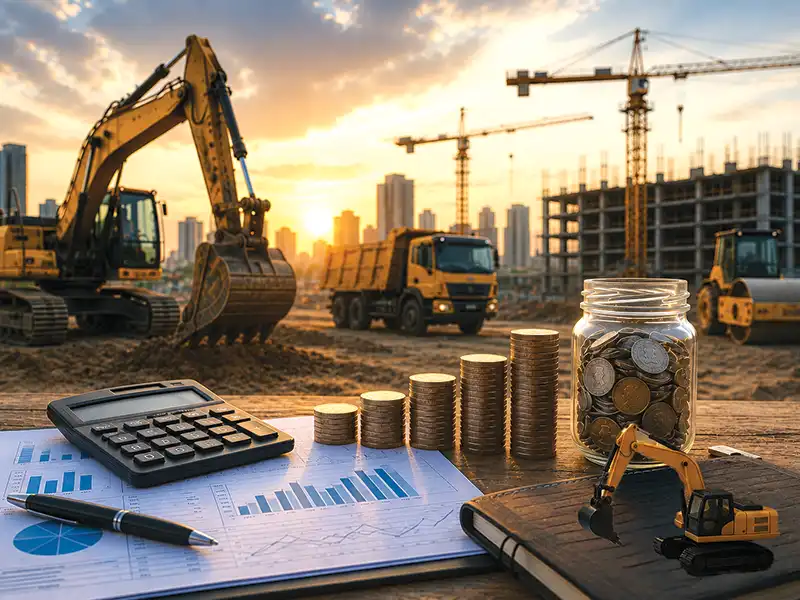
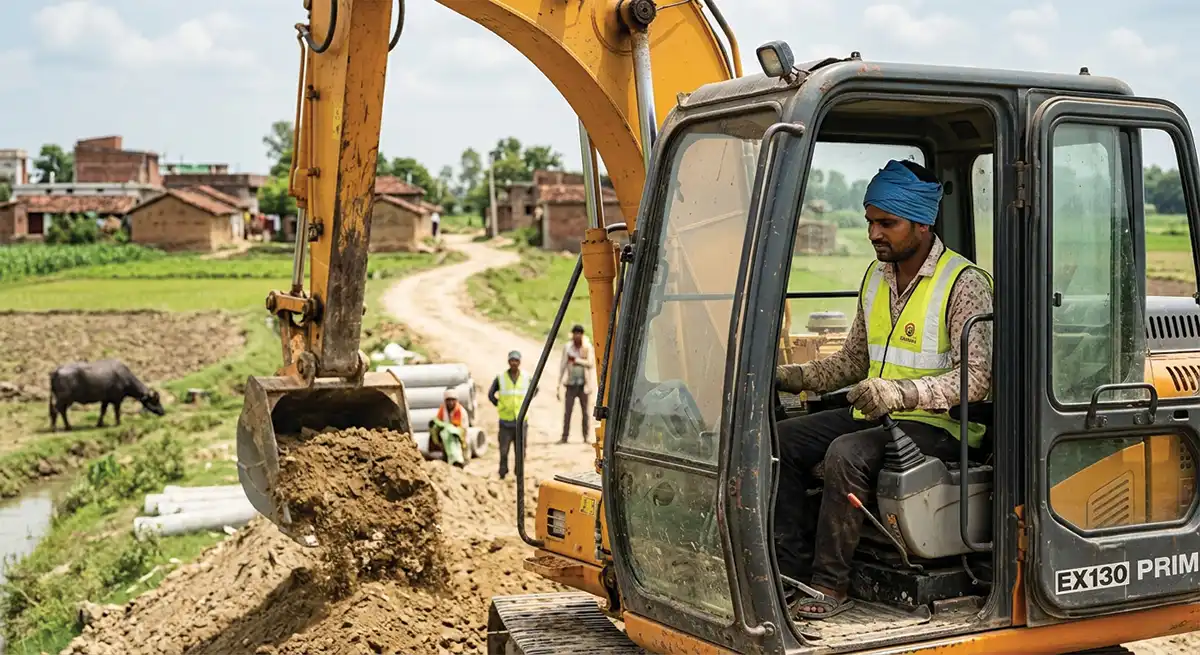
India’s construction equipment industry sold 1,36,995 units in FY2025-26, a marginal 2 per cent dip from the previous year. It remains the world’s third-largest CE market, valued at USD 10 billion, and is targeting USD 14.76 billion by 2030. Despite domestic demand falling 7 per cent due to slower infrastructure execution, exports surged 32 per cent to record levels. The headline numbers tell a story of resilience, but also of structural challenges that go well beyond the current cycle.

Finance: The Starting Point of India’s Infrastructure Growth
Every road laid, every metro tunnel bored, every dam built in India begins with a machine. And behind almost every machine is a loan. Construction equipment finance is, in that sense, the starting point of India’s infrastructure story.However, the financing ecosystem that puts equipment in the hands of contractors, small operators, and first-time buyers is fragmented, slow to digitise, largely inaccessible to the industry’s smallest participants, and ill-equipped to support the ambitions Indian manufacturers now have in global markets.
The challenges keep surfacing in the same places: first-time buyers struggling to get loans at fair rates; a thin used-equipment market; digital lending that has barely arrived; export credit terms that put Indian companies at a disadvantage against Chinese competitors; and a vendor-supply chain largely invisible to formal lenders.
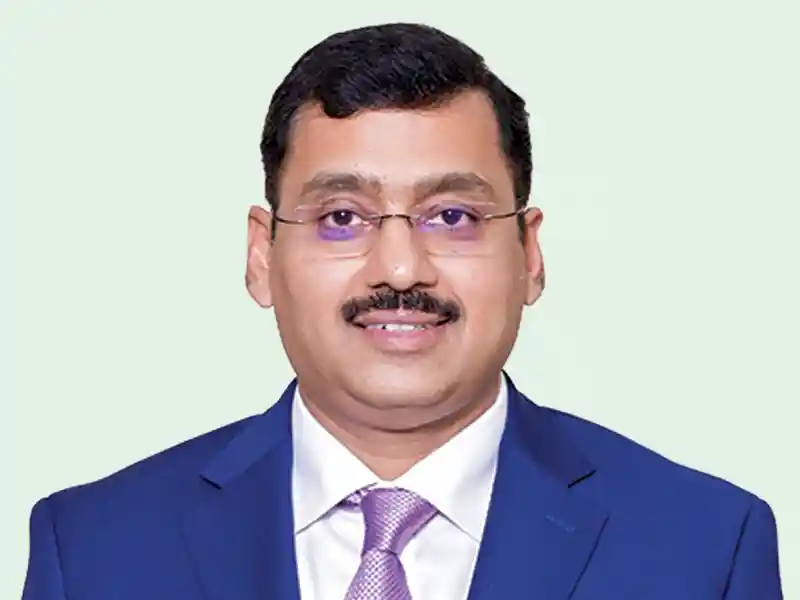
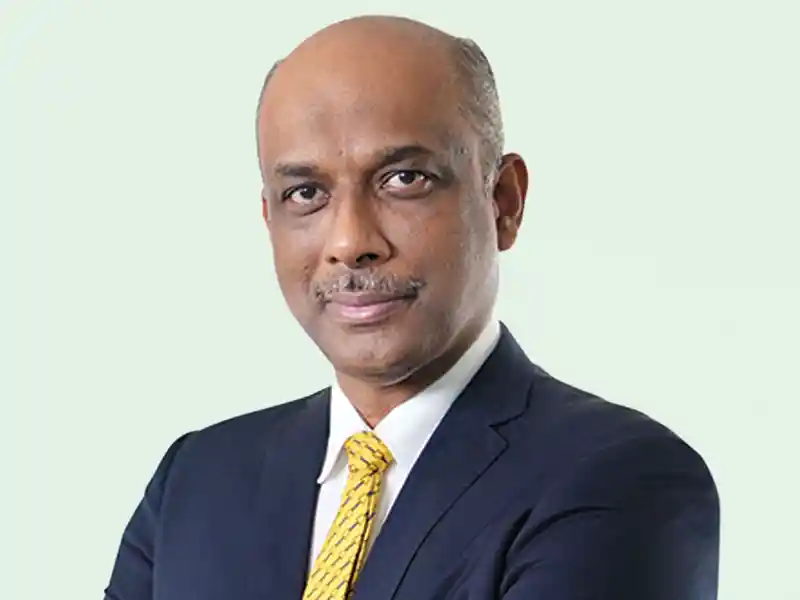
"Consider what this means at scale: 70 per cent of CE machines are sold in rural India. Each machine creates six to seven jobs on average. The industry supports over four million jobs directly and indirectly. Over 95 per cent of all equipment sold in India is manufactured domestically. Behind each sale, in most cases, is a loan," he adds.
Loan-driven growth has brought the industry to its current position as the third-largest CE market in the world, with a target to become the second largest by 2030. ICEMA values the current market at USD 10 billion and projects it to reach USD 14.76 billion by 2030, growing at a CAGR of 8.3 per cent.
“However, to get there, the CE industry will need to bring many more first-time buyers into the market, who should be financed at reasonable rates, and keep them in the ecosystem as they grow,” opines Shetty.
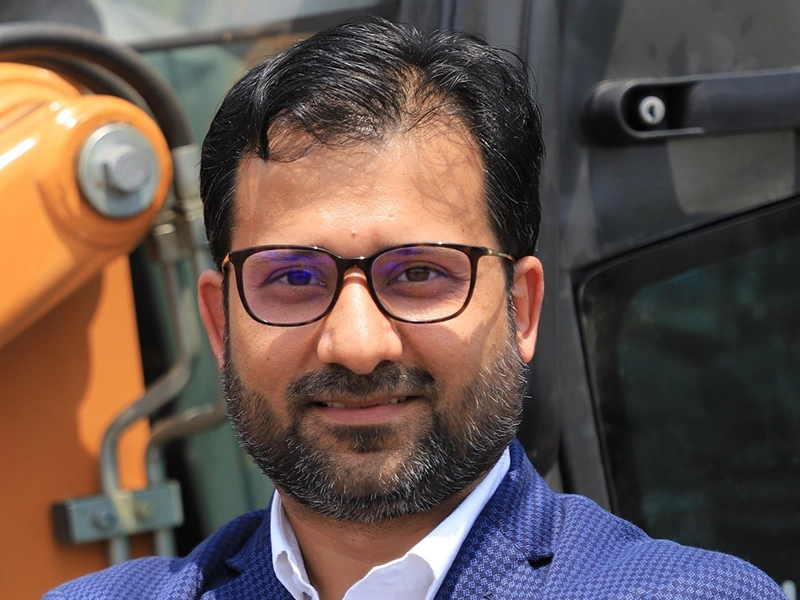
The broader economic environment is supportive of CE demand. Rate cuts have brought borrowing costs down for buyers. Rural incomes are holding up (given that 70 per cent of CE machines are sold in rural India), Government CapEx is growing, and private investment is picking up in several infrastructure-heavy sectors.
For the CE industry, the more pressing question is whether the demand translates into financing actually reaching the customers who need it.
Government Support to Equipment Buyers
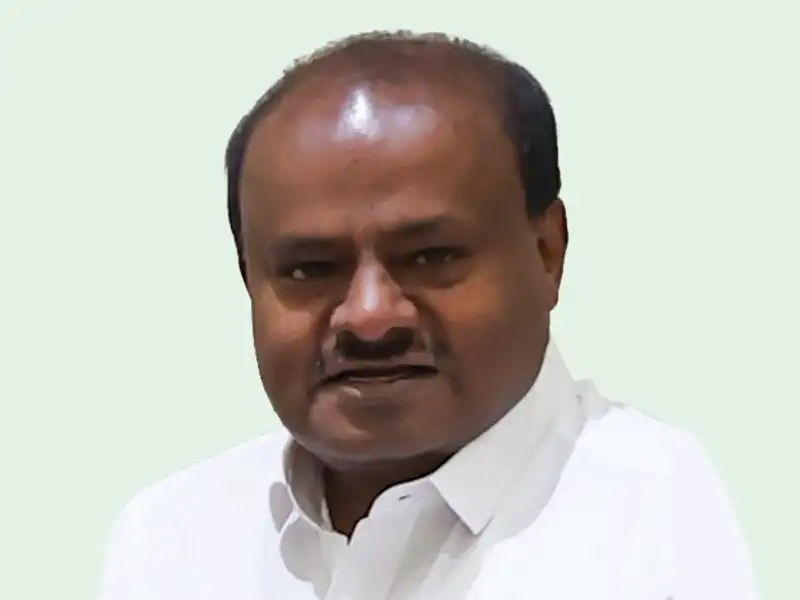
The government is also targeting the supply side. Deepak Shetty at JCB notes that India’s current localisation level in CE manufacturing is around 60 per cent, with a clear five-year plan to push it to 80 per cent. “By focusing on high-capacity construction equipment (which is largely imported), and high-precision components like hydraulic systems, transmissions, and undercarriage systems, for which we are still dependent on imports, the ministry is supporting the next phase of growth for the CE industry.”
How Lenders See Construction Equipment Today
The non-banking financial companies who do the heavy lifting in construction equipment financing, account for 60-70 per cent of all equipment credit in the sector, well ahead of banks. Understanding how the NBFC voices read the current environment tells you a great deal about where the credit will flow over the next few years.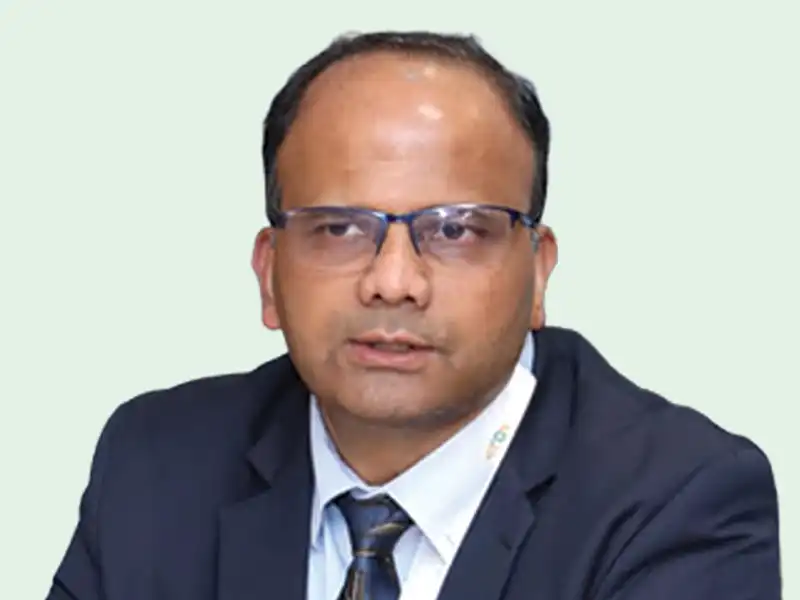
“When it comes to developing a strong base that can sustain and grow in the long run, we have not seen the depth or the progress that should ideally have happened. The same applies to the vendor ecosystem as well – a large base driven by a diverse portfolio of small SME customers who often do not have access to financing solutions that can help them grow.”
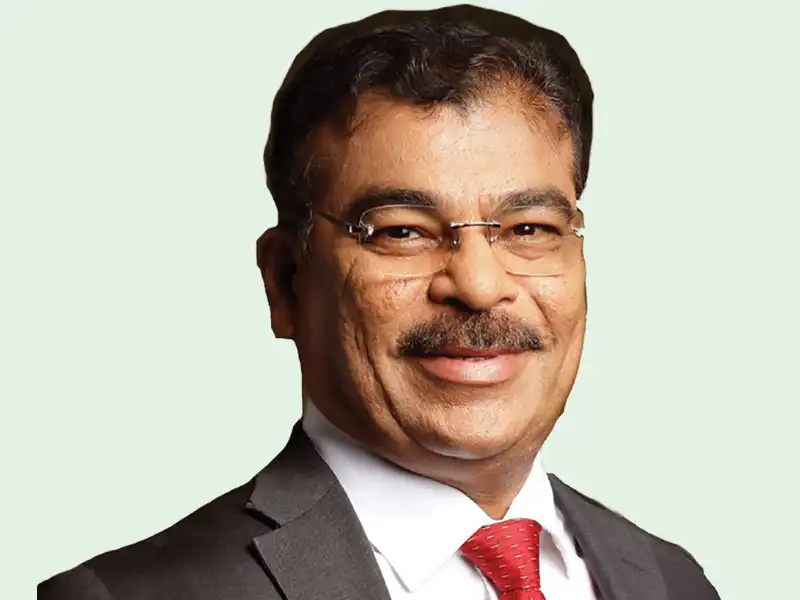
“The shift to CEV Stage V equipment has also changed what lenders need to do. CEV Stage V and higher technology equipment require structured, longer tenure, and well-priced financing solutions,” he adds.
Most modern CE machines now carry tracking systems that allow lenders to monitor location, usage hours, and asset condition in real time. For a sector where historically much of the risk came from difficulty in locating or repossessing equipment, this matters.
Affirms Revankar, “The tracking system in modern machines is a big development in the last three to five years. It is helping both the customer and us, as it gives financiers more confidence in lending to buyers of large equipment. Hitherto, many finance companies have been focusing on the retail segment, not on large, specialized equipment. But with such technical support coming from OEMs, finance companies will be more eager to lend to larger equipment and to larger projects.”
But he also raises a concern that sits outside any individual lender’s control: the pace of infrastructure project execution has slowed, particularly at the state and local level. While CapEx has grown, the ability of state governments and municipalities to actually award and execute projects has not kept pace. This directly affects the cash flow predictability that lenders rely on when financing equipment for contractors.
According to him, “If the local bodies have the ability for self-sustained financing, the scale of construction equipment requirement will go up, and so will our scope to lend to retail and to rural areas.” In other words, decentralising both infrastructure spending and the financing that supports it would expand the market for CE credit.
Lender Buyer Risk Perception
The most important customer segment is also the one that lenders find hardest to serve – the first-time buyer / user – one who has never owned a machine before, does not have a credit history with a financier, and is often operating in rural or semi-urban regions of India where formal financial infrastructure is thin.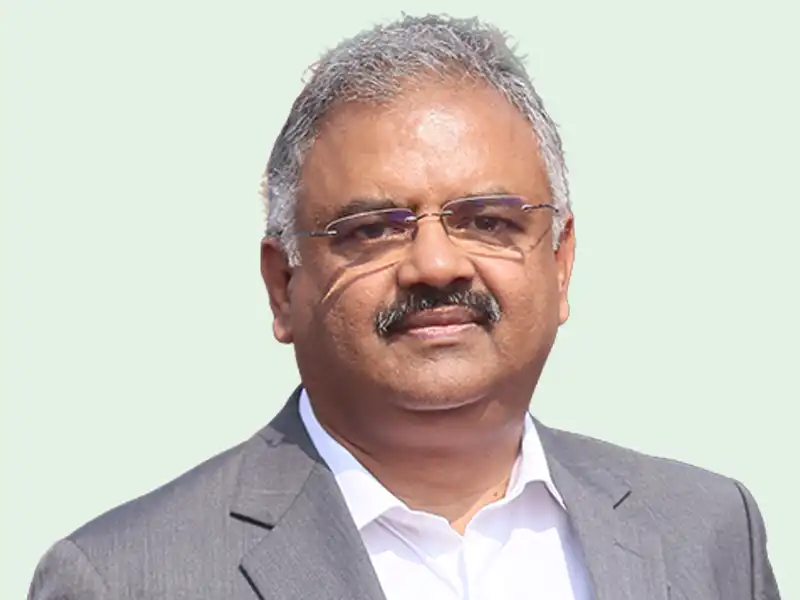
The Indian CE market works differently from markets in developed economies. In Japan, Europe, or the US, roughly 80 per cent of equipment is purchased by 20 per cent of customers – large, repeat buyers. In India it is the reverse: 80 per cent of equipment is bought by 80 per cent of customers. Most of them own one machine, earn income from it, sell it after a few years, and buy the next one. This is the market. Growing it means bringing more of these individuals in, and keeping them in.
BKR Prasad of Tata Hitachi highlights that lender risk perception remains one of the key challenges when it comes to first-time buyers and users of construction equipment. “The moment we talk of first-time buyers and first-time users, the risk perception from the lending community becomes a deterrent. This often impacts both the loan-to-value (LTV) ratios and the interest rates offered to these customers. Over the last three decades, OEMs and financiers have explored various solutions, including risk-pool arrangements, with mixed outcomes.”
However, he sees significant opportunity ahead. “The collective responsibility, and opportunity, for both OEMs and financiers is to enable greater participation of first-time buyers and users and bring more entrepreneurs into the construction equipment ecosystem. Expanding access to financing and lowering entry barriers will not only create opportunities for new customers but will also play a vital role in driving the long-term growth and expansion of the construction equipment market.”

Deepak Shetty of JCB India connects the retail financing challenge directly to the technology transition. As machines get more expensive, driven by CEV Stage V compliance and digital features, the upfront cost goes up, the required down payment goes up, and the barrier to entry for smaller buyers rises. He says, “Access to affordable, long-tenure, and flexible financing determines how quickly new technologies are adopted and how rapidly project execution can scale. As we transition to CEV Stage V and increasingly sophisticated digital and telematics-enabled machines, the upfront acquisition cost rises. Without supportive financing models, the adoption cycle could potentially slow down. A collaboration between OEMs, banks, NBFCs, and policy institutions is vital to ensure that technological progress is matched by financial accessibility.”
From Risk Pool to FLDG and Residual Value
The standard response to the first-time buyer risk problem has been the risk pool: the OEM sets aside a fixed amount per machine sold, which sits in a pool to cover lender losses. In theory, this gives lenders the confidence to finance riskier customers. But, in practice, it has not worked well.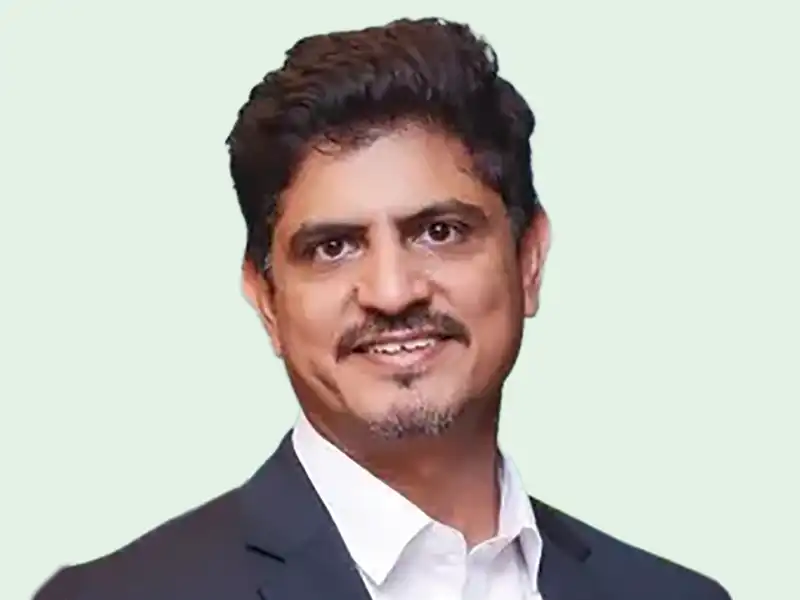
His preferred alternative is the First Loss Default Guarantee (FLDG). Under this arrangement, the OEM provides a first-loss cushion, typically 3-4 per cent of the portfolio, which absorbs the first tranche of losses before the lender is affected. Unlike a generic risk pool, an FLDG can be structured precisely: by product, geography, customer type, or loan size. It puts the OEM’s skin in the game in a way that is transparent, measurable, and predictable for both sides.
The second instrument Mudgal advocates for is residual value-backed leasing. The OEM sets a guaranteed resale value for the machine at the end of the lease term. The customer pays lower monthly instalments because they are not paying off the full asset value, just the depreciation over the lease period. At the end, the OEM takes the machine back and resells it through its used equipment channel.
The economics work because the OEM knows the asset better than anyone. Mudgal says, “For 100 rupees of asset, there is an RV (Residual Value) of somewhere around 10 to 20 per cent which the OEM is confident of maintaining. This is a very unique example where the cash flows to the customer can be reduced, the risk is passed to the OEM who is the expert at maintaining the machine’s value. The OEM can strengthen its own used-equipment vertical as well. And if the equipment is well serviced and maintained, you can have a higher contribution margin from the assets, and lenders are willing to fund them too.”
Retail Leasing
Leasing in the retail CE market is a concept that has been discussed for years without ever being fully utilized. According to Abhishek Mudgal, at Escorts Kubota Finance, retail leasing can work. “In my previous experience, we were able to push leasing into the retail segment for backhoe loaders in the retail segment also. But it requires a lot of push and making customer understand. The sense of ownership in Indian customers is very close to their heart. The benefit customer gets from leasing is a lower monthly cash flow, so the product becomes more financially viable only if there is a buyback or RV guarantee by the OEMs. If you are able to convince the customer from this perspective, then we are able to sell more, but it’s not an easy sale.”Three Gaps that Challenge Financers
Three financing gaps sit alongside the first-time buyer challenge and are closely connected to it. The first is the absence of a proper used equipment market. The second is the slow pace of digital adoption in CE lending. The third is the near-complete neglect of vendor supply chain finance. They may seem like separate issues, but they all come back to the same problem: the CE financing ecosystem is not set up to serve the full cycle of how equipment is bought, used, traded, and manufactured.
A well-functioning used equipment market does more than create liquidity for sellers. It also makes it easier for lenders to finance new machines, because they have a clearer picture of what the asset will be worth in two, three, or five years. Right now, that clarity only exists for a handful of products with established resale track records, with backhoe loaders being the main example. For newer product categories, lenders are guessing at their exit value.
Siddalingesh Suragond of John Deere Financial sees the financing cycle as central to this, “Financing should be like a cycle, so that things churn fast. Some exit route, where there is an end for the machine and the new machine can take its place.”
The second gap is digital lending. Anuj Tomar at JCB India draws a comparison that is hard to argue with: an equipment retail loan of ₹10-15 lakh takes three days to sanction. A personal loan of ₹3-5 lakh is approved online within hours. “Financing is still working in the traditional way we saw 10 years ago. If we have to grow this market multiple times, we have to bring digitalization into our industry. But is it about technology or is it about intent?”

“The entire onboarding can be digitalized starting from the background check of the interested buyer. I see this as more of a support impetus which has to come in, and then the market would really pick up in a big way. Technology is not an issue. Cost is not an issue. But adoption is. Most of the bigger OEMs have subscribed to such reports where they underwrite a dealer on a particular limit. But business at large, adoption of technology has always been an issue. Maybe it’s a mindset thing, but things are changing.”
The third gap, vendor supply chain finance, is the most ignored. The hundreds of small and mid-sized suppliers who make components for OEM factories need working capital. They often have solid, predictable cash flows backed by OEM purchase orders. But because formal lenders do not have visibility into these cash flows, the vendors either go without credit or pay very high rates for it.
Says Poojari, “The vendor part is not really focused upon. A lot of support could go to the vendor where they have pre-shipment or post-shipment issues, or maybe they are unsecured. But there are cash flow certainties by the OEMs. So, putting in place a process with OEMs taking the initiative or if OEMs were to anchor the vendor financing programs (essentially guaranteeing the receivables that their suppliers hold), the banks and NBFCs would have the confidence to lend and the cost of capital for vendors would drop. And the OEM supply chain would become more stable.
Taking Indian Equipment to the World
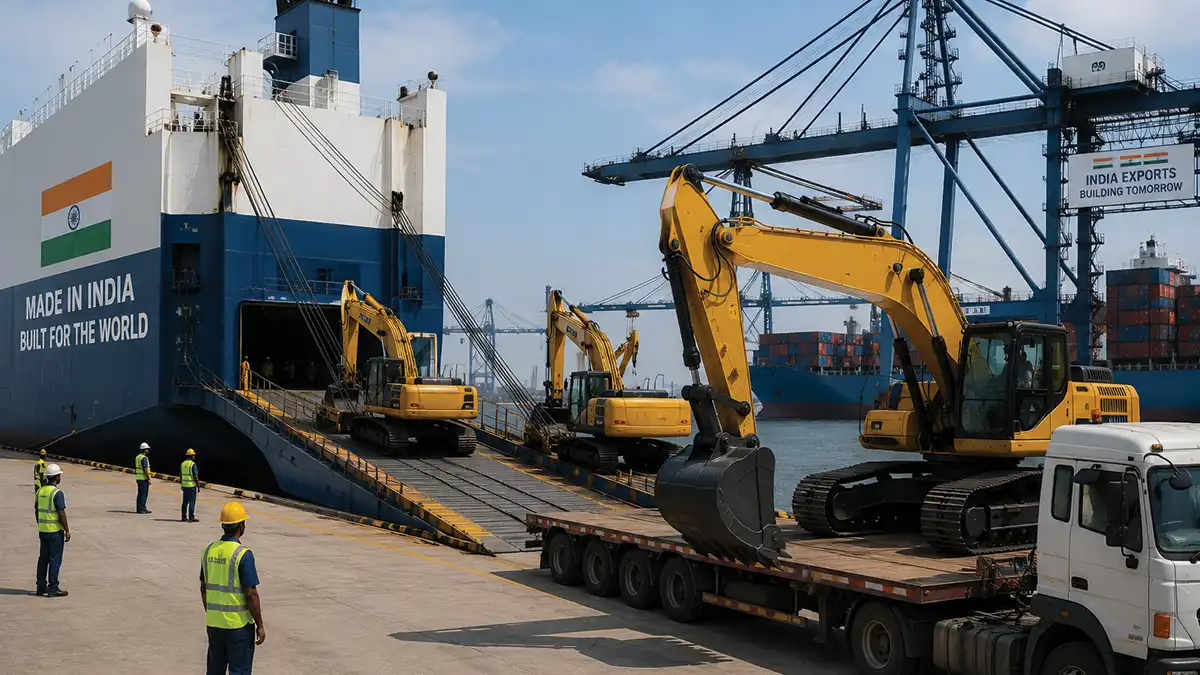
India’s CE export growth story is the brightest part of an otherwise mixed FY26. Even as domestic demand fell 7 per cent, exports surged 32 per cent to record levels. India now sells equipment to over 130 countries. The adoption of CEV Stage V emission norms and CMVR Phase 2 safety standards has placed Indian-manufactured equipment on par with what is required in most developed markets. Companies like Case New Holland export 30-50 per cent of their India production.
The Ministry of Commerce has been working on trade policies and FTAs with the UK, EU, UAE, Oman, and New Zealand are concluded or almost concluded. Negotiations are going on with Mercosur, GCC, Canada, and Israel, which Vimal Anand describes as creating trade highways for India’s construction equipment.
But for Shalabh Chaturvedi of Case New Holland, trade agreements are only part of the equation. “What got you here won’t get you there. While with FTAs we have reached where we have but to go to the next level, FTAs alone are not going to help. They are only going to set a level playing field with some of the competing economies. But at the end of the day, efficiency, resilience, and operational efficiency is really what is going to turn the tide in our favour.”
He points to a logistics reality that illustrates the gap: transporting coal from Dhanbad to Chennai costs more than importing it from Indonesia. FTAs reduce tariffs. They do not reduce freight costs or port delays!
The Money Problem in Export Markets
Better products and more FTAs will not, on their own, get Indian CE companies the contracts they are chasing in Africa, Latin America, and other developing markets. The reason is straightforward: these markets need credit, and the credit terms that Indian companies can currently offer are not competitive.One specific constraint comes up repeatedly in the export finance discussion: the RBI’s 270-day cap on export credit. In practice, many buyers in developing markets expect 365 days, and some competitors, particularly from China, offer credit terms of two to three years backed by state banks. Indian companies cannot match this.
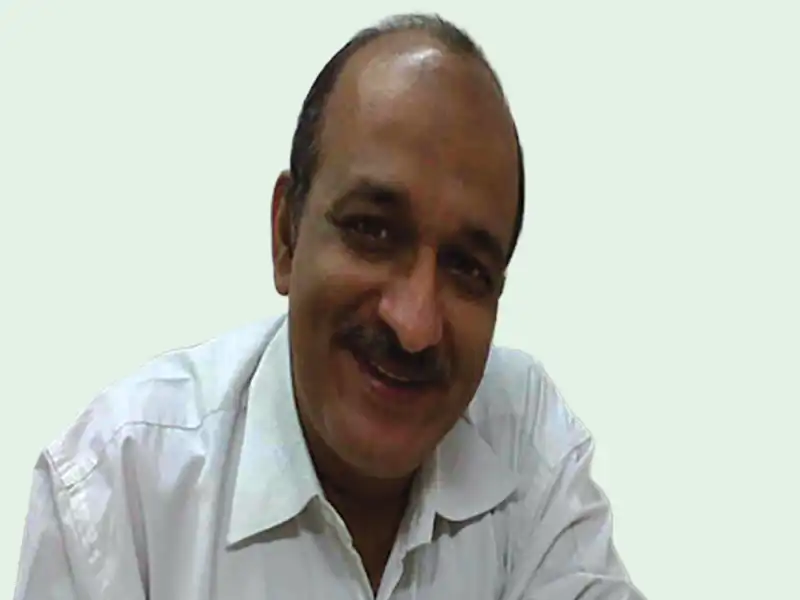
Aditi Nayar at ICRA acknowledges the constraint from a regulatory standpoint. Three quarters is the RBI’s view of a reasonable export credit window, and there is a macro-prudential logic behind it. But she does not rule out change. “Maybe, as our overall financing environment matures, going ahead, they can look at expanding and giving a relaxation on this regulation.”
Umesh Revankar of Shriram Finance points to a longer-term solution that is already being built: OEM-financer partnerships backed by funding from multilateral development institutions. Shriram already has credit lines from IFC, Proparco, DEG Germany, and JICA Japan, all of which can be used to extend longer-tenor, lower-cost credit to equipment customers in international markets.
“But the mechanism requires close coordination between OEMs and their financing partners,” says Revankar. “The arrangement between OEM and its finance partner is very important. It is not that the customer needs one-time finance — he also needs in-between support because equipment needs to be upgraded, maintained, and refurbished. We can keep supporting the customer so that it is a continuous finance through the machine’s lifecycle.” The export customer, in other words, needs a relationship, not a transaction, and the relationship has to include both the OEM and the financier.
Prioritizing Local Manufacturing and Distribution
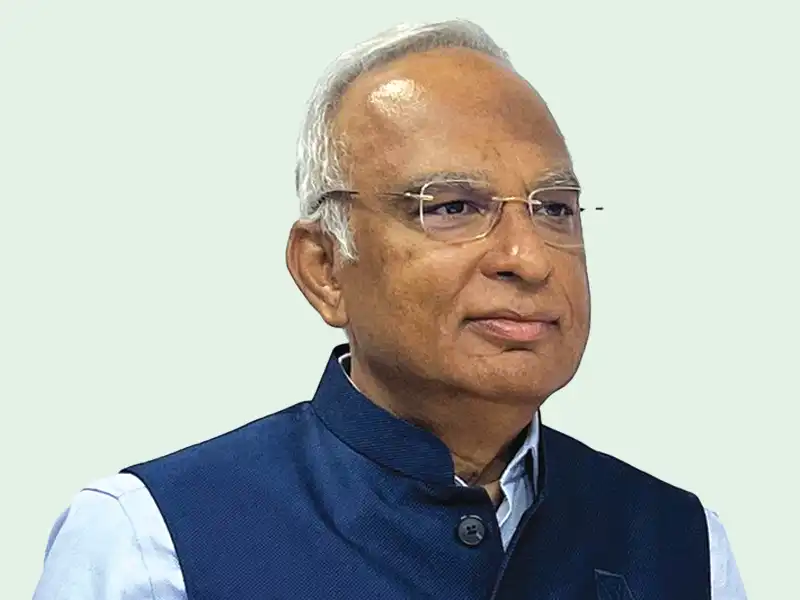
He considers distribution the most important factor of all. “Most successful exporters in various geographies are not necessarily companies offering the best products; they are companies with the best distribution systems. The Northern Hemisphere is mostly a replacement market. The growth is in the Southern Hemisphere (South America, Africa, Southeast Asia). Getting our distribution right in these geographies is a big opportunity for us.”
CE Industry: Need to Sustain Growth Momentum with a Sound Financing Infrastructure
The picture that emerges from these conversations is of an industry that has built real momentum in manufacturing, in exports, in policy support, and is now confronting the financing infrastructure it needs to sustain its growth momentum.In fact, the CE industry has reached its current scale on the back of finance reaching people and places it had never reached before. Growing to USD 14.76 billion by 2030 means doing this again and doing it better. This means that FLDG structures that give lenders the confidence to finance riskier customer profiles; leasing products that make high-cost, technology-heavy machines more accessible; a proper used-equipment market that gives lenders exit clarity and buyers entry options; digital underwriting that processes a CE loan in hours, not days; vendor finance programs anchored by OEMs; and it means export credit arrangements that can compete with the terms Chinese state banks routinely offer.
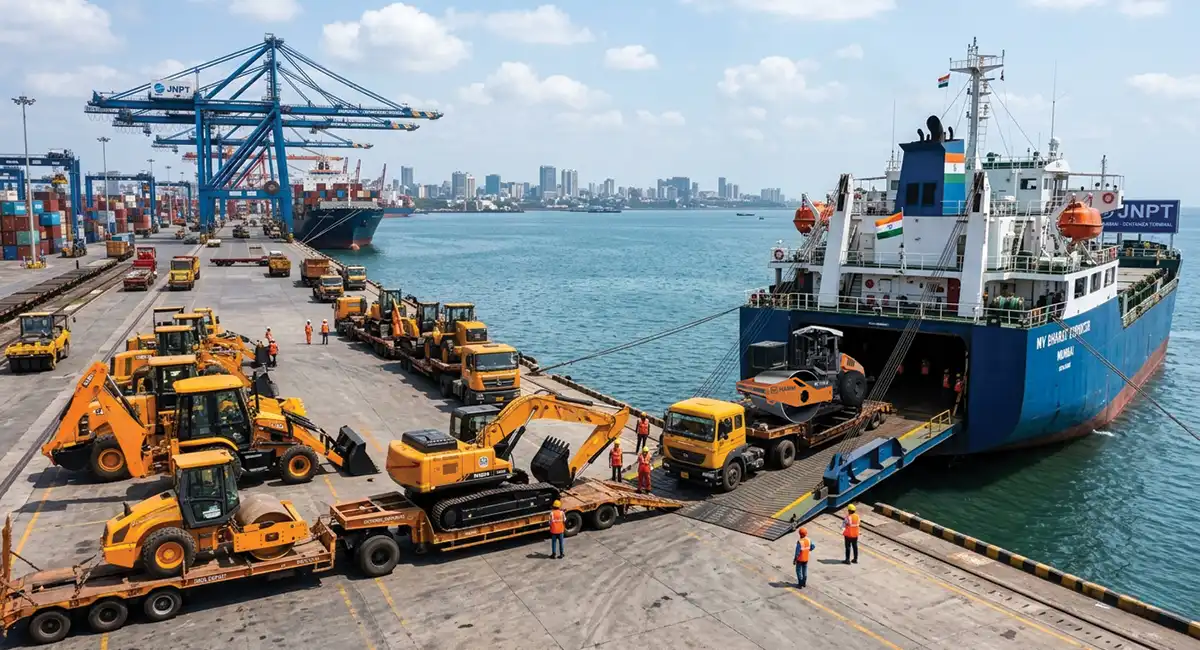
All of these are achievable because the necessary instruments already exist — be it FLDG structures, RV-backed leasing, digital underwriting, OEM-anchored vendor programs, or multilateral export credit lines. What is missing is the strong collaboration of the OEMs and financiers to move beyond parallel tracks and design solutions together. As Deepak Shetty at JCB puts it, "A collaboration between OEMs, banks, NBFCs, and policy institutions is vital to ensure that technological progress is matched by financial accessibility."
The machines that lay India’s roads, build metros, and excavate industrial corridors, run on diesel, hydraulic fluid, and operator skill. But the industry that puts them to work runs on finance. Getting the finance faster, smarter, and more competitive globally, is what India’s infra development and construction industry needs most now.
Note: This article is based on the discussions at the ICEMA 6th Annual Construction Equipment Finance Conclave in February 2026.
Published on:
12 June 2026
Published in: NBM&CW JUNE 2026
Share:
We Value Your Comment