
Volvo CE India Offers Fuel-Efficient Excavators, Smart Compactors and Telematics for High-Speed Project Delivery
In developing critical national infrastructure, India is building a wide variety of infrastructure elements at a rapid pace for roadways, railroads, metros, seaports, airports, mining, urban centers, and for renewable energy.Predictability is essential for speed of execution of large infra projects. They will progress more quickly when planning, equipment capability, material shipment, operator ability, and maintenance support are all aligned.
Dimitrov Krishnan
Managing Director
Volvo CE India

Contractors will need greater mechanisation, improved fleet performance, and machinery that operates dependably in very harsh job site conditions as the timelines for completing infrastructure projects are becoming more stringent. But to increase speed, you cannot simply deploy more machines; rather, you must deploy the correct machines, ensuring that they continue to be productive, and have reduced breakdowns.
Cost efficiency also has to be measured over the machine’s lifecycle, and not only at the time of purchase. Fuel consumption, maintenance, uptime, operator productivity, and resale value, all influence project profitability. Sustainability fits into the same equation. A fuel-efficient machine lowers operating cost and emissions.
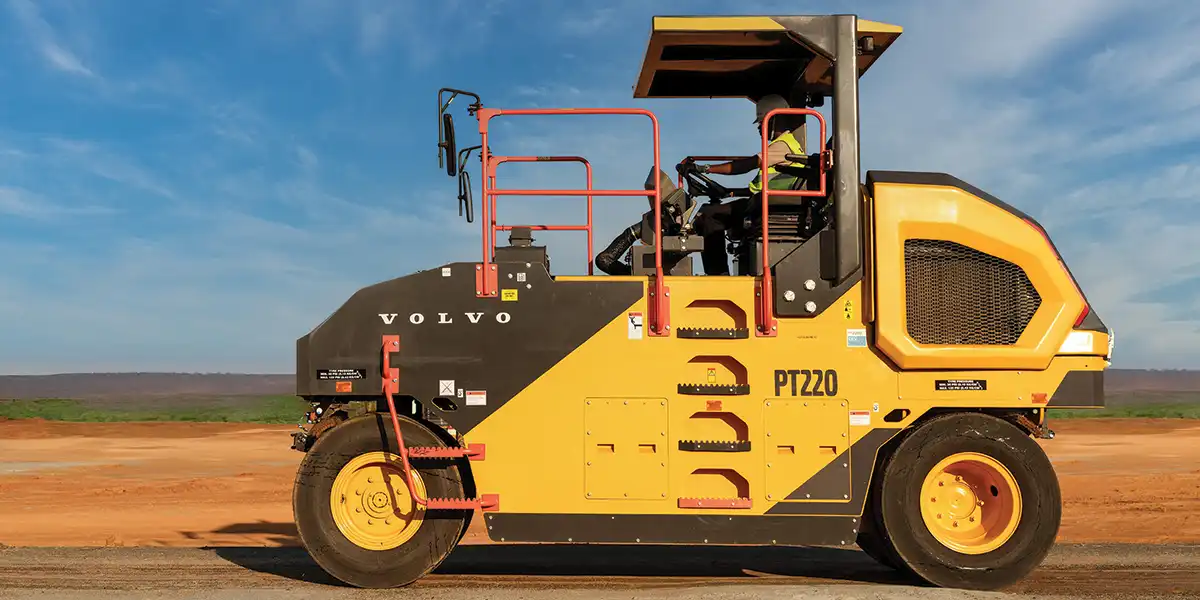
Ultimately, quality infrastructure needs disciplined execution: better planning, mechanisation, skilled operators, preventive maintenance, connected machines, and strong service support so that projects can be delivered faster without compromising safety, quality, or long-term asset performance.
Innovation in construction equipment is improving project execution by increasing productivity, uptime, safety, and fuel efficiency. One clear example is telematics: Platforms such as Volvo CE's CareTrack allow customers to monitor fuel use, idle time, machine health, productivity and service needs. This helps fleet owners move from reactive repairs to planned maintenance, reducing stoppages and improving machine availability on critical infrastructure projects.
In road construction, soil, asphalt and pneumatic tyre compaction equipment are improving compaction quality and durability, and reducing the need for rework. Technologies such as variable frequency compaction and efficient rolling direction help maintain consistent quality while reducing the time and fuel required to complete projects.
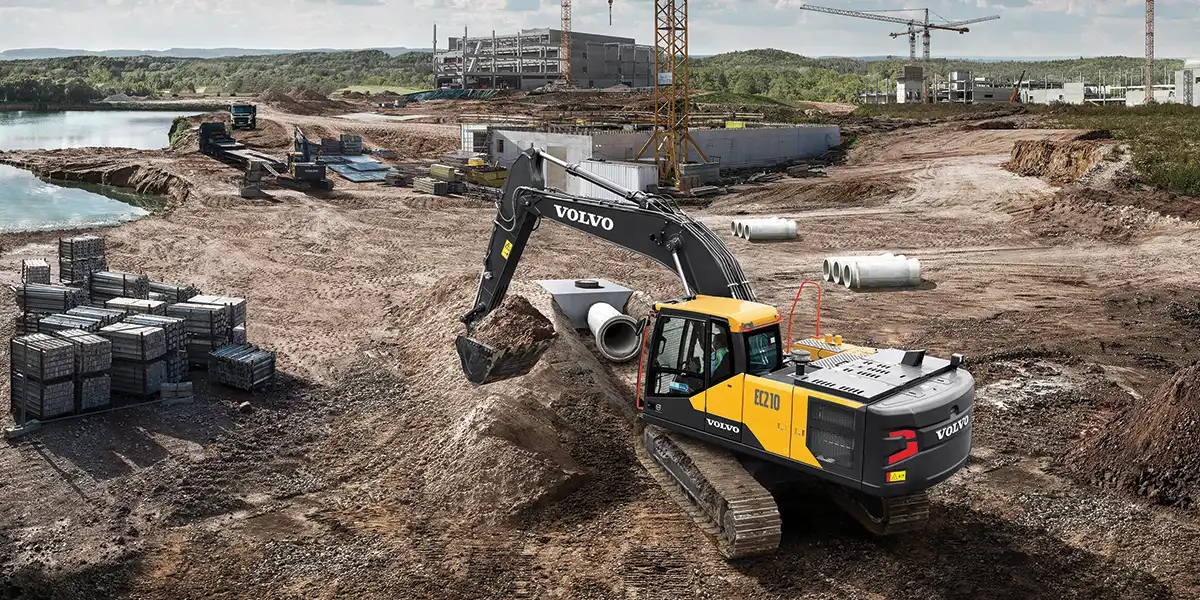
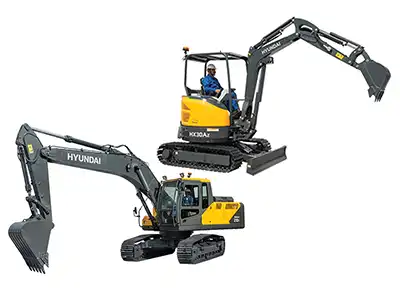
Excavators are also becoming more versatile through advanced hydraulics and a wide range of attachments. A single machine can support excavation, trenching, breaking, quarrying, loading and material handling, improving utilisation across different stages of a project. For instance, the Volvo EC480 excavator equipped with a Breaker Rock Management System (BRMS)/hydraulic rock breaker is an effective solution in areas where rock excavation is challenging and the use of blasting is restricted or prohibited due to safety or environmental considerations. In such applications, Volvo excavators serve as reliable carriers for a range of hydraulic attachments, enabling efficient rock breaking while maintaining productivity, safety and compliance with project requirements.
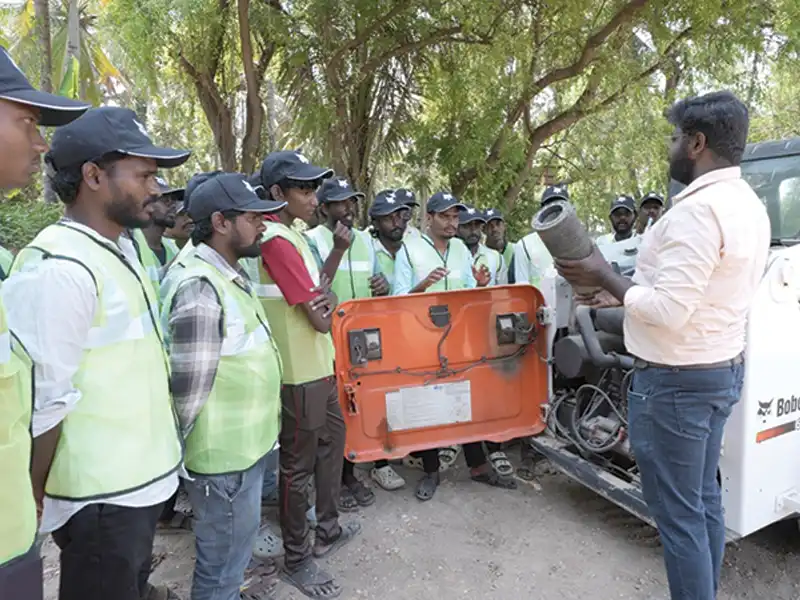
Volvo CE has introduced electric construction equipment in India and innovative business models such as Equipment-as-a-Service (EaaS) to reduce the initial adoption barrier for customers. However, the transition will remain application led. For mainstream infrastructure projects, the biggest immediate gains will continue to come from fuel-efficient machines, connected technologies, operator training, and preventive maintenance.
Published on:
03 August 2026
Published in: NBM&CW JULY 2026
Share:
We Value Your Comment