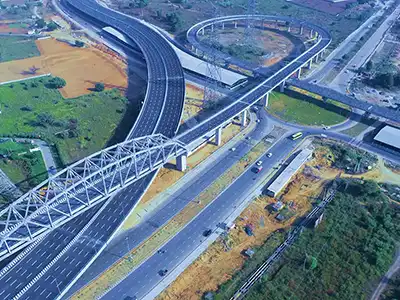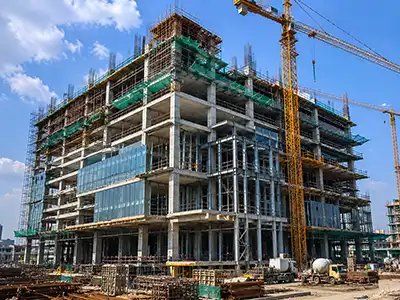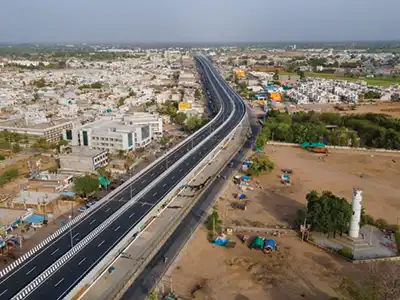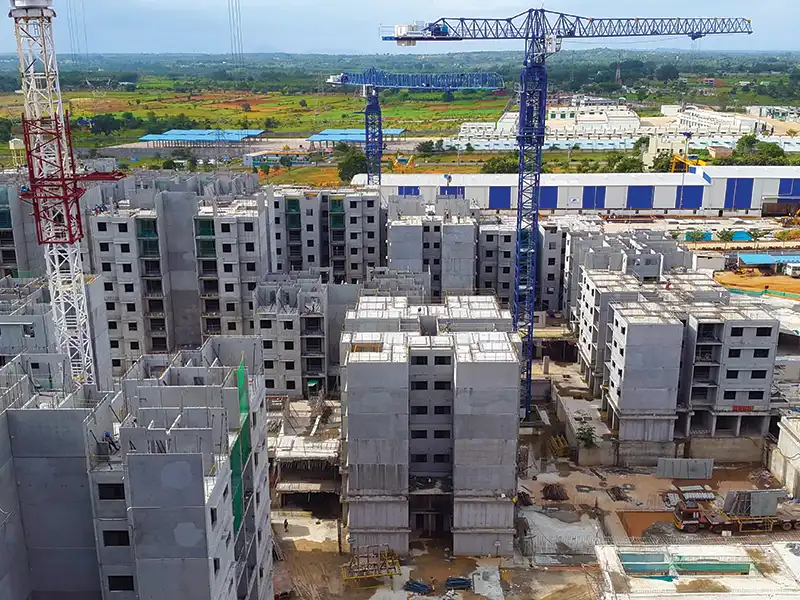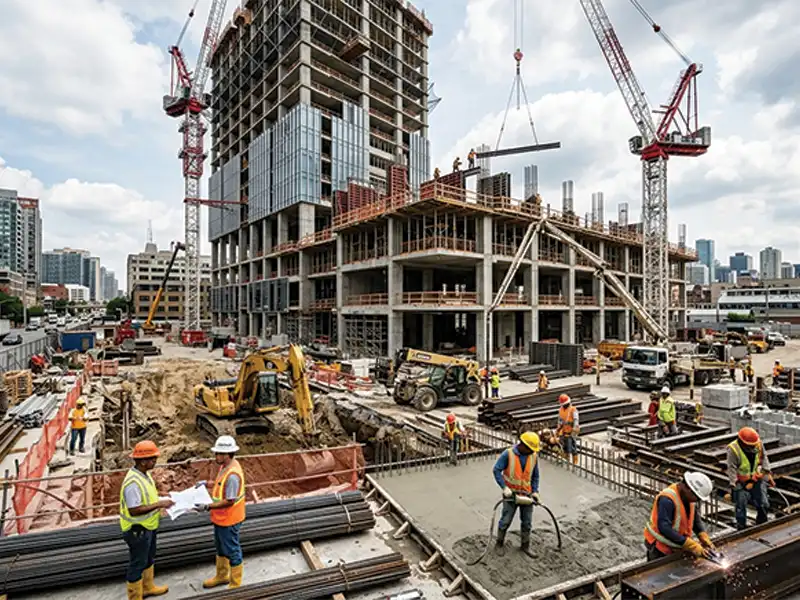
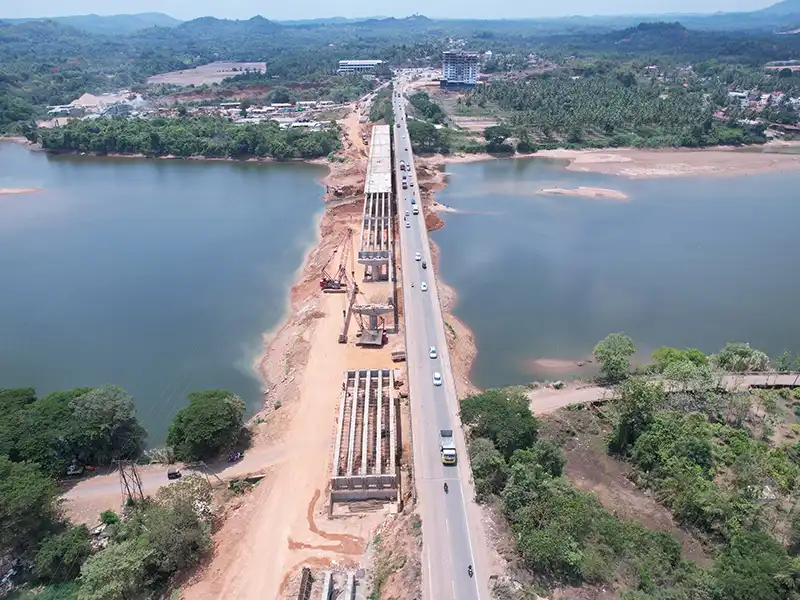
Yet in FY 2025–26, a troubling pattern has emerged: while allocations remain robust, execution on the ground has slowed, exposing a growing disconnect between budgetary intent and physical progress. What was once seen as a funding challenge is increasingly becoming an execution challenge.
At the macro level, capex outlays continue to rise year-on-year. Yet utilisation patterns suggest that higher allocations are not automatically translating into faster project delivery. By the latter part of the fiscal year, a significant portion of the revised estimates remained unspent, indicating a lag in on-ground implementation – despite strong budgetary support.
The scale of the issue is further highlighted in a whitepaper by Vector Consulting Group, which found that among the top 50 public megaprojects completed in India over the past two decades, 49 experienced time overruns ranging from 30% to 70%, while 46 exceeded their original budgets by 55% to 60%. Only one project was delivered without both time and cost overruns, underscoring the systemic inefficiencies that continue to affect large-scale infrastructure execution.
Nowhere is this gap more visible than in the road sector. According to domestic rating agency ICRA, construction pace is expected to decline to around 25–26 km per day in FY26 –– a five-year low. ICRA expects road execution by the Ministry of Road Transport and Highways (MoRTH) to moderate to 9,500-10,000 km in FY2025-26 and further to 9,000-9,500 km in FY2026-27 owing to decline in project awarding by MoRTH in the past three years.
This slowdown, however, is not inevitable. Several global and Indian examples demonstrate that large infrastructure projects can be delivered broadly on schedule and within budget when execution is disciplined. Expansions of the Hong Kong Mass Transit Railway, for instance, were completed within tight timelines at an estimated cost of around USD 4.5 billion. Similarly, the expansion of Oslo Airport was delivered within its planned five-year schedule and budget of approximately USD 1.8 billion.
Even a historically complex project such as the Golden Gate Bridge was completed ahead of schedule and below the projected cost. In India, the Delhi Metro Phase I remains a notable example of disciplined execution, delivered with only a marginal cost overrun on a budget exceeding ₹10,000 crore.
The contrast is telling. The challenge is not a lack of capability, but inconsistency in execution. Structural bottlenecks, ranging from incomplete land acquisition and delayed clearances to weak pre-bid readiness and fragmented planning, continue to disrupt project timelines even after approvals are granted.
A slowdown in project awards has further compounded the issue. Fewer tenders, cautious bidding, and longer pre-construction timelines have begun to impact order books and revenue visibility across the EPC ecosystem.
Against this backdrop, this article examines the widening gap between capital expenditure allocations and on-ground execution, and the structural constraints affecting project delivery in India. Drawing on insights from contractors, developers, equipment manufacturers, consultants, and policy experts, it explores where execution is faltering, how it is impacting the broader ecosystem, and what needs to change to restore momentum.

Why Projects Are Moving Slowly?
Across the infrastructure ecosystem, stakeholders point to a common theme: the issue is no longer funding, but execution readiness. While capital allocations have increased significantly, the pace of on-ground delivery continues to be affected by structural bottlenecks, fragmented planning, and coordination challenges.
Citing Cabinet Secretariat data, he says that nearly 35% of project delays are linked to land acquisition, while another 20% arise from forest clearances. Highlighting ground realities, he adds, “I have seen projects with funds and equipment in place stalled for months due to administrative disputes.” He also points to the multi-layered administrative structure and overstretched PMUs as contributing factors, noting that as long as success is measured by fund release rather than execution, delays will persist.
Echoing similar concerns from the highways sector,

“Even after initial environmental and forest approvals, conditions such as tree cutting permissions, utility shifting, or local administrative approvals take significant time. Delays in shifting electric lines, water pipelines, and telecom cables are among the most common reasons for slow progress, despite work orders being issued.”



Contractor readiness is another key factor. “Even after a contract award, downstream agencies, commercial negotiations, and onboarding processes are not always aligned with project timelines. The mobilisation phase, which is typically 30 to 90 days, should ideally be used to close these gaps. However, in practice, many of these issues spill into the execution phase, where their impact becomes significantly harder to manage.”
He points out that projects are often awarded with partial land availability, where the remaining stretches are critical to sequencing. Combined with utility shifting and environmental clearances, this creates uncertainty and delays.

“What this reveals is not administrative friction at the margins, but a structural sequencing problem. Projects are approved and tendered before they are execution ready. The system prioritises sanction over preparation. So even though money is available, it goes unused because the groundwork cannot start or move at full speed. In short, the problem is not a lack of funds; it is projects that are not fully prepared when they are announced and awarded.”



Real-World Cases of Execution Delay
Real-world project experiences offer a clearer picture of how execution delays unfold on the ground. Drawing a parallel between global and Indian projects, Rajeev Kumar, Assistant Manager–Technical at PRA India (Barbrik Project Ltd), observes that delays are often rooted in flawed planning and execution sequencing. “Two projects, same story. The Berlin Brandenburg Airport project was nine years late even though it had received enough funds. But there wasn’t any contractor in charge! Besides which, many mid-project alterations were made along with over-engineering of safety protocols leading to numerous violations. I have seen the same scenario play out in India recently.”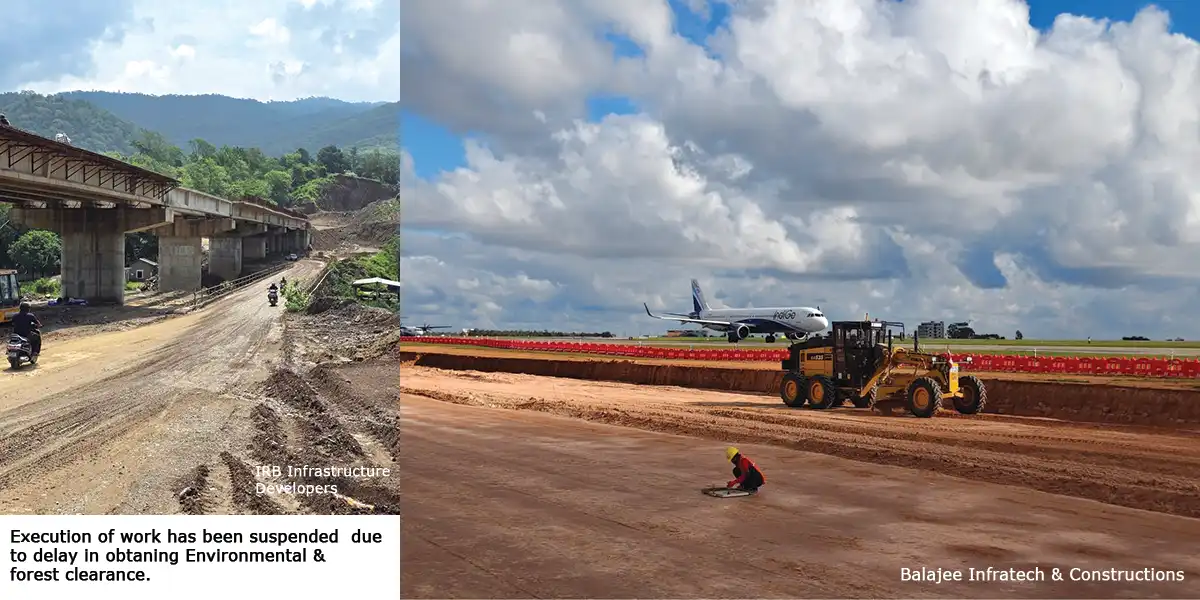
Referring to the Polavaram Irrigation project, which faced execution constraints due to inadequate planning of equipment deployment, he says, “Since only one gantry crane was planned, it hindered parallel work on a tunnel. The government later sanctioned ₹24.51 crore for an additional crane. But this was a corrective step taken after delays had already set in. The reason for several years of delay is an error in sequencing of events that could have easily been spotted during a technical DPR audit.”
Giving insights into the highways sector, Raghvendra Singh Chandel, Manager – Operation & Maintenance at IRB Infrastructure Developers, says, “I have seen projects under NHAI where financial closure was achieved and funds were flowing, but execution still got delayed due to on-ground issues. One typical example is a highway widening project where the contractor had full mobilisation in place, machinery, manpower, and even subcontractors were ready. However, the project faced continuous delays because of partial land availability. In many stretches, 80–90% land was available, but the remaining 10–15% included critical locations like junctions, village access points, and built-up areas. Because of this, work continuity was disturbed, and resources had to be shifted frequently, leading to inefficiencies.”
“Another major issue was utility shifting. High tension electrical lines, water pipelines, and telecom cables were not relocated on time despite repeated follow-ups. Even small delays in shifting these utilities created bottlenecks, especially in structures and widening works.”
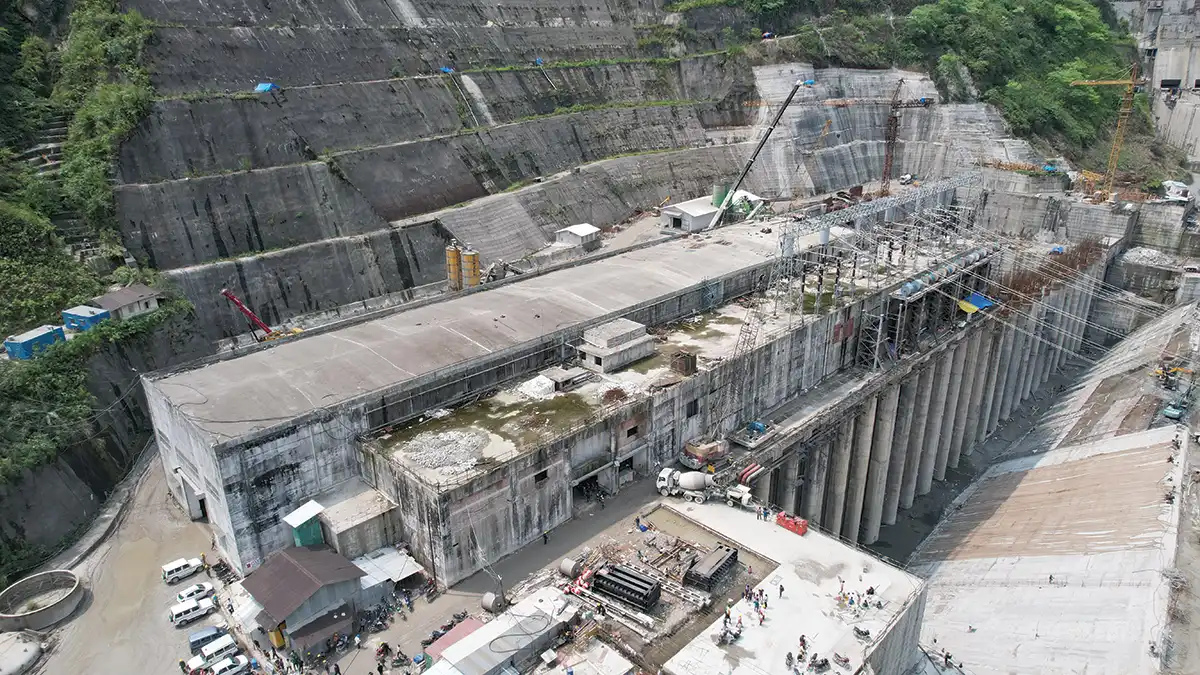
He adds that local and administrative challenges also played a role, including resistance from communities, encroachments, and delays in tree-cutting permissions. Frequent design changes during execution, particularly in structures and safety provisions, further affected timelines by requiring fresh approvals and rework.

At the same time, she points to the recovery phase as a positive takeaway, “Once these issues were addressed and execution resumed, the project progressed rapidly with improved planning, specialised equipment deployment, and continuous work cycles, bringing it close to completion within a much shorter timeframe.”
Drawing broader lessons from large-scale infrastructure corridors such as the Delhi–Meerut Expressway, Kasim Dantreliya, DGM – Projects, B L Kashyap & Sons, observes that even strategically important and well-funded infrastructure projects can encounter execution complexities arising from a range of on-ground factors.
Based on publicly available information and industry experience, land acquisition is often cited as one of the key factors influencing project timelines, particularly in densely populated urban and semi-urban areas where securing encumbrance-free right-of-way involves multiple procedural and stakeholder-related considerations,” says Dantreliya. “Similarly, the relocation of major utilities, including water pipelines, power transmission lines, and gas networks, typically requires extensive coordination among various stakeholders, which can influence project schedules.”
He further notes that statutory and environmental approvals, involving multiple review and compliance stages, may continue to impact project timelines even after financial closure. During the construction phase, effective interface management between adjoining contract packages and the execution of works under live traffic conditions can present operational challenges that influence productivity and sequencing.
Highlighting key lessons for the sector, Dantreliya emphasizes the importance of comprehensive pre-construction planning, greater land readiness prior to project award, streamlined approval processes, integrated project scheduling, early-stage utility mapping, and robust stakeholder coordination and monitoring mechanisms.
“Strengthening these aspects can help improve execution efficiency, reduce schedule-related uncertainties, and enhance the overall delivery of large-scale infrastructure projects,” he concludes.
According to Aditya Jagdish Mahale, Design Engineer - Tunnel at Lombardi Engineering India, delays often arise when preparatory activities overlap with execution. “In the Dedicated Freight Corridor project, despite adequate funding and its strategic importance, its execution took longer than anticipated. Primarily due to issue pertaining to land acquisition, coordination with different authorities, and design modifications during construction. Such problems are common in large-scale projects, but the core issue was the timing of these activities. Most of them are being addressed simultaneously with construction,” he says, pointing out that better upfront preparation could have significantly reduced delays.
A similar pattern can be seen even in fast-track projects. Says Vignesh Prakash, Assistant Manager – Planning at URC Construction, “In a recent fast-track data center project, excavation was completed within 2.5 months, and the site was ready for PCC works. However, progress was held up for nearly two weeks due to pending MIDP approval under client scope. In another infrastructure project, challenges in securing land for precast yards, labour camps, and logistics, disrupted movement of heavy equipment, requiring repeated schedule revisions. These are not funding issues, but dependency and readiness failures.”
Balancing Pre-Bid Readiness with Execution Realities
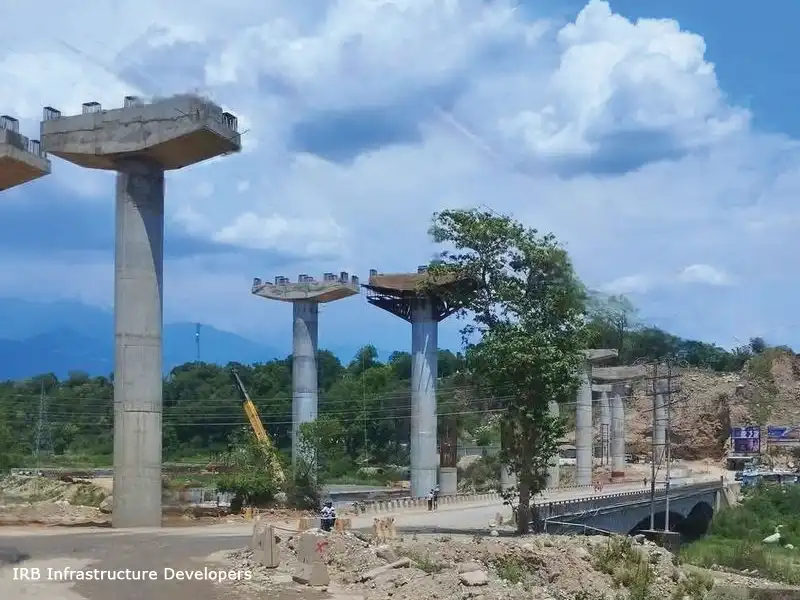
The work has been delayed due to non availability of land for approaches of bridge
Offering a ground-level perspective,Raghvendra Singh Chandel, Manager – Operation & Maintenance at IRB Infrastructure Developers, opines that while aiming for 80–90% readiness before bidding is sound in principle, it is difficult to implement in India’s dynamic environment. “If we wait for complete readiness, project awarding itself will get delayed, which again impacts overall infrastructure growth. So, a balanced approach is required.”
“The problem is not only planning but execution at the ground level. Improving inter-department coordination and realistic project structuring will have a much bigger impact than just increasing pre-bid readiness percentages,” he says.
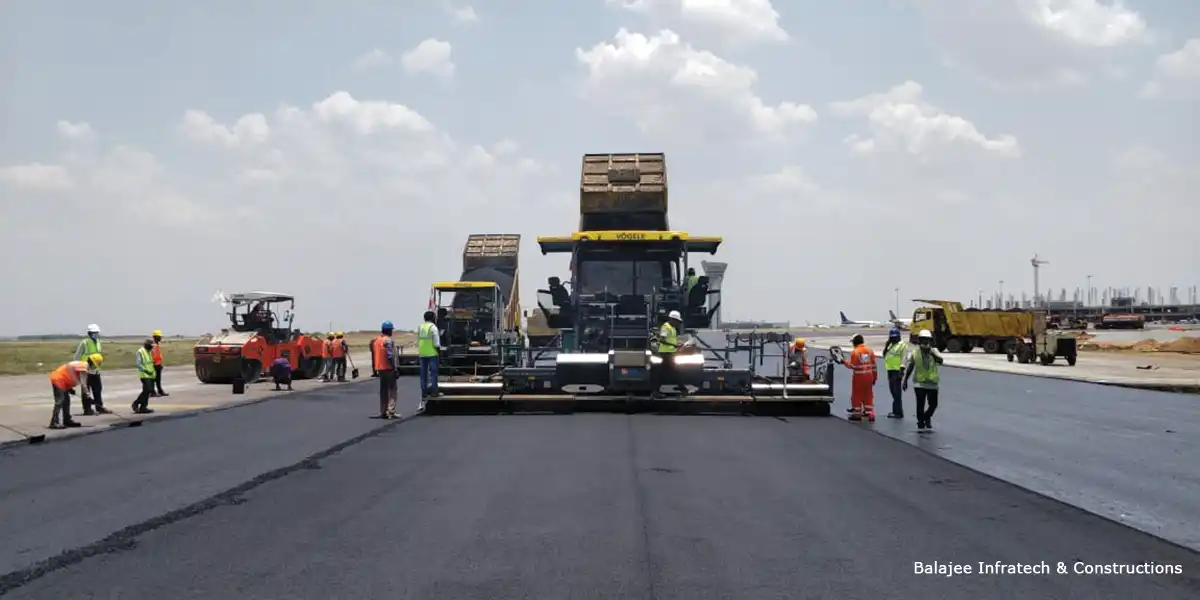
According to Manoj Dokania, Director at Balajee Infratech & Constructions, “Moving closer to an 80–90% readiness benchmark, particularly for large and complex projects, can significantly improve timelines and reduce uncertainties. In practical terms, enquiries should ideally be floated only after substantial progress has been made in land acquisition and key approvals, including environmental and local authority clearances. This ensures that projects can commence without interruptions and avoid delays during initial stages of execution.”
He also points out process improvements. “Faster approval processes, better-defined timelines for appointed dates, and increased use of digital clearance systems can further streamline pre-construction stages,” adding that the current momentum in this direction is encouraging.
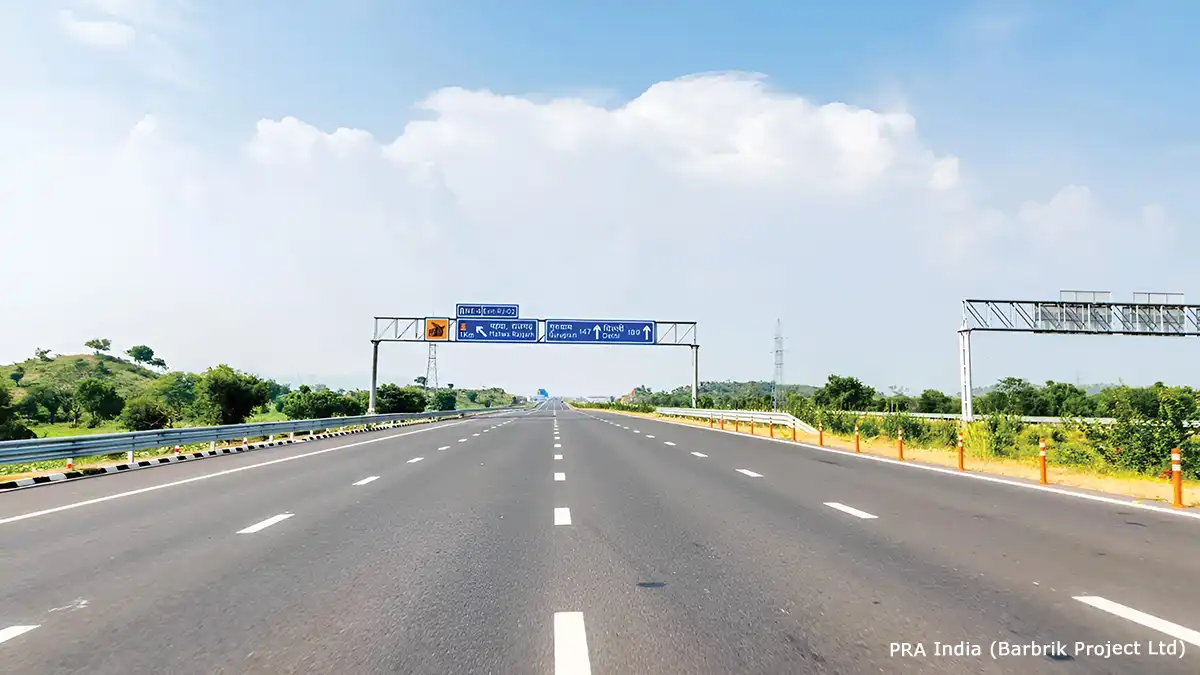
Taking a more assertive stance on preparedness, Rajeev Kumar, Assistant Manager–Technical at PRA India (Barbrik Project Ltd), says that high levels of readiness should not be optional but mandatory. “80–90% readiness should be mandatory before tendering. Without securing the land, offering a tender is similar to giving orders to construct a building where you do not hold legal rights. The contractor comes with genuine intentions but eventually takes on the government’s unfinished tasks.” He stresses that land acquisition, forest clearances, utility relocation, and DPR verification should be completed before tendering.
Citing an example, he adds, “In auditing Maharashtra’s HAM roads, the Comptroller and Auditor General discovered an unnecessary expenditure of Rs. 300 crores due to erroneous DPRs offered in haste. This is a failure in preparations, and not of the contractors. Some concrete solutions could be a land bank within each state; mandating BIM and LiDAR surveys during DPR to avoid as much as 70% of the issues midway through construction; and forcing Parivesh compliance in clearing permissions, which has already shortened the process from more than 600 days to about 75 days.”
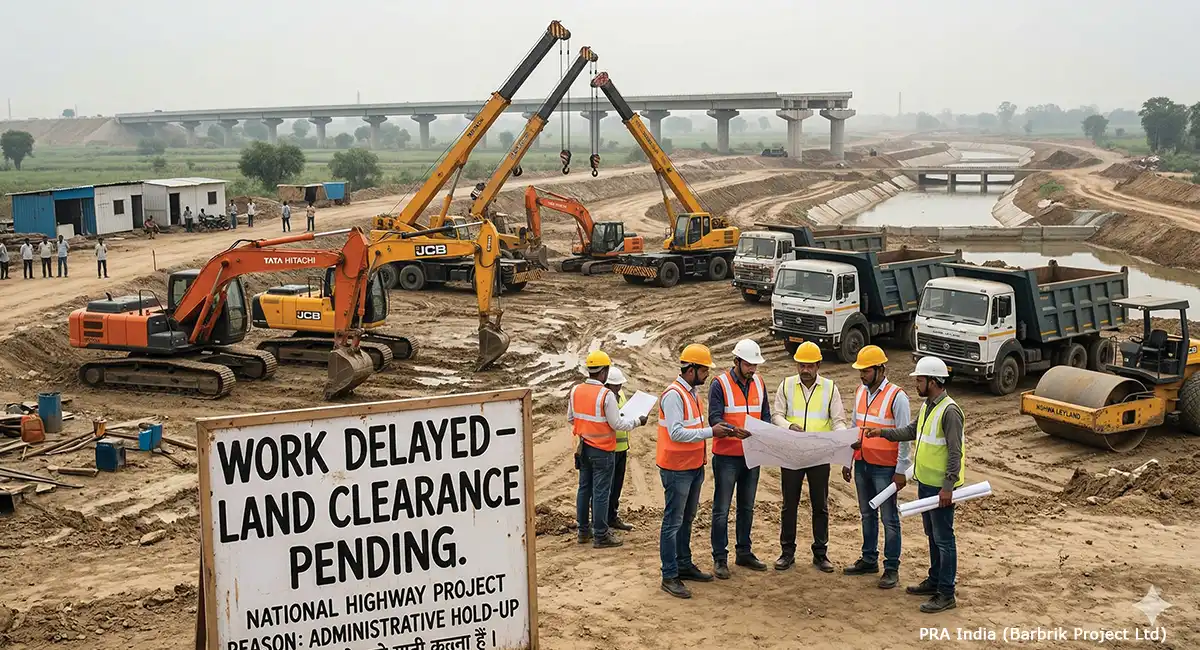
Adding to this, Vignesh Prakash, Assistant Manager – Planning at URC Construction, opines that readiness should be viewed more holistically rather than limited to land availability alone. “A more effective approach would be to ensure 80–90% overall project readiness before tendering, not only in terms of land, but also approvals, design maturity, and constraint mapping. Greater client involvement during the pre-tender stage is essential to align what is awarded with what is realistically executable,” he says.
Aditya Jagdish Mahale, Design Engineer - Tunnel at Lombardi Engineering India, believes that inadequate preparation is not an execution-stage failure but a systemic flaw in project sequencing. “Weak preparation is at the heart of the problem. The recurring nature of these delays suggests that they are not downstream execution failures but upstream design choices. Land acquisition and clearances are not unpredictable shocks; they are known prerequisites. When they remain unresolved at the point of tendering, delay is effectively built into the project structure. This is why delays happen right at the start. Bidding projects at 80–90% readiness is not an aspirational benchmark but a corrective to an inverted process. At present, the system externalises pre-construction risk to the execution phase, where it becomes harder and more expensive to resolve.”
He emphasises that improving outcomes requires enforcing sequencing discipline. “Preparation must become a condition for approval, not a parallel activity. Persistent delays reflect institutional tolerance for premature project launches rather than lack of policy awareness.”
Adoption of Digital Technologies in Project Execution
As project complexities increase, digital tools are being positioned as key enablers of better planning, monitoring, and execution. However, industry stakeholders note that while awareness and adoption are growing, the use of technology remains uneven and often limited in its impact.Venkatachalam Karthik, Bridge Business Technical Lead and Member of the Global Steering Committee at Jacobs, observes that while adoption of advanced technologies is increasing, it remains inconsistent across projects. “The adoption of technologies such as BIM, digital twins, and real-time monitoring platforms is gradually increasing, particularly in complex and large-scale projects such as metro systems. However, adoption remains uneven across the project pipeline. In many cases, this is less a technology constraint and more an institutional one, reflecting limited technical capacity, fragmented data systems, and procurement approaches that often prioritize upfront cost considerations. Scaling these technologies more systematically will be key.”
Affirms Pankaj Sharma, Founder and CEO of K2 Infragen Limited, “While tools like BIM, digital twins, and real-time monitoring structures are increasingly being discussed, their adoption remains selective rather than systemic. Large-scale initiatives and Tier-1 contractors are starting to combine these solutions, but, large scale implementation is hindered due to their high initial cost, loss of professional manpower, and resistance to change within project management frameworks. For India to accelerate development, technology adoption must move beyond pilot initiatives to become more widespread across inductries.”

He also highlights structural challenges in project relationships. “The traditional transactional nature of client-contractor relationships can complicate the implementation of innovative solutions. Plus, firms often prioritise immediate completion over long-term technological investments.”
To address this, he calls for a shift in mindset. “It is important to move from price sensitivity to valuing strategic, forward-thinking collaborations. Stronger partnerships can encourage investment in technologies that improve efficiency and drive long-term progress.”
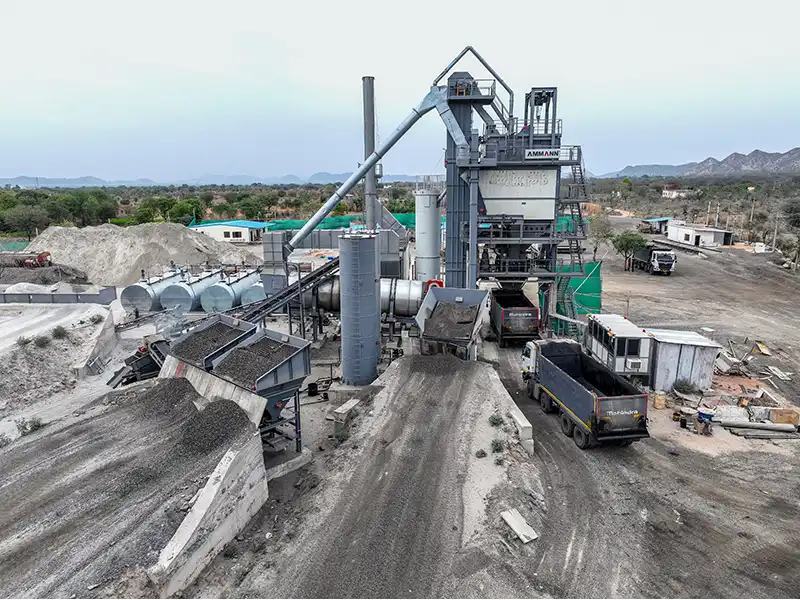
She informs that at Patel Engineering implementing SAP enterprise platforms has enabled real-time data integration across functions, improving progress tracking, early identification of bottlenecks, and faster, more informed decision-making. The use of IoT at project sites to monitor vehicle movement and fuel consumption is further enhancing visibility and planning efficiency. While wider adoption across the industry will require greater training and standardisation, she notes that digital tools are moving from pilot stage to mainstream, setting the stage for a full-scale transformation.
According to Vignesh Prakash, Assistant Manager – Planning at URC Construction, existing monitoring systems still function more as reporting tools rather than as decision-making enablers. “Monitoring systems also reflect a structural limitation. While tools like Primavera (P6) and MSP are widely used, they largely function as reporting tools rather than control mechanisms. Delays are identified after they occur, not before. A major reason is the disconnect between execution teams and planning systems. The most valuable inputs are on-ground constraints and real-time challenges which are not fully integrated into planning workflows.”
To improve outcomes, he suggests a shift in approach. “Project control must move from tracking activity completion to tracking readiness and constraints in real time. Execution teams need to be more closely integrated into the planning ecosystem, and decision-making should be driven by actual site conditions rather than static schedules.”
Impact of Execution Delays on Equipment Demand and Utilisation
Execution delays ripple across the entire construction ecosystem, and have a direct impact on equipment demand, utilisation, and financial planning. For equipment manufacturers, the issue is less about lack of demand and more about timing, predictability, and execution consistency.
He adds that though the long-term outlook remains intact, execution delays are disrupting demand cycles. A 7 to 10% slowdown in project execution, driven by regulatory bottlenecks, elongated approval cycles, and election-related pauses, has softened equipment demand, particularly in road construction.
The impact is visible on the ground. He says, “When machines sit idle between project phases, it creates inventory pressure upstream and deferred procurement cycles downstream, thereby affecting bitumen, steel, and aggregate demand. At the same time, cost pressures are intensifying. The transition to CEV V emission norms has increased equipment prices by 10 to 15%, pushing smaller contractors toward refurbished machinery, which delays fresh purchases. Combined with post-pandemic inventory overhang in some categories, OEMs are operating with tighter margins and reduced demand visibility.”
To stabilise the cycle, Panda emphasises the need for stronger policy support. Measures such as improving inter-ministerial coordination, accelerating land and clearance processes through digital systems, enforcing stricter DPR standards, and enhancing pipeline visibility through initiatives like PM Gati Shakti, can help create a more predictable project flow. He also highlights the importance of a dedicated PLI scheme, a formal scrappage policy, and concessional financing for SMEs to support fleet modernisation.
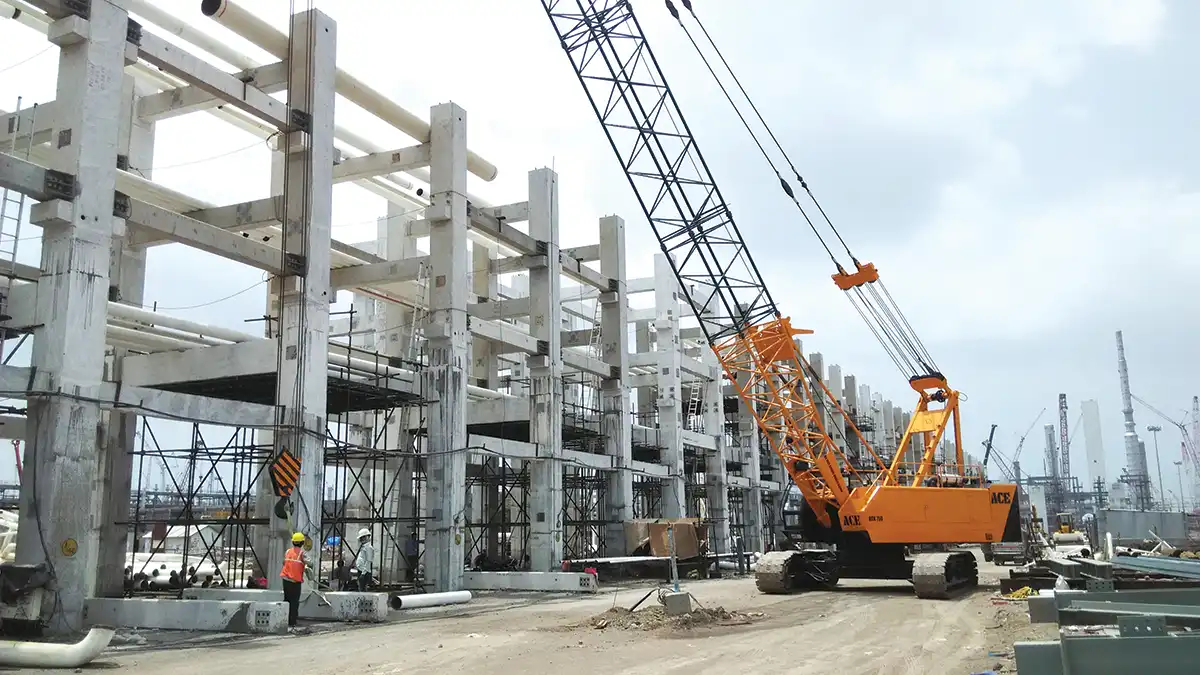

He notes that delays, whether from land acquisition challenges, approval timelines, or funding gaps, create temporary dislocations in demand.
“Encouragingly, demand fundamentals remain strong, backed by a diversified pipeline across roads, railways, and urban infrastructure. The focus must now shift to aligning project announcements with on-ground progress. Greater pipeline visibility and defined timelines will help manufacturers plan production more accurately, streamline supply chains, and respond effectively to changing demand. On the policy front, faster approvals, stronger inter-agency coordination, timely payments, and the use of digital tools for real-time project tracking will be key to improving execution at scale,” he says.

The ripple effect extends upstream. “Manufacturers plan production and dealer inventory 3–4 months ahead, anchored to project pipeline signals. When awards do not convert to commencement, inventory builds up in the channel, working capital gets locked, and confidence in the next investment cycle weakens. In slow-execution quarters, we see inventory levels running nearly 20% - 30% above baseline, a pressure that compresses margins across the entire distribution network,” Som adds.
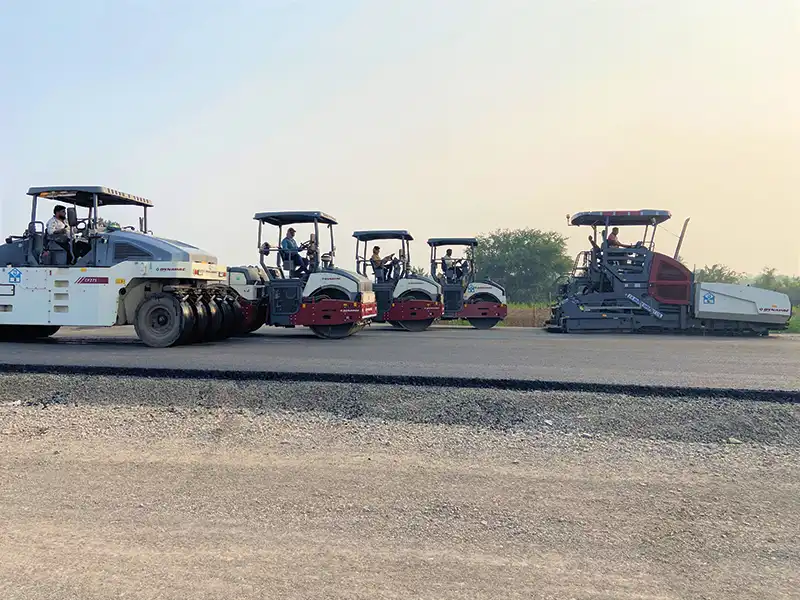
Outlining corrective steps, he says, “Projects should be tendered and awarded only after land acquisition and primary clearances are substantially complete, as incomplete rights-of-way create false demand signals and delay execution from the outset. Real-time project execution dashboards, building on PM GatiShakti, should also be accessible to contractors, equipment financiers, and manufacturers to improve pipeline visibility and investment confidence.”
He informs that Fayat Road Equipment Division (FRED) India has invested in local manufacturing, service networks, and training the next generation of equipment operators in collaboration with Infrastructure Equipment Skill Council (IESC). “We remain committed to this, but precision equipment is only as effective as the environment in which it operates.”
Learning from Global Project Execution Models
Global experience offers several examples of how stronger governance, digital integration, and disciplined planning can significantly improve infrastructure delivery outcomes.Singapore is widely regarded as a global benchmark for infrastructure governance, particularly in permit efficiency and regulatory clarity. It ranks #1 in the “Permits” category of InfraCompass 2020, driven by its “Single Window” system that streamlines approvals. Platforms like CORENET and its upgraded version, CORENET X, allow all regulatory submissions through one interface, integrating agencies and leveraging BIM, open data standards, AI, and automation. With mandatory adoption for large projects from October 2025, Singapore is moving towards near-automated code checking, significantly reducing approval timelines, and minimizing manual intervention.
Beyond approvals, Singapore leads in digital governance through “Virtual Singapore,” a city-scale digital twin that uses real-time data to simulate infrastructure impacts before execution. This enables planners to assess traffic, environmental, and energy outcomes, improving decision-making, and resilience planning. Such tools help prevent costly delays and enhance long-term urban sustainability.
Germany’s Infrastructure Future Act (InfZuG) is also a strong model aimed at accelerating project delivery. The law simplifies planning by removing redundant assessments, prioritising infrastructure as an overriding public interest, and allowing construction to continue even during legal disputes. It also digitises public participation processes, reducing delays associated with manual procedures.
In addition, Germany’s structured approach to pre-feasibility and feasibility studies ensures better project preparedness, helping reduce cost uncertainties and execution risks.
Lessons are also evident in how countries manage land acquisition and dispute resolution. South Korea’s unified Land Compensation Act emphasises negotiated settlements supported by transparent valuation, involving independent appraisers and landowner participation. This helps build trust and reduce disputes.
Japan, on the other hand, combines structured legal processes with strong mediation mechanisms, enabling faster conflict resolution and smoother project execution.
Comments Venkatachalam Karthik, Bridge Business Technical Lead and Member of the Global Steering Committee at Jacobs, “From a global perspective, many advanced economies, including the UK and Australia, place strong emphasis on front-loaded project preparation, including detailed feasibility, risk allocation, and stakeholder alignment prior to procurement. Multilateral-financed projects similarly apply readiness filters and implementation support, contributing to more predictable outcomes. India has made progress through initiatives such as PM Gati Shakti, and further institutionalizing such practices can help improve execution efficiency.”
What Needs to be Done?
As the discussion moves from identifying bottlenecks to addressing them, what emerges is that improving execution will depend on fixing how projects are prepared, coordinated, and delivered on the ground.Kavita Shirvaikar, Managing Director at Patel Engineering, points to improving project structuring and the need to sustain it through targeted reforms. “We are confident that the higher capital expenditure proposed for FY 2026–27 will drive stronger execution momentum, and to accelerate this momentum further, a few critical reforms are essential. First, strengthening project preparation and design quality is vital, ensuring that detailed engineering, realistic timelines, and comprehensive risk assessments are completed before bidding. This will help avoid disruptions and mid-course corrections during execution.
Second, there must be a shift towards capability-based selection rather than awarding projects solely on the basis of the lowest cost. As infrastructure projects become more complex, selecting technically strong and experienced players will enhance quality and significantly reduce delays.
Third, faster dispute resolution mechanisms are needed. Contractors should not be left waiting for payments or key decisions, as such delays impact liquidity and slow down project progress. Streamlined and timely resolution processes will ensure smoother execution across the sector.”
Expanding on the need to address structural gaps in execution, Aditya Jagdish Mahale, Design Engineer - Tunnel at Lombardi Engineering India, says, “From the latest trend, an acceleration in allocation over capacity building leads to a greater number of unfinished projects rather than faster implementation. Without any alteration in sequence, coordination, and responsibility, it is very difficult for bottlenecks to be solved. Priorities should include preparing project sites before bidding, aligning procurement with execution capacity, not just cost, and establishing empowered project-level coordination across departments.”
Linking execution efficiency to planning alignment, Manoj Dokania, Director at Balajee Infratech & Constructions, says, “Unutilised capex is generally a result of timing gaps between planning, approvals, and execution readiness rather, than any single factor. Once projects reach a stage where sites are fully accessible, execution tends to progress efficiently. To further strengthen utilisation, structured monitoring mechanisms such as quarterly benchmarks, real-time digital dashboards, and milestone-based fund releases can play a key role. These measures can improve alignment across stakeholders and ensure that capital is translated into on-ground outcomes in a timely manner.”
Kasim Dantreliya, DGM – Projects at B L Kashyap & Sons, stressing on the importance of starting projects with clear foundations, says, “To improve execution, strong planning and coordination are essential. Projects should begin only after design clarity and necessary approvals are in place. Contractor selection should not be based solely on the lowest bid, but also on technical strength and execution capability.”
According to him, empowering site teams for faster decisions, adopting digital monitoring tools, and ensuring regular coordination between clients, consultants, and contractors are critical to avoiding delays and improving execution speed.
Building on these points, Venkatachalam Karthik, Bridge Business Technical Lead and Member of the Global Steering Committee at Jacobs, outlines the structural shifts required to strengthen execution frameworks. “Three shifts can significantly enhance execution and accountability. First, institutionalizing robust project preparation mechanisms to ensure readiness at the time of tendering. Second, mainstreaming integrated digital project management systems that link physical and financial progress in real time. Third, evolving procurement frameworks towards value- and performance-based approaches, with clearer accountability for delivery outcomes.”
Reinforcing the need for systemic reforms, Pankaj Sharma, Founder and CEO at K2 Infragen Limited, says, “To meaningfully improve project delivery, a single-window clearance system with defined timelines can reduce approval delays. Stronger project planning through detailed feasibility studies and risk assessments before tendering will minimise execution disruptions. Incentivising technology adoption through policy support and capacity building can further enhance performance, transparency, and accountability across the project lifecycle.”
From an investor standpoint, Rahul Ghadage, Associate Vice President – Projects at Vertis Infrastructure Trust, highlights measures to improve execution certainty. “With ongoing government efforts, the sector is moving in the right direction, but outcomes can be strengthened through a greater ‘ready-to-bid’ approach with land and clearances in place. Enhancing accountability across DPR consultants, Independent Engineers, and Contractors, curbing aggressive bidding through mechanisms that filter abnormally low bids, and ensuring balanced contracts with fair risk allocation and effective dispute resolution are critical for improving execution viability.”
As project execution pressures intensify, concerns around financial viability and risk allocation are becoming more pronounced across EPC and HAM models, often leading to cautious bidding, stressed margins, and slower mobilisation.
Drawing attention to how current contracting and risk-sharing frameworks are affecting execution on the ground, Rajeev Kumar, Assistant Manager–Technical at PRA India (Barbrik Project Ltd), highlights key structural gaps that are straining project viability. “I have seen this trend happening quarter after quarter in the financial domain. In EPC projects, contractors bear the full price risk for key inputs like steel, cement, bitumen, and diesel, while price variation clauses lag behind actual market movements. As a result, contractors are compelled to bid aggressively at L1 and then manage execution pace until claims are resolved. This is not mischief, but a rational response to an imbalanced risk allocation. While HAM was intended to address some of these issues, delays in annuity payments have effectively turned concessionaires into unwilling lenders, further eroding already thin margins.”
To address these challenges, he outlines three key reforms, “Dynamic WPI-linked price variation for projects exceeding 18 months to reflect real market conditions; higher mobilisation advances of around 15%, released within 60 days of appointment to ease cash flow; and a robust payment security mechanism, such as the Telangana model, where dues are automatically deducted through RBI in case of state-level defaults. And, most importantly, there is a need to move away from L1-based selection to QCBS, Quality and Capability-Based Selection. The lowest bidder is seldom the fastest or the most efficient executor.”