Our OEM–R&D collaboration ensures that our lubricants consistently deliver superior protection, regulatory compliance, and operational efficiency for the next generation of construction and mining equipment.
Vikas Gupta, CEO

How are you keeping pace with evolving market trends and technological advancements in the construction and mining equipment industry to meet demand for high-performance lubricants?
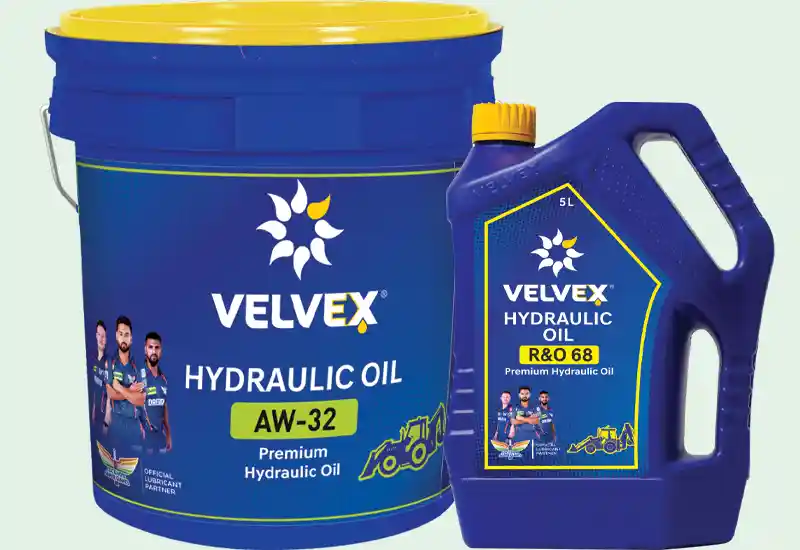
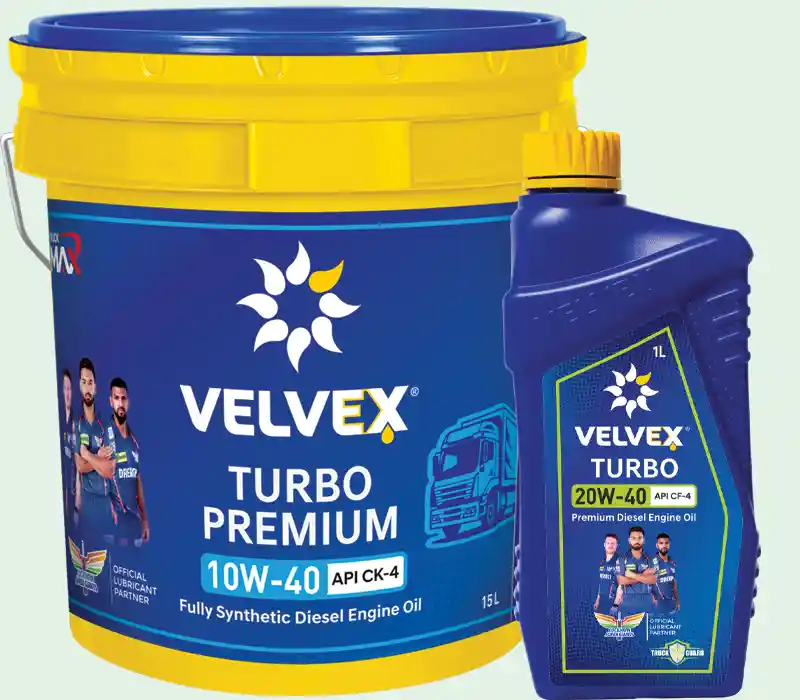
We are meeting the evolving market needs through strong OEM collaborations, advanced R&D, and customer-centric innovations across India and global markets. We work closely with leading OEMs to co-develop next-generation lubricants aligned with emerging engine, hydraulic, and drivetrain technologies, ensuring enhanced wear protection, fuel efficiency, and longer drain intervals. Our R&D and field testing are tailored for harsh, real-world conditions such as high heat, dust, heavy load cycles, and start-stop operations, enabling superior film strength, oxidation resistance, and equipment life extension.Our high-performance lubricant portfolio meets global quality standards (API CK-4/FA-4, ACEA, OEM approvals), and is engineered to reduce wear, improve uptime, lower TCO, and boost productivity. Backed by automated, technology-driven manufacturing with stringent QC, we ensure consistent and reliable product performance.
Real-time market insights from on-ground teams help us align with evolving customer needs, while our focus on sustainable, low-emission formulations prepares us for future regulations. We also customize solutions for export markets in Africa, SAARC, Middle East, and Southeast Asia to suit tropical climates, mixed fleets, long logistics cycles, and variable fuel conditions.
What R&D is the company doing to address advanced lubrication challenges including the development of nano-additives, bio-based base oils, and closed-loop re-refining systems?
We are also building a closed-loop re-refining ecosystem through improved used-oil collection and re-refining partnerships to create circular, lower-carbon lubricant solutions. Our R&D division is also continuously upgrading AdBlue purity, dosing stability, and emission control performance to help OEMs and fleets meet evolving emission norms with maximum equipment uptime. Together, these innovations ensure that we remain fully prepared for the rapidly evolving equipment landscape and the industry’s shift toward cleaner, more efficient, and sustainable operating systems.
With stricter emission norms such as Stage V accelerating the need for cleaner and more efficient equipment, how are you collaborating with OEMs and leveraging global R&D expertise to co-develop next-generation lubricants that deliver superior protection, fuel efficiency, and regulatory compliance?
We work closely with leading OEMs and global technology partners to co-develop next-generation lubricants that meet the performance and emission requirements of Stage V and beyond. Our collaborative R&D approach includes sharing field data, understanding evolving engine architectures, and aligning on tribology needs for hotter, cleaner, and more fuel-efficient powertrains.We are developing advanced formulations with higher oxidation stability, lower sulfated ash, and superior deposit control, along with friction-modifying additive systems that enhance fuel efficiency and extend drain intervals. We also integrate our global R&D insights to ensure our products meet current and future emission norms, support after-treatment durability (DPF/SCR), and enhance the performance of modern AdBlue systems.
Given India’s diverse climatic and operational conditions, what product innovations or technology advancements have you introduced to enhance lubricant reliability, thermal stability, and long-term performance in such challenging environments?
For harsh geographies, we offer extended-drain interval formulations, high-TBN oils for variable fuel quality, and low-pour-point lubricants suited for colder mining belts. Our premium greases ensure exceptional load-carrying capacity and water washout resistance, improving uptime of off-highway equipment.
With the growing shift to electric and hybrid equipment, how do you see the impact of electrification on the lubricant industry? What specialized fluid technologies are being developed for electric drivetrains, transmissions, and thermal management systems?
Electrification is reshaping the lubricant industry by shifting demand from traditional engine oils to specialized fluids that support the unique needs of electric and hybrid drivetrains. While conventional lubricant volumes may reduce over time, the value and technical complexity of EV fluids create significant new opportunities.We are closely tracking this transition and aligning with OEMs to develop next-generation EV-specific fluid technologies, including:
- E-Transmission Fluids (ETFs): Designed for high torque, rapid acceleration, and reduced copper corrosion while ensuring optimal dielectric strength.
- E-Thermal Management Fluids: Advanced heat-transfer fluids that support battery cooling, prevent thermal runaway, and maintain performance across extreme temperatures.
- E-Greases: Low-noise, high-temperature, and electromigration-resistant greases for bearings, motors, and e-axle components.
- Low-viscosity, high-stability driveline fluids: Engineered for reduced energy loss and improved efficiency in electric powertrains.
How are you integrating circular economy principles into your operations and product development to promote sustainability and support low-carbon, zero-emission growth in the lubricant industry?
We are supporting low-carbon, zero-emission growth in the lubricant industry and integrating circularity across three key areas:Closed-Loop Used-Oil Management: We are strengthening partnerships with authorized collectors and re-refiners to improve used-oil recovery and generate high-quality regenerated base oils. This reduces waste, lowers carbon intensity, and supports a circular lifecycle for lubricants.
Re-Refined & Low-Carbon Formulations: Our R&D team is developing lubricant blends that incorporate re-refined base oils (RRBO) without compromising performance. These products help fleets and OEMs reduce their total carbon footprint while meeting global performance standards.
Sustainable Packaging & Operations: We are optimizing packaging through PCR (post-consumer recycled) plastics, lightweight design, and multi-use IBCs, while upgrading our plants with energy-efficient systems, waste reduction processes, and water-positive initiatives.
Together, these actions help embed circularity into every stage of our value chain—ensuring that NPL contributes to a more sustainable, lower-carbon future, while delivering high-performance, environmentally responsible lubricants to the industry.