
Grundfos Optimises Water Solutions
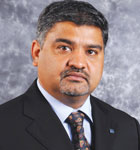
Mr. Sirsi suggests that instead of two pumps, the optimal solution would be to install multiple smaller pumps in parallel, controlled by the especially developed Demand Driven Distribution (DDD) controller. "The multi-pump controller automatically maintains the best efficiency point by cascade operation and speed control. Grundfos systems can be expected to deliver a hydraulic efficiency of more than 80%. Our experience shows that installing such a system results in a lower initial capital investment, lower energy consumption and lower leakage loss," he elucidates.

The company provides energy-efficient pumps and smart pumping solutions for various applications including heating & hot water service system, cooling & air conditioning systems, industrial applications, pressure boosting, groundwater supply, domestic water supply, dosing & chlorination systems, disinfection system, sewage & wastewater, etc. According to Mr. Sirsi, for designing systems to address water related issues in a country like India, Grundfos uses loadprofiles based on 24-hour consumption patterns. The load profile gives an overview of how much a pumping system operates at a specific flow rate on a daily basis, and the system adjusts its performance accordingly.
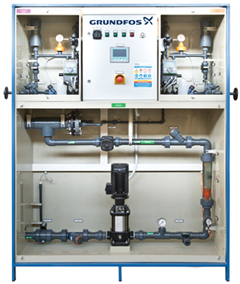
Mr. Sirsi feels that the need of optimizing the pumping system by managing/controlling the pressure is a must if we want to control the water loss, especially through leakage. "Grundfos DDD uses pressure control to ensure constant tap pressure at the consumer as opposed to a constant pump discharge pressure. Automatic set-point reduction reduces leakage loss by up to 20%," he avers adding that the surplus system pressure that arises in low flow situations is a major cause of water loss through existing leaks.

Elaborating this, Mr. Sirsi, says, "In high flow periods, friction loss in the mains is relatively high. The loss is correspondingly low when flow drops in off-peak periods of the day. If the pump discharge pressure remains constant regardless of flow, the difference infriction loss will result in excess pressure in the system.This increases leakage loss during off-peak periods. The DDD system compensates for excessive system pressure by automatically adapting the setpoint to the actual flow. This is unique to Grundfos' DDD controller, and is made possible because the controller has been designed and programmed specifically for Grundfos pumps."
Over the years, Grundfos has pioneered numerous innovations through which the company keeps promoting and facilitating energy-efficiency and sustainable technology owing to its belief that these innovations will enable water distribution infrastructure to meet future challenges and regulations.
Published on:
26 October 2015
Published in: NBM&CW October 2015
Share:
We Value Your Comment