
Strengthening Tier 2 Airports The Strategic Pivot Toward Resilient Logistics Networks
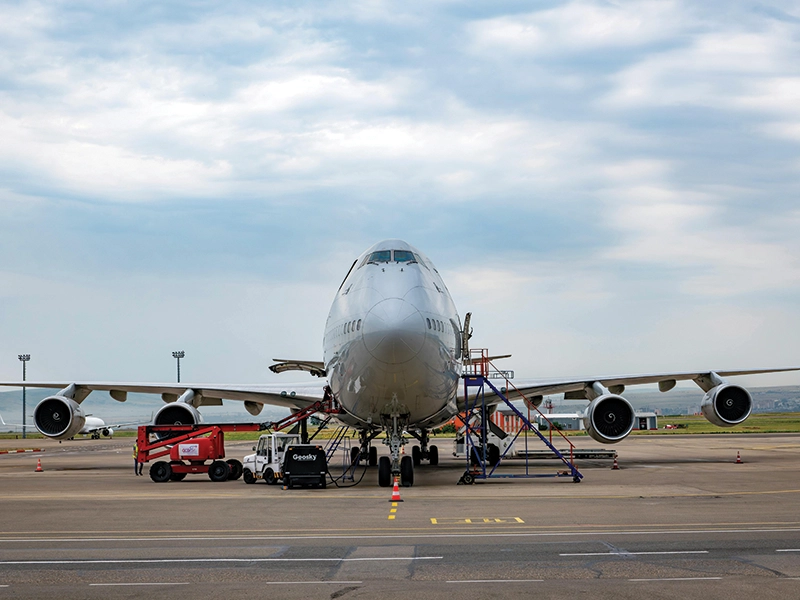
The answer may lie in India’s Tier 2 airports.
Emerging airports in cities such as Coimbatore, Nashik, Indore, Lucknow, Kochi, Guwahati, and Mangaluru are increasingly being recognized not just as regional connectors, but as strategic enablers of a more resilient, distributed, and future-ready logistics network. Positioned closer to production clusters and consumption centers, these airports can significantly reduce transit times, lower logistics costs, and unlock export potential—particularly for time-sensitive and perishable cargo.
With national initiatives like PM Gati Shakti and UDAN driving regional connectivity, the momentum is clear: India’s next logistics leap will not be built only on bigger metro hubs, but on a smarter, more balanced network—where Tier 2 airports play a central role in powering growth, inclusion, and competitiveness.
The future of Indian air cargo may well take off from its smaller cities.
India’s logistics sector is undergoing a structural transformation, driven by evolving trade dynamics, supply chain realignments, and the country’s ambition to emerge as a global manufacturing and export hub. While metro airports continue to dominate cargo volumes, the strengthening of Tier 2 airports is fast becoming a strategic priority—not only to decongest major hubs but also to build a resilient, inclusive, and future-ready logistics network. A particularly compelling dimension of this shift lies in the potential of Tier 2 airports to accelerate perishable exports from India’s hinterland."Countries across the Middle East, Europe, and Southeast Asia are increasingly sourcing perishable goods from India, and Tier 2 airports—backed by modern infrastructure and digital tracking systems—can play a pivotal role in meeting these expectations."
V. Chandra Kumar, Founder–Managing Director, Active Freight Logistics (P) Ltd., India, and Vice Chairman – Air Cargo Forum India, Bangalore Chapter

Historically, India’s air cargo infrastructure has been concentrated in a few metro gateways such as Delhi, Mumbai, Bengaluru, and Chennai. While these hubs offer scale and connectivity, they are increasingly constrained by congestion, longer dwell times, and higher operational costs. More importantly, their geographic concentration creates inefficiencies for exporters located in Tier 2 and Tier 3 regions, who must rely on extended road transportation to access these gateways. This is especially critical in the case of perishable cargo, where time, temperature, and handling precision directly impact product quality and market value.
Strengthening Tier 2 airports addresses this gap by bringing logistics infrastructure closer to production centers. Cities such as Coimbatore, Nashik, Indore, Lucknow, Kochi, Guwahati, and Mangaluru are located near key agri and marine clusters producing fruits, vegetables, spices, seafood, meat products, and floriculture. By equipping these airports with dedicated perishable cargo terminals, exporters gain direct access to global markets without the delays and risks associated with long-haul inland transport.
The advantages of enabling perishable exports from Tier 2 airports are both immediate and far-reaching. First and foremost is the reduction in transit time. Direct uplift from the origin significantly cuts down the time between harvest or processing and final export, ensuring better freshness, longer shelf life, and higher acceptance in international markets. This is particularly important for products such as grapes from Nashik, flowers from the outskirts of Bengaluru, seafood from coastal regions, and exotic vegetables from the Northeast.
Second is improved cold chain integrity. Every additional handling point in a supply chain increases the risk of temperature deviation. By minimizing the distance and touchpoints between origin and airport, Tier 2 facilities help maintain a consistent cold chain. With the integration of temperature-controlled storage, reefer truck docking, and rapid cargo processing systems at regional airports, exporters can ensure compliance with stringent international quality standards.
Third is cost optimization. Long-distance road movement to metro airports adds significantly to logistics costs, particularly for low-margin agri exports. Direct exports from Tier 2 cities eliminate or reduce these inland transportation expenses, making Indian products more price-competitive in global markets. Additionally, reduced wastage due to faster transit translates into better yield and profitability for exporters.
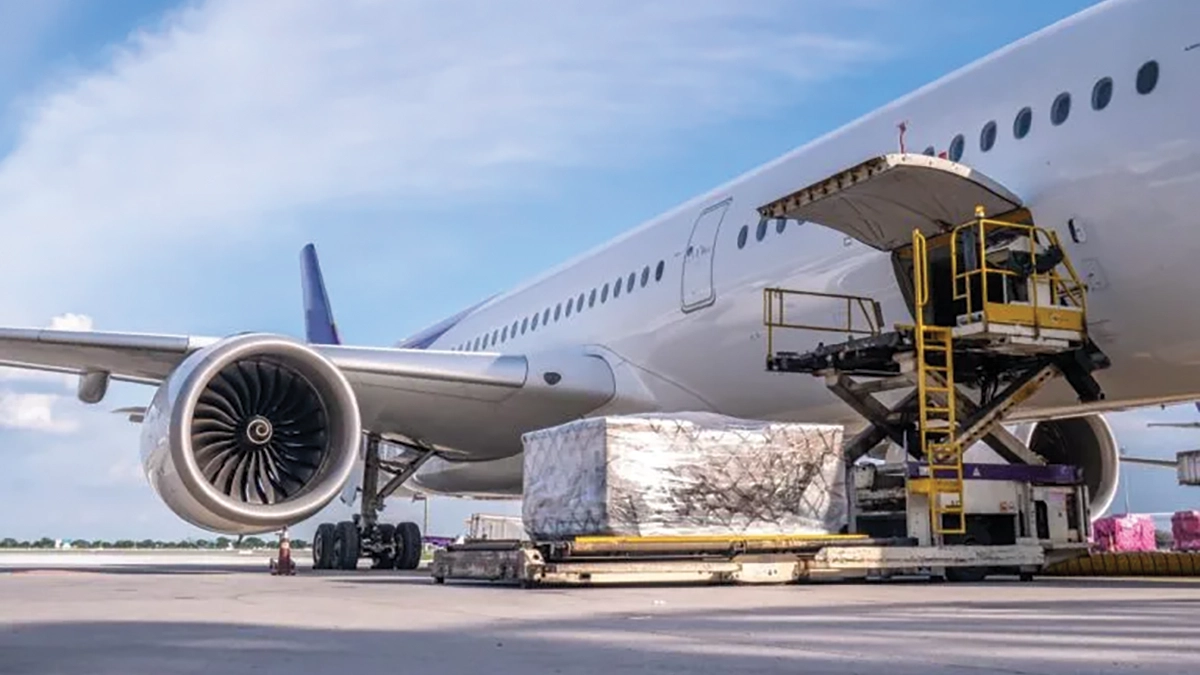
Another important benefit is market access and diversification. Smaller exporters, farmer-producer organizations (FPOs), and agri-cooperatives often face barriers in accessing metro-based export infrastructure due to cost and scale constraints. Tier 2 airports democratize access by providing localized export gateways, enabling a wider base of stakeholders to participate in international trade. This not only boosts rural incomes but also strengthens India’s export basket with greater product diversity.
From a logistics network perspective, the development of perishable export capabilities at Tier 2 airports enhances supply chain resilience. A distributed network of cargo-enabled airports ensures that disruptions at major hubs do not halt the movement of time-sensitive goods. During peak seasons, weather disruptions, or capacity shortages, regional airports can act as alternate gateways, ensuring continuity and reliability.
The growing demand for high-quality, traceable, and fresh produce in global markets further reinforces the importance of this approach. Countries in the Middle East, Europe, and Southeast Asia are increasingly sourcing perishable goods from India, provided supply chains can guarantee consistency and quality. Tier 2 airports, supported by modern infrastructure and digital tracking systems, can play a pivotal role in meeting these expectations.
However, unlocking this potential requires a focused and coordinated effort. Investment in infrastructure is key—this includes setting up dedicated perishable cargo centers, pack houses, irradiation and treatment facilities, and efficient customs clearance mechanisms. Equally important is airline connectivity, particularly freighter operations and belly cargo capacity on international routes. Policy incentives, viability gap funding, and public-private partnerships can accelerate this development.
Integration with multimodal logistics is another critical factor. Seamless connectivity between farms, processing units, and airports through reefer-enabled road and rail networks will ensure that the benefits of airport infrastructure are fully realized. Additionally, stakeholder alignment—across government agencies, airport operators, exporters, and logistics providers—is essential to create a cohesive and efficient ecosystem.
In conclusion, strengthening Tier 2 airports is not just about expanding infrastructure—it is about redefining India’s logistics architecture. By enabling efficient perishable exports from regional hubs, India can reduce wastage, improve farmer incomes, enhance export competitiveness, and build a more resilient supply chain. As global demand for fresh and high-quality products continues to rise, Tier 2 airports will play a decisive role in connecting India’s hinterland to the world—swiftly, efficiently, and sustainably.
India’s logistics ecosystem today is robust, well-networked and technology-driven, with multimodal integration enabling efficient cargo movement across the country. As supply chains continue to expand into emerging consumption and production centres, strengthening Tier 2 airports presents a significant opportunity to further enhance network efficiency, improve reach, and build greater resilience across the logistics landscape.“With connectivity spanning 100+ cities across India, our network is designed to enable high-frequency cargo movement across critical industrial and consumption hubs.”
Ketan Kulkarni, Managing Director and CEO, Allcargo Logistics Limited.

A more distributed air cargo network enables faster turnaround times, reduces dependency on a few major hubs, and brings logistics infrastructure closer to businesses in high-growth regions and upcoming markets. This not only improves service predictability but also creates a more balanced and future-ready logistics ecosystem that supports India’s expanding economic footprint.
At Allcargo Logistics, we have been consistently strengthening our Air Express capabilities to support time-sensitive and high-value shipments. Today, our network is backed by connectivity to 100+ cities across India, enabling high-frequency cargo movement across key industrial and consumption centres.
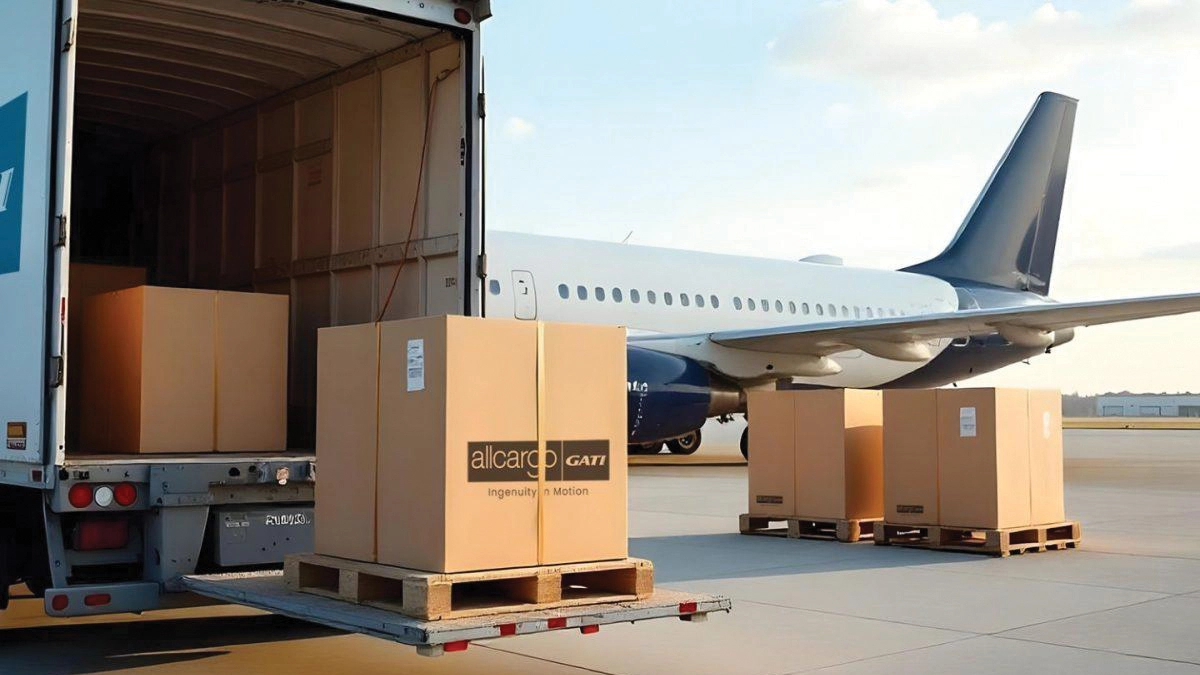
Our Air Express services are designed to deliver speed with reliability, with 24-hour delivery across key metro routes, along with flexible pickups and reliable next-day delivery for time-sensitive shipments. This is further supported by seamless integration with our ground network, ensuring end-to-end connectivity and consistent service across regions.
A key focus area has been expanding direct connectivity beyond metros. We have introduced dedicated Air Express services to niche markets such as Imphal and Varanasi, linking them seamlessly with major cities including Mumbai, Delhi, Bengaluru, Chennai and Hyderabad. This has enabled faster market access for businesses in these regions, reduced transit times, and improved overall supply chain efficiency.
In addition, our integrated network, comprising over 90 hubs, 8 air logistics centres, and a warehousing footprint of more than 12 million sq. ft. allows us to ensure seamless movement of goods across regions, supported by strong first- and last-mile connectivity.
As Tier 2 airports continue to evolve, their integration into national logistics networks will be instrumental in unlocking new growth corridors. By complementing existing infrastructure with stronger regional air connectivity, the industry can build a more agile, inclusive and resilient logistics ecosystem; one that is well-positioned to support India’s next phase of growth."
The global logistics landscape is undergoing a structural transformation, shifting from a traditional reliance on mega-hubs toward a decentralized, multi-nodal network. For freight forwarders and shippers, the volatility of the past few years has highlighted a critical vulnerability: the chronic congestion and systemic stress of Tier 1 international gateways. In 2026, the mandate for the industry is clear—resilience must be built through diversification, and Tier 2 airports are emerging as the strategic microhubs essential for this evolution.“Tier 2 airports are emerging as vital arteries for regional development and economic inclusion, acting as a much-needed “circuit breaker” for over-congested metro hubs by creating alternative routes that bypass traditional bottlenecks.”
Tasneem Haji, Senior Manager, Sales Air / Ocean Jet Freight

The Hub-and-Spoke Bottleneck
For decades, the hub-and-spoke model dominated air cargo, concentrating traffic in a few major metros. In India, for example, six airports still process over 90% of all air cargo. However, this centralization has reached a breaking point. Major hubs face chronic terminal congestion, delayed baggage, and strained last-mile connectivity. This pressure is further intensified by 24-hour operations that cluster international flights into narrow early-morning windows, placing extreme stress on ground handling and customs systems.For the logistics industry, these bottlenecks translate into higher dwell times, rising operational costs, and disrupted cold chains. Industry experts argue that the problem is not a lack of infrastructure, but a *persistence of airline network concentration* around major hubs. To build a truly resilient network, the industry must orchestrate a system that aligns regional airports with broader airline network strategies.
Tier 2 Airports as Strategic Microhubs
Tier 2 airports are no longer peripheral; they are becoming vital arteries for regional development and inclusion. These locations offer a "circuit breaker" for over-congested hubs, providing alternative routing that avoids traditional pain points. In India, the impact is already measurable. While the domestic cargo segment grows at a steady 6–8% CAGR, certain Tier 2 airports are witnessing explosive surges.A prime example is *Coimbatore International Airport, which reported a staggering *+99.8% year-on-year growth** in international freight volumes for FY2024–25. Similarly, Amritsar is evolving into a hub for agricultural and pharmaceutical exports, while Jaipur is expanding its capabilities to serve the gems and handicrafts trade. This growth is not merely policy-driven; it is fueled by the practical needs of regional exporters who can no longer afford the delays inherent in metropolitan hubs.
Industry Drivers: E-commerce, Pharma, and Electronics
The shift toward Tier 2 hubs is accelerated by the changing nature of the cargo mix. High-value, time-sensitive goods—specifically electronics, pharmaceuticals, and perishables—now dominate the sector.E-commerce: Now constituting one-third of total air cargo volumes, the demand for rapid, "just-in-time" delivery makes regional air cargo a critical logistics component.
Pharmaceuticals: Valued at billions, these exports rely on air transport for temperature-sensitive integrity. Specialized offerings like "PharmaLife" have seen 100% growth by ensuring temperature integrity through dedicated handling infrastructure.
Electronics:Fuelled by government manufacturing initiatives, electronics now account for 30% of air cargo movement.
Tier 2 airports support these sectors by offering faster turnaround times and proximity to production clusters, such as textile towns and jewellery hubs.
The Digital and Sustainable Mandate
Resilience is not only about physical infrastructure; it is about digital transparency and environmental accountability. In 2026, *digitalization is the competitive battlefield* for freight forwarders. Paperless workflows, such as full e-AWB compliance, are now the industry standard, and forwarders without these tools risk being sidelined.Furthermore, sustainability has become a competitive differentiator. With the International Maritime Organization (IMO) approving a global carbon tax and shippers setting stricter targets, the adoption of *Sustainable Aviation Fuel (SAF)* and fuel-efficient fleet modernization are no longer optional. Tier 2 airports that integrate smart, green technologies—such as solar-powered terminals and AI-driven predictive analytics—will be best positioned to attract long-term global partnerships.
Challenges to "Network Wisdom
Despite the potential, the transition to a decentralized network faces significant hurdles. Many regional airports remain underutilized because they lack consistent flight frequencies and operational maturity. A stark example is Rajkot, a major jewelry exporter with a new international airport that currently lacks cargo operations, forcing SMEs to transport goods 220 km by road to Ahmedabad. This creates an *"economic chokehold"* that wastes GDP and erodes trust in regional infrastructure.True resilience requires shifting from "airport-by-airport" expansion to *system-level, network-based planning*. This involves implementing uniform Service Level Agreements (SLAs), improving inter-airport connectivity through bonded trucking, and incentivizing airlines to diversify their routes beyond primary hubs.
Conclusion
The future of global air cargo will be decentralized—or it will be delayed. As regional economies mature and demand for high-speed logistics grows, Tier 2 airports provide the necessary safety valve for a straining global system. By investing in regional infrastructure, digital transparency, and sustainable practices, the logistics industry can transform regional roadblocks into corridors of shared prosperity. Only then will the global network achieve the resilience required to navigate the volatile trade realities of the future.India’s growth story over the past many years has been concentrated in Tier 1 cities, which has contributed to the polarization of cargo and passenger traffic at these airports as primary gateways connecting India to the world. However, with various government initiatives, infrastructure development, startup investments, and the rise of e-commerce and the gig economy, Tier 2 cities have emerged as prominent contributors to the economy.“Creating synergy between Tier 1 and Tier 2 airports is essential for seamless cargo flow, and introducing wide-body aircraft for domestic movements would be a significant step forward.”Subeer Oberoi, General Manager—North & East, Global Network, Prologis Freight India Pvt. Ltd.

As a natural consequence, there is a pressing need to strengthen Tier 2 city airports; otherwise, saturation at Tier 1 airports may exceed manageable limits. India is the 7th largest country in the world and one of the fastest-growing aviation markets, yet it remains heavily dependent on a few Tier 1 airports. Currently, the top six airports in India (Delhi, Mumbai, Bengaluru, Chennai, Hyderabad, and Kolkata) handle more than 90% of cargo traffic, creating limitations for agile and efficient logistics planning. Therefore, redistributing cargo traffic more evenly between Tier 1 and Tier 2 airports is the way forward.
This also aligns with India’s initiative to reduce logistics costs to global standards and achieve a competitive edge. Schemes such as Gati Shakti and UDAN (Ude Desh Ka Aam Nagrik) reflect a clear intention to decentralize cargo concentration from Tier 1 gateway airports and develop new gateways in Tier 2 cities. However, significant ground-level improvements are still needed, as the lack of adequate wide-body aircraft and limited flight options restrict belly cargo capacity.
The essence of airfreight is speed; however, time-sensitive shipments often need to complete long domestic journeys before reaching the nearest gateway with sufficient connectivity. This not only causes delays but also increases costs. The impact is even greater for temperature-sensitive cargo, where fluctuations can lead to the rejection of shipments.
India has emerged as the “pharmacy of the world,” supplying nearly one-fifth of the global demand for generic medicines and exporting to over 200 countries—making it a sector highly dependent on airfreight infrastructure.
Therefore, continuous improvement in air connectivity is essential to sustain growth.
India has 35 international airports, many located near industrial hubs, yet they are unable to provide the required connectivity. This represents a major untapped opportunity that must be addressed. Today, Tier 2 cities account for a large share of the urban population and MSMEs, and they are experiencing higher growth across various industry segments. It is time for Tier 2 airports to emerge as strategic gateways for airfreight movement. This will help reduce overdependence on Tier 1 airports while supporting the overall growth of the aviation sector and surrounding industrial regions.
Published on:
15 June 2026
Published in: Lifting & Specialized Transport, March-April, 2026
Share:
We Value Your Comment