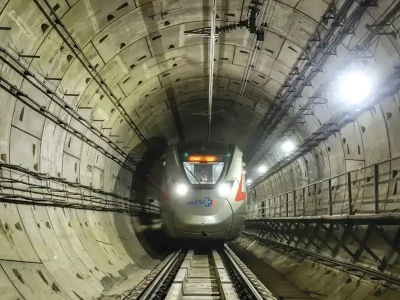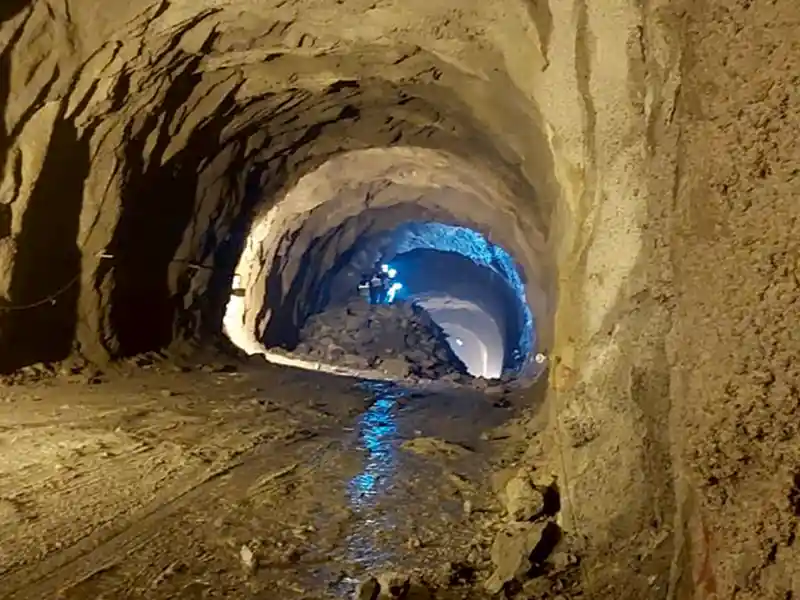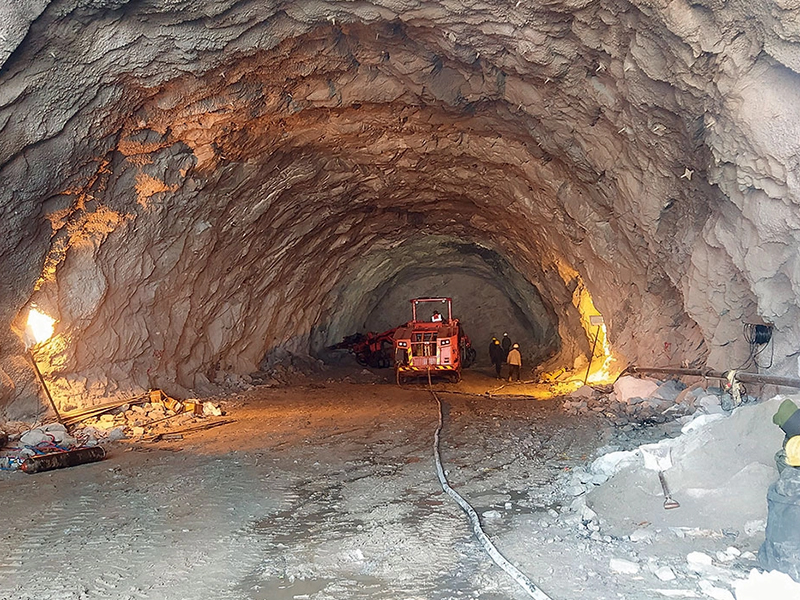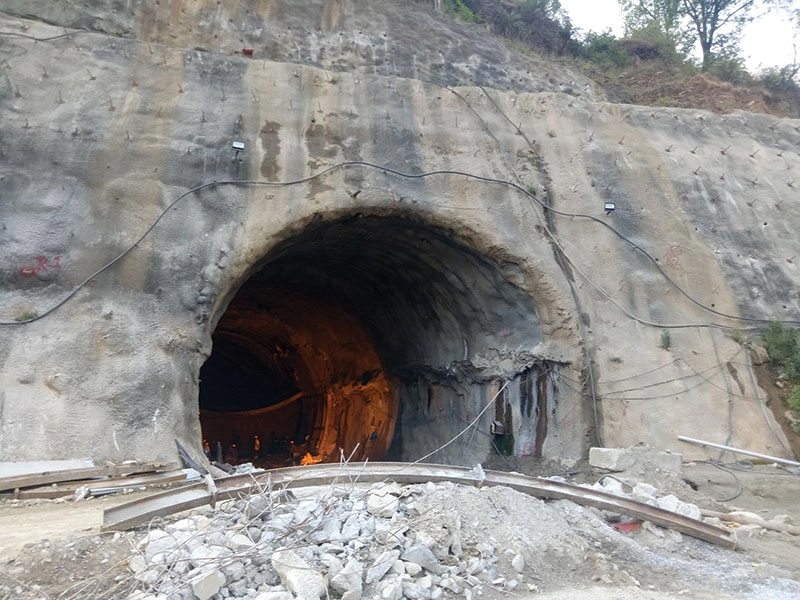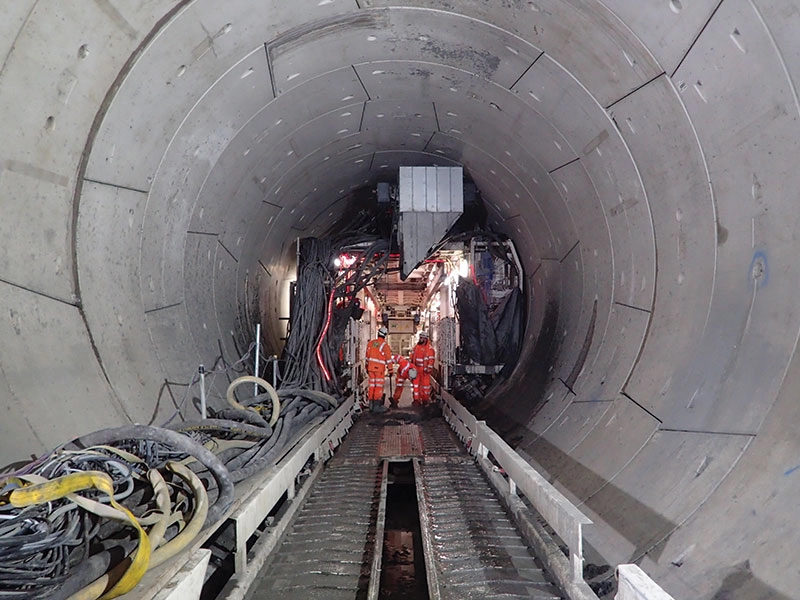
However, as projects become more demanding, a key challenge remains: Performance vs. Efficiency.
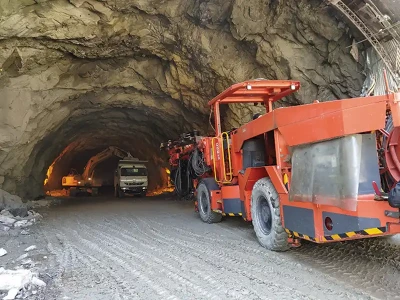
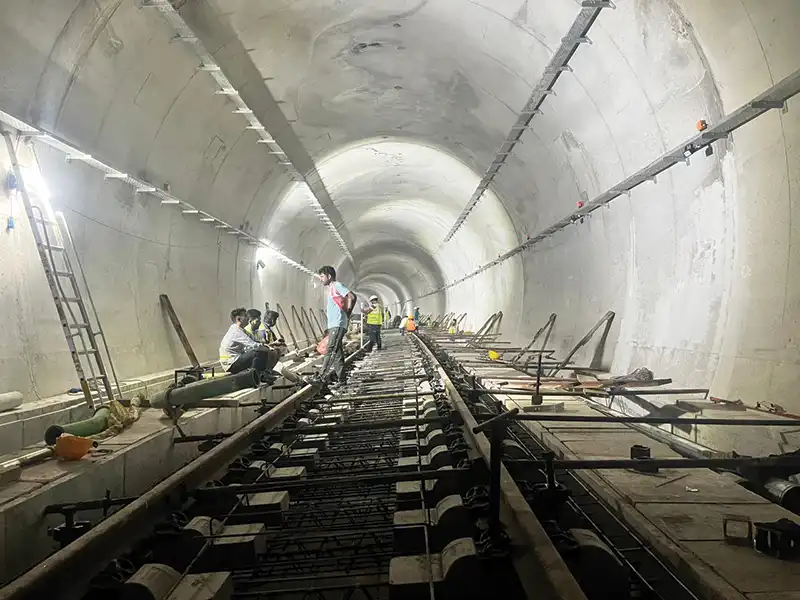
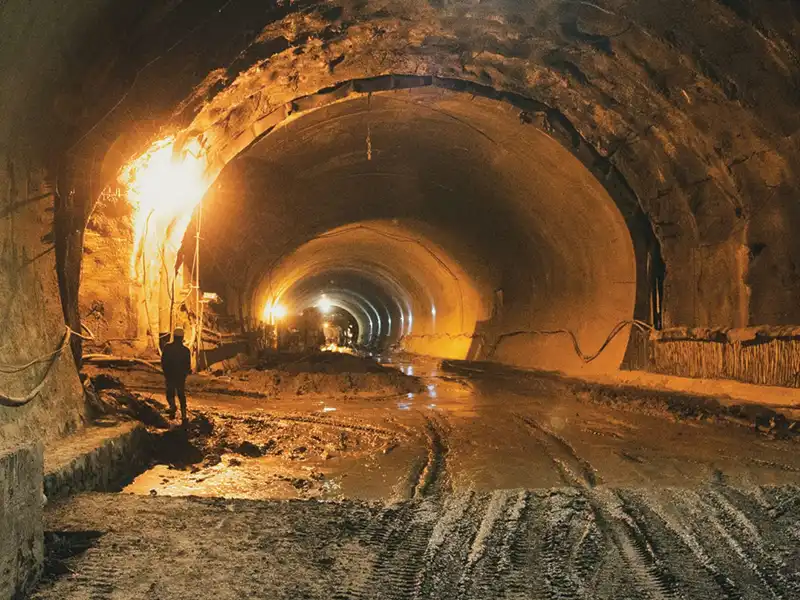
The conventional hook-end steel fibers have long been the industry standard. While reliable, achieving the required performance often means higher fiber dosage and conservative design margins. In applications like tunnel linings, shortcrete systems, and heavy-load industrial floors, this leads to increased material use and overdesign. More importantly, controlling post-crack behavior of how concrete carries load and absorbs energy remains a challenge.
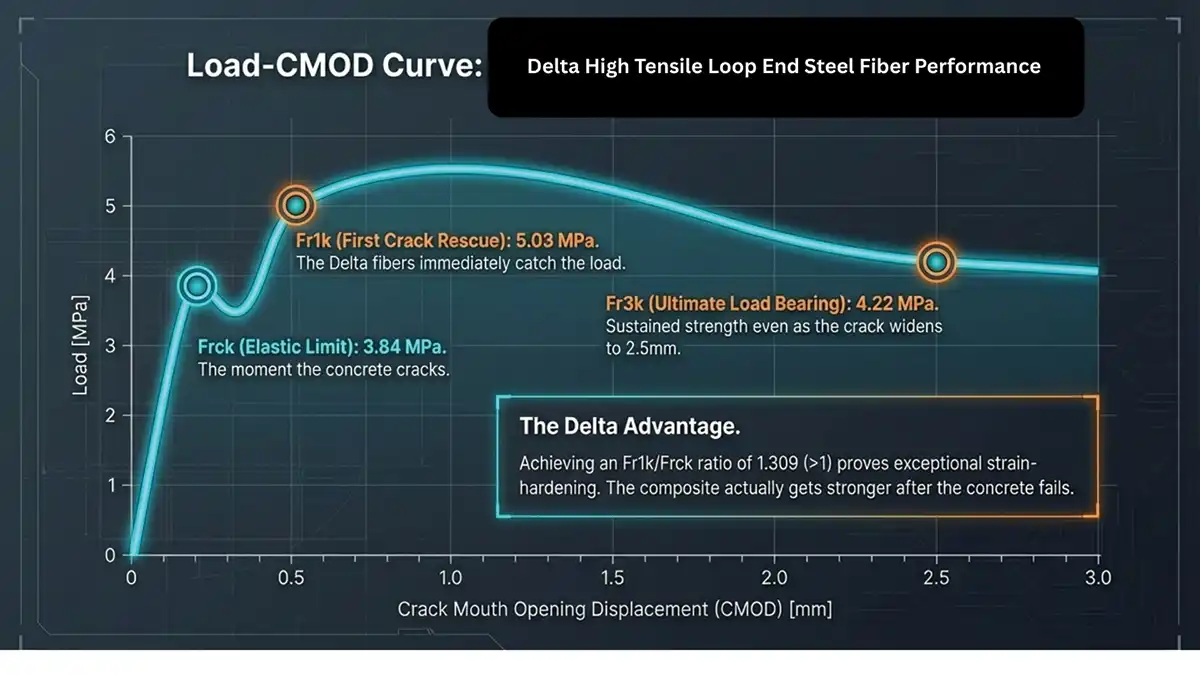
As design standards shift toward performance-based frameworks such as EN 14651 and fib Model Code 2010, the focus is now on predictable performance under stress, not just strength.