
RapidShyp: Redefining Delivery Outcomes in India’s Fast-Growing eCommerce Market
Ravi Goel, CEO of RapidShyp, says that around 60–70% of the company’s active sellers come from the SMB and early-stage D2C segment, while it is also seeing strong traction among enterprises through Cargo+, its unified interface for managing heavy freight. With coverage across more than 29,000 pin codes, the company is focused on extending these capabilities to sellers and buyers in Tier 2 and Tier 3 cities—the next growth frontier for Indian e-commerce—aiming to build a platform that supports sellers from day one and scales alongside their growth.

How RapidShyp Ayumi app for eCommerce shipping is addressing the challenges of the industry?

What was making things worse was that the existing tools gave sellers very little to work with. Traditional courier aggregators connected you to multiple couriers, yes, but there was no intelligence behind that. You still had to manually decide which courier to use, take a guess at delivery timelines, and find out about returns only after the courier had already attempted delivery. Everything was reactive.
That is what we built RapidShyp to change. The platform is designed to be an intelligent orchestration layer, not just a connector. It actively works to make each shipment successful. Our AI-powered delivery intelligence engine, RapidShyp Ayumi, predicts which orders are likely to be returned before they are even dispatched. It provides buyers with accurate delivery windows and keeps everyone informed throughout the process without the seller having to do anything manually.
The app was born out of one very specific insight. A large number of sellers, particularly those building early-stage D2C brands or selling through social platforms, are not sitting at a desktop all day. They are managing everything on the go. So we asked ourselves: why should good logistics infrastructure only be available to businesses with large operations teams? The app brings the full capability of the platform to any seller, regardless of their size or setup, right from their phone.
Who are the primary end users of the app, and which customer segments are you targeting?
Our user base is genuinely diverse, and that diversity reflects exactly what we set out to build. We never wanted to be a platform only for big players. The whole point was to make serious logistics technology accessible to every kind of business.At one end of the spectrum, you have the new-generation D2C entrepreneur—someone who started selling on Instagram or launched a Shopify store, probably running a small team or operating solo. These founders are incredibly passionate about their products, but logistics can feel overwhelming. They do not have the time or bandwidth to negotiate rates with multiple courier companies, manually track shipments, or manage returns on spreadsheets. That is exactly who the RapidShyp App was built for.
At the other end, you have more established businesses—traditional B2B companies expanding online or enterprises managing high volumes of freight across multiple carrier partners. Their needs may look different on the surface, but the underlying problems are quite similar: too many systems, not enough visibility, and constant pressure to cut costs without compromising on service.
So, our targeting is shaped by the specific challenge a business is facing at a particular stage of its growth. About 60–70% of our active sellers today come from the SMB and early-stage D2C segment. At the same time, we are seeing strong uptake from enterprises, especially through Cargo+, which handles heavy freight through a single unified interface.
Geography matters a lot to us as well. We cover over 29,000 pin codes and are deeply focused on extending these capabilities to sellers and buyers in Tier 2 and Tier 3 cities. The next wave of Indian e-commerce will come from these markets, and we want to be the platform that grows with those sellers from day one.
What measurable ROI or business benefits are sellers/distributors experiencing after adopting the platform?
The numbers we are seeing from sellers are quite striking. Logistics costs are coming down by up to 20%, return-to-origin (RTO) rates are dropping by up to 45%, and our AI delivery engine, Ayumi, is achieving up to 98% predictive delivery accuracy. These are not small improvements—they fundamentally change the economics of running an online business.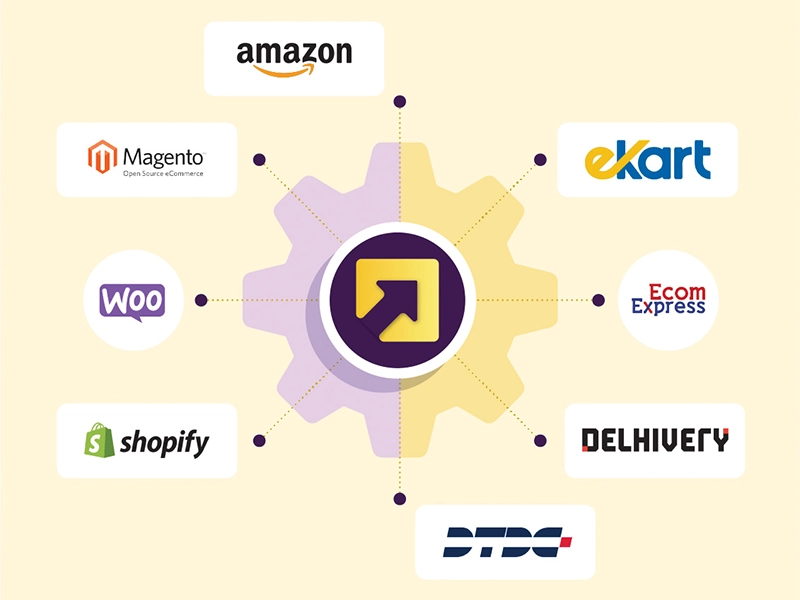
Then there is the brand trust factor. A buyer who receives an accurate delivery date, gets regular updates, and receives their order on time is more likely to return. That repeat purchase value may not show up directly in logistics reports, but it certainly reflects in a brand’s long-term revenue. Our sellers tell us this consistently.
During last year’s festive season, we grew at 57%, while the industry averaged 35–40%. That is not a coincidence. Sellers who trusted us with their peak volumes saw the platform perform under real pressure, and they stayed with us. Sustained growth during the most demanding period of the year is one of our strongest proof points.
How is the app streamlining or improving the overall logistics process?
Imagine a seller managing a flash sale. Orders are pouring in, the warehouse is buzzing, and every shipment needs to go out quickly. Earlier, that seller would manually log into multiple courier portals, copy-paste addresses, hope they selected the right carrier, and spend the next few days handling customer queries about delivery status. The entire process was slow, fragmented, and exhausting.The app transforms that sequence end-to-end. Order management is centralised and intelligent, eliminating the need to switch between platforms or perform manual data entry. Courier selection is automated through Ayumi Select, which chooses the right carrier based on delivery performance data at the lane level, real-time network conditions, and historical reliability—not just cost.
Buyers receive proactive updates throughout the process without the seller needing to intervene. If an order shows signs of risk, the system flags it early, allowing timely intervention. If a delivery attempt fails, RapidShyp Connect steps in via WhatsApp, IVR, or direct calls to reschedule the delivery instead of allowing it to convert into a return.
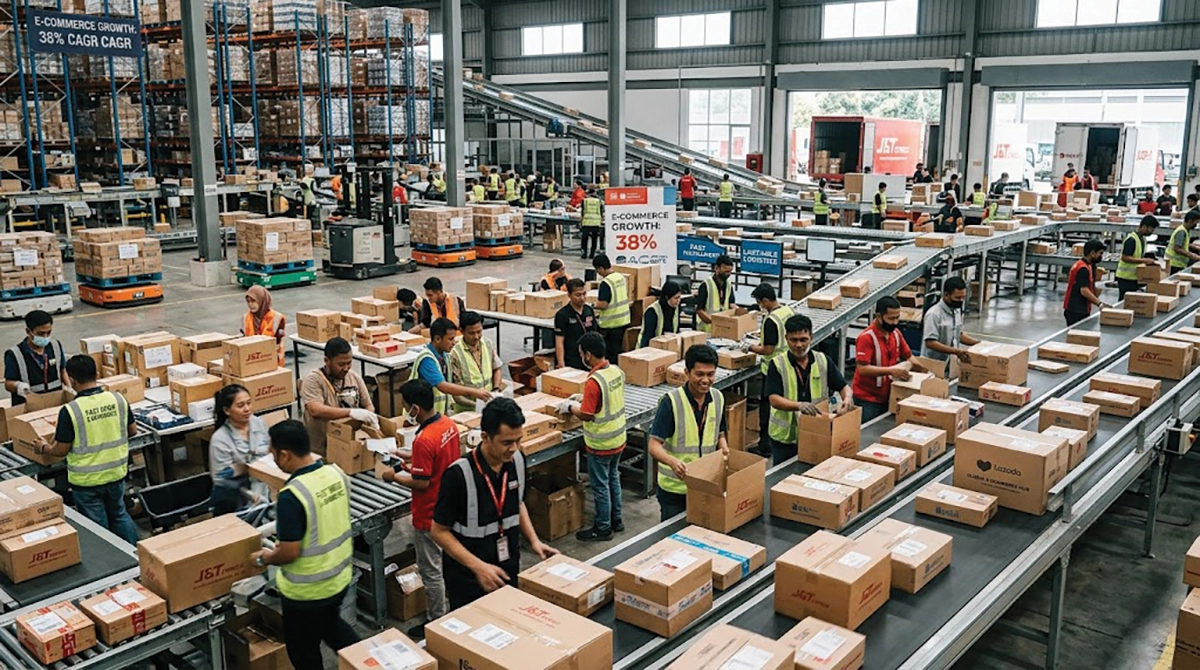
Same-day and next-day delivery options are also integrated into the platform, which is critical for sellers competing on speed. Since everything operates on a mobile interface, there is no need for expensive hardware or dedicated operations teams. What previously required a team managing multiple tools and spreadsheets now runs almost autonomously.
More importantly, sellers regain time to focus on growing their business.
Which sectors or product categories are showing the strongest demand for this solution?
Fashion and apparel remain among our largest categories, which aligns with broader Indian e-commerce trends. Sellers in this space deal with high volumes, extensive product ranges, and some of the highest return rates in the industry. Smart courier allocation and proactive return prevention directly benefit these businesses.Beauty and personal care is another fast-growing segment. These are often D2C brands built primarily on social media. Founders in this category are highly brand-conscious and understand that delivery experience is part of the overall brand journey. They are not necessarily looking for the cheapest logistics solution but one that aligns with their brand quality.
High-value goods and electronics are also growing significantly on the platform, particularly through Cargo+. When shipping high-value items, visibility and control throughout the delivery journey are critical. Integration with the Government of India’s Unified Logistics Interface Platform (ULIP) enables enhanced tracking even in areas with limited GPS coverage, expanding reach into wider geographies.
What is especially exciting is the growth we are seeing from Tier 2 and Tier 3 cities—first-generation entrepreneurs building brands from smaller towns, often without the support systems available in metros. Providing these sellers with the same quality of logistics infrastructure as well-funded startups in cities like Bengaluru or Mumbai is not just an objective; it is central to our mission.
What technologies power the platform, and how do they enhance user experience and operational efficiency?
At the core of the platform is RapidShyp Ayumi, our AI-powered delivery intelligence engine. It introduces proactive automation into shipping by analysing buyer behaviour, address reliability, and historical fulfilment data to achieve up to 98% predictive delivery accuracy. It functions as the central intelligence layer, composed of multiple integrated modules, each addressing a specific logistics challenge.Instead of static routing, Ayumi Select acts as a smart courier allocation engine, recommending the most suitable partner for each shipment based on delivery success probability, historical reliability, lane-level performance, and real-time network conditions such as hub congestion. Ayumi Predict analyses buyer intent and location intelligence to identify high-risk orders before dispatch, actively reducing RTO losses.
At the same time, Ayumi Promise calculates highly accurate estimated delivery dates using real-time logistics inputs. Complementing this, Ayumi Sense serves as an always-on AI assistant, providing real-time shipment visibility and exception-based insights.
On the communication side, RapidShyp leverages WhatsApp, IVR, and direct calls to keep buyers informed, confirm delivery intent, and reschedule missed deliveries automatically. For enterprise freight, Cargo+ operates on a robust API suite that connects multiple carriers through a single interface, with full ULIP integration for nationwide shipment visibility.
What makes the system truly effective is that these tools do not operate in isolation. They continuously share and learn from data, creating a unified intelligence layer. This is what differentiates technology that simply appears sophisticated from technology that consistently delivers real-world results.
Published on:
15 June 2026
Published in: Lifting & Specialized Transport, March-April, 2026
Share:
We Value Your Comment