
Outlook: Navigating Geopolitical Headwinds with Disciplined Growth
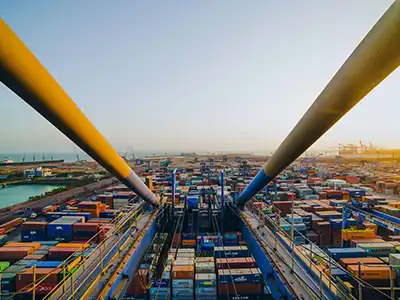
The prolonged West Asia and global geopolitical crises remain key watchpoints, threatening supply chains and introducing input cost fluctuations. However, industrial developers view this as a period for financial discipline rather than panic.
However, industrial developers view this as a period for financial discipline rather than panic.
We are transitioning towards a more occupier-centric approach, with a strong emphasis on Grade A, future-ready assets that meet higher compliance standards and support automation.
Leasing activity in Q1 2026 highlights a clear shift from cyclical growth to structurally driven demand in India’s industrial and warehousing sector. This momentum is being fuelled by 3PL players scaling outsourced logistics and multi-location networks, e-commerce and quick commerce firms accelerating delivery timelines through a mix of large fulfilment centres and last-mile hubs, and automobile and manufacturing companies expanding their footprints in line with localisation and supply chain realignment.In response, we are adopting a more occupier-focused strategy, prioritising Grade A, future-ready assets that align with evolving compliance requirements and automation needs. Built-to-suit developments are increasingly emerging as the preferred model, enabling precise alignment with occupiers’ operational requirements. Simultaneously, expansion into emerging micro-markets and Tier II cities, along with the integration of technology and sustainability features, is fostering more efficient and resilient warehousing ecosystems.“We are prioritising occupier-centric, Grade A assets while taking a cautious, demand-led approach to expansion amid ongoing supply chain and geopolitical challenges.”
Daljit Singh, Director, Marketing - NDR InvIT.

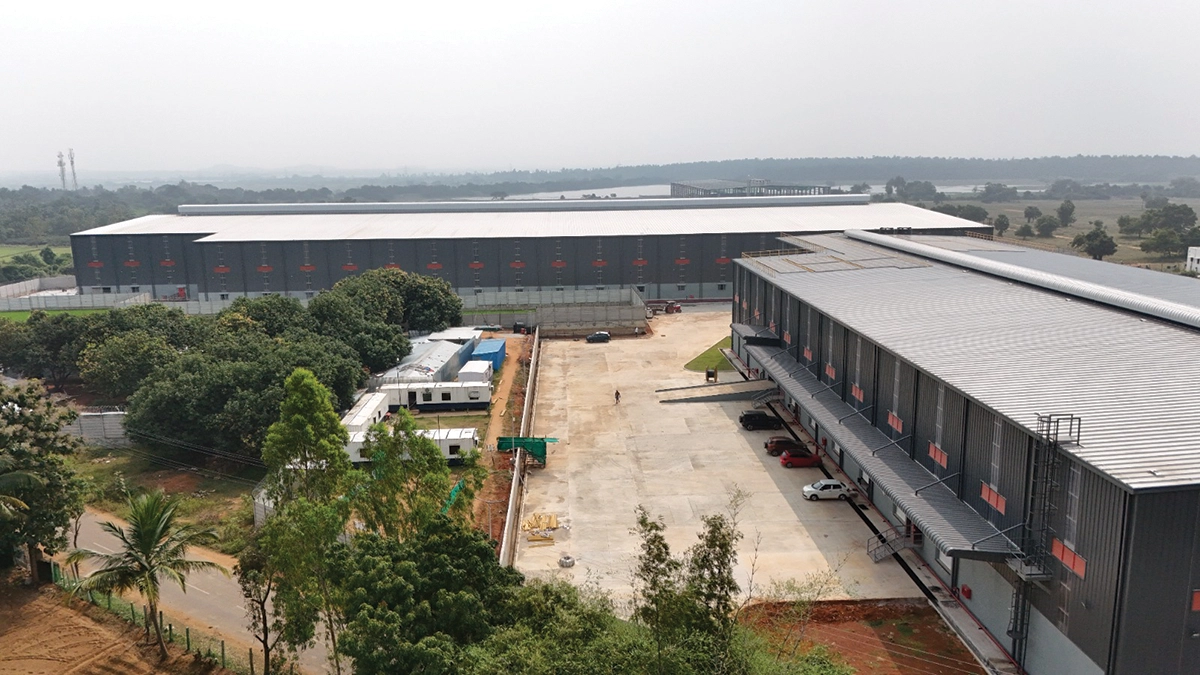
Overall, the sector is evolving towards greater scale, higher quality, and deeper customisation, with developers closely aligning supply to the dynamic expectations of occupiers.
Amid geopolitical tensions and supply chain disruptions, we are adopting a more cautious approach to speculative supply, as extended material lead times and tighter financing conditions push project timelines outward.
Despite geopolitical headwinds and ongoing supply chain disruptions, the long-term demand for high-quality warehousing remains strong. Developers are increasingly exercising caution around speculative supply, as extended material lead times and tighter financing conditions delay project timelines.At the same time, these supply-side constraints are reinforcing the value of existing, stabilised assets, where occupancy levels remain robust and rental growth continues to hold firm. In this environment, we are maintaining a disciplined approach to expansion—prioritising corridors and tenants with clear demand visibility rather than pursuing volume amid uncertainty.
“We are seeing a clear shift from commoditised warehousing to high-performance, future-ready infrastructure. Despite near-term challenges, strong fundamentals and disciplined, occupier-led development will define the sector’s next phase of growth.”
Maneesh Jain, CIO - Pragati Warehousing
Shifting from commoditised warehousing to infrastructure built for long-term performance
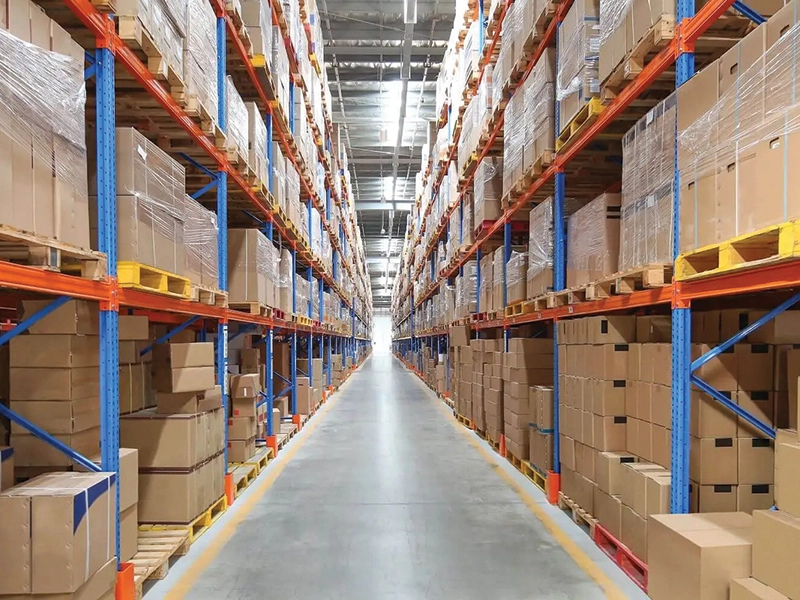
For developers, this shift calls for a more strategic and future-oriented approach. At Pragati, we see a decisive move towards creating infrastructure that is flexible, scalable, and capable of supporting automation, while adapting to evolving occupier requirements.
Location strategy is becoming equally critical, with occupiers placing greater emphasis on proximity to consumption centres, strong connectivity, and access to a reliable workforce. ESG considerations are also playing an increasingly central role in decision-making, particularly among global occupiers seeking sustainable and compliant facilities.
In essence, the demand landscape is becoming more nuanced, and developers who prioritise quality, adaptability, and execution excellence will be best positioned to lead the market.
Building resilient, future-ready warehousing through disciplined growth and long-term demand visibility
While geopolitical uncertainties and supply chain disruptions are introducing a degree of near-term caution, they do not undermine the sector’s strong underlying fundamentals. From a development perspective, some moderation in timelines is expected, largely driven by input cost fluctuations and intermittent supply chain constraints. However, developers with robust execution capabilities and well-established ecosystems are better positioned to navigate these challenges with minimal disruption.On the investment front, there is a clear shift towards greater discipline and selectivity. Institutional capital continues to remain committed to the sector, but with a sharper focus on developers who demonstrate a proven track record, strong governance standards, and consistent execution excellence.
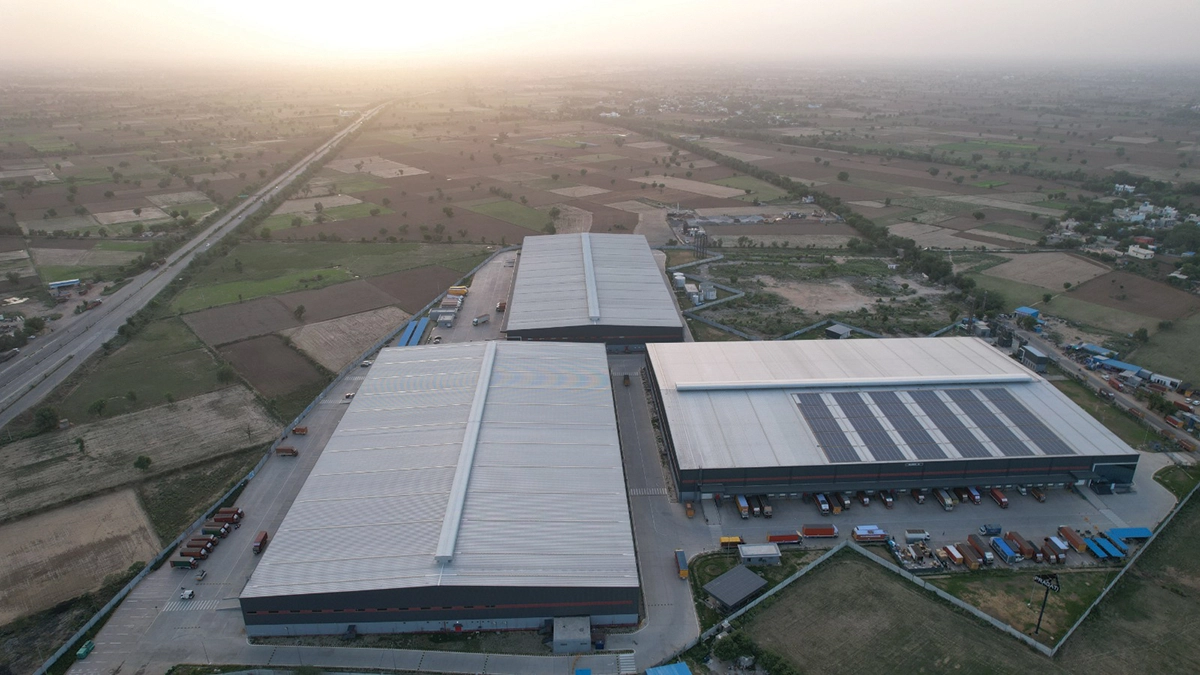
Expansion strategies are also becoming more calibrated. Developers are increasingly adopting phased development models, aligning supply with demand visibility, and prioritising pre-leased or built-to-suit opportunities to optimise risk. In parallel, portfolio diversification across geographies and occupier segments is emerging as a key strategic lever.
At the same time, global supply chain realignments are reinforcing India’s position as a critical manufacturing and logistics hub, providing a strong structural tailwind for long-term demand in Grade A warehousing.
Overall, while the sector may witness short-term prudence, the long-term outlook remains firmly positive. For developers like Pragati, the emphasis continues to be on creating high-quality, future-ready infrastructure that drives growth while ensuring resilience and adaptability in a dynamic market environment.
Published on:
15 June 2026
Published in: Lifting & Specialized Transport, March-April, 2026
Share:
We Value Your Comment