
Multimodal Integration and the Evolving Role of Warehouses in Modern Supply Chains
In today’s rapidly transforming business landscape, supply chains have evolved into highly dynamic and interconnected ecosystems. Traditional linear models of movement and storage are no longer sufficient to meet the growing demands for speed, efficiency, and resilience. As global trade becomes more complex and customer expectations continue to rise, multimodal integration has emerged as a critical strategy for organizations aiming to stay competitive. At the center of this transformation is a pivotal component—the modern warehouse.“Multimodal integration enhances business efficiency, builds resilience, and helps achieve sustainability goals, with warehouses—serving as central pillars of this ecosystem—evolving into strategic assets that drive connectivity and performance across the supply chain.”
Naresh Sharma, Managing Director, CCI Group

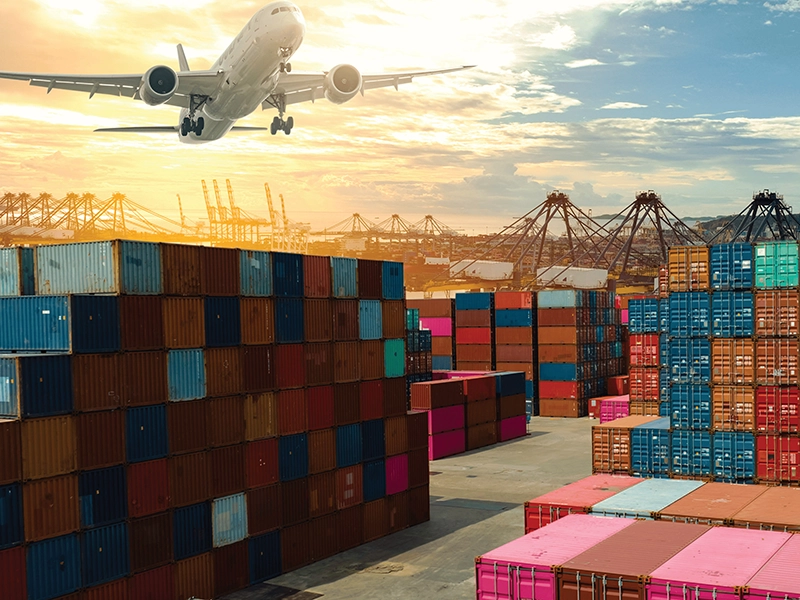
Multimodal integration refers to the seamless coordination of multiple modes of transportation, including road, rail, air, and sea, to ensure the optimal movement of goods. While each mode offers distinct advantages, their true potential is realized only when they operate in a synchronized and efficient manner. Warehouses play a central role in enabling this synchronization, acting as strategic nodes that connect, consolidate, and streamline the flow of goods across the supply chain.
One of the defining characteristics of modern warehouses is the integration of advanced technologies. Automation, real-time tracking systems, and data analytics have revolutionized warehouse operations. These technologies provide end-to-end visibility, allowing businesses to monitor inventory levels, track shipments, and make data-driven decisions. In a multimodal environment, such visibility is essential to ensure that goods are routed efficiently, delays are minimized, and delivery timelines are consistently met.
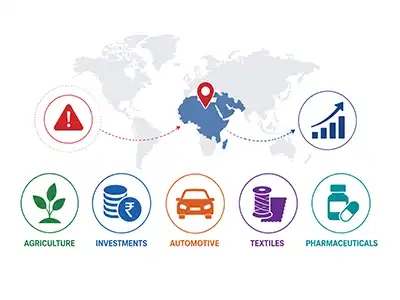
In addition to technology, the strategic importance of warehouses lies in their ability to enhance flexibility within supply chains. Disruptions—whether caused by geopolitical uncertainties, natural events, or market fluctuations—are an inherent part of global trade. Warehouses provide the agility needed to respond to these disruptions by enabling the rerouting of shipments, temporary storage, and adjustments in inventory positioning. This flexibility ensures continuity and reliability, even in the face of unforeseen challenges.
Another critical aspect of modern warehousing is its contribution to sustainability. As organizations increasingly focus on reducing their environmental impact, multimodal transport offers a more sustainable approach by combining energy-efficient modes such as rail and sea with road transport. Warehouses support this transition by facilitating modal shifts, optimizing load consolidation, and reducing unnecessary movement of goods. Efficient warehouse operations can significantly lower carbon emissions by minimizing idle time, improving route planning, and ensuring better utilization of transport resources.
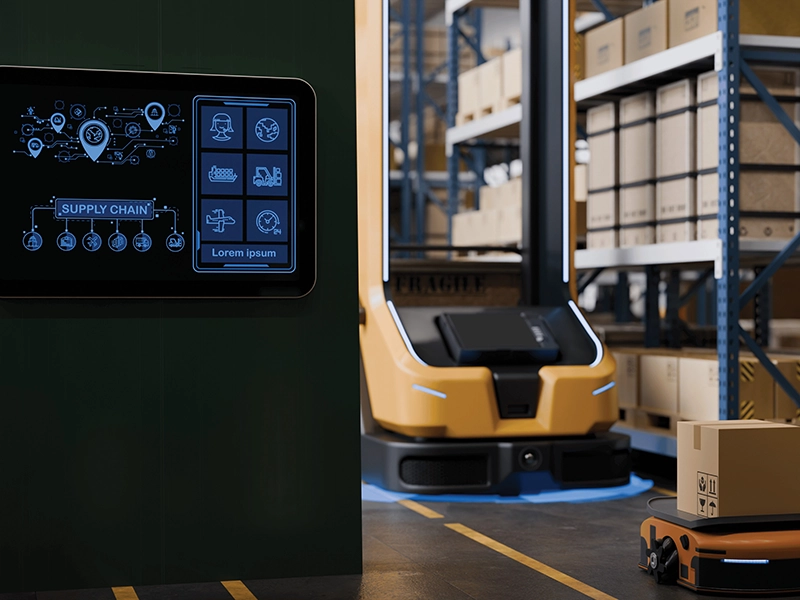
Equally important is the role of warehouses in fostering collaboration across the supply chain. Multimodal logistics involves multiple stakeholders, including transport providers, logistics partners, and technology platforms. Warehouses serve as convergence points where these stakeholders interact, exchange information, and coordinate operations. By enabling better communication and data sharing, warehouses help eliminate inefficiencies and create a more integrated and responsive supply chain ecosystem.
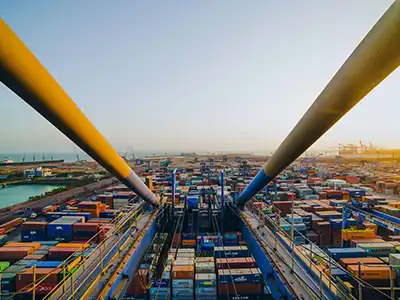
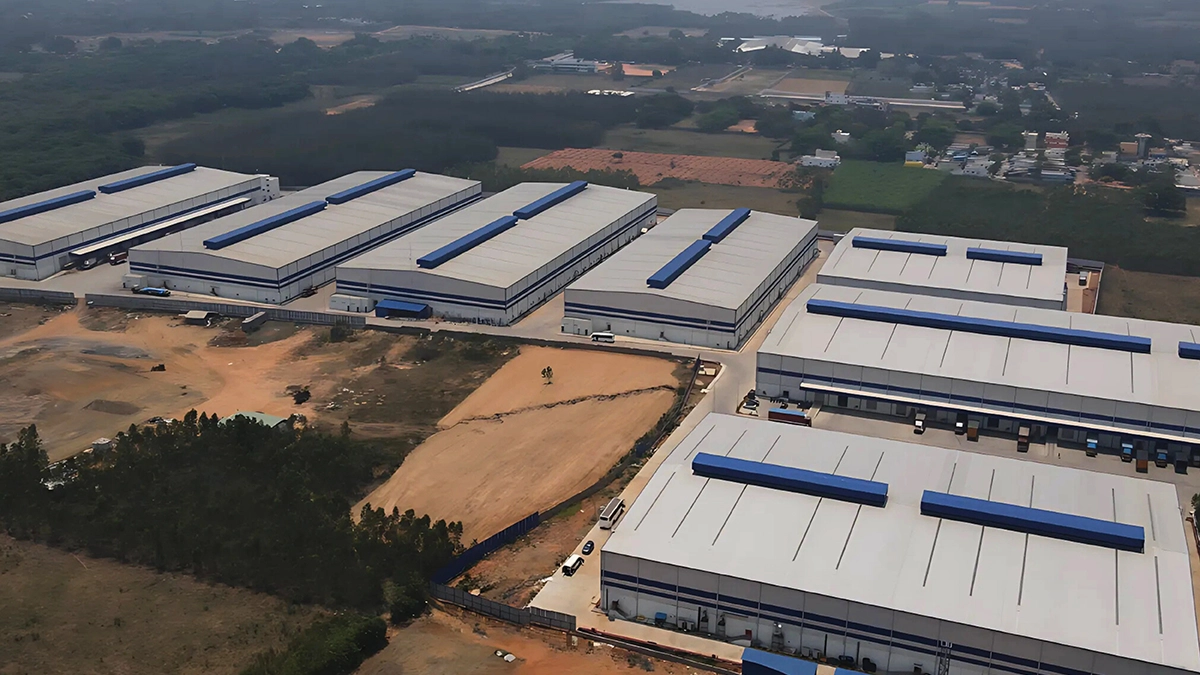
Infrastructure and location strategy also play a crucial role in maximizing the benefits of multimodal integration. Warehouses situated near ports, rail terminals, and major highways offer significant advantages in terms of connectivity and transit efficiency. Such strategic positioning reduces handling time, lowers transportation costs, and enhances overall responsiveness. Businesses that invest in well-located and well-equipped warehouse networks are better positioned to adapt to changing market demands and operational challenges.
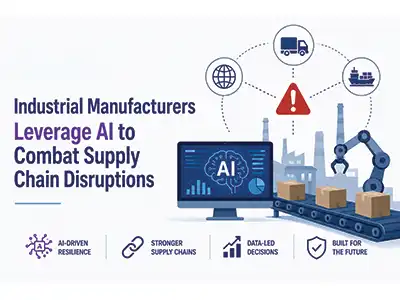
Looking ahead, the role of warehouses will continue to expand as supply chains become more complex and technology-driven. Emerging innovations such as artificial intelligence, the Internet of Things (IoT), and predictive analytics are set to further transform warehouse operations. These advancements will enable smarter decision-making, improved demand forecasting, and enhanced risk management. As a result, warehouses will become even more integral to ensuring seamless multimodal integration.
However, the success of this transformation is not solely dependent on technology. A holistic approach that combines infrastructure, processes, and skilled human resources is essential. Investing in workforce development, training, and operational excellence is equally important to ensure that organizations can fully leverage the capabilities of modern warehousing. A forward-looking mindset and a commitment to continuous improvement will be key drivers of long-term success.
In conclusion, multimodal integration represents a significant opportunity for businesses to enhance efficiency, build resilience, and achieve sustainability goals. Warehouses, as central pillars of this ecosystem, have evolved into strategic assets that drive connectivity and performance across the supply chain. Their transformation from passive storage facilities to intelligent, agile hubs underscores their growing importance in modern logistics.
As the industry continues to evolve, organizations that embrace integrated logistics and invest in advanced warehousing capabilities will be better equipped to navigate complexities and capitalize on emerging opportunities. The future of supply chains lies in seamless coordination, informed decision-making, and adaptive infrastructure—and warehouses will remain at the heart of this transformation.
Published on:
15 June 2026
Published in: Lifting & Specialized Transport, March-April, 2026
Share:
We Value Your Comment