
India’s Infrastructure Moment Demands More Than Steel and Concrete
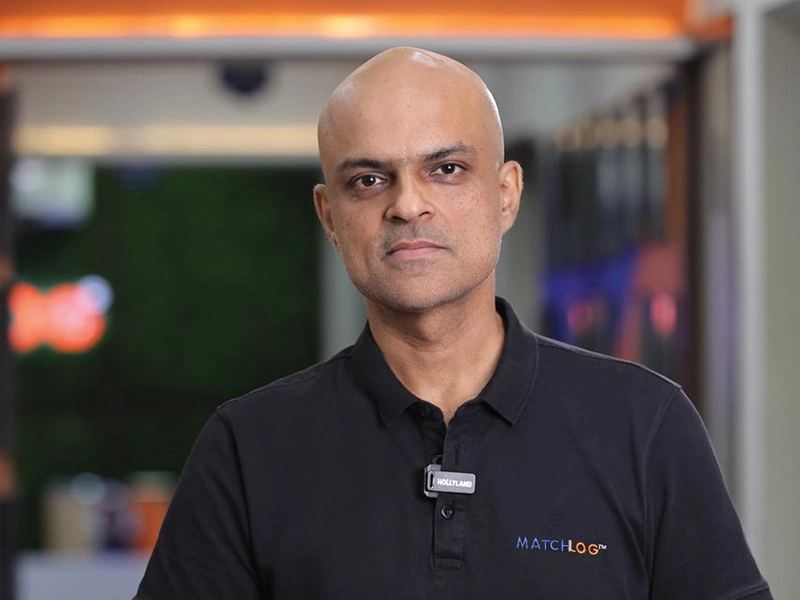
When Finance Minister Nirmala Sitharaman presented the Union Budget for 2026–27, the logistics sector received a clear, coordinated signal that the government understands freight as a system. The Dankuni–Surat Dedicated Freight Corridor, the operationalisation of 20 new national waterways, the Coastal Cargo Promotion Scheme with its 12% modal share target by 2047, seven high-speed rail corridors, and a Rs 10,000 crore scheme for domestic container manufacturing do not represent incremental upgrades to what already exists. Together, they represent a structural rewiring of how India moves goods.The proposed Dankuni–Surat Freight Corridor, development of 20 new National Waterways, the Coastal Cargo Promotion Scheme targeting a 12% modal share by 2047, planned high-speed rail corridors, and incentives for domestic container manufacturing signal a decisive shift toward greener, more integrated cargo movement in India.Dhruv Taneja, Founder & Global CEO of MatchLog, shares his insights on how digital platforms, ecosystem-wide integration, and a skilled workforce will be critical to unlocking the full value of these transformative investments.
This moment deserves a sober and honest examination. The investments are real, the intent is admirable, and the engineering is sound. But the returns on this infrastructure will be determined by the quality of the digital platforms that sit above these assets, the degree to which the ecosystem integrates rather than fragments, and the readiness of the human capital expected to operate all of it. Without these three dimensions working in concert, India risks having its most ambitious logistics infrastructure programme deliver well below its potential.
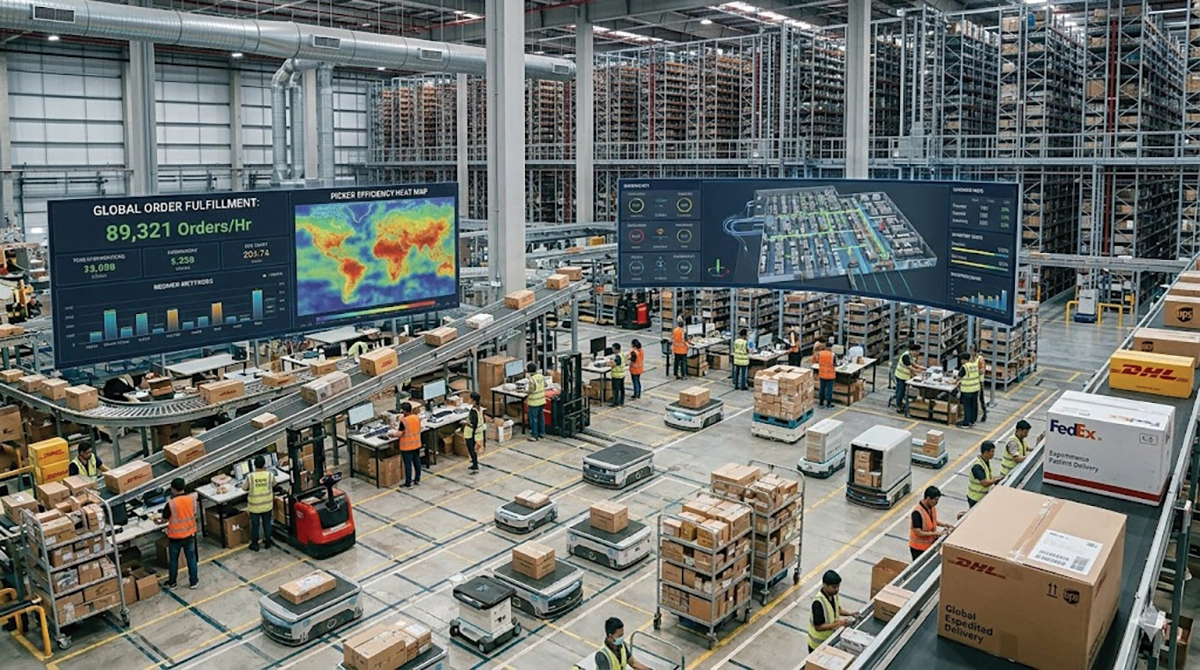
The scale of what has been announced
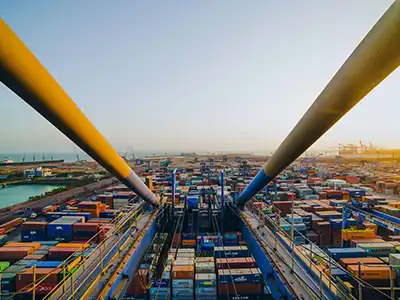
The Dankuni–Surat corridor, spanning approximately 2,052 kilometres, will stitch together an east–west freight spine that connects West Bengal, Odisha, Chhattisgarh, Madhya Pradesh, Maharashtra, and Gujarat. By interfacing with both the Eastern Dedicated Freight Corridor and the existing Western DFC, the new line effectively completes a continuous rail freight grid across the country’s northern, eastern, and western industrial heartland. Double-stack container operations, higher axle loads, and dedicated tracks free from passenger traffic congestion are expected to slash transit times and bring per-tonne freight costs down substantially on long-haul routes. For industries in the mineral-rich eastern states that have historically faced crippling logistics disadvantages, this is a genuine change in circumstance.On the waterways side, the government has committed to operationalising 20 new national waterways over the next five years, backed by a 48% increase in allocation to the Ministry of Ports, Shipping, and Waterways, which now stands at Rs 5,164.8 crore. The Coastal Cargo Promotion Scheme formalises India’s ambition to double the combined share of inland waterways and coastal shipping in the national modal mix from the current 6% to 12% by 2047. Inland water transport currently accounts for roughly 2% of total freight movement, so reaching 12% across the combined waterways and coastal shipping base will require a degree of commercial and operational transformation that goes well beyond building terminals and dredging channels.
The domestic container manufacturing scheme, with its Rs 10,000 crore outlay spread over five years, targets an annual production capacity of one million TEUs, a figure that would represent a nearly thirty-fold increase over India’s current output of around 30,000 units per year. When combined with the Bharat Container Shipping Line, which entered into formal MoU arrangements in February this year among the Shipping Corporation of India, CONCOR, and several major port authorities, the intent is clear: India wishes to own a meaningful share of the containerised logistics stack, from the box itself to the vessel carrying it.
Why infrastructure alone cannot close the gap
India’s logistics costs have improved meaningfully in recent years. A joint NCAER–DPIIT assessment placed logistics expenditure at 7.97% of GDP in FY24, a substantial improvement from the 13–14% range that hung over Indian manufacturing competitiveness for years. But the work of pushing that figure toward the single digits demanded by Viksit Bharat’s export ambitions is qualitatively different from the work that produced the first wave of gains. GST, FASTag, and e-way bills eliminated paper-driven friction. The first generation of DFCs shifted freight off congested mixed-traffic lines. The low-hanging fruit has largely been harvested. The next tranche of savings requires genuine multimodal integration, and genuine integration is primarily a digital and organisational challenge, not a civil engineering one.Consider what multimodal actually requires at an operational level. A consignment moving from a mineral belt in Odisha to an export container terminal in Gujarat on the new corridor, and then possibly onward via coastal shipping rather than being trucked to a gateway port, involves at least four or five distinct operators, multiple regulatory touchpoints, and handoffs between modes where cargo visibility typically degrades rather than improves. Today, those handoffs happen over phone calls, on WhatsApp messages, through carbon-copy documents, and on faith. The data that would allow a shipper to manage such a journey as a single, visible, optimised flow simply does not exist in a usable form across the breadth of the market.
The government has made serious investments in digital architecture, and these represent genuine progress. But these platforms are still primarily planning and visibility tools for large, sophisticated shippers. The operator base that will actually handle the majority of freight volumes on India’s new corridors and waterways consists of thousands of small transport companies, inland vessel operators, and freight intermediaries who lack the systems, the connectivity, and frankly, the time to integrate with government platforms in any meaningful way.
The ecosystem argument
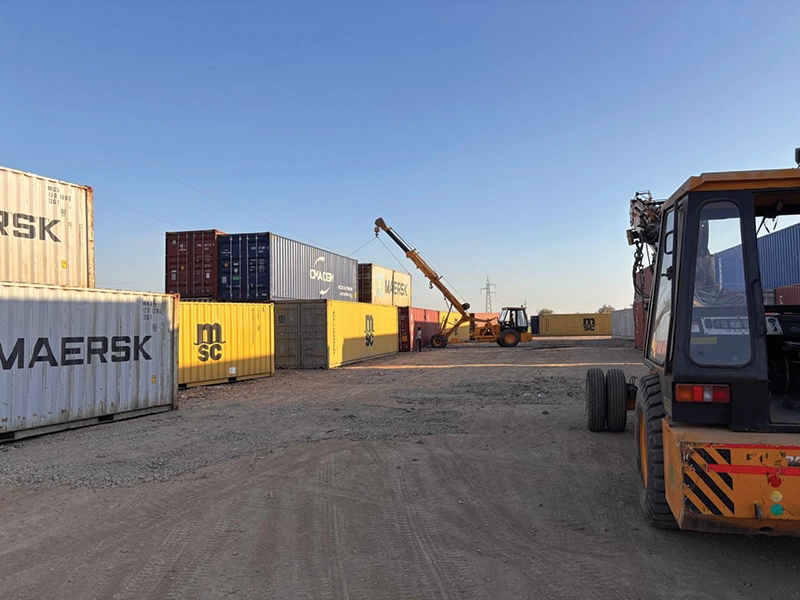
Ecosystem-level integration means that a shipper in Jharkhand can access a digital freight exchange that aggregates rail capacity on the new DFC, inland vessel capacity on the Mahanadi waterway, and coastal vessel capacity on the Bharat Container Shipping Line through a single interface, with real-time pricing, reliable transit commitments, and end-to-end cargo visibility. In that world, modal choice becomes a commercial and operational decision driven by data rather than a guess driven by habit. Road retains a 60–65% share of Indian freight today because it is the most predictable and the easiest to book. Digital platforms must make alternative modes as easy to access as calling a transporter on a mobile phone.
This is where the private sector must lead rather than wait. The government cannot build and operate the freight exchange layer, the capacity marketplace, the cargo tracking fabric, or the documentation automation that will make new infrastructure commercially viable for the broader market. Public investment in corridors and waterways creates the physical possibility of a different modal split. Private digital investment is what converts physical possibility into commercial reality. The two must move together, and they rarely do without deliberate coordination at the ecosystem level.
The human capital constraint is the one nobody talks about
Operators who are candid will acknowledge something that rarely appears in budget speeches or infrastructure policy documents. The waterways sector in India suffers from a profound shortage of trained inland vessel crew, port technicians, barge operators, and logistics coordinators familiar with intermodal documentation requirements. The 700% growth in cargo transported on national waterways between FY14 and FY25, rising from 18.1 million metric tonnes to 145.5 million metric tonnes, has been achieved largely on the strength of bulk commodity flows along a handful of established routes. Scaling from that base to the multi-cargo, multi-waterway, export-linked volumes envisaged under the 2047 targets will require a workforce that simply does not yet exist in sufficient numbers.The same concern applies, in a different form, to the DFC ecosystem. Operating a double-stack container train with 32.5-tonne axle loads at 100 kmph across six states, interfacing with port terminals and inland container depots at either end, and managing dynamic slot booking and cargo tracking is a technically demanding operating environment that requires trained logistics managers, not just trained drivers. India’s track record in freight corridor operations is growing but remains thin compared with the scale of what the Dankuni–Surat line will eventually demand.
The Regional Centres of Excellence announced in this budget are a start, but the skilling agenda needs to extend well beyond the vicinity of NW-5. Every new waterway, DFC terminal, and new coastal shipping hub represents a node where trained human capital is the rate-limiting factor in how quickly and efficiently the asset can be monetised. Industry associations, logistics operators, and educational institutions need to treat this as a present problem because the infrastructure will arrive faster than the workforce, and the gap between them is where value evaporates.
The opportunity is real
None of these observations are arguments against the investments that have been announced. After years in which India’s logistics infrastructure conversation was dominated by the problems of road dependence, high costs, and supply chain fragility, this budget represents the kind of comprehensive, multimodal commitment that operators have sought for a long time. The east–west freight spine, the coastal shipping push, the container manufacturing programme, and the waterways expansion are individually significant. As an integrated package, they carry genuine potential to shift India toward a lower-cost, greener, and more export-competitive freight system over the coming decade.The condition for realising that potential is not simply executing the civil works on time, which is itself a formidable challenge. It is building, in parallel, the digital and human infrastructure that converts physical capacity into commercial performance. The steel and concrete will arrive. The question that the operator community must answer honestly and urgently is whether the platforms, the ecosystems, and the people will be ready when they do.
Published on:
15 June 2026
Published in: Lifting & Specialized Transport, March-April, 2026
Share:
We Value Your Comment