
Circular Economy: A Transformative Opportunity in Cement & Concrete Industry
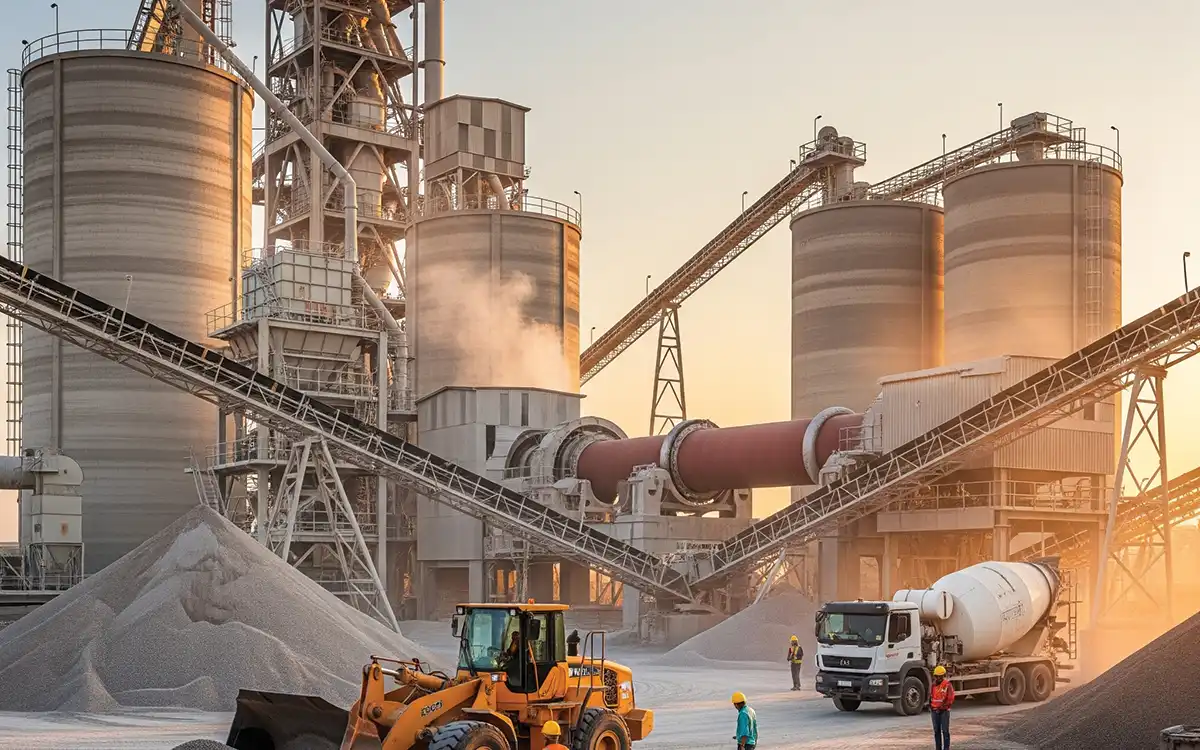
Dr. Supradip Das, Vice – Chairman, Waterproofing and Damp-proofing Sectional Committee (CED 41) BIS and Ex. V P - Indian Concrete Institute, examines how embracing circular economy principles ranging from waste valorization and clinker reduction to water reuse, can steer the Indian cement and concrete industry toward a more resilient, resource-efficient, and low-carbon future.
Introduction
As India cements its position as a global leader in production and rapidly advances its infrastructure development, there has never been a more pressing need for sustainable practices in the sector. Cement is the backbone of construction but also one of the most energy-intensive and polluting industries globally, responsible for around 7–8% of global CO2 emissions, with India contributing a significant share.Circular Economy in Cement
In the traditional linear model, the cement industry extracts raw materials (like limestone), uses energy to produce cement, and generates large quantities of waste and emissions. In contrast, a circular economy in cement focuses on:- Waste reduction and recycling
- Alternative fuels and raw materials (AFR)
- Energy efficiency
- Co-processing of industrial and municipal waste
- Clinker substitution
In this context, the circular economy, a regenerative model that aims to minimize waste and make the most of resources, offers a compelling pathway to sustainability. The Indian cement industry is increasingly embracing circular economy principles to decarbonize its operations, reduce costs, and align with global climate goals.

Figure 1: Circular Economy in the Construction Industry: Advantages and Challenges of Concrete Recycling
On the one hand, this may mean that, in some instances, the best option could be to recycle a product back into the same product category. However, in other instances, it may be preferable to opt for an alternative recycling solution. Thanks to material recycling in the cement industry, the mineral content of waste used as an alternative fuel serves as a raw material for the production of clinker, the main constituent in cement. In a nutshell, our policy should be to:
- Foster the use of waste to achieve the targets set for waste recycling and resource efficiency.
- Material recycling from waste and fuel ashes should count towards recycling targets compliance for Member States.
- Leave open to Member States the range of waste treatment options for their assessment of the best technical feasibility, economic viability and environmental protection for waste streams.

Figure 1: Structural framework of the Circular Economy.
C&D Waste
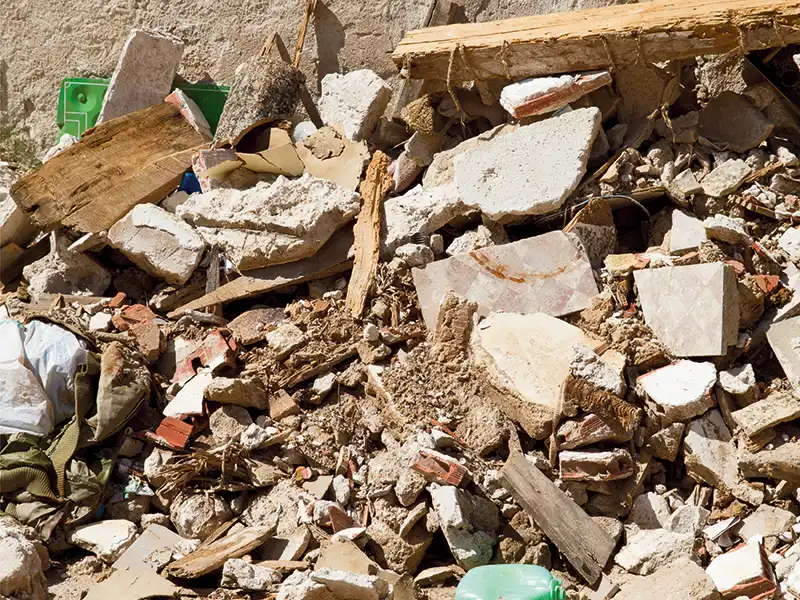 Figure 2 : C & D wastes
Recycle of concrete & construction wastes reduces:
- Cost of aggregates
- Disposal costs
- Environmental damage
- Consumption of natural resources
- Valuable landfill space
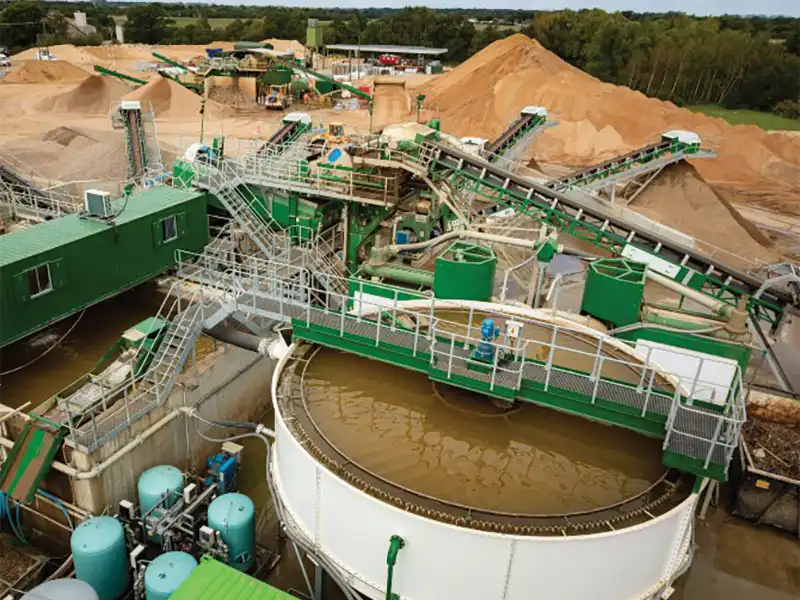 Figure 3: C & D Wastes Plants
In order to be truly sustainable, equal weightage must also be given to each of the three pillars of sustainability i.e. economic, environmental and social. As such, it is crucial to look beyond the product and assess other economic costs or environmental impacts that can be generated. By way of an example, it would not make sense to transport concrete over long distances for it to be reused in a building when there is an option of recycling it in a different application locally (e.g. as road base).
Industry: A cost-effective substitution of natural resources thereby improving the competitiveness of the industry.
Ecology (Planet): Environmentally sustainable waste management and important saving of natural resources.
Society (People): A long term and sound solution for the treatment of different types of waste produced by society.
Key Circular Practices in the Indian Cement Sector
Use of Alternative Fuels and Raw Materials (AFR)
Indian cement plants increasingly use waste materials like:- Municipal solid waste (MSW)
- Plastic waste
- Biomass (rice husk, sawdust, etc.)
- Industrial waste (slag, fly ash, red mud)
SCMs such as Pulverized Fly Ash (PFA) and Ground Granulated Blast Furnace Slag (GGBS), Rice Husk Ash (RHA) and Silica Fumes (SF) have been used for reducing the weight of cement in the concrete mixes to achieve the desired compressive strength of concrete. Various trial mixes have been made with partial substitution of cement with PFA and GGBFS and SF to achieve the desired high strength concrete for structural use. The addition of SCM has reduced the cement proportion in concrete, thereby making it relatively sustainable. The results have been assessed on the basis of reduction in the embodied energy of the concrete.
Fly Ash
Fly ash is a byproduct from burning pulverized coal collected through mechanical collector and electrostatic precipitators in thermal power plants. As the fused material rises, it cools and solidifies into spherical glassy particles collected through electrostatic precipitator is called fly ash. Spherical glassy particle provides ball bearing effect when used in a fly ash blended mix, thereby increasing its workability. Fly ash chemically reacts with the byproduct calcium hydroxide released by the chemical reaction between cement and water to form additional cementitious products that improve many desirable properties of concrete.Ground Granulated Blast Furnace Slag (GGBS)
GGBS is another sustainable alternative cementitious material that can be used as partial replacement of Portland cement in concrete. It is obtained by quenching the molten ash from iron & steel making blast furnace with the help of water. During this process, the slag gets fragmented and transformed into amorphous granules, which is then grounded to desired fineness for producing GGBS. GGBS is highly cementitious and high in CSH (calcium silicate hydrate) and a strength enhancing compound which improves the ultimate strength, durability, and appearance of concrete.Silica Fume
Silica fume, also known as micro silica, is an amorphous polymorph of silicon dioxide. It is an ultrafine powder collected as a by-product of the silicon and ferrosilicon alloy production and consists of spherical particles with an average particle diameter of 150 nm. Because of its extreme fineness and high silica content, silica fume is a very effective pozzolanic material.- Silica fume is added to Portland cement concrete to improve its properties like compressive strength, bond strength, and abrasion resistance. These improvements stem from both the mechanical improvements resulting from addition of a very fine powder to the cement paste mix as well as from the pozzolanic reactions between the silica fume and free calcium hydroxide in the paste.
- It also reduces the permeability of concrete to chloride ions, which protects the reinforcing steel of concrete from corrosion, especially in chloride-rich environments.
- As a filler, micro silica decreases the average size of pores in the cement paste.
Rice husk ash & Metakaolin
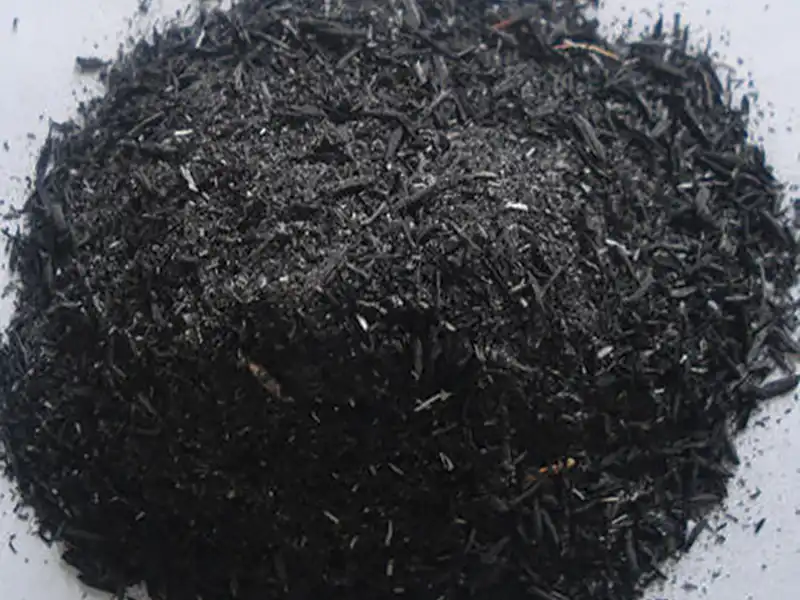 Figure 4: Rice Husk Ash
 RHA in cement or concrete:
- Provides strength to the concrete.
- Reduces permeability because it is much smaller in size compared to cement particles.
- Reduces the heat of hydration of concrete
- Improves the resistance to chloride and sulphate attacks.
 Figure 5: Metakaoline
Metakaolin is formed when ordinary clay and kaolin clay are thermally activated. It is not an industrial byproduct like the other admixtures; is abundantly available; and comparable to silica fume’s pozzolanic activity.
Replacement Criteria of Different Mineral Admixtures in concrete as per BIS
- Fly Ash ( FA )
Low volume fly ash content : 10-30 %
High volume fly ash concrete : around 50 %
( IS : 1489 -1991 : 10 – 25 % ) - Ground Granulated Blast Furnace Slag (GGBS) : 25 – 60 % (IS : 455 - 1989)
- Silica Fume (SF) & Metakaolin (MK): 5 -10 % (IS : 15388 – 2003)
- Economically viable.
- Results in energy savings. (less heat of hydration)
- Improve Workability.
- Improve extensibility.
- Reduce the alkali-aggregate reaction.
- Increase water tightness. ( impervious )
- Increase strength.
- Less water demand.
- Discontinuous capillary pore system
- Produces better quality of concrete with better finish
- Reduces GHH emission with the associated with production of cement
- Preserve natural resources
Co-Processing of Waste in Kilns
Co-processing of wastes in cement kilns technique that utilizes waste materials as alternative fuels and raw materials in the cement manufacturing process. This process offers a sustainable solution for waste disposal by recovering energy and material from the waste while reducing reliance on traditional fossil fuels and raw cement kilns operate at high temperatures (~1400–1500°C), which allows complete thermal destruction of waste with no toxic emissions or residues. This is ideal for:- Hazardous waste
- Biomedical waste
- E-waste
Clinker Factor Reduction and Blended Cements
Clinker, the key ingredient in cement, is energy-intensive and emits large amounts of CO2. Indian manufacturers are reducing clinker content by using supplementary cementitious materials (SCMs): Example: Portland Pozzolana Cement (PPC) and Portland Slag Cement (PSC) are popular low-carbon alternatives.Waste Heat Recovery Systems
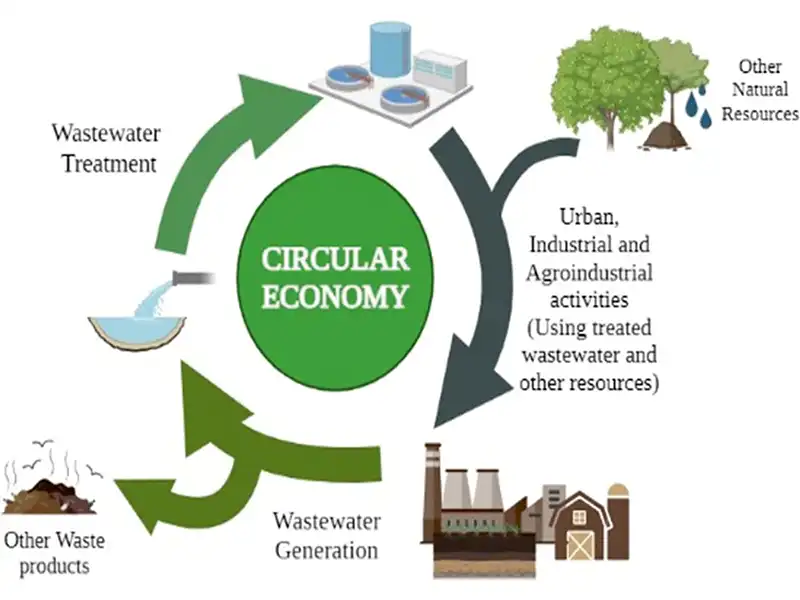 Figure 6: Circular economy approach for the waste water treatment
Water Circularity and Reuse
The cement & construction industries are significant water consumers primarily for cooling, dust suppression, concrete mixing and curing. With growing water scarcity and environmental regulation, there is a need to shift to water circularity – a system where water is recycled, recovered & reuse -achieving near-zero liquid discharge. Water circularity and reuse in cement plants involves minimizing fresh water intake and maximizing the recycling and reuse of water within the plant's operations. This includes using treated wastewater, rainwater harvesting, and implementing water-efficient technologies to reduce overall water consumption and minimize discharge.Water-intensive processes like cooling and dust suppression are being optimized. The plants are harvesting rainwater and reusing process water.
Policy and Regulatory Support
The Indian government is pushing for sustainability through:- Perform, Achieve and Trade (PAT) Scheme under the Bureau of Energy Efficiency
- Extended Producer Responsibility (EPR) for plastic waste
- GeM platform and green procurement
- SWACHH Bharat Mission promoting waste segregation and RDF (Refuse Derived Fuel)
Challenges to Circularity
Despite progress, the sector faces hurdles due to:- Lack of standardized waste collection and segregation
- Logistics challenges in sourcing AFR
- Technological barriers for small cement plants
- Community concerns around waste burning
- Regulatory delays and fragmented policies
Opportunities and the Way Forward
To accelerate circularity in cement, India must:- Develop regional waste management hubs aligned with cement clusters
- Strengthen policy coherence between MoEFCC, CPCB, ULBs, and industry
- Promote innovation in low-carbon cement and carbon capture
- Encourage digital tracking of waste from source to kiln
- Invest in awareness and capacity building among municipal bodies
Conclusion
The circular economy presents a transformative opportunity for the Indian cement industry. By turning waste into wealth, optimizing resource use, and embracing innovation, the sector cannot only lower its environmental footprint but also improve resilience, profitability, and global competitiveness.With strong industry commitment, supportive policies, and public-private partnerships, India can lead the world in sustainable cement manufacturing.
The implementation of circular economy principles in the cement and construction industries holds immense potential for achieving sustainability, resource efficiency, and climate resilience. By promoting the use of alternative materials such as industrial by-products (e.g., fly ash, slag), recycling of construction and demolition waste, and designing for durability and reuse, the sector can significantly reduce its carbon footprint and reliance on virgin resources.
Furthermore, technological innovations, regulatory frameworks, and public-private collaborations are vital for overcoming current barriers to adoption. Embracing circular practices not only addresses environmental concerns but also fosters economic growth through job creation, cost savings, and value chain optimization.
A successful transition to a circular economy demands systemic change — from material sourcing and design to construction, use, and end-of-life recovery. With coordinated efforts, the cement and construction sectors can become pivotal contributors to a more sustainable and regenerative built environment.
Bibliography
- World Business Council for Sustainable Development (WBCSD). (2023). Circular Economy in the Cement Industry: A Global Perspective.
- International Energy Agency (IEA). (2022). Technology Roadmap: Low-Carbon Transition in the Cement Industry.
- Ellen MacArthur Foundation. (2021). Circular Economy in Cities: The Built Environment.
- Indian Bureau of Mines. (2020). Utilization of Industrial Waste in Cement Manufacturing in India.
- Central Pollution Control Board (CPCB), India. (2021). Guidelines for the Management of Construction and Demolition (C&D) Waste.
- FICCI – Cement Sustainability Initiative (CSI). (2022). Low Carbon Roadmap for the Indian Cement Industry.
- Ghosh, S., & Agarwal, R. (2021). Opportunities and Challenges for Circularity in Indian Construction Sector. Journal of Cleaner Production, 280.
- Meyer, C. (2017). The Greening of the Concrete Industry. Cement and Concrete Composites, 31(8), 601–605.
- Pacheco-Torgal, F., et al. (2019). Eco-efficient Construction and Building Materials: Life Cycle Assessment (LCA), Eco-Labelling and Case Studies. Woodhead Publishing.
- United Nations Environment Program (UNEP). (2020). Building a Circular Future: Opportunities in the Construction Sector.
- Circular economy approaches for water reuse & emerging containment mitigation: innovation in water treatment. Environment, Development & Sustainability, December 2023.( Springer).
Published on:
15 October 2025
Published in: ICCT, September-October, 2025
Share:
We Value Your Comment