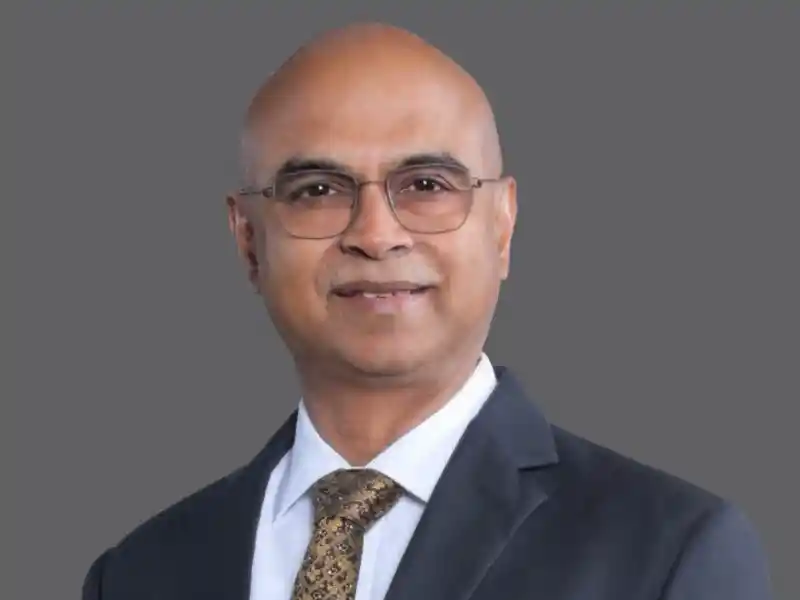
Speaking at a media meet-and-greet in New Delhi, Vinayak Pai, CEO & Managing Director, Tata Projects, said the company continues to maintain its order book in the range of Rs 40,000–Rs 43,000 crore, with a strong pipeline of fast-track and technology-driven projects.
“Unlike earlier when we had four- or five-year-long projects such as large nuclear or power plants, today our average project cycle is shorter, around 18 months to three years, thanks to higher demand and technology adoption,” Pai said. “We are known for predictable and fast-track project delivery, and we want to maintain that reputation.”
Jewar Airport Ready for Inauguration
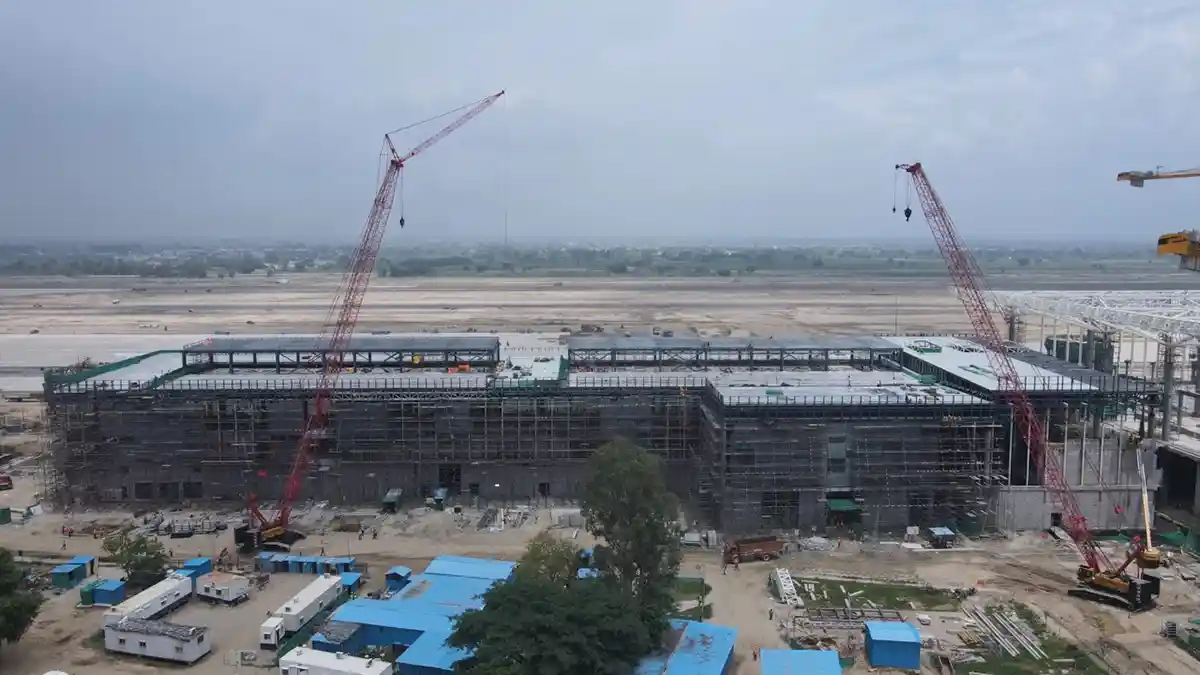
On the much-anticipated Noida International Airport (Jewar) project, Pai confirmed that construction work is largely complete and the project is in the final phase of regulatory and safety clearances.“The Chief Minister has already requested the Prime Minister for a date after November 15 for the formal inauguration. Our work is ready, and we are now in the approval stage with DGCA and other authorities,” Pai said.
Built at a contract value of around Rs 4,500 crore, the airport stands out for its architectural complexity, sustainability features, and record completion timeline of just three years. The terminal integrates natural lighting, water recycling, and net-zero principles, marking it as one of India’s most sustainable greenfield airports.
Pai added that Jewar’s long-term master plan gives it an edge over other Indian airports, with the Uttar Pradesh government having earmarked over 4,000 hectares for future expansion, positioning it among Asia’s largest airport developments.
From COVID-Era Challenges to Profit Turnaround
Addressing the company’s FY24 financial performance, Pai explained that the net loss was largely the result of legacy projects affected by COVID-19 disruptions, which are now nearing completion. “These losses are a cumulative effect of older projects. Our new portfolio is steady and profitable, and from next year, our financials will reflect this turnaround,” he said.Focus on Manufacturing, Technology & Data Centers
Tata Projects is increasingly involved in semiconductor and electronics manufacturing under the Government of India’s Semiconductor Mission, including the Micron project in Gujarat. The company is also engaged in building solar panel gigafactories, data centers for global clients such as Microsoft and Google, and premium real estate projects in partnership with leading developers like Mahindra Lifespaces.Pai emphasized that India’s manufacturing expansion will be central to the nation’s economic growth story, “The world’s major economies are manufacturing-driven. India’s logistics and infrastructure costs must come down from 14–15% to around 8–9% to stay globally competitive. Infrastructure initiatives like the Dedicated Freight Corridor (DFC) and Bharatmala are key to this transformation, and we’re proud to contribute to them.”
Driving Digital Transformation in Construction

“Digitalization has made our processes faster and more cost-effective. We leverage historical data to predict and prevent issues, solving over 95% of potential problems before they occur,” Patel said.
She noted that Tata Projects completed India’s first full-scale greenfield airport in record time using digital engineering and planning tools, and is now executing data centers in as little as 18–20 months.
The company has also introduced VR-based and AI-enabled training modules under its ‘Shakti’ and ‘Nirman Naik’ skill development programs, aimed at upskilling workers and engineers in safe, tech-enabled construction practices.
“Technology is not about replacing people, but enabling them to operate better. Robotics is our next step, not to reduce manpower, but to make our workforce more efficient,” Patel added.
Sustainable, Predictable, Tech-Driven Growth
With a renewed focus on predictable project delivery, sustainability, and digital transformation, Tata Projects is positioning itself as a key contributor to India’s infrastructure and manufacturing growth story.As Pai concluded, “India today is one of the biggest growth stories in the world. We are proud to be part of this journey, building at speed, scale, and with sustainability at the core.”